#mello-roos-and-local-assessments
#mello-roos-and-local-assessments
[ follow ]
#affordable-housing #sales-tax #oakland #housing-policy #real-estate #san-francisco #measure-ula #parcel-tax
fromPadailypost
1 day agoCaltrain to close stations if transit tax doesn't pass
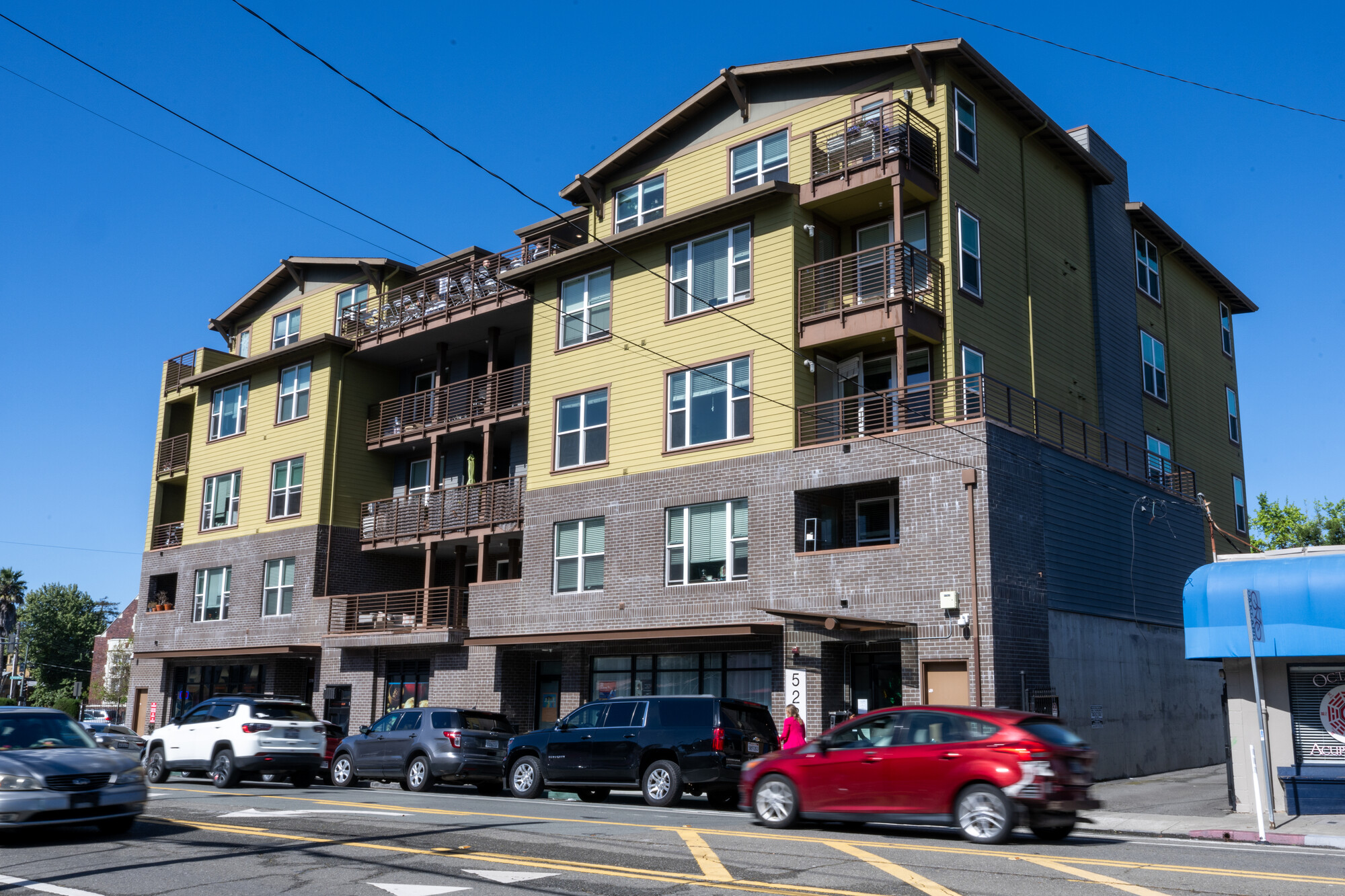
"Caltrain and BART would very likely be looking at shutting down passenger service," Deputy Director of Policy Development Melissa Jones said. "In that case, the agencies would be focused on maintenance, trying to secure our assets, keep everything safe while we regroup for the future."
San Francisco


Non-profit organizations
fromSan Jose Spotlight
3 days agoSanta Clara County housing funds safe after federal court ruling - San Jose Spotlight
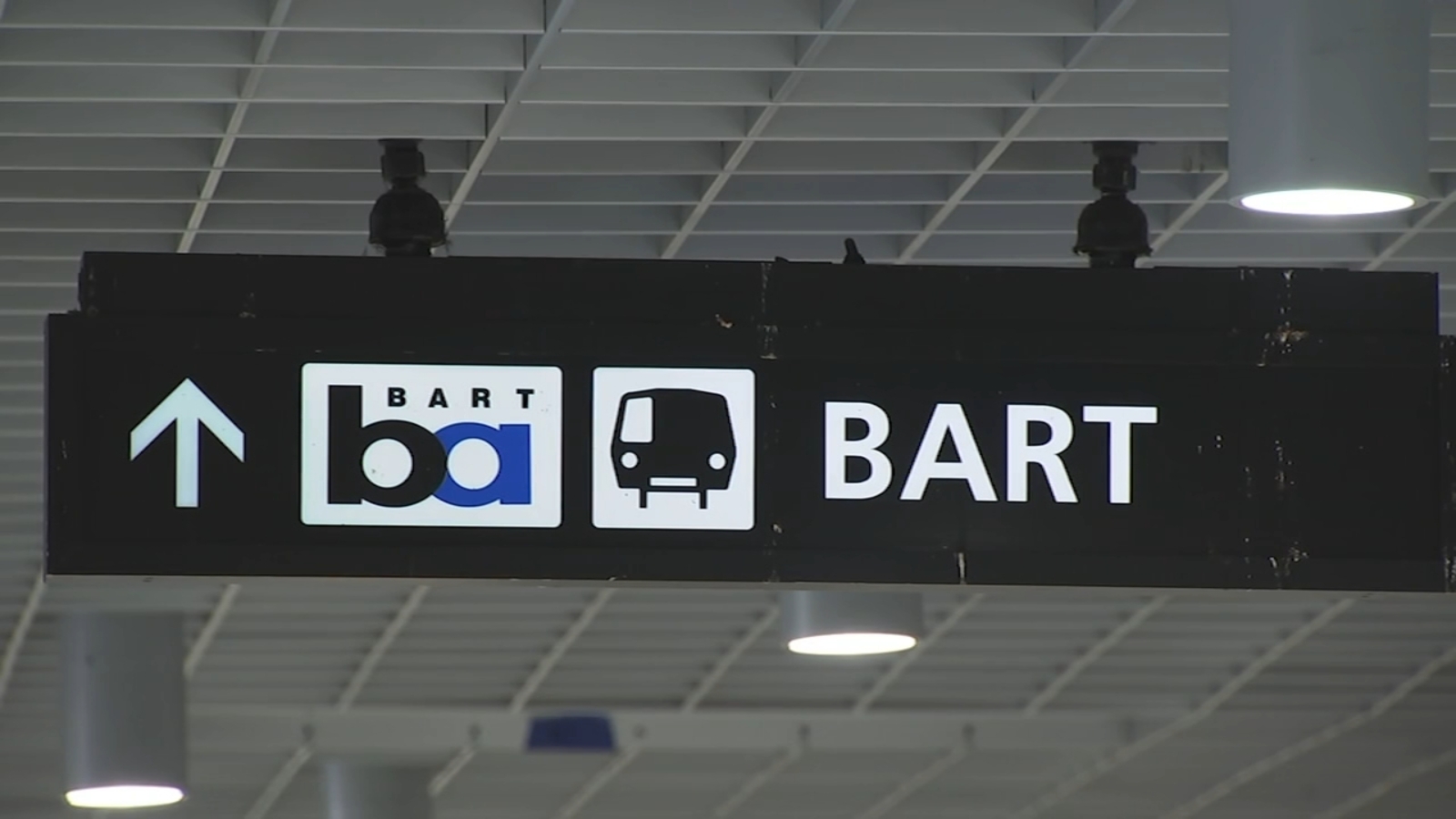
Federal appeals court blocks HUD's attempt to cap permanent housing funds, preserving Continuum of Care grants for homelessness solutions in Santa Clara County.




SF parents
fromPadailypost
2 weeks agoSchool district investigated one of its own board members - few knew of investigation
Palo Alto Unified School District investigated board member Rowena Chiu for racism allegations following a January 2025 Ethnic Studies meeting, and Chiu claims vindication while questioning the investigation's cost and lack of public disclosure.
California
fromStreetsblog
2 weeks agoStreetSmart 15: Homes Before Highways - Streetsblog California
Over 800 homes demolished in six years for highway projects in California, revealing how transportation investments reduce housing supply and destabilize communities while remaining overlooked in housing policy debates.
Real estate
fromRedfin | Real Estate Tips for Home Buying, Selling & More
3 weeks agoWhen is Your First Mortgage Payment Due After Closing?
Your first mortgage payment is due on the first day of the second month after closing, calculated by adding 30 days to your closing date and finding the next month's first day.
East Bay (California)
fromThe Oaklandside
3 weeks agoOakland orders school district to pay past election costs
Oakland Unified School District settled a lawsuit and agreed to pay approximately $860,000 to Oakland for the 2022 school board election costs, with additional costs for the 2023 election to be billed by Alameda County.
SF parents
fromKqed
3 weeks agoNew Law Provides School Boards the Opportunity for Pay Raise | KQED
South Bay Union School District is closing schools due to declining enrollment while approving a pay increase for board members, raising concerns about resource allocation and board diversity representation.
#federal-housing-reform
California
fromKqed
2 weeks agoHow Federal Housing Reform Could Impact Californians | KQED
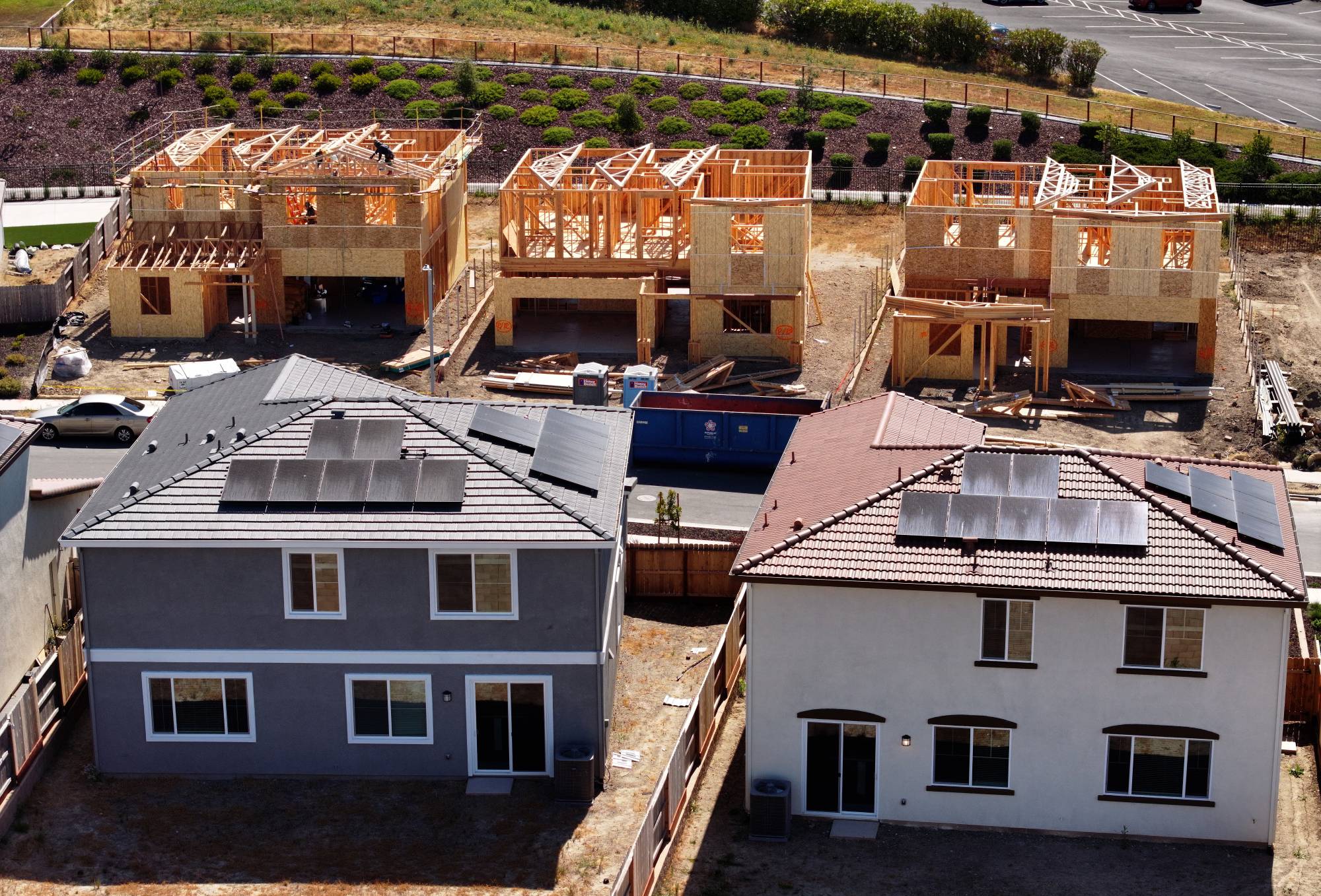
Congress is finalizing significant federal housing reform bills inspired by California laws, targeting housing shortages through construction innovation, streamlined programs, and increased local housing planning.
California
fromKqed
2 weeks agoHow Federal Housing Reform Could Impact Californians | KQED
Congress is finalizing significant federal housing reform bills inspired by California laws, targeting housing shortages through construction innovation, streamlined programs, and increased local housing planning.
fromwww.housingwire.com
2 weeks agoHow Public Financing Wins Projects Before You Build
Through Community Facilities Districts (CFD), Municipal Utility Districts (MUD), Public Improvement Districts (PID), Community Development Districts (CDD) and reimbursement districts (RD), builders can potentially shift infrastructure costs off their balance sheets and onto special districts that homebuyers ultimately absorb through property taxes without potentially adding debt to the builder's books.
LA real estate
Non-profit organizations
fromwww.housingwire.com
1 month agoUSDA rural housing loan changes could limit California buyers
USDA handbook changes restrict rural mortgage financing in California by lowering property value limits and removing exception authority, significantly reducing homeownership access for low-income buyers in rural areas.
#measure-w-funding


East Bay real estate
fromwww.mercurynews.com
1 month agoAlameda County's Measure W money will finally aid housing construction after years of delays
Alameda County has collected nearly $1 billion in Measure W taxes over five years, but legal delays prevented fund distribution until 2025, with over $700 million still unallocated despite an ongoing homelessness crisis.
#california-gas-tax


SF politics
fromwww.ocregister.com
3 weeks agoSacramento Snapshot: Could California pause the gas tax or start charging drivers fees based on mileage? A look at dueling proposals in the statehouse
California Republicans are pushing to suspend the state gas tax for one year, citing a perfect storm of affordability crisis, Middle East tensions, and refinery closures that may increase legislative support.
SF politics
fromThe Mercury News
3 weeks agoSacramento Snapshot: Could California pause the gas tax or start charging drivers fees based on mileage? A look at dueling proposals in the statehouse
California Republicans are pushing to suspend the state gas tax for one year, citing a convergence of factors including affordability crisis, Middle East tensions, and refinery closures that may increase legislative support.
fromLos Angeles Times
41 years agoLoan Arranged for Rehab Development
First Interstate Mortgage Co.'s income property division has arranged a $2.3-million construction loan and $2.6-million permanent loan for the rehabilitation of an existing three-story building in Pasadena, located at 95 N. Marengo St.
Real estate
East Bay real estate
fromwww.housingwire.com
4 weeks agoLocal fees trap state housing affordability reforms in a vicious circle
Local fee structures, particularly inclusionary zoning fees, are blocking residential development even after zoning reforms, creating constitutional and financial barriers that discourage new housing construction.
California
fromwww.mercurynews.com
4 weeks agoWalters: Los Angeles and Bay Area voters to decide whether to hike already high sales taxes
California voters face unprecedented sales tax increases in 2024, with Los Angeles and Bay Area counties seeking to raise rates to historic levels to fund healthcare and transit services.


LA real estate
fromLos Angeles Times
10 years agoQ&A: Homestead exemption won't protect owner from nonjudicial foreclosure
A homestead exemption protects home equity from creditors in California for principal residences, including condominiums, and applies only to judicial foreclosures, not nonjudicial foreclosures by associations.
California
fromwww.mercurynews.com
1 month agoMcNerney: Californians pay more to D.C. than we get back. Here's a way to help with that.
California pays approximately $29 billion more annually in federal taxes than it receives, funding about 30 other states, prompting proposed solutions like Senate Bill 1275 to reduce residents' federal tax burden through vehicle purchase incentives.
US politics
fromLos Angeles Times
2 months agoL.A. firefighter union launches sales tax initiative to fund new stations and more
A proposed half-cent city sales tax increase would raise over $300 million annually to expand and equip the Los Angeles Fire Department, build stations, and hire firefighters.
California
fromThe Mercury News
1 month agoContra Costa County tax measure goes to the voters
Contra Costa County supervisors approved a 0.625% sales tax measure for the June ballot to raise $150 million annually, citing health system funding threats from federal cuts, despite criticism over overstated budget deficit claims in campaign messaging.
from24/7 Wall St.
1 month agoThe 10 Counties With the Highest Property Taxes in California
California is known for a lot of things, but affordable housing isn't often among them. What catches many homeowners and prospective buyers off guard, however, is that property taxes in the state can quietly eat into thousands of dollars a year, even though California's effective tax rates look fairly modest on paper. The reality is that when you're taxing even a small percentage of a million-dollar home, bills add up fast, and in some counties, even faster than most people expect.
Real estate
East Bay real estate
fromLos Angeles Times
27 years agoHousing Permits Urged for 3 Projects
Ventura Planning Commission unanimously approved three east Ventura developments totaling 245 housing units: a 100-unit apartment complex and two single-family home projects, allocating the city's limited annual housing permits.
from48 hills
1 month agoThe real story behind Muni's budget deficit - 48 hills
Despite some idealistic intentions, that framework is in fact what put Muni in the financial hole in the first place. Working from a scarcity mindset, namely trying to preserve an already pilfered service, is a losing battle. To guarantee the service that citizens and workers expect from a city like San Francisco requires a committed vision of the future, one that centers Muni as the public good that it is.
SF politics
Education
fromwww.mercurynews.com
2 months agoThis change could deliver billions of more dollars to California schools. Here's the tradeoff
Basing California K-12 funding on enrollment could add $6 billion but would reduce incentives for daily attendance, harming student outcomes unless targeted to high-need schools.



fromwww.mercurynews.com
1 month agoA proposal to exempt homeowners ages 60 and older from property taxes could cost local governments billions
A new estimate from the nonpartisan Legislative Analyst's Office found that Kumar's exemption could trigger the loss of $12 billion to $20 billion annually in these key revenues across the state. Over time, these revenue losses would grow by 5 to 10% per year, the office's memo said. About half of the revenue losses would go to cities, counties and special districts. The other half would go to schools.
California
California
fromStreetsblog
1 month agoHighway Projects Still Grab Biggest Share as California OK's Nearly $1B in State Transportation Funding - Streetsblog California
California approved $988.7 million in transportation investments prioritizing highways and road safety while including some transit, walking, and bicycling funding.
California
fromwww.mercurynews.com
2 months agoWalters: State's politicians wrongly fixate on education spending instead of results
California's K-12 system has rising per-student spending and reported local gains but continues to underperform nationally, especially in fourth-grade reading for Black and Latino students.
California
fromwww.mercurynews.com
2 months agoBorenstein: DA Rosen, Mayor Mahan, labor leaders were deceived on sales tax increase they endorsed
Measure A's ballot language suggested funds would support public safety, leading officials to endorse it, but county plans reallocate money to health care, angering supporters.
fromwww.mercurynews.com
2 months agoSanta Clara County purchases medical office it had planned to lease as it battles lost federal revenues
The county originally had planned to lease the 1410 S. Bascom Avenue medical offices in a 30-year deal approved by the Board of Supervisors in 2022. But the multi-decade lease would have cost the county on average $25.5 million annually. In the agreement approved by the Board on Tuesday, the county will instead purchase the property using lease revenue bonds that will lower the annual payment to roughly $20 million. The county says the total savings amount to $112 million over the course of three decades.
California
[ Load more ]