#mexico-border-crossings
#mexico-border-crossings
[ follow ]


#immigration


US politics
fromenglish.elpais.com
5 days agoHow Trump uses non-immigration government agencies to aid his deportation campaign
The Trump administration's new HUD regulations target undocumented immigrants in rental assistance households, risking family separation and affecting thousands of eligible citizens.
US politics
fromenglish.elpais.com
5 days agoHow Trump uses non-immigration government agencies to aid his deportation campaign
The Trump administration's new HUD regulations target undocumented immigrants in rental assistance households, risking family separation and affecting thousands of eligible citizens.
#immigration-enforcement

Social justice
fromThe Washington Post
3 weeks agoDeportees sent by Trump to Salvadoran prison are still stuck a year later
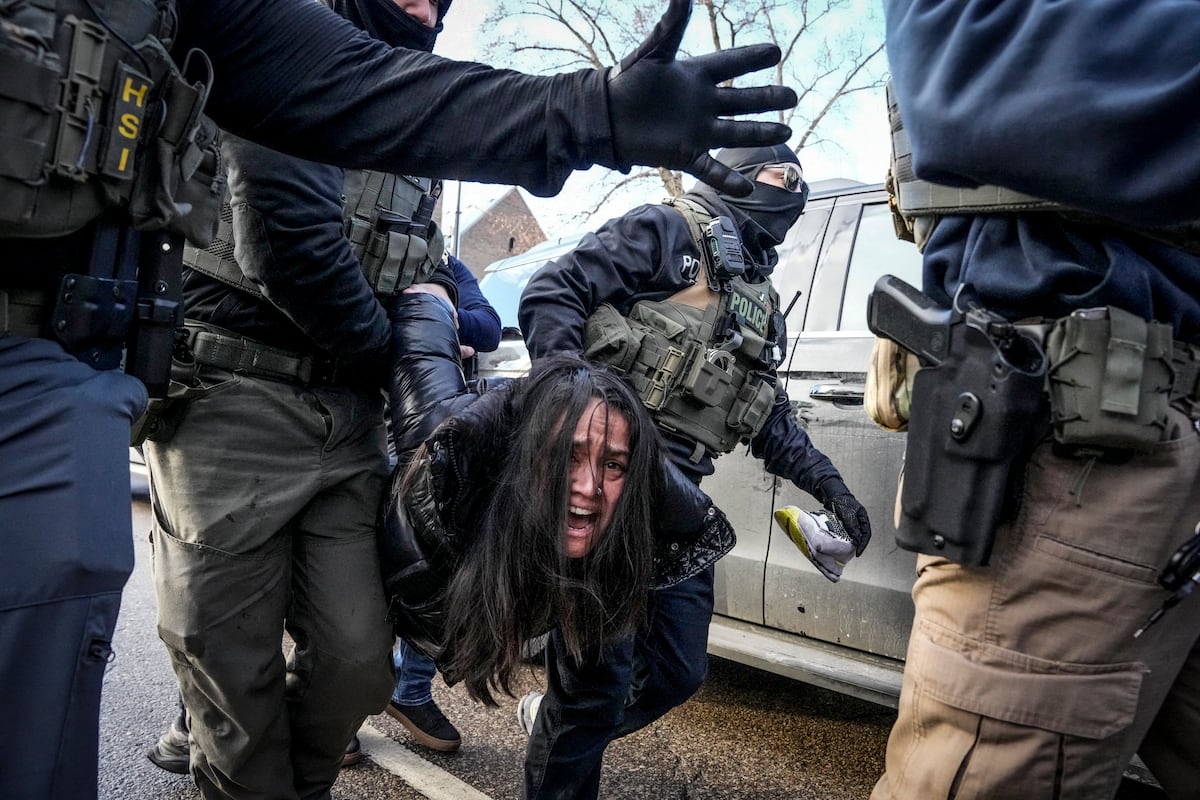
The Trump administration deported over 260 migrants to El Salvador's notorious CECOT prison, where many remain detained without legal representation, family contact, or trial access, despite lacking criminal records.
Social justice
fromThe Washington Post
3 weeks agoDeportees sent by Trump to Salvadoran prison are still stuck a year later
The Trump administration deported over 260 migrants to El Salvador's notorious CECOT prison, where many remain detained without legal representation, family contact, or trial access, despite lacking criminal records.


fromenglish.elpais.com
5 days agoMexico's Sheinbaum shakes up foreign ministry to further prioritize the relationship with Trump
Roberto Velasco embodies two qualities valued by President Claudia Sheinbaum: technical expertise and generational renewal. At 38, he is the youngest to lead the department in nearly a century.
Europe politics



France news
fromLondon Business News | Londonlovesbusiness.com
6 days agoTwo migrants dead as Channel crossing ends in tragedy amid UK-France deal talks - London Business News | Londonlovesbusiness.com
Two migrants died and one is missing after attempting to cross the English Channel, prompting a rescue operation.
Online Community Development
fromSecuritymagazine
2 weeks agoMexico Security Crisis: Never Waste a Crisis
Security crises create opportunities for leaders to secure business support for enhanced security programs, technology investments, and team expansion by demonstrating value during heightened organizational attention.

Canada news
fromenglish.elpais.com
2 weeks agoMexico's economy secretary: Our vision in the USMCA is to reduce dependence on other regions'
Mexico's Secretary of Economy Marcelo Ebrard met with U.S. Trade Representative Jamieson Greer to initiate the USMCA review, presenting Mexico's priorities including reducing regional dependence, addressing trade asymmetries, and securing supply chains.
Washington DC
fromThe Atlantic
3 weeks agoThe Border Wall Is Back
Trump's administration is rapidly constructing border wall sections through Arizona's Coronado National Memorial, demolishing mountainous terrain and threatening one of the last undeveloped U.S.-Mexico border regions with $46.5 billion in allocated funding.
SF parents
fromwww.theguardian.com
3 weeks agoOne family's harrowing escape to the US and the Trump government's relentless efforts to deport them back
A deported Honduran asylum seeker faces life-threatening danger after US immigration officials separated him from his family and expedited his deportation despite pending asylum proceedings.
#us-mexico-relations
World politics
fromwww.theguardian.com
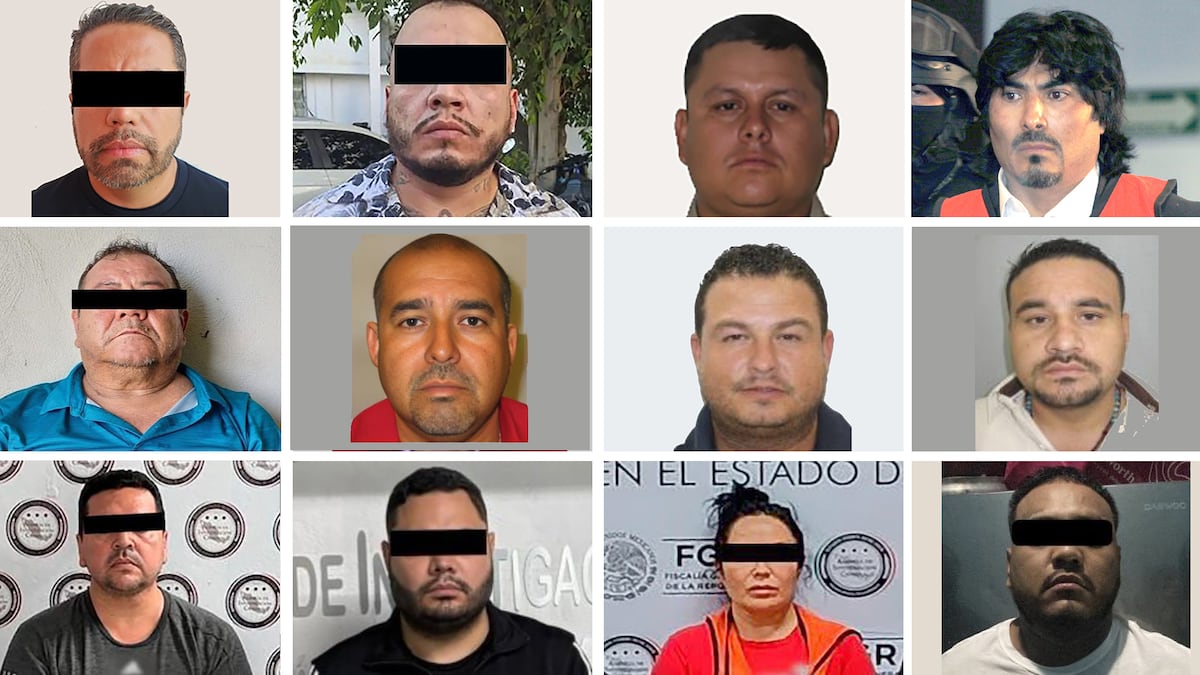
4 weeks agoMajority of Mexican cartels' guns come from US, Sheinbaum says in response to Trump claims
Mexico's president calls for US action on gun trafficking, noting 75% of cartel weapons originate from the United States, as Trump proposes military intervention against cartels.
World politics
fromwww.theguardian.com
4 weeks agoMajority of Mexican cartels' guns come from US, Sheinbaum says in response to Trump claims
Mexico's president calls for US action on gun trafficking, noting 75% of cartel weapons originate from the United States, as Trump proposes military intervention against cartels.
fromenglish.elpais.com
3 weeks agoA new crime map for Mexico
In Mexico, and in Latin America in general, crime is no longer just drug trafficking. The old paradigm where cocaine, marijuana, and heroin fueled illicit industries, especially in rural areas, has given way to a different, much more complex reality. Any economy is fair game, from avocados and limes in Michoacan to street market stalls and transportation routes in Guerrero, to the theft of gasoline from the pipelines of the national oil company, Pemex.
Madrid food
fromwww.theguardian.com
1 month agoIron river': Mexico's cartel violence fuelled by trafficked firearms from US
The ability of criminal groups to exercise this type of power and exercise this type of violence is closely linked to firearms trafficking, said Cecilia Farfan-Mendez, an expert on Mexican organised crime. If we want to see less violence in Mexico, this is a very important conversation.
World news
fromwww.theguardian.com
4 weeks agoI am trying to live': Haitians in Mexico seek community despite broken immigration systems
With time, as his research led to police intervention, he caught the attention of the city's gangs. In November 2024, during a period of escalating violence in the Haitian capital, gang members entered the compound where Gensley lived. They burned the radio station, my home and many other things in the area. They even killed his dog.
US news
Miscellaneous
fromCalifornia Post
1 month agoTerrifying cartel banner is hung across Tijuana high school near US border - after drug kingpin killed
A cartel banner supporting El Mencho appeared at a Tijuana high school days after Mexican special forces killed the drug kingpin, prompting authorities to cancel classes.
fromwww.mediaite.com
1 month agoUS Citizens in Mexico Warned to Shelter in Place' After Cartel Leader Killed
Due to ongoing security operations and related road blockages and criminal activity, U.S. citizens in the named locations should shelter in place until further notice, an alert on the U.S. Embassy website read. The warning applies to Jalisco State, including Puerto Vallarta, Chapala, and Guadalajara, as well as Tamaulipas State, including Reynosa and other municipalities. Areas of Michoacan, Guerrero and Nuevo Leon were also listed.
World news


fromwww.mercurynews.com
1 month agoWhat to know about the killing of the powerful cartel leader El Mencho' in Mexico
The Mexican army killed the country's most powerful cartel leader and one of the United States' most wanted fugitives on Sunday, notching a major victory while cartel members responded with a wave violence across the country. The killing of Jalisco New Generation Cartel leader Nemesio Oseguera Cervantes during an attempt to capture him in Jalisco state was the highest-profile blow against cartels since the recapture of former Sinaloa cartel boss Joaquin El Chapo Guzman a decade ago.
World news
fromwww.aljazeera.com
2 months agoMexico sends 37 more drug cartel suspects to US amid Trump attack threats
Mexico has sent another 37 alleged members of Mexican criminal organisations to the United States, the country's security minister said, amid US President Donald Trump's threat of ground attacks against drug cartels in the region. The handover of alleged drug cartel members on Tuesday is the third major transfer to the US in the past year and brings the total number of suspects transferred to 92.
World news


fromwww.nytimes.com
2 months agoThe Long Goodbye: A California Couple Self-Deports to Mexico
Enrique Castillejos and his wife stopped at a Winchell's Donut House. It was part of their after-church routine on Friday nights. That evening's sermon had been about finding peace in God in turbulent times, and they felt it spoke directly to them. Enrique, 63, and his wife, Maria Elena Hernandez, 55, were undocumented immigrants. Like millions of others in Southern California, they had been looking over their shoulders as federal agents conducted immigration sweeps.
US politics
fromTruthout
2 months agoThe Rio Grande Has Transformed From Environmental Haven to Militarized Border
As a child, Michelle Serrano would take trips to Boca Chica with her grandmother. From her home in Brownsville, the drive ran east through Texas wetlands and countryside before landing on miles of beach, stretching far down the Gulf Coast just above the U.S.-Mexico border. They'd spend the day there, swimming, laying out - which didn't cost anything, unlike at South Padre Island to the north. For them, it was the peoples' beach.
US politics

fromPoynter
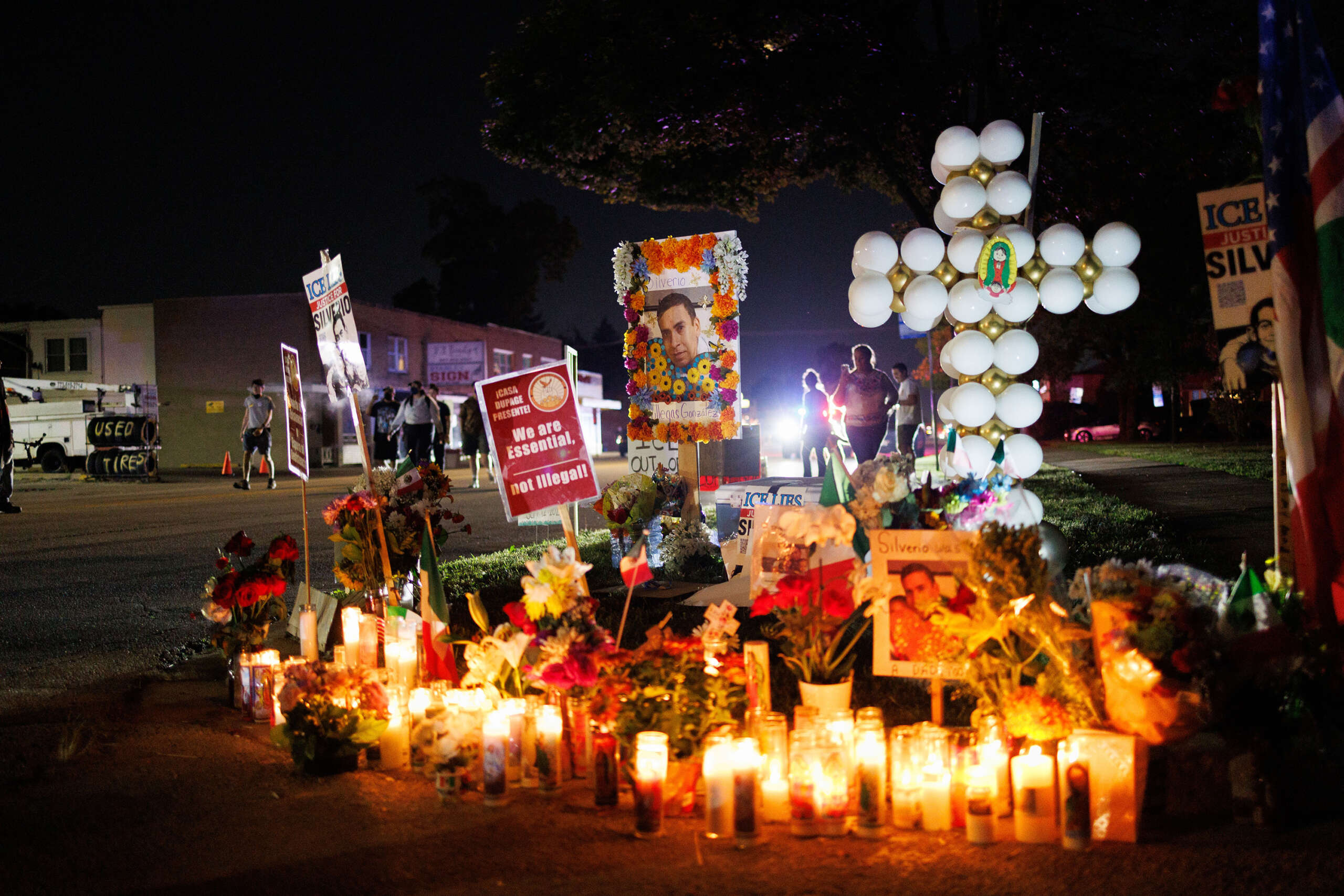
2 months agoFlorida and Texas, not Minnesota, have the highest shares of undocumented immigrants - Poynter
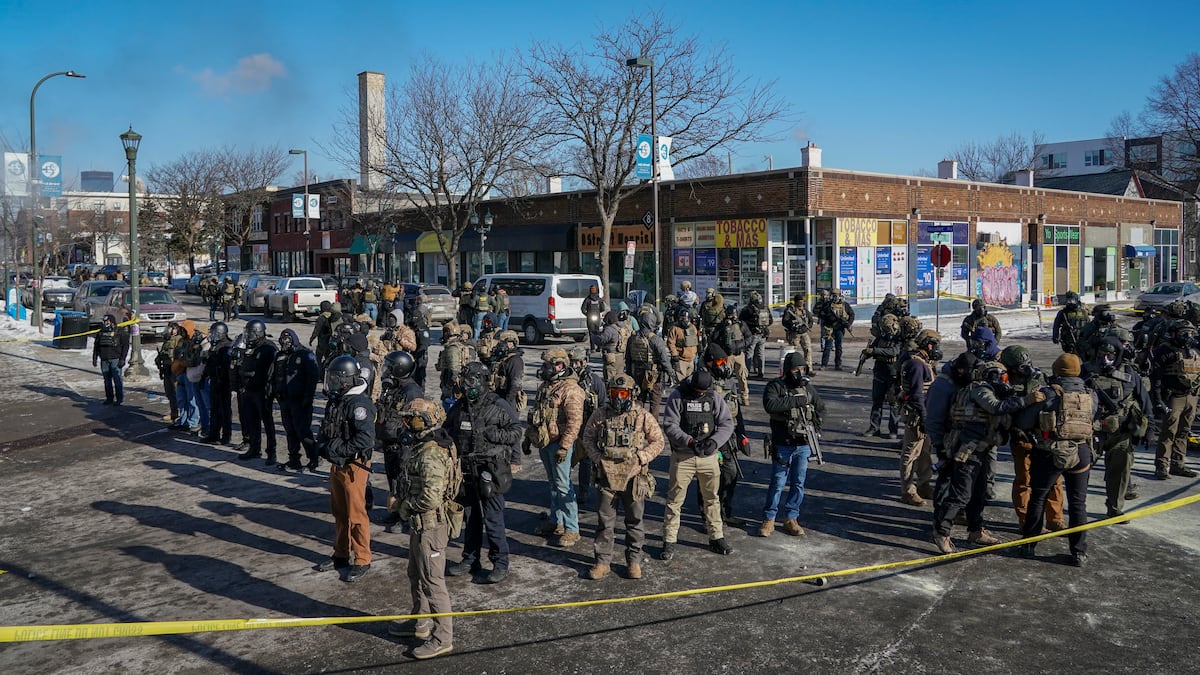
The U.S. Department of Homeland Security surged 3,000 federal immigration agents to Minnesota - a state more than a thousand miles from the southern border that's not known for having a sizable population of immigrants in the U.S. illegally - calling it the largest such operation ever. Many people have wondered: Why Minnesota? Vice President JD Vance, who visited Minneapolis on Jan. 22 to defend federal immigration enforcement, gave a misleading answer.
US politics
[ Load more ]