#michelino-sunseri
#michelino-sunseri
[ follow ]
#italian-cuisine #comfort-food #italian-american-cuisine #new-york-city #local-favorites #culinary-history

fromTasting Table
1 week agoThis Cocktail Staple Is The Secret To 'Amazing' Seafood Pasta, According To A Chef - Tasting Table
I use a lot of vermouth actually. Obviously it's a fortified wine and so therefore it has a lot of flavor. When I'm doing pastas, for example, I'm using white vermouth sometimes. If I'm doing a seafood pasta with clams, it's amazing. People are like, 'What's that flavor in there?'
Wine

Chicago
fromTasting Table
4 weeks agoThis Cozy Italian Restaurant Is A Suburban Chicago Favorite For Comfort Food - Tasting Table
Enzo & Lucia in Long Grove offers authentic Italian cuisine rooted in Northern and Southern Italian family recipes, providing suburban diners with exceptional regional Italian dishes beyond Chicago's city limits.
fromTravel + Leisure
4 weeks ago10 Best Italian Cities for Food Lovers-and the Iconic Eats They're Known For
Italian food products and cuisine have infiltrated just about every corner of the globe, but nothing compares to trying classic Italian dishes at their source-and there's so much more than pizza, pasta, and gelato. Don't expect to find the same dishes on menus all over the country. From carbonara in Rome to the best street food in Palermo, each Italian region has its own recipes.
Berlin food
LA food
fromTasting Table
3 weeks ago100 Years Ago, This Italian Deli Began Its Rise As A Southern California Landmark - Tasting Table
Bay Cities Italian Deli & Bakery, founded in 1925 and located in Santa Monica since the 1970s, remains Los Angeles's oldest Italian deli with unchanged recipes and a legendary Godmother sandwich.


fromTravel + Leisure
1 month agoThese Are the 10 Types of Restaurants You'll Find in Italy-and Why You Need to Know the Difference
Historically speaking, an osteria was a spartan, no-frills establishment where people would go to have a drink. The original osterias date all the way back to the Roman Empire. If you go to Ostia Antica or Pompeii, you find the osterias of the era. They were like bed-and-breakfasts, with rooms for rent above the dining room where people could listen to music.
Dining

fromApartment Therapy
1 month agoWhile Traveling in Italy, I Learned the Easiest Coffee Upgrade I Now Do Every Morning
On my last trip, in Bologna, I found yet another way to enjoy Italian coffee (beyond ordering a doppio). One memorable café topped its coffees with fruit powder-infused whipped cream. They were listed under a section on the menu appropriately named "caffe della gioia" (yes, "joy coffee"). These joyful mugs are topped with a generous mountain of whipped cream that can be folded with fruit- or nut powders, like pomegranate, pistachio, orange, wild berries, and aniseed.
Coffee
fromwww.theguardian.com
1 month agoBring it back': Sicilians say Antonello da Messina's Ecce Homo belongs with them
levelled much of the city. Along with homes, churches and monuments, invaluable historical sources and documents were lost, including works by Messina's greatest son, Antonello da Messina, the artist widely credited with transforming the course of Renaissance art. In the space of half a minute, a city's memory and that of one of the greatest painters in history was buried alongside its people.
Arts

fromBon Appetit
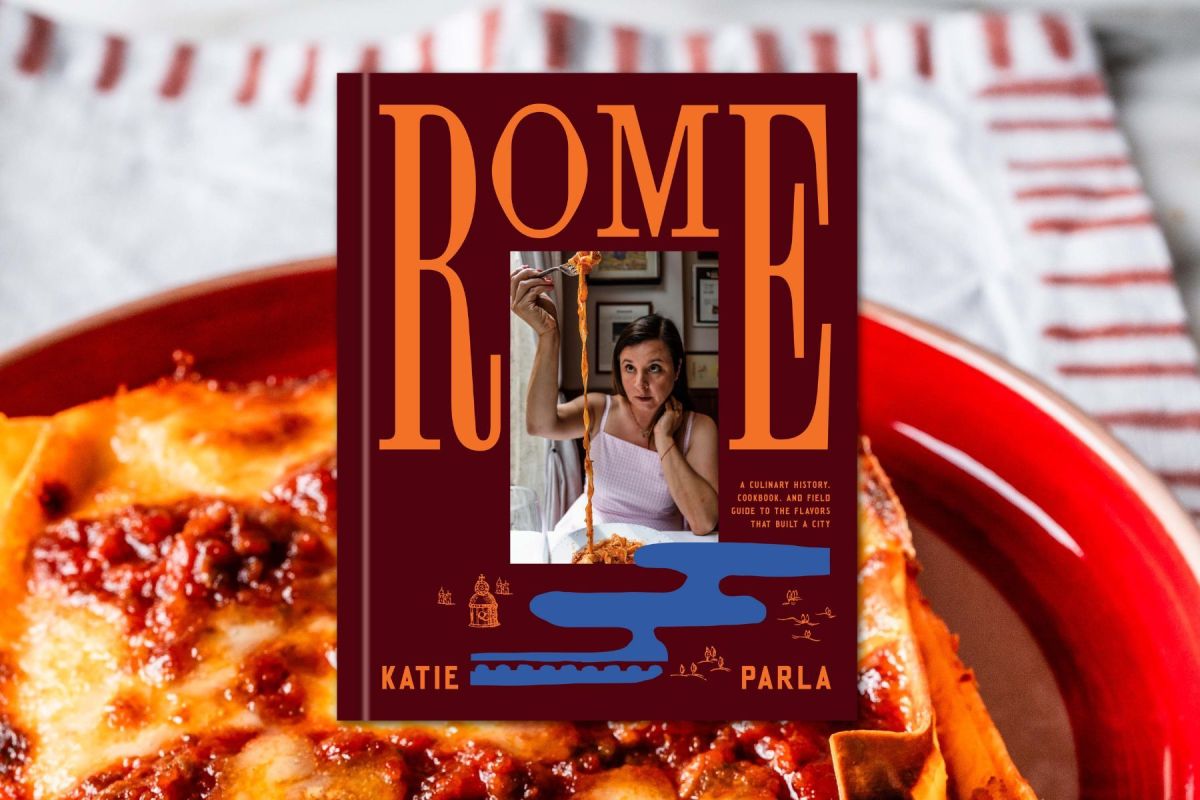
2 months agoHow Carbone Put the Red Sauce Joint on the World Stage
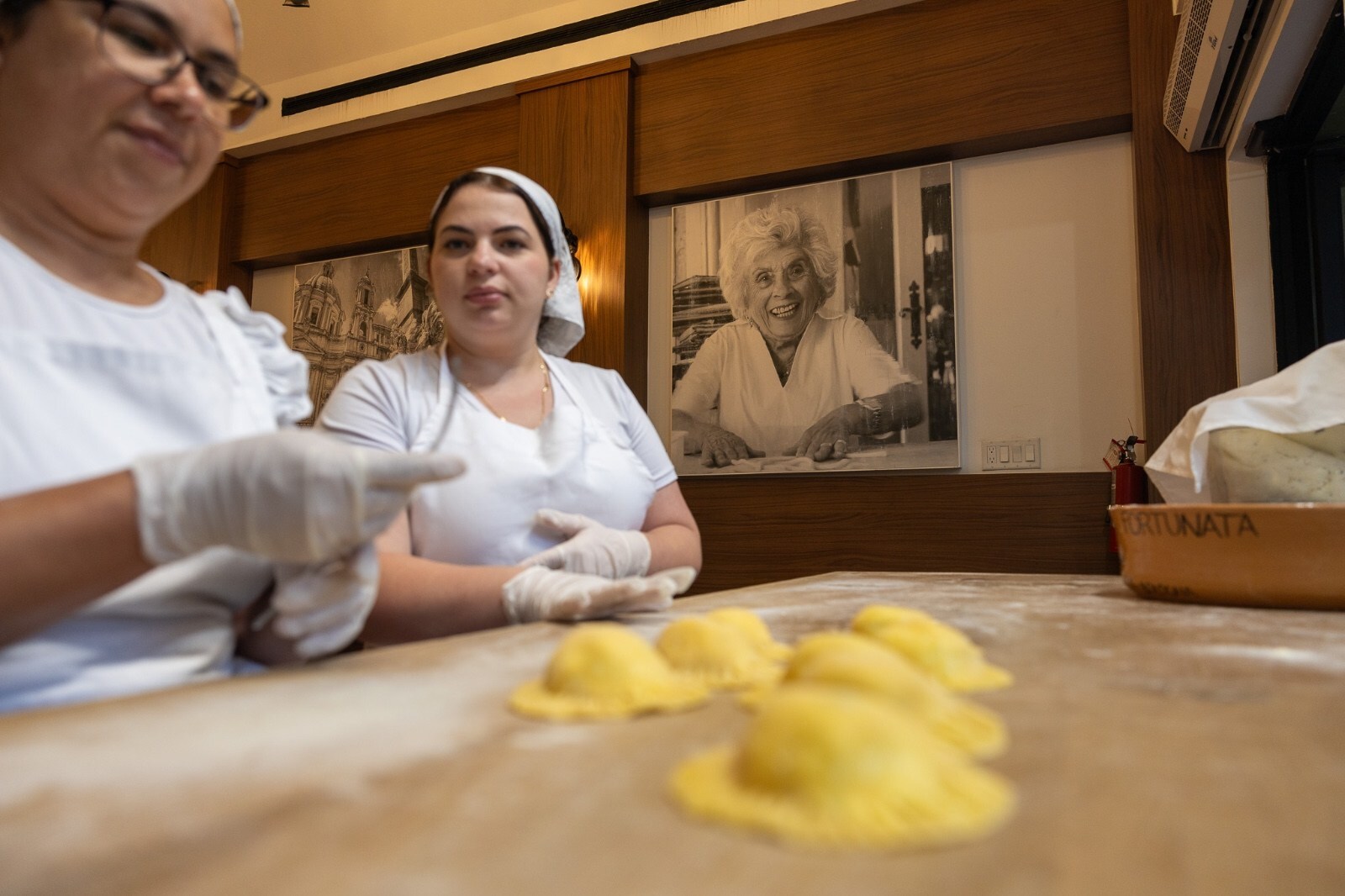
This story starts with mass migration. In the late 19th century, economic conditions in Southern Italy had deteriorated and millions of Italians set sail for America in search of opportunity and the gold-paved streets of which they'd been told. Many settled in the northeastern United States, sometimes strictly segregated by region. In New York's Little Italy, Sicilians lived on Elizabeth Street, Calabrians on Mott. The newly settled immigrants did their best to cook familiar foods with the ingredients available in this unfamiliar country. Their children did the same, and then their grandchildren. Dish by dish, Italian American cuisine was born, a hybrid culinary tradition that has become inextricably woven into our country's foodways.
Food & drink
fromwww.bonappetit.com
1 month agoAll the Recipes From Bon Appetit's Italian American Issue
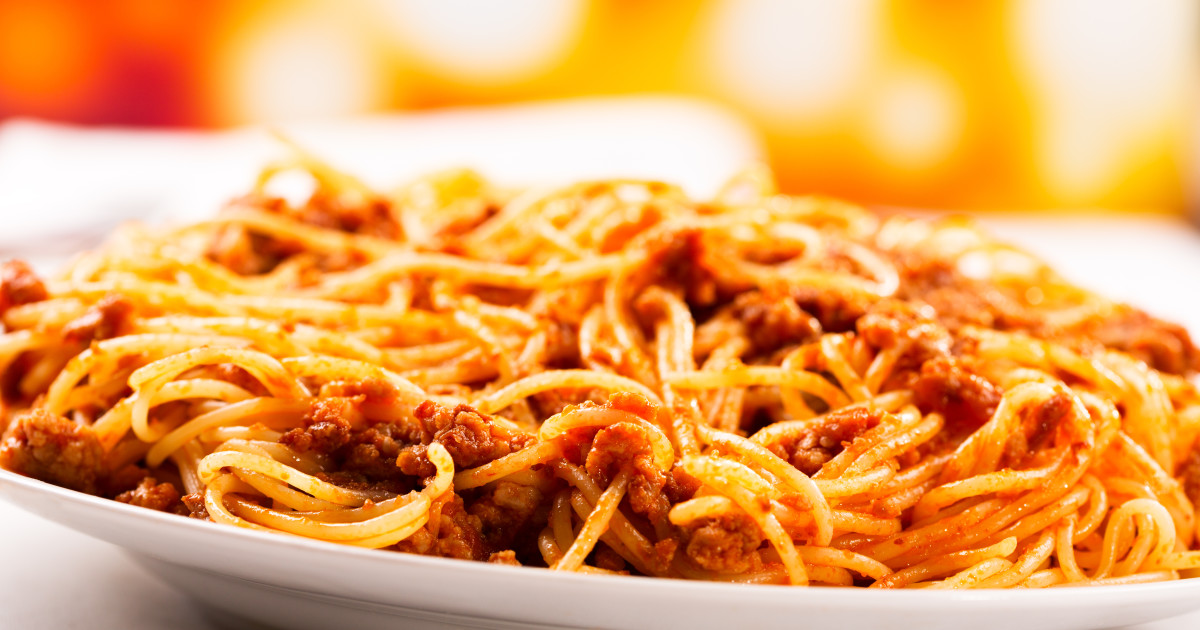
Start with our cover star, food director Chris Morocco's one-hour bolognese that uses a pantry shortcut, Chinese black bean sauce, to kick up the umami. Then make his Green Chile Puttanesca Pork Chops where jarred jalapenos and guindillos offer buzzy heat and brightness to counterweight the rich meat. Senior Test Kitchen editor Shilpa Uskokovic also shared wintry vegetable dishes that can stand on their own.
Cooking
fromwww.amny.com
2 months agoAlice highlights Italian seafood tucked away in Greenwich Village amNewYork
Alice is the kind of place you tuck into your back pocket and casually gatekeep. Perfect for a cozy date night with your favorite fling in the cityor yes, your long-term partner who still knows how to flirt. You descend beneath a historic Greenwich Village brownstone and suddenly feel like you've entered a velvet-lined jewelry box of small, glittering pleasures. Low light. Oceanic blues. Candle glow. A hum of conversation that feels conspiratorial rather than loud. The prosecco is marvelous, and it knows it.
Food & drink



fromEpicurious
2 months agoCassata Slab Cake
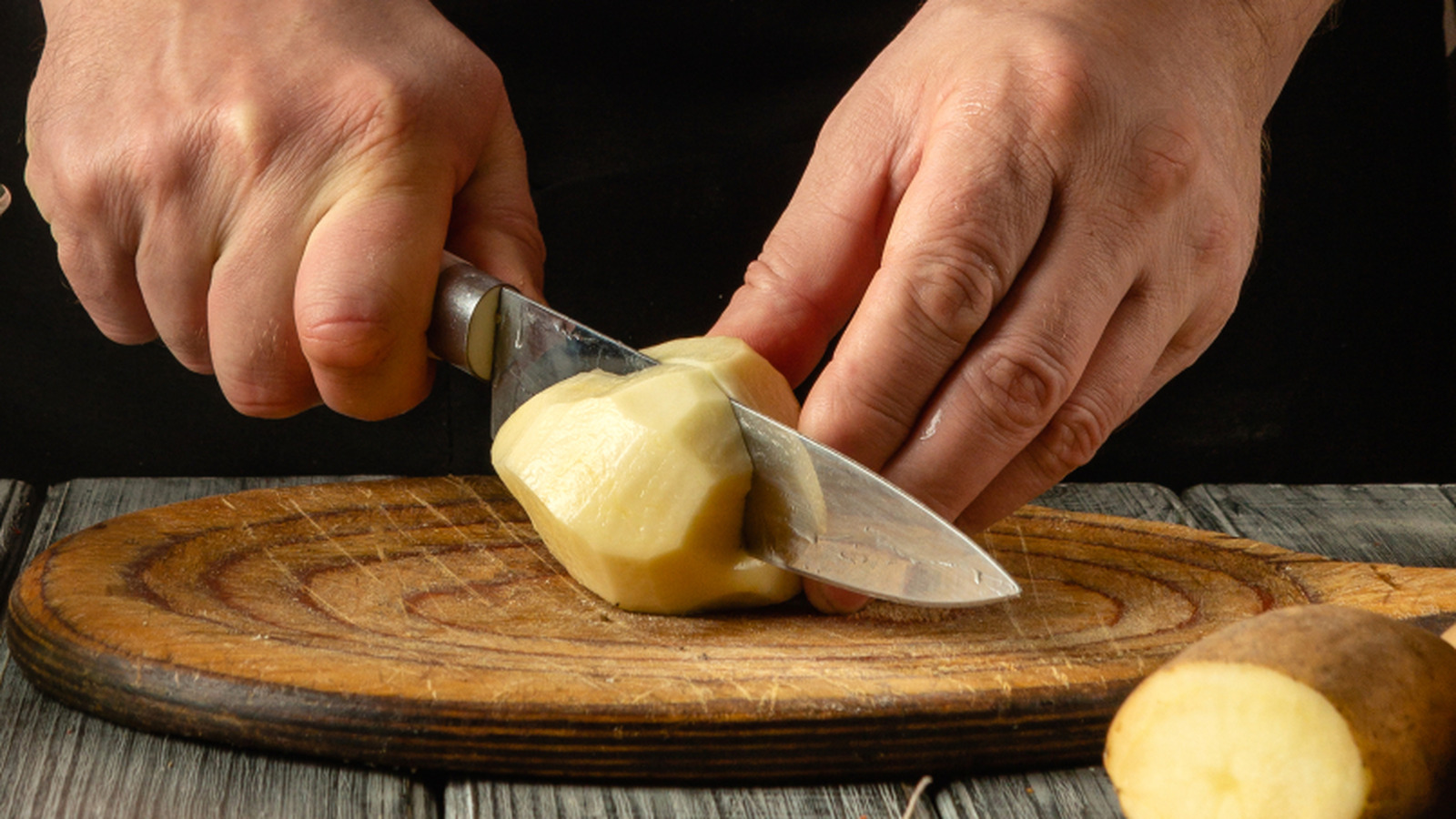
If you're unfamiliar with the unabashed pageantry that is Italian cassata, let me enlighten you. The Sicilian showstopper consists of a booze-soaked sponge cake layered with sweetened ricotta that's cloaked in a bright green marzipan cape and adorned with all kinds of candied fruit with decorative piping. It's a cake that demands attention, and one that rejects the notion that simple is best. With cassata, more is more.
Cooking
Food & drink
fromwww.theguardian.com
1 month agoA local's guide to Milan: the city's best restaurants, culture and green spaces
Simone Barlaam, Milan-born Paralympic swimmer, is a 13-time world champion, Paris 2024 multi-medalist, Milano Cortina ambassador and local guide sharing favourite Milan spots.
[ Load more ]