#migrant-struggles
#migrant-struggles
[ follow ]
#immigration #immigration-policy #deportation #migration #human-rights #trump-administration #asylum #citizenship
#migrants
France news
fromLondon Business News | Londonlovesbusiness.com
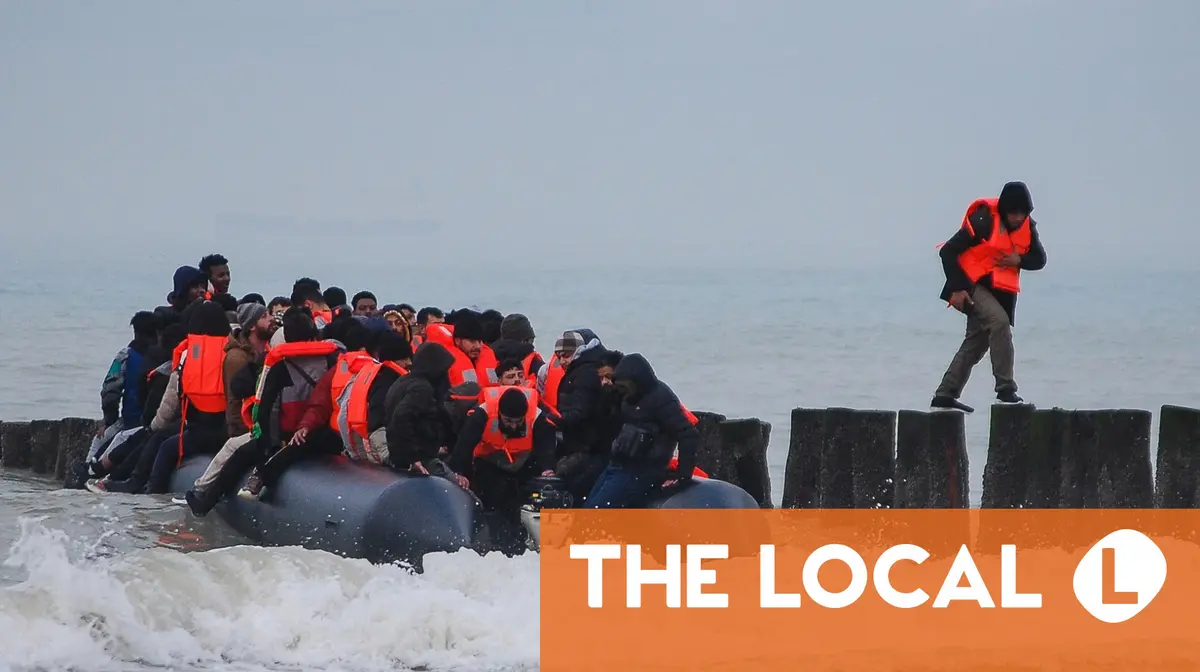
4 days agoTwo migrants dead as Channel crossing ends in tragedy amid UK-France deal talks - London Business News | Londonlovesbusiness.com
Two migrants died and one is missing after attempting to cross the English Channel, prompting a rescue operation.
#immigration

US politics
fromenglish.elpais.com
3 days agoHow Trump uses non-immigration government agencies to aid his deportation campaign
The Trump administration's new HUD regulations target undocumented immigrants in rental assistance households, risking family separation and affecting thousands of eligible citizens.


US politics
fromenglish.elpais.com
3 days agoHow Trump uses non-immigration government agencies to aid his deportation campaign
The Trump administration's new HUD regulations target undocumented immigrants in rental assistance households, risking family separation and affecting thousands of eligible citizens.



fromSilicon Canals
3 weeks agoPeople who moved countries for love and people who moved countries for work carry completely different versions of displacement. One chose a person and lost a place. The other chose a place and discovered that without their people in it, a better country can still feel like a beautiful room with no furniture - Silicon Canals
She said she stood in her new kitchen, which had radiant floor heating and a view of the fjord, and cried because the bread smelled wrong. She'd moved from São Paulo for a man she'd met at a data science conference. The apartment was beautiful. The healthcare was extraordinary. The man was kind. And the bread smelled wrong, and that wrongness cracked open something in her she hadn't known was load-bearing.
Remote teams
fromwww.theguardian.com
4 weeks agoI am trying to live': Haitians in Mexico seek community despite broken immigration systems
With time, as his research led to police intervention, he caught the attention of the city's gangs. In November 2024, during a period of escalating violence in the Haitian capital, gang members entered the compound where Gensley lived. They burned the radio station, my home and many other things in the area. They even killed his dog.
US news
fromenglish.elpais.com
3 weeks agoThe shattered dream of migrating to the US and the odyssey of returning: I was in jail for four months. That's the only way I got to know New York'
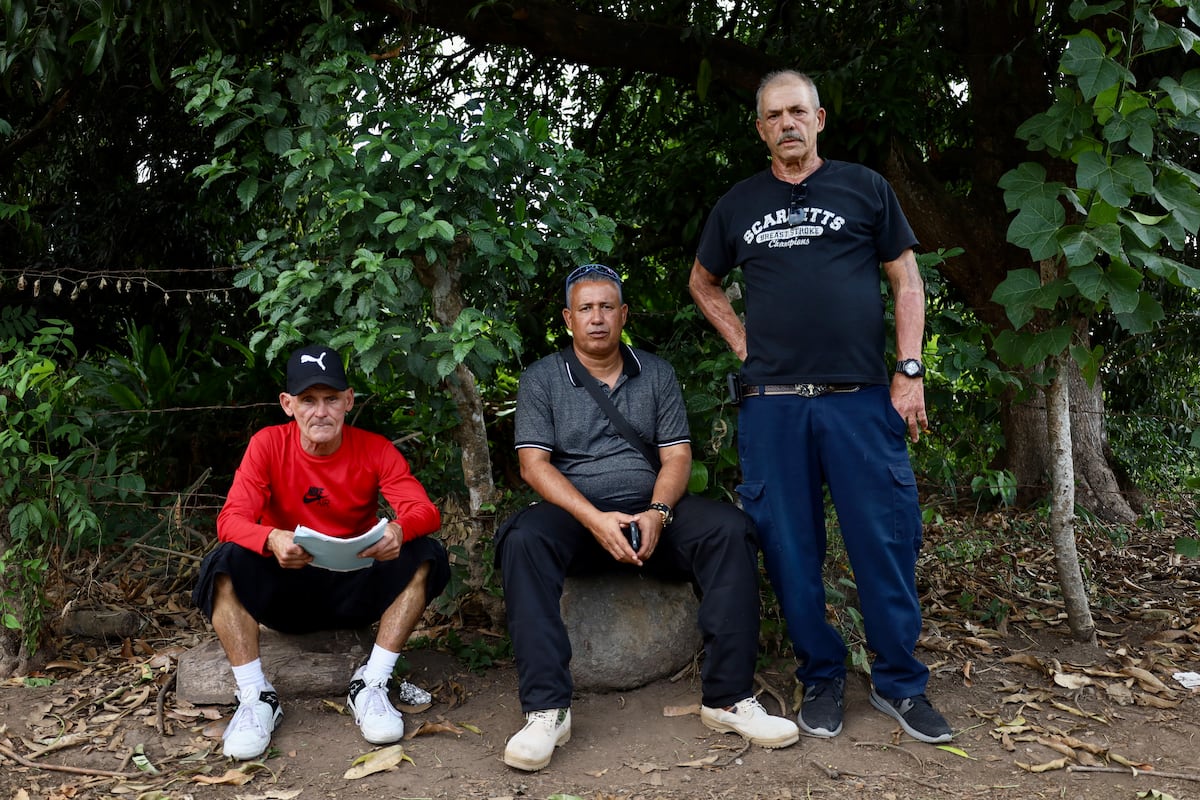
Laime Arold, a 26-year-old Haitian, buys energy bars at a small shop on the side of the Pan-American Highway in southern Chiapas, Mexico. Jose Adan, a Honduran, prays aloud in a park in Tapachula, asking God to protect him from kidnappers and the police along the way. Gerardo Aguilar, a Venezuelan, travels at 60 miles per hour, lying across two seats on a bus headed for Guatemala. The three all have something in common: they are in Mexico and they are migrants. None of them are heading north. They are heading south.
Miami food
UK news
fromLondon Business News | Londonlovesbusiness.com
3 weeks agoUK sees seven consecutive days of Channel crossings as migration surges - London Business News | Londonlovesbusiness.com
Britain recorded seven consecutive days of small boat crossings in March 2026, with 1,200 migrants arriving and 3,409 total for the year, despite new government immigration measures.
Miscellaneous
fromwww.aljazeera.com
1 month agoDeadly journeys: Refugees, migrants risk everything to reach Europe
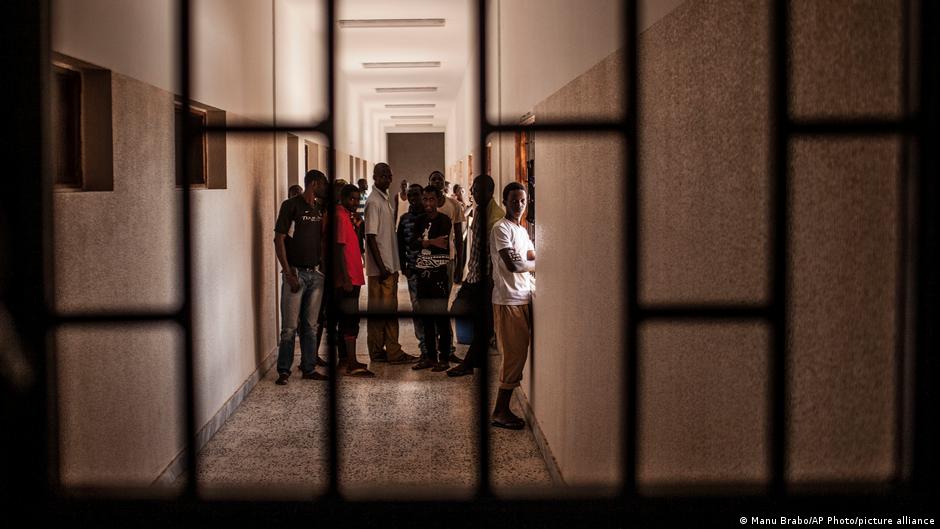
Mediterranean crossings from North Africa to Europe result in record deaths, with over 560 missing in early 2025, while refugees in Libya face systematic abuse from militias and traffickers.
Right-wing politics
fromThe American Conservative
3 weeks agoClose Foreign Consulates in U.S. Sanctuary Cities
Migrant-sending countries maintain extensive consulate networks in the United States primarily to serve their large diaspora populations, including undocumented immigrants, contributing to immigration enforcement challenges.
fromwww.dw.com
1 month agoAlmost 8,000 migrants died or vanished on routes in 2025: UN
At least 7,667 people went missing or died on migration routes worldwide last year, according to the UN's International Organization for Migration (IOM). The IOM has called for improved financial support for rescue organizations, as well as the dismantling of smuggling networks that put lives at risk.
World news
fromwww.aljazeera.com
1 month agoCitizens of Nowhere: What It Means to Be Stateless in the US
Citizens of Nowhere is a documentary short about stateless people in the United States individuals who, through circumstance or legal technicality, belong to no nation. Without passports, citizenship or legal recognition, they live in a state of uncertainty. From finding work and accessing education, to simply existing within a system that does not officially recognise them, stateless people face endless bureaucratic barriers.
Film
fromwww.dw.com
1 month agoGermany cuts funding for integration of refugees
Muge Tuzcu Karakoc is certain that without an integration course, she would probably still not have properly settled in Germany by now. The Turkish journalist has been living in Germany for seven years. But it was only in 2024, when she started studying German every day alongside Ukrainians, Syrians, and Iranians that she felt the country she now lives in really opened its doors to her.
Germany news
Miscellaneous
fromenglish.elpais.com
1 month agoTrapped in Europe's largest migrant settlement: The forces sustaining Italy's informal economy
An informal settlement near Foggia, Borgo Mezzanone houses thousands of undocumented migrants living without basic services while providing cheap agricultural labor.


fromwww.aljazeera.com
2 months agoAs EU tightens borders, Spain legalizes 500,000 migrants
Spain will provide a legal pathway for residency for migrants already living in the country. Spain's government will grant legal status to undocumented migrants currently living in the country. The decree, passed after years of grassroots campaigning, will potentially impact about 500,000 migrants and comes in stark contrast to the anti-immigration sentiment in other EU countries. Why has the Spanish government decided to embrace its migrant population now?
Miscellaneous
fromAol
2 months agoPeople smugglers' adverts removed from social media
Investigators discovered the gangs were brazenly offering to transport migrants from Calais to Dover in the back of trucks and touting it as a "taxi service". In one promotional video, three migrants are seen reclining on a mound of soft white packages inside a truck. One of the young men gives a thumbs-up to the camera. "By truck, Safe reach London UK in 2 hours," reads the caption.
UK news
fromwww.dw.com
2 months agoHow does Germany deport people?
Germany has no equivalent of the US' specialized Immigration and Customs Enforcement (ICE) agency, though that would change if the Bavarian branch of the far-right Alternative for Germany (AfD) had its way. Apparently directly inspired by the actions of ICE under President Donald Trump's administration, an internal paper from the far-right party seen by the German newspaper taz this week proposed that a new authority be created within the Bavarian state police named the Asyl-, Fahndungs- und Abschiebegruppe (AFA), or the "Asylum, Tracing and Deportation group."
Germany news
US politics
fromArchitectural Digest
2 months agoWhen Politics Drives You From Home: 5 Americans Who Uprooted Their Lives Because of the State of the Nation
Politics has become a major driver of relocation, with many Americans choosing new communities that align with their political beliefs despite logistical and emotional costs.
fromwww.dw.com
2 months agoEU asylum policy: What changes for refugees in Germany?
The Common European Asylum System (CEAS) is the European Union's legal framework to create uniform, fair, and efficient standards for processing asylum applications. The system's reform, agreed in 2024, will become legally binding in Germany and throughout the EU in June, 2026. EU member states had a two-year implementation period during which the new rules including stricter border procedures were transposed into national law.
Europe politics
[ Load more ]