#military-victory
#military-victory
[ follow ]
#iran #us-military #trump-administration #iran-conflict #military-strategy #trump #pentagon #strait-of-hormuz
#us-military

World news
fromIrish Independent
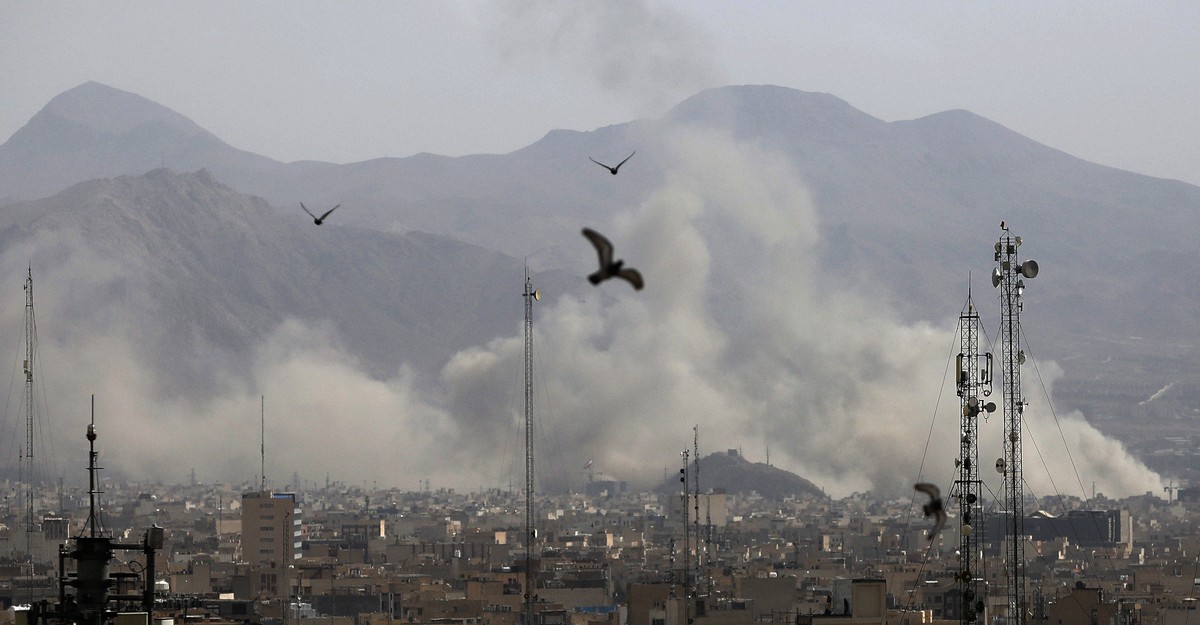
22 hours ago'Tuesday will be power plant day and bridge day' - Donald Trump says US will target Iran's infrastructure this week
A US service member missing after an Iranian attack has been rescued, according to Donald Trump, who confirmed the individual is injured but recovering.
World news
fromLondon Business News | Londonlovesbusiness.com
4 days agoUS deploys third aircraft carrier strike group to Middle East - London Business News | Londonlovesbusiness.com
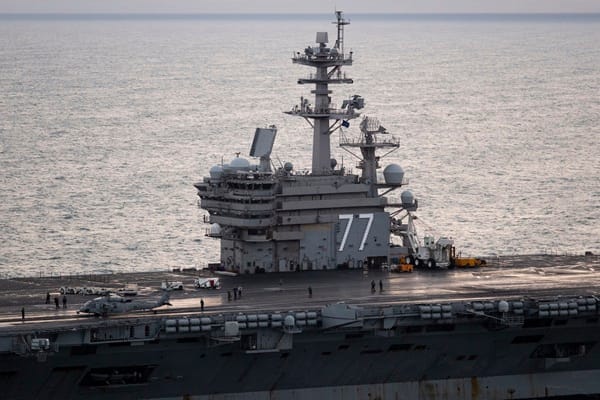
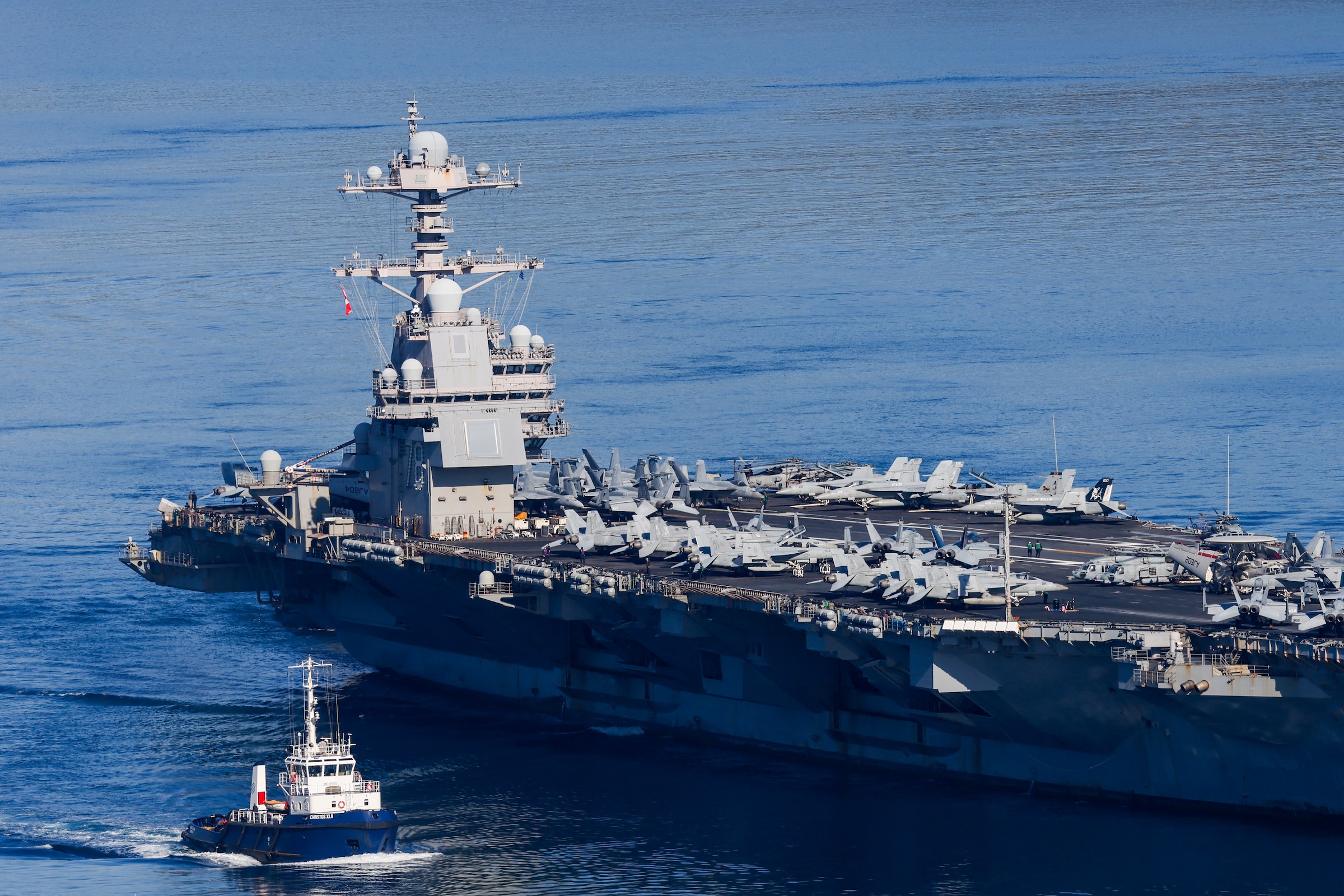
The U.S. is deploying an additional aircraft carrier strike group to the Middle East, increasing military presence amid rising tensions with Iran.

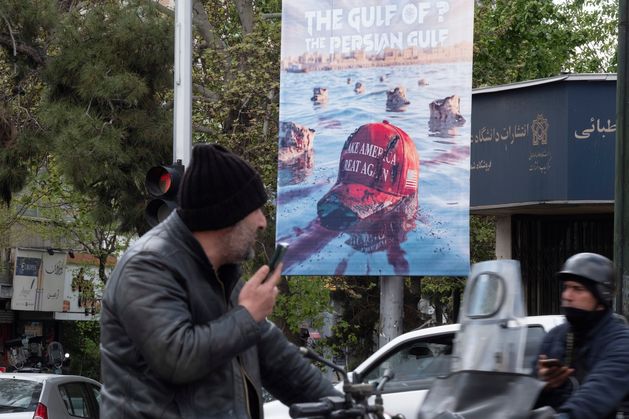


World news
fromLondon Business News | Londonlovesbusiness.com
1 day agoUS Senator is 'convinced' Trump 'will use overwhelming military force' against Iran - London Business News | Londonlovesbusiness.com
Senator Lindsey Graham supports President Trump's ultimatum to Iran, threatening military action if they do not comply by April 6.
Right-wing politics
fromFortune
2 days agoPlowshares into swords: Trump's $1.5 trillion defense surge is the largest since World War II - and no one can explain how to pay for it | Fortune
President Trump's 2027 budget proposal seeks to increase defense funding to $1.5 trillion, marking one of the largest budget increases in U.S. history.
European startups
fromwww.businessinsider.com
1 week agoThe US military is pushing up production for the weapons that could matter most in a major war
The Department of Defense is increasing production of critical weapons, including THAAD interceptors, to meet rising demand and address stockpile concerns.
World news
fromLondon Business News | Londonlovesbusiness.com
2 days agoPentagon confirms fighter jet shot down over Iran as rescue mission underway - London Business News | Londonlovesbusiness.com
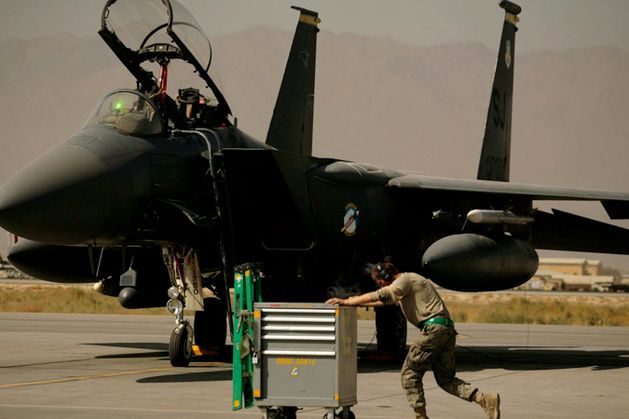
An F-15E Strike Eagle was shot down over Iran, initiating a combat search and rescue operation for its two crew members.

History
from24/7 Wall St.
3 weeks ago25 Weapons That Changed Warfare Over the Last Century
Technological breakthroughs over the last century transformed warfare by introducing tanks, missiles, stealth aircraft, and precision-guided weapons that forced armies to continuously adapt tactics and reshape military doctrine globally.
#defense-spending
Business
from24/7 Wall St.
3 weeks ago3 Defense Stocks Built for the New Era of National Security Spending
Defense spending is shifting structurally, with investors identifying companies positioned to capture the next decade of growth through diversified funds, nuclear propulsion specialists, and emerging defense technology providers.
from24/7 Wall St.
3 weeks agoThe Warplanes and Ordinance That Carried Out Operation Epic Fury
Air campaigns today are built around cooperation between many different aircraft, each performing a specific task. Stealth fighters lead the way into contested airspace, electronic warfare aircraft disrupt enemy radar, and bombers or strike fighters deliver precision weapons. Supporting aircraft provide intelligence, command and control, and the fuel needed to keep the entire operation moving.
Roam Research
Left-wing politics
fromThe Atlantic
3 weeks agoThe Pentagon Cut Its Civilian Safeguards Before the Iran War
The Trump administration has dramatically reduced military personnel focused on civilian protection, cutting staff by 90 percent and dismantling infrastructure designed to minimize civilian casualties in military operations.
fromemptywheel
3 weeks agoGreat Tactics Mean Nothing if You Have No Strategy - emptywheel
The conduct of War is, therefore, the formation and conduct of the fighting. If this fighting was a single act, there would be no necessity for any further subdivision, but the fight is composed of a greater or less number of single acts, complete in themselves, which we call combats, as we have shown in the first chapter of the first book, and which form new units.
US politics
fromThe Cipher Brief
3 weeks agoThe Future of War Is Now: What Washington Needs to Hear from the Battlefield
I have been working in Ukraine since 2019, first as an active Green Beret advising in an official capacity, then after leaving that service, directing special operations on the ground and more recently carrying hard-won lessons back to NATO before they are forgotten or overtaken by the next news cycle.
Washington DC
fromwww.aljazeera.com
3 weeks agoHow corporations have collaborated with US military over the decades
Our war fighters are leveraging a variety of advanced AI tools. These systems help us sift through vast amounts of data in seconds so our leaders can cut through the noise and make smarter decisions faster than the enemy can react. Humans will always make final decisions on what to shoot and what not to shoot and when to shoot, but advanced AI tools can turn processes that used to take hours and sometimes even days into seconds.
Artificial intelligence
Right-wing politics
fromThe American Conservative
3 weeks agoIs It Still the Department of 'War' or Not?
The Trump administration renamed the Department of Defense to Department of War and subsequently engaged in military conflict with Iran while Republican Congress members avoided formally acknowledging it as war.

fromThe Washington Post
1 week agoU.S. uses hundreds of Tomahawk missiles on Iran, alarming some at Pentagon
The U.S. military has fired more than 850 Tomahawk cruise missiles in four weeks of war with Iran, burning through the precision weapons at a rate that has alarmed some Pentagon officials.
World news
fromMail Online
3 weeks agoHistorian reveals the three signs that a world war has already begun
Anthony Glees, Emeritus Professor at the University of Buckingham, called the US and Israeli decision to attack Iran a 'war of choice' and the first red flag which previously led to the last two world wars. He claimed that the conflict in the Middle East did not start out of necessity or self-defense, but as a deliberate decision by two leaders focused on gaining power and keeping it.
World politics
fromwww.mediaite.com
1 month agoTrump Touts US Can Fight Wars Forever' Thanks to Virtually Unlimited' Weapons Supply
The United States Munitions Stockpiles have, at the medium and upper medium grade, never been higher or better. He added that the US has a virtually unlimited supply of these weapons, insisting, Wars can be fought forever,' and very successfully, using just these supplies.
US Elections
fromenglish.elpais.com
1 month agoDoes the United States have enough munition for a prolonged war?
We've got no shortage of munitions. Our stockpiles of defensive and offensive weapons allow us to sustain this campaign as long as we need. Iran is hoping that we cannot sustain this, which is a really bad miscalculation.
US politics
Artificial intelligence
fromAxios
1 month agoPentagon flexes military muscle with new weapons in Iran
U.S. military deployed advanced weapons systems including AI tools, precision missiles, F-35 fighters, and submarines in recent operations, marking significant combat milestones and technological achievements.
US politics
fromFortune
1 month agoPentagon officially defines Anthropic as 'supply chain risk' | Fortune
The Trump administration designated Anthropic as a supply chain risk, forcing government contractors to stop using Claude AI due to national security concerns over surveillance and autonomous weapons capabilities.
US politics
fromwww.mediaite.com
1 month agoTop Trump Pentagon Official Says He's Not The Right Person' to Ask If the US Is At War
The Trump administration uses inconsistent terminology regarding military action against Iran, with officials avoiding formal war declarations while the president and Defense Secretary describe operations as war.
World politics
fromBusiness Insider
1 month agoThe war with Iran is more evidence that winning the fights you can't see is critical in modern combat
US military operations increasingly rely on space and cyber forces to disrupt enemy capabilities before kinetic strikes, making non-kinetic warfare critical to modern combat effectiveness.
US politics
fromNextgov.com
1 month agoPrivate sector, former military leaders urge Congress intervene in Pentagon-Anthropic dispute
A coalition of 35 professionals urged Congress to investigate the Pentagon's conflict with Anthropic over AI safety guardrails, blacklisting, and concerns about autonomous weapons and domestic surveillance.
World politics
fromFortune
1 month agoU.S. has shown China and Russia 'who really is a military power', says Trump's former commerce secretary-don't expect them to get involved in Iran | Fortune
China and Russia have condemned U.S.-Israel military action against Iran but offered no substantive support, indicating limited strategic interest in intervening in Middle Eastern conflicts.
Artificial intelligence
fromThe Hacker News
1 month agoPentagon Designates Anthropic Supply Chain Risk Over AI Military Dispute
The Pentagon designated Anthropic a supply chain risk after the AI company refused to allow mass domestic surveillance and autonomous weapons development using its technology.
fromThe New Yorker
1 month agoThe End of Limits on a President's Wars
In no part of the constitution is more wisdom to be found than in the clause which confides the question of war or peace to the legislature, and not to the executive department. Madison, the primary author of the Constitution, emphasized that vesting war powers in Congress rather than the President represented a crucial safeguard against concentrated executive authority and the potential for individual flaws in judgment affecting national security decisions.
US politics
fromInfoWorld
2 months agoStop treating force multiplication as a side gig. Make it intentional
Lead without authority. You may not have direct reports, yet you shape architecture, quality and the roadmap. Your leverage comes from artifacts, reviews and clear standards, not from title.I started by publishing a lightweight architecture template and a rollout checklist that the team could copy. That reduced ambiguity during design and cut review cycles by nearly 30 percent
DevOps
fromTheregister
3 weeks agoPentagon praises Palantir tech for battlefield strike speed
So we've gone from identifying the target to now coming up with a course of action, to now actioning that target, all from one system. This is revolutionary. We were having this done in about eight or nine systems where humans were literally moving detections left and right in order to get to our desired end state, in this case closing a kill chain.
World news
from24/7 Wall St.
2 months agoWeapons That Became Liability Issues Instead of Force Multipliers
Military weapons are designed to give commanders an advantage, but that advantage is rarely permanent. Systems that once multiplied combat power can become burdens as threats evolve, environments shift, and missions change.Some weapons begin to demand more protection, maintenance, or political consideration than the value they provide. Here, 24/7 Wall St. is taking a closer look at the weapons that became liability issues instead of force multipliers.
Science
fromwww.mediaite.com
1 month agoTrump WH Gives Update Day After Launching Another New Military Operation
On March 3rd, Ecuadorian and U.S. military forces launched operations against Designated Terrorist Organizations in Ecuador. The operations are a powerful example of the commitment of partners in Latin America and the Caribbean to combat the scourge of narco-terrorism. Together, we are taking decisive action to confront narco-terrorists who have long inflicted terror, violence, and corruption on citizens throughout the hemisphere.
World news
fromThe American Conservative
2 months agoCommander-in-Tired
Though the 83-year-old (who will turn 84 in two weeks) is rarely spotted in the Capitol these days, his vocal opposition to President Donald Trump on a myriad of issues is louder and more present than ever when deemed useful for the motivated liberal press. For instance, McConnell was quoted far and wide last month after he criticized Trump's desire to acquire Greenland, a move the Kentuckian suggested would "incinerate" the threadbare alliance that remains between the United States and NATO.
Right-wing politics
Artificial intelligence
fromBusiness Insider
1 month agoUS Army leaders say soldiers are drowning in so much battlefield data that AI is needed to make sense of it all
Army AI prototype processes vast battlefield sensor data, retaining context and patterns humans miss, to reduce information overload and improve decision-making.
US politics
fromNextgov.com
2 months agoThe revolutionary new weapon in the Pentagon's pocket - and why it matters now more than ever
Transforming Pentagon acquisition processes to remove administrative burdens will enable U.S. companies to deliver cutting-edge military capabilities faster, producing a decisive battlefield advantage.
fromBusiness Insider
1 month agoHow the US military Is preparing for a potential war with Iran
The US is mounting its largest military buildup in the Middle East since 2003. Here's a list of the weapons and hardware that it's sent to the region as the Trump administration pressures Iran to strike a deal that would limit its nuclear and military capabilities.At least a dozen warships collectively worth an estimated $50 billion have been deployed to the region.
World news
US politics
fromwww.mediaite.com
2 months agoEx-Pentagon Chief On CNN Slams Trump Admin Disguising Military Plane as Civilian Aircraft In Attack
U.S. used a military aircraft disguised as a civilian plane to strike an alleged drug-smuggling boat near Venezuela, killing 11 people and prompting legal questions.
fromBusiness Insider
2 months agoThe 25 largest militaries in the world, ranked by active troops
Active-duty force size is a tally of a country's uniformed troops: airmen, soldiers, sailors, special operators, and Marines. Armies, in particular, depend on size to gain and occupy ground. Militaries can also be a tool of domestic repression, a focus that undercuts its capabilities against an external foe. North Korea, for example, is one of the world's most repressive states, led by a dictator who has repeatedly threatened neighboring South Korea.
World news
World news
fromBusiness Insider
2 months agoUS wins against Russian and Chinese air defenses in other countries risk teaching the wrong lessons
US forces destroyed Venezuelan Russian- and Chinese-made air defenses during a complex raid, aided by operator, maintenance, and cohesion failures—success may not generalize.
[ Load more ]