Environment
fromFast Company
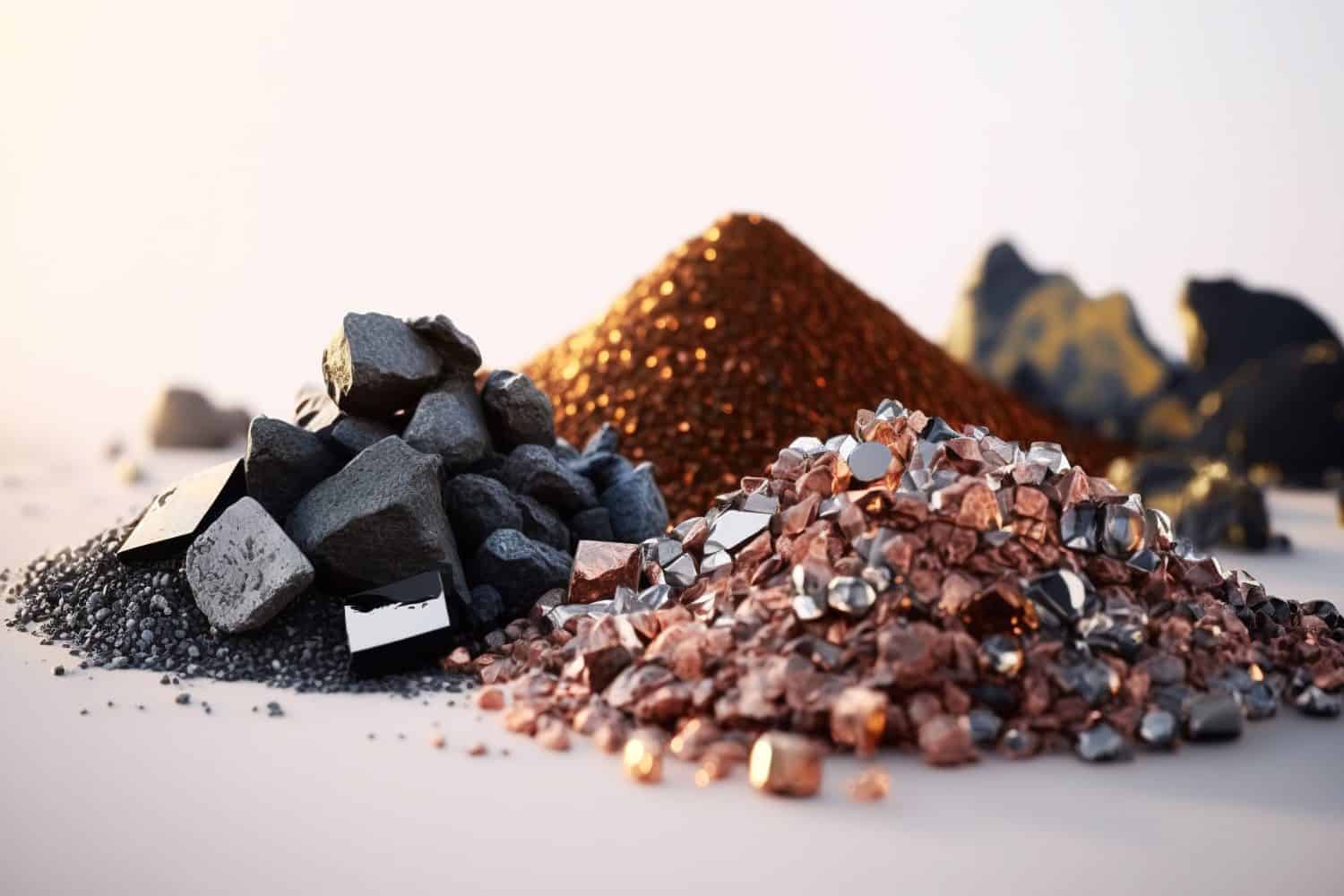
1 day agoCritical minerals are required to power AI data center demand
AI is driving unprecedented demand for energy storage solutions, particularly batteries, to support data centers and ensure grid stability.
In late 2025, the United States shocked the world by suspending global health aid, leading experts to predict 700,000 additional deaths annually, primarily among children. This prompted the US to propose unusual bilateral health agreements with developing countries, which have drawn criticism for being exploitative.
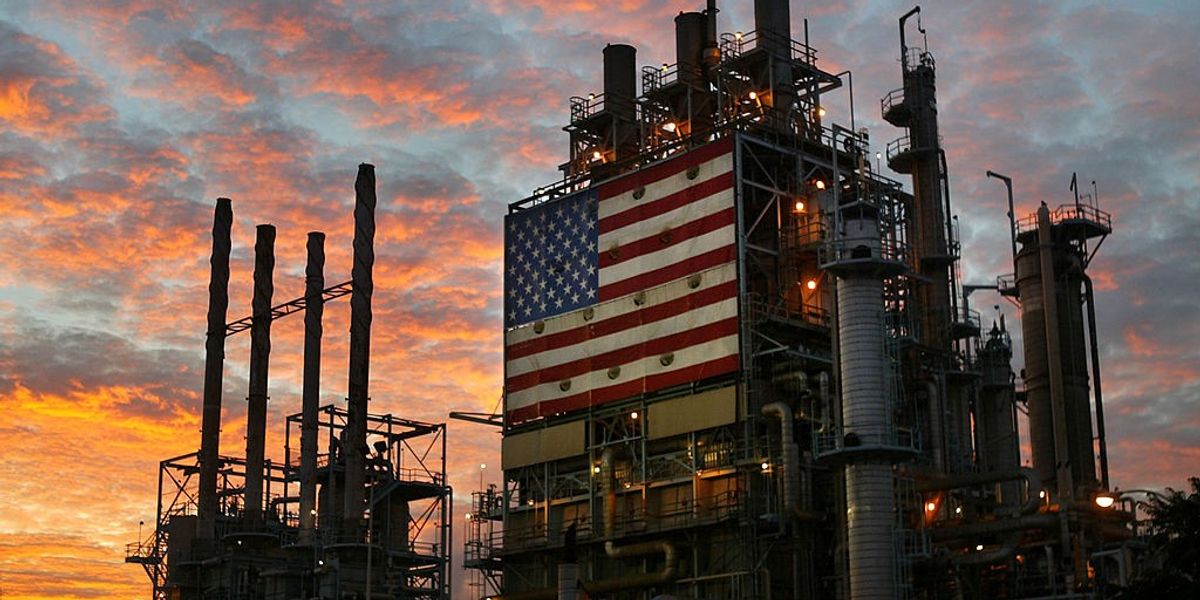
South Korea imports about 45 percent of its naphtha, a critical petrochemical feedstock, with roughly 77 percent of those imports historically arriving from the Middle East. That supply line is now, for all practical purposes, severed.
The launch of xU3O8-based lending on the DeFi aggregator Oku allows investors to access liquidity in USDC without selling their underlying physical uranium positions, enhancing capital efficiency.
In the silent vacuum of space, five autonomous robots churn through the lunar surface, digging up a loose layer of rock and dust and leaving rows of uniform tracks in their wake. Stopping only to recharge at a central solar power station, the car-sized machines process the lunar dirt internally to extract a type of helium so rare on Earth that a palm-sized container is estimated to be worth millions.
"This is truly one of the most iconic landscapes in America," said Chance Wilcox, California desert program manager for the National Parks Conservation Assn., as he stood atop a rocky slope within the project footprint.
BMO believes Americas Gold has the expertise to execute its optimization strategy, particularly at the Galena Complex, and sees the company's approach increasing free cash flow generation as production grows organically.
Global helium consumption runs about 6 billion cubic feet per year. Qatar supplied a big slice until this month. With one-third of output sidelined, prices have already soared.
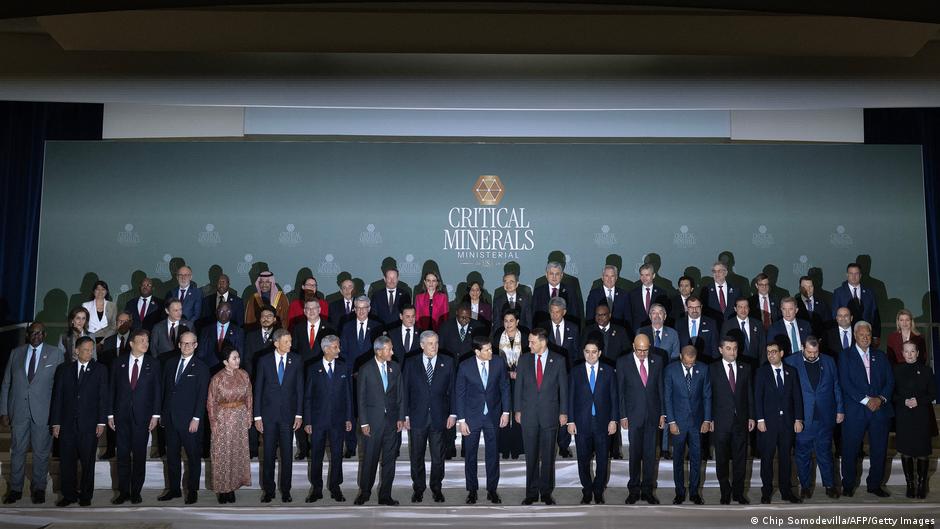
China controls the overwhelming majority of global rare earth processing capacity, a figure that has remained structurally stable for nearly two decades despite sustained Western policy attention. The problem has never been geology. It's always been industrial chemistry at scale.
U.S. financial markets experienced a volatile week, largely influenced by geopolitical developments in the Middle East and fluctuations in energy prices. Investor sentiment was driven primarily by external events rather than domestic fundamentals.
Korea Zinc, which it described as one of the world's largest smelters, is in talks with major US technology firms to recycle data center waste and extract rare earth. The move comes almost one year to the day after China announced immediate export controls on seven more rare earth elements critical to enterprise IT hardware manufacturing.
The current decline in silver prices is not merely a temporary correction, but a deeper repricing of market expectations regarding the path of U.S. interest rates, which remains the most influential factor in the short term for non-yielding assets.
It's a little-known fact that Columbia University, in Manhattan, was home to the first mining school in America-the School of Mines-founded in 1864. For the past three decades, the university's program has been mothballed. Parts of its curriculum were subsumed into the more fashionable subjects of earth and environmental engineering. But next fall, Columbia University will offer a bachelor of science degree in mining engineering once again.
When geopolitical stress spikes, gold and silver are where nervous capital runs. And right now, there's plenty to be nervous about. Geopolitical tensions, including the ongoing Iran war reshaping energy markets, U.S. actions related to Venezuela, and global trade and tariff uncertainty, are pushing investors into gold and silver as stores of value.
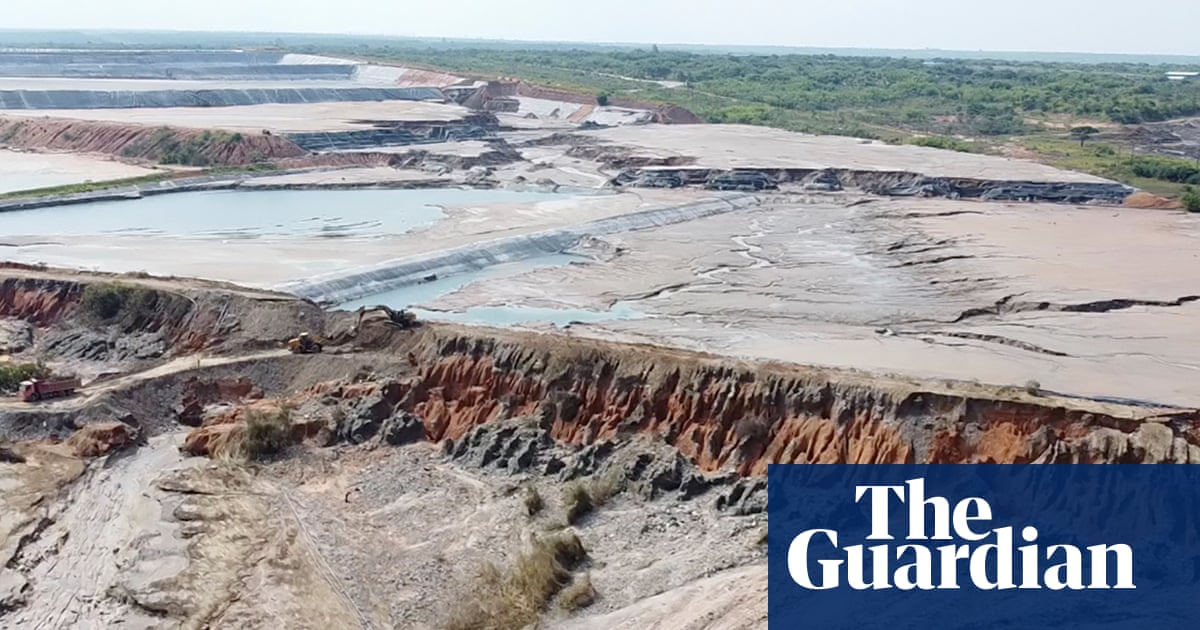
A former miner at the site told The Associated Press there have been repeated landslides because the tunnels are dug by hand, poorly constructed, and left without maintenance. "People dig everywhere, without control or safety measures. In a single pit, there can be as many as 500 miners, and because the tunnels run parallel, one collapse can affect many pits at once," Clovis Mafare said.
After nearly a decade spent transforming Endeavour Mining into one of the world's ten largest gold producers, de Montessus is returning to what has long defined his career: building scale, discipline and credibility in frontier markets where volatility is the rule rather than the exception.
Demand for lithium is fueling a modern-day gold rush. The industries that define our modern world, like artifiial intelligence (AI), robotics, EVs, and energy, all depend on lithium, which is used to make batteries and other energy storage systems. Microsoft CEO, Satya Nadella believes that the AI race will be won based on energy costs, not on who has the best models.That's why lithium demand is projected to grow a staggering 5X by 2040.
Why it matters: Positive stock performance helps explain why so many free-market capitalists have signed onto something that seems more socialist than not. And why others will do so when given the opportunity. By the numbers: The White House appears to have agreed to equity deals with nine companies, most which are publicly traded. The public cohort saw their share prices climb an average of 85% between the time of announcement (or press leak, if earlier) and yesterday, per an Axios analysis.