#miramax
#miramax
[ follow ]
Graphic design
fromItsnicethat
4 days agoCalifornia Dreaming: The latest issue of A Rabbit's Foot is about the inventors and innovators of our movie-making culture
A Rabbit's Foot magazine celebrates the future of film and artistic craftsmanship while exploring California's innovative cultural landscape.
fromIndieWire
4 days agoYou Can't Make a 'Cult Classic' with Marketing - Opinion
'Forbidden Fruits' has been widely hailed as a 'cult classic' by critics and fans, but labeling it as such too soon risks undermining the process that establishes a film's cultural significance over time.
Independent films
Media industry
fromIndieWire
3 weeks agoIf You've Been Waiting for Normal in Hollywood, Here It Is
YouTube surpassed Disney as the world's largest media company while accomplished independent producers like Ted Hope struggle to find industry support, signaling a fundamental shift in entertainment's structure and sustainability.
Independent films
fromwww.mercurynews.com
1 month agoPixar filmmakers really gave a dam about making Hoppers' authentic
Pixar's Hoppers prioritizes comedy and entertainment through a collaborative creative process where a teenage activist's consciousness transfers into a robotic beaver fighting to save a pond habitat.
Film
fromSlate Magazine
2 weeks agoHe Was the Losingest Filmmaker in Oscars History. To Finally Triumph, He Changed Something.
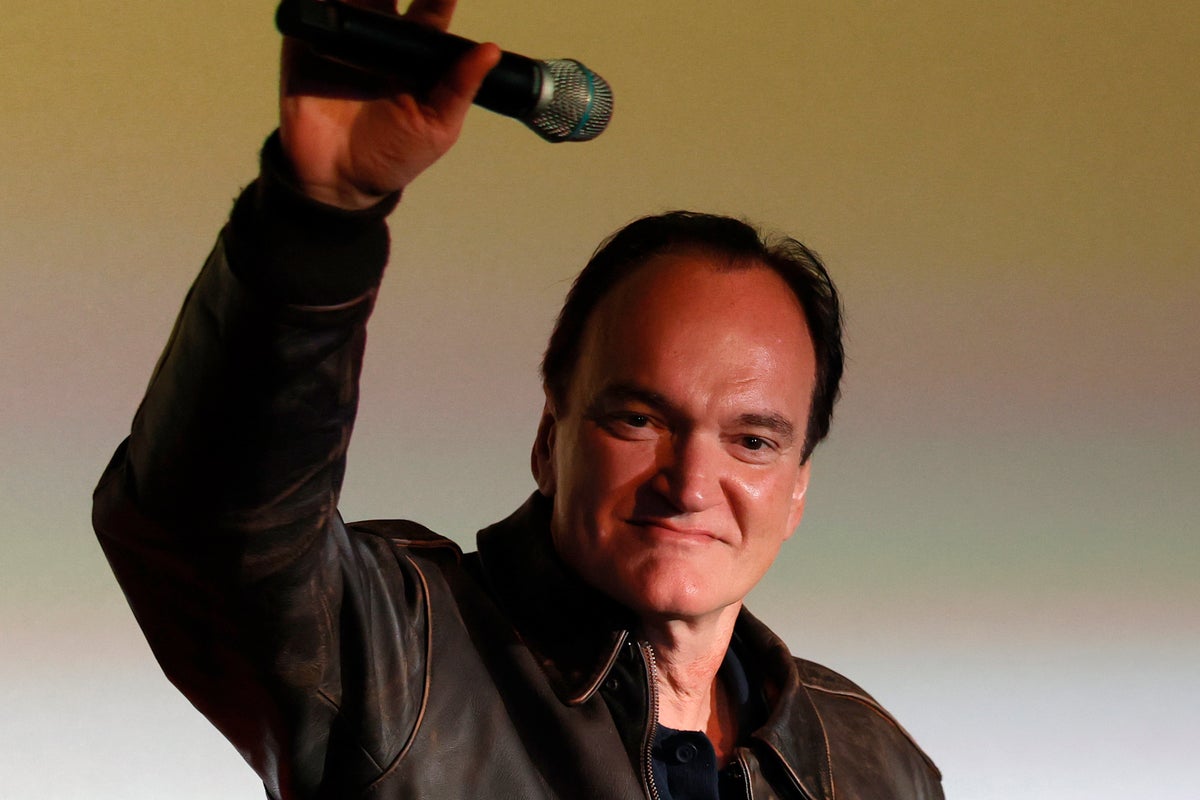
Paul Thomas Anderson ended his record 0-11 Oscar losing streak by winning three awards for One Battle After Another, including Best Director, after years of nominations without victories.
Film
fromEntrepreneur
3 weeks agoThis Cult Filmmaker Learned Something About Audiences Every Entrepreneur Needs to Know'Make Them Feel Something'
Kevin Smith built a personal brand by connecting directly with fans, which created lasting career opportunities beyond individual film projects in an unpredictable industry.
fromVulture
4 weeks ago17 Movies With Exclamation-Point Titles, Ranked!
During a junket interview with OutNow, Gyllenhaal explained that the punctuation mark was included to represent the "whole lot of energy" that comes out when the historically muted Bride of Frankenstein is finally allowed to speak. That's all well and good, but to viewers the titular exclamation point is less of a metaphor and more of a golden arrow saying, "This movie is going to be crazy."
Film
Film
fromInsideHook
1 month agoOf Course Oscar Voters Still Aren't Watching All the Movies
The Academy's new requirement for voters to certify they've watched all nominated films relies on an honor system that voters are openly admitting to circumventing through false attestations and technical loopholes.
fromThe Independent
1 month agoSpielberg, Coppola and Lucas: The toxic friendship that built modern Hollywood
George Lucas should have died. It was 1962; the 17-year-old had just crashed his yellow Autobianchi convertible into a walnut tree, in Modesto, California. The car rolled, bounced and came to rest - it was "beyond mangled, flipped upside down and twisted like a crushed Coke can against the tree". When the teenager woke in hospital two weeks later, his heart having nearly stopped, he had a new philosophy: "Maybe there's a reason I survived this accident that nobody should have survived."
Film
fromwww.theguardian.com
1 month agoThe Last Kings of Hollywood by Paul Fischer review the rise and reign of Spielberg, Lucas and Coppola
Using the diary recollections of Coppola's wife, the late Eleanor Coppola, who was also disconsolately aboard and feeling thoroughly shut out of the alpha male chatting and joshing, Fischer shows our three dishevelled deities dizzied and stunned and even weirdly depressed by their staggering global acclaim.
Film
fromenglish.elpais.com
1 month agoWarner Bros bipolarity: Improved results in streaming and film, but floundering in television
The historic film studios recorded global revenue of $37.3 billion, representing a 5% decrease compared to the previous year due to the decline in the cable business with a loss of advertising on the TNT, Discovery Channel, Cartoon Network and CNN channels.
Film
fromThe Independent
1 month ago17 great movies ruined by terrible endings
10 Cloverfield Lane Mary Elizabeth Winstead, John Goodman and John Gallagher Jr are locked in an underground bunker for the majority of this left-field sequel to Cloverfield, with thrilling results. In the film's final throes, Winstead's character exits the bunker, and finds that her captor was telling the truth about an alien invasion above - a twist that completely and ruinously dissipates the hard-earned tension that came before.
Film




fromConsequence
1 month agoThe Adventures of Cliff Booth Gets Super Bowl Trailer
Starring Brad Pitt as the titular Cliff Booth along with Elizabeth Debicki, Scott Caan, Carla Gugino, and more, the trailer depicts Booth after the events of Once Upon a Time in Hollywood. "So you helped rick subdue those hippie intruders, huh?," he's asked before replying "Something like that." The teaser then shows various scenes and scenarios from the film, but with minimal dialogue; though each time a character cusses or flips someone off, it's bleeped and censored.
Film


Film
fromIndieWire
2 months agoBob Berney on Five Wild Decades at Sundance, and Chasing Movies No One Else Wanted Like 'Memento' and 'Donnie Darko'
Bob Berney identifies promising films at Sundance, secures financing and distribution, and mounts release and awards campaigns that bring them to wide audiences.
fromRoger Ebert
2 months agoThe 17 Best Movies About Radio, Ranked | Features | Roger Ebert
Even in an era of CGI and AI, nothing is more vivid than the intimacy and imagination of radio or more direct than the connection radio has with listeners. I remember when the legendary Stan Freberg drained Lake Michigan and filled it with hot chocolate, a 700-foot mountain of whipped cream, and a 10-ton maraschino cherry. We didn't have to see it. We heard it on the radio. It was Freberg's demonstration of what radio can do better than television.
Film
fromOpen Culture
2 months agoHow the "Netflix Movie" Turns Cinema into "Visual Muzak"
A quarter-century later, it's safe to say that those days have come to an end. Not only does the streaming-only Netflix of the twenty-twenties no longer transmit movies on DVD through the mail (a service its younger users have trouble even imagining), it ranks approximately nowhere as a preferred cinephile destination. That has to do with a selection much diminished since the DVD days
Film
fromIndieWire
2 months agoGuillermo del Toro and Martin Scorsese Celebrate the 'Extraordinary Artistry' of 'The Greatest Story Ever Told'
"The film was shot in Ultra Panavision 70 with lenses that yielded an aspect ratio of 2.76 to 1, and it was breathtaking," Scorsese said. "But it wasn't just the size of the image, it was the imprint of the man behind the camera who knew how to fill that frame, how to compose it. And composer seems like the right word to describe George Stevens and the extraordinary level of artistry he reached at that point in his life and career."
Film
[ Load more ]