#mpts-suspension
#mpts-suspension
[ follow ]
#electric-buses
Alternative transportation
fromSustainable Bus
2 weeks agoGlobal investment firm KKR backs Allfleet and PMI Electro with up to $310 million for e-bus scale-up in India - Sustainable Bus
KKR-managed funds commit up to $310 million to Allfleet and PMI Electro to expand India's electric bus platform and manufacturing capabilities.
Alternative transportation
fromSustainable Bus
3 weeks agoMTC deploys Switch Mobility EiV 12 buses for new premium electric service in Chennai - Sustainable Bus
MTC Chennai launched MTC Gold, a premium electric bus service with reserved seating, air-conditioning, and passenger amenities on selected city corridors.
Alternative transportation
fromSustainable Bus
2 weeks agoGlobal investment firm KKR backs Allfleet and PMI Electro with up to $310 million for e-bus scale-up in India - Sustainable Bus
KKR-managed funds commit up to $310 million to Allfleet and PMI Electro to expand India's electric bus platform and manufacturing capabilities.
Alternative transportation
fromSustainable Bus
3 weeks agoMTC deploys Switch Mobility EiV 12 buses for new premium electric service in Chennai - Sustainable Bus
MTC Chennai launched MTC Gold, a premium electric bus service with reserved seating, air-conditioning, and passenger amenities on selected city corridors.
#mta
NYC politics
fromwww.amny.com
2 weeks agoOffsides at City Hall? MTA boss says he wasn't approached about Mamdani's reported World Cup fare free bus pilot pitch | amNewYork
MTA Chair Janno Lieber stated no one has consulted him about Mayor Mamdani's proposed free bus pilot program during the FIFA World Cup this summer.
fromBoston.com
2 weeks agoRed Line car shells cleared from customs, reviving replacement project
The shells were released after U.S. Rep. Richard Neal, who represents Springfield, and Gov. Maura Healey stepped up to negotiate the release. 'For any project, we know that there are things within our control and outside our control,' said MBTA General Manager Phillip Eng, in a statement to Boston.com.
Boston

Boston
fromHoodline
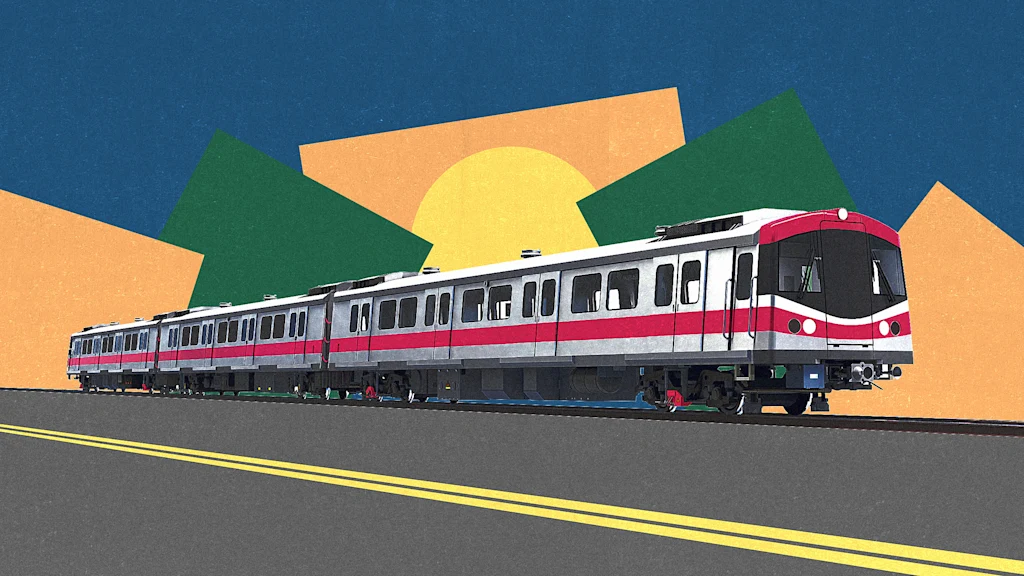
2 weeks agoMTA To Announce Major Train Purchase At Brooklyn Facility
The MTA will announce a major railcar purchase at its new Sunset Park testing facility on March 19, 2026, accelerating the retirement of aging trains and deployment of newer cars across subway and commuter systems.
fromWIRED
3 weeks agoHow Can a Locomotive Pull a Long Train That's Much Heavier?
Have you ever watched a mile-long freight train rumble by and wondered how one locomotive can pull more than a hundred fully loaded cars? The locomotive weighs maybe 150 metric tons, and each car is about 100 metric tons, which means it's hauling 10,000 tons. I mean, if you weigh 170 pounds, this would be like pulling three SUVs totaling 12,000 pounds.
Science
Alternative transportation
fromSustainable Bus
4 days agoNew certified Ultrafabrics collections target durability and compliance in passenger transport interiors - Sustainable Bus
Ultrafabrics launches new certified collections for passenger transport, combining durability, aesthetics, and sustainability in high-performance upholstery fabrics.
fromianVisits
3 weeks agoTfL taps our largest nuclear fusion reactor to power the London Underground
TfL currently uses about 1.6 terawatt hours (TWh) of electricity each year, making it the largest single electricity consumer in London. Once operational, the solar installations could supply up to 65,000 megawatt hours (MWh) of renewable electricity each year - equivalent to roughly two-thirds of the Victoria line's annual power consumption.
London
fromwww.independent.co.uk
3 weeks agoTfL considering extra charges for SUV drivers travelling in London
Oversized models, such as large SUVs, make it harder for drivers to see people walking and cycling nearby. SUVs are 14 per cent more likely to kill people walking and cycling than other passenger cars, and 77 per cent more likely to kill children up to the age of 18 in England.
London politics
Toronto startup
fromSustainable Bus
2 weeks agoFirst of 107 Solaris Trollino trolleybuses bound for Vancouver leaves factory, testing starts in Gdynia - Sustainable Bus
Solaris is delivering 107 battery-powered trolleybuses to Vancouver, with options for up to 512 vehicles, featuring autonomous battery operation and modern passenger systems.
Alternative transportation
fromSustainable Bus
1 week agoWhy MENA region matters for public transport: UITP's Hashem Alhendawi highlights strategic, financial and mindset shifts - Sustainable Bus
The UITP Global Public Transport Summit 2026 in Dubai was canceled, but international dialogue in public transport will continue through ongoing collaboration and partnerships.
Europe news
fromenglish.elpais.com
1 month agoMohamed Mezghani, from the International Association of Public Transport: A traffic jam of electric cars is still a traffic jam'
European public transportation is recovering post-pandemic with increased ridership, but faces funding challenges requiring strategic investment and targeted fare policies to sustain growth.
New York City
fromStreetsblog
2 weeks agoMTA's Lieber Asks City to Put More Cops on Bus Lane Enforcement - Streetsblog New York City
The MTA Chairman requests increased NYPD traffic enforcement agents to clear bus lanes at chronic bottleneck locations, as bus-mounted cameras alone cannot physically remove illegally parked vehicles or enforce against exempt emergency and municipal vehicles.
New York City
fromBond Buyer
3 weeks agoMTA capital cost savings may be example for other agencies
The MTA's Construction & Development Department achieved $1.2 billion in cost savings during 2025, bringing total savings to $3 billion from 2020-2024, demonstrating cost management strategies applicable to other transit agencies nationwide.
Alternative transportation
fromNature
2 weeks agoAffordable mobility for all: why we need smaller, cheaper electric vehicles
Low-speed electric vehicles offer affordable, practical decarbonization for underserved populations but remain overlooked due to bias toward expensive, high-tech solutions and nationalist trade policies.
fromSustainable Bus
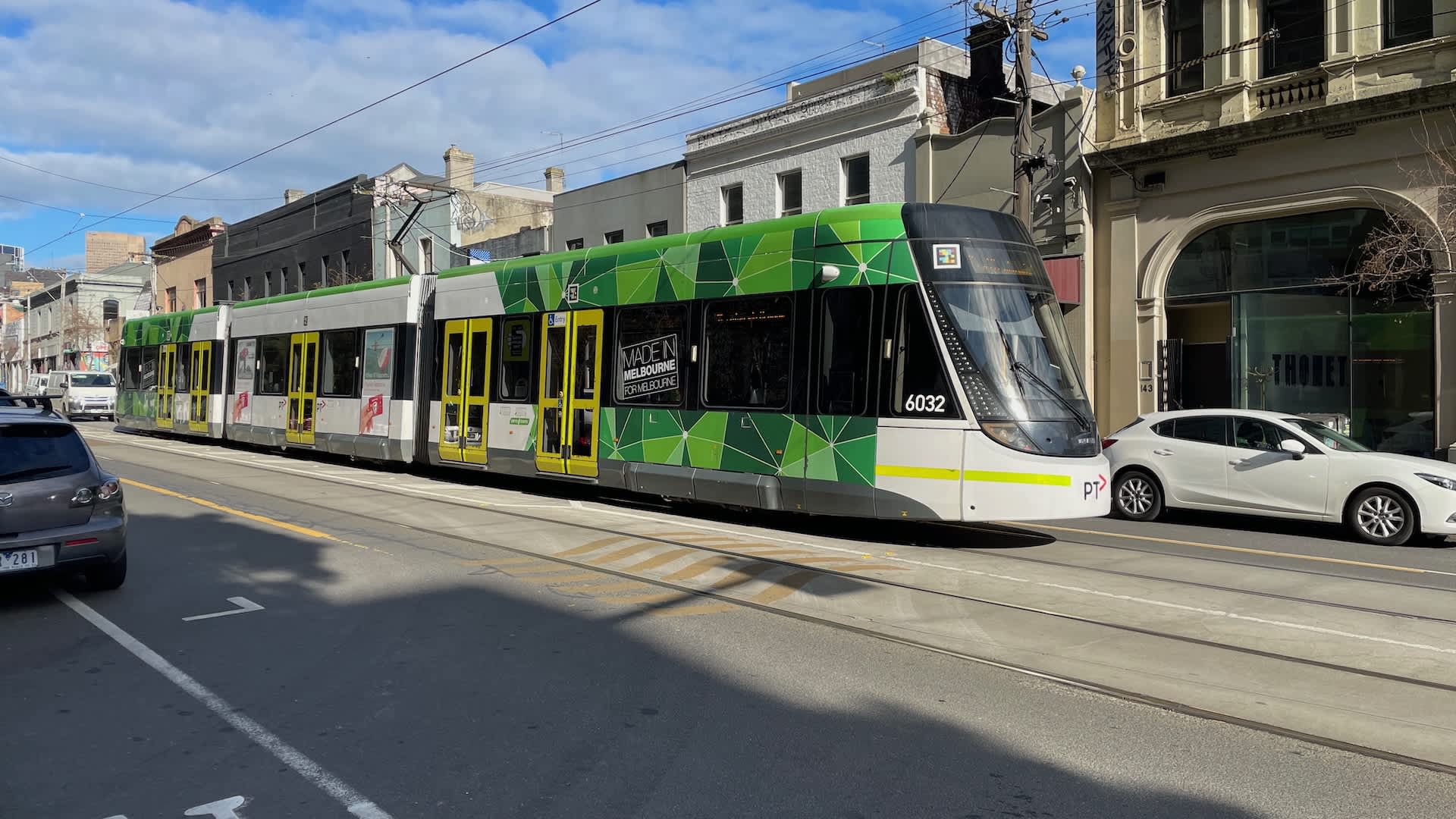
1 month agoEvolution: the practical path to autonomous buses - Sustainable Bus
It's tempting to frame autonomous driving as a single leap. In public transport, adoption tends to be incremental - because the system is built for reliability, and new capabilities have to fit into daily operations without disrupting service. That is why a practical strategy is evolution, not revolution: introduce autonomy in a defined domain, learn safely in real operations, and expand capability step-by-step.
Artificial intelligence
fromwww.bbc.com
2 months agoCalls to withdraw fresh floating bus stop guidance
The design, which has a cycle lane between the stop and the kerb, is intended to allow bus passengers to get on and off safely while cyclists continue moving. Sarah Gayton, street access campaign co-ordinator at the National Federation of the Blind of the UK, said: "It does not address the concerns that blind and visually impaired people have and it's totally insulting to think that we'll accept this."
UK politics
fromArchDaily
3 weeks agoMobility Justice: Urban Equity in an Era of Innovation
Every city contains two transportation systems. One is the visible network of roads, rail lines, sidewalks, and bus routes mapped in planning documents. The other is the invisible geography of privilege and exclusion embedded within it: the neighborhoods that received highways instead of parks, the communities whose bus routes were cut, the sidewalks that abruptly end at the edge of a district.
Alternative transportation
fromSustainable Bus
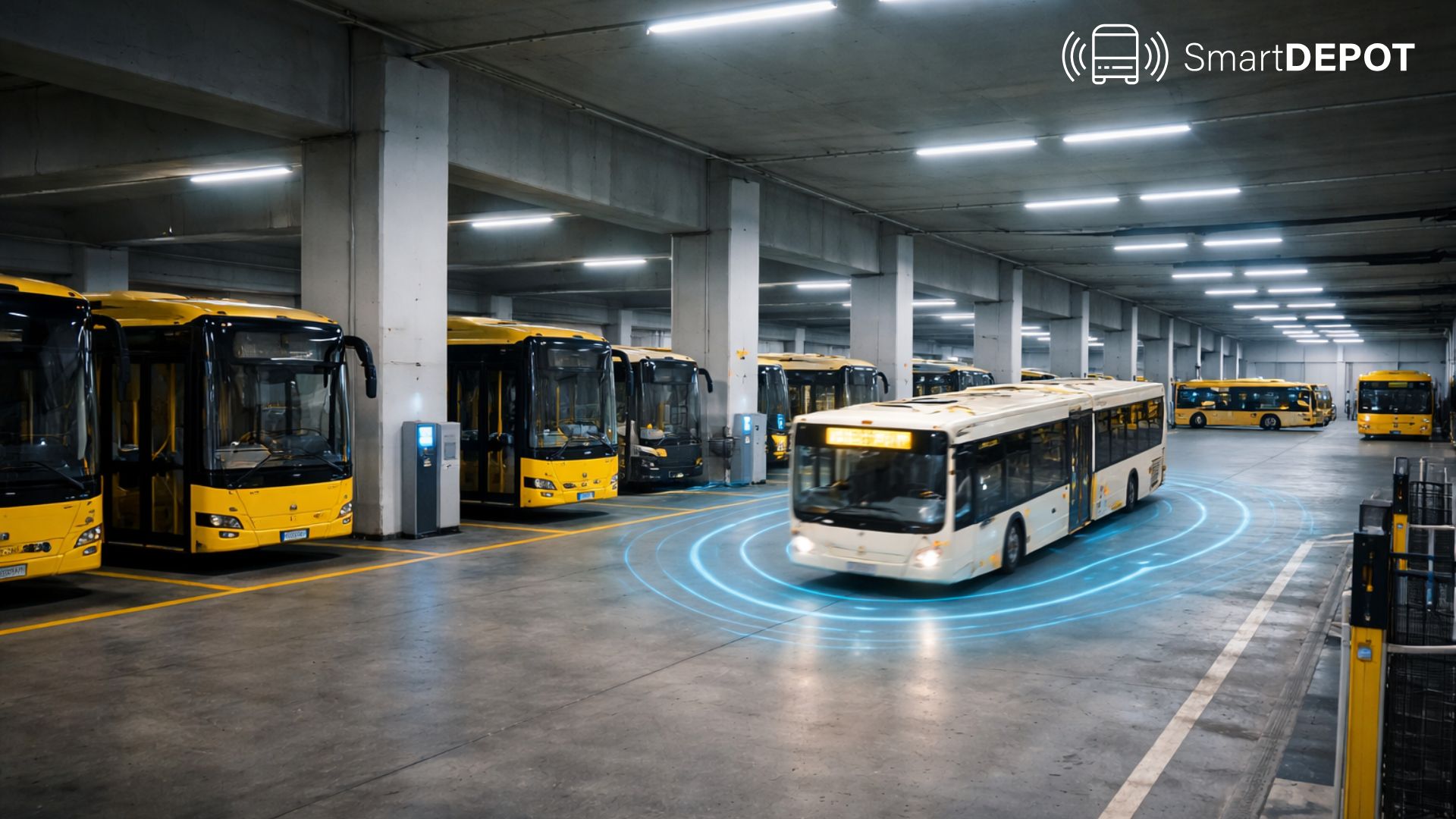
2 months agoAutonomous Systems: depot-first autonomy for smartbuses
For more than a decade, autonomous buses have been "almost ready." Demonstrations with safety drivers began around 2015, and ten years later, this is still largely what we see. The reason is not a lack of ambition - it is physics, safety, and economics. Autonomous buses on city streets are inherently difficult. They carry dozens of passengers, operate as heavy vehicles, and move through a chaotic urban environment.
Business
fromwww.amny.com
1 month agoOp-Ed | It's time to bring updated transit to Harlem | amNewYork
Residents of East Harlem's El Barrio have waited 80+ years for the Second Avenue Subway. The Trump administration could force them to wait even longer as it withholds federal funding for regional infrastructure projects over an alleged naming issue, no less. It's outrageous, it's unfair, and the MTA backed by Governor Hochul won't stand for it. We're at a pivotal moment for the project sixth months after awarding our largest-ever tunneling contract back in August.
US politics
fromBusline News
2 months agoRoyal Canadian Mounted Police Selects ENC To Supply Diesel Hybrid AXESS Buses - Busline News
The contract marks an important step in ENC's expansion into the Canadian market. With over 50 years of manufacturing experience and more than 500 million miles of transit service completed on the AXESS platform, the selection reflects the RCMP's confidence in ENC's field-tested quality, reliability, and ability to deliver on an expedited timeline,
Canada news
US news
fromSustainable Bus
2 months agoHRT expands on-demand transit services with Via in Hampton Roads, Virginia (USA) - Sustainable Bus
HRT expanded its app-based OnDemand microtransit to Chesapeake and Hampton, extended Newport News service, operating through October 2026 with $2 fares and free launch rides.
Software development
fromSitePoint Forums | Web Development & Design Community
1 month agoOperational Challenges as a Limo Company in Miami Scales - What Systems Actually Help?
Adopt fleet tracking, automated booking, driver communication, and service-quality monitoring as ride volume and service complexity grow to preserve consistency and transparent billing.
fromSocial Media Explorer
2 months ago10 Last Mile Technology Trends Transforming Urban Logistics in 2025 - Social Media Explorer
Urban logistics is entering a new era where practical technology drives meaningful results. Today, more than 55% of people live in cities, and urbanization is expected to rise to 68% by 2050, placing intense pressure on delivery networks to keep up with growing demand. U.S. e-commerce is projected to reach $1.1 trillion in sales by 2026, heightening expectations for faster and more reliable last-mile service.
E-Commerce

Artificial intelligence
fromeLearning Industry
2 months agoArtificial Intelligence In Transportation Training And Education
AI enables individualized transportation training by evaluating trainee performance, tailoring instruction, simulating real scenarios, and measuring performance for targeted improvement.
Business
fromSustainable Bus
1 month agoMasabi acquires Passenger Technology Group, integrating passenger information technologies into its SaaS platform - Sustainable Bus
Masabi acquired Passenger Technology Group to integrate passenger information and ticketing technologies into its enterprise-grade SaaS fare collection platform.
Environment
fromStreetsblog
2 months agoFive 'Supercool' Transportation Founders to Watch in 2026 - Streetsblog USA
Transportation start-ups accelerate decarbonization by deploying low-emission mobility options, optimizing vehicle systems, and leveraging market momentum to scale solutions ahead of 2026 policy changes.
frominsideevs.com
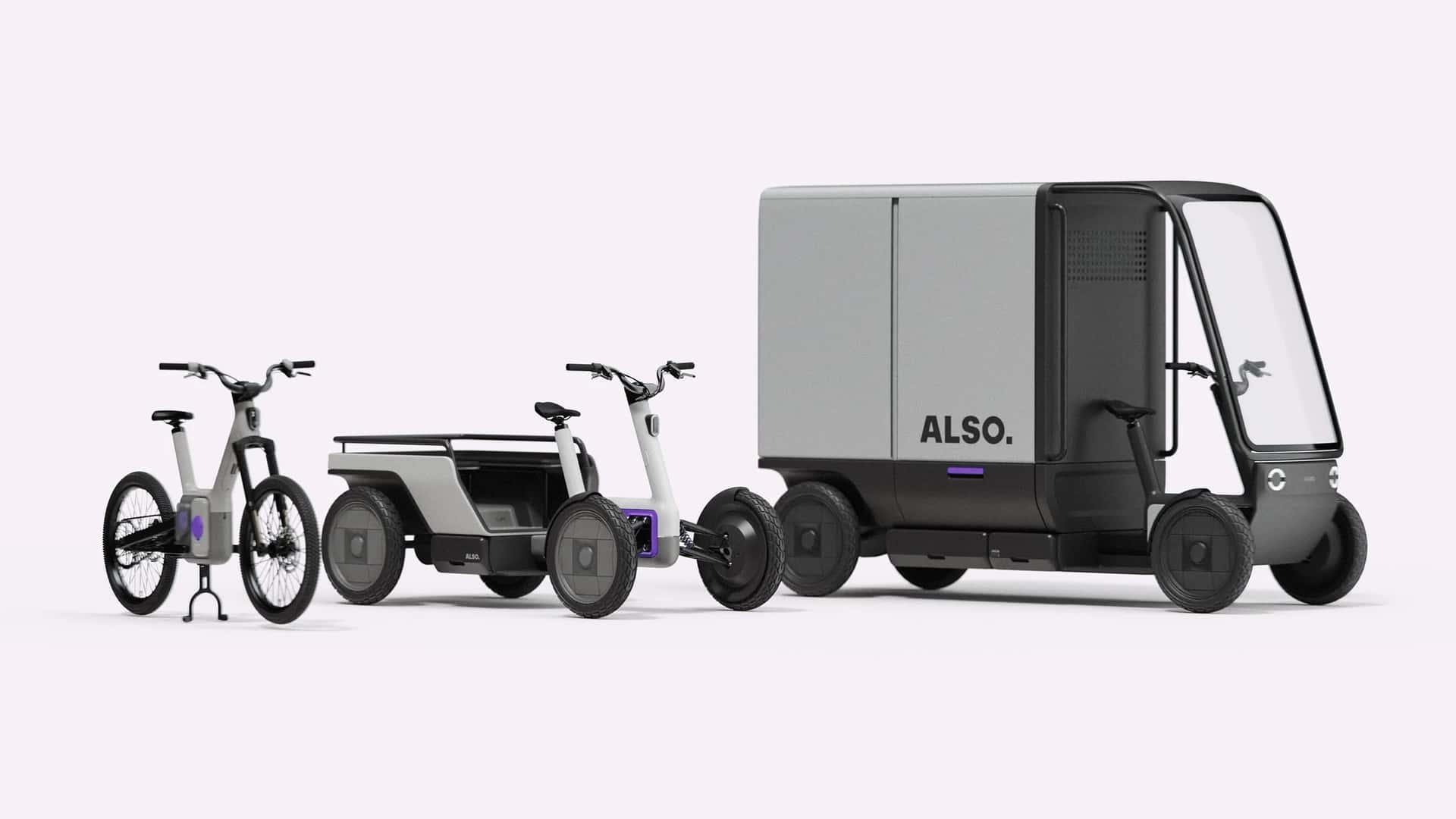
1 month agoHow Pedal-Assist Mini-Trucks Are Transforming Cities
Climbing onto the Honda Fastport eQuad is, quite literally, just like getting on a bicycle, except easier. With four wheels and broad diamond-plate running boards on either side, ingress and egress is as simple as swinging my leg over and stepping on and off the pedals, no kickstands involved. This makes sense, as the e-bike-based mini box-truck has been custom designed and constructed by the Japanese transportation company for the constant stop-and-go of urban e-commerce package delivery.
Cars
Alternative transportation
fromSustainable Bus
1 month agoFrom e-coaches to UITP insights on MENA, Altas industrial strategy and Europe's trolleybus revival (and more) in new Sustainable Bus magazine - Sustainable Bus
Europe's e-bus sector achieved over 9,000 registrations in 2025 with 40% growth, while the bus and coach industry undergoes rapid transformation driven by electrification, battery strategies, charging infrastructure, and emerging driverless technologies.
Environment
fromSustainable Bus
2 months agoAustralia, Kinetic inaugurates Preston bus depot with Victoria's first overhead gantry charging system - Sustainable Bus
Kinetic opened a Preston depot in Melbourne featuring Victoria's first overhead gantry-charged infrastructure for zero-emission buses, increasing depot density and reducing vehicle damage risk.
Alternative transportation
fromFast Company
1 month agoThe 'time is money' mantra is a terrible starting point for planning and designing infrastructure
Using productivity and time-as-money frameworks to justify transportation planning decisions is economically flawed and oversimplifies the complex nature of traffic congestion and urban mobility.
Alternative transportation
fromSustainable Bus
2 months agoHSL selects INIT container-based on-board system for Helsinki's multimodal fleet of 1,700 vehicles - Sustainable Bus
HSL will deploy INIT's container-based COPILOTcontainer across about 1,700 multimodal vehicles to create a unified, updatable on-board technical platform.
[ Load more ]