#museum-didactics
#museum-didactics
[ follow ]

fromwww.theguardian.com
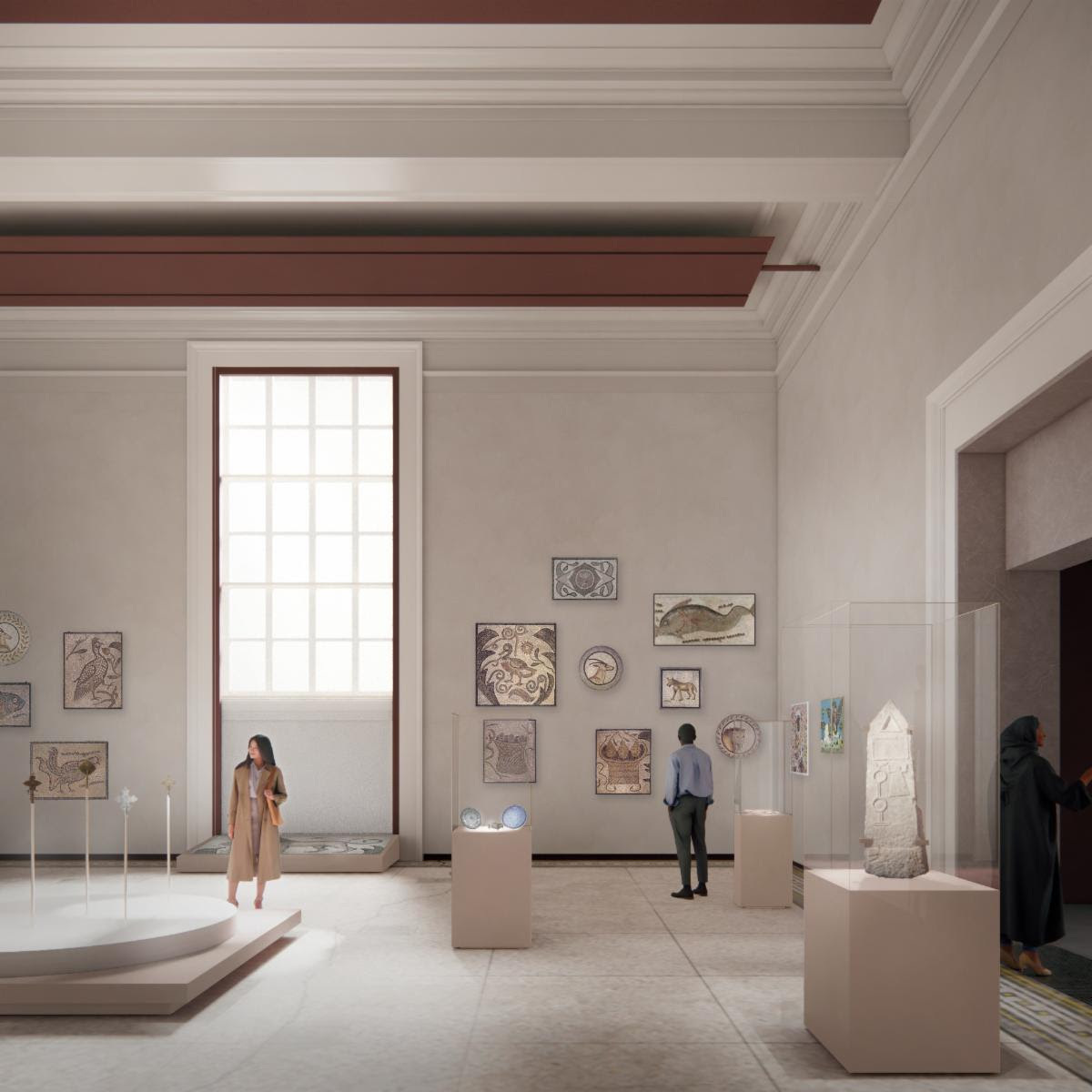
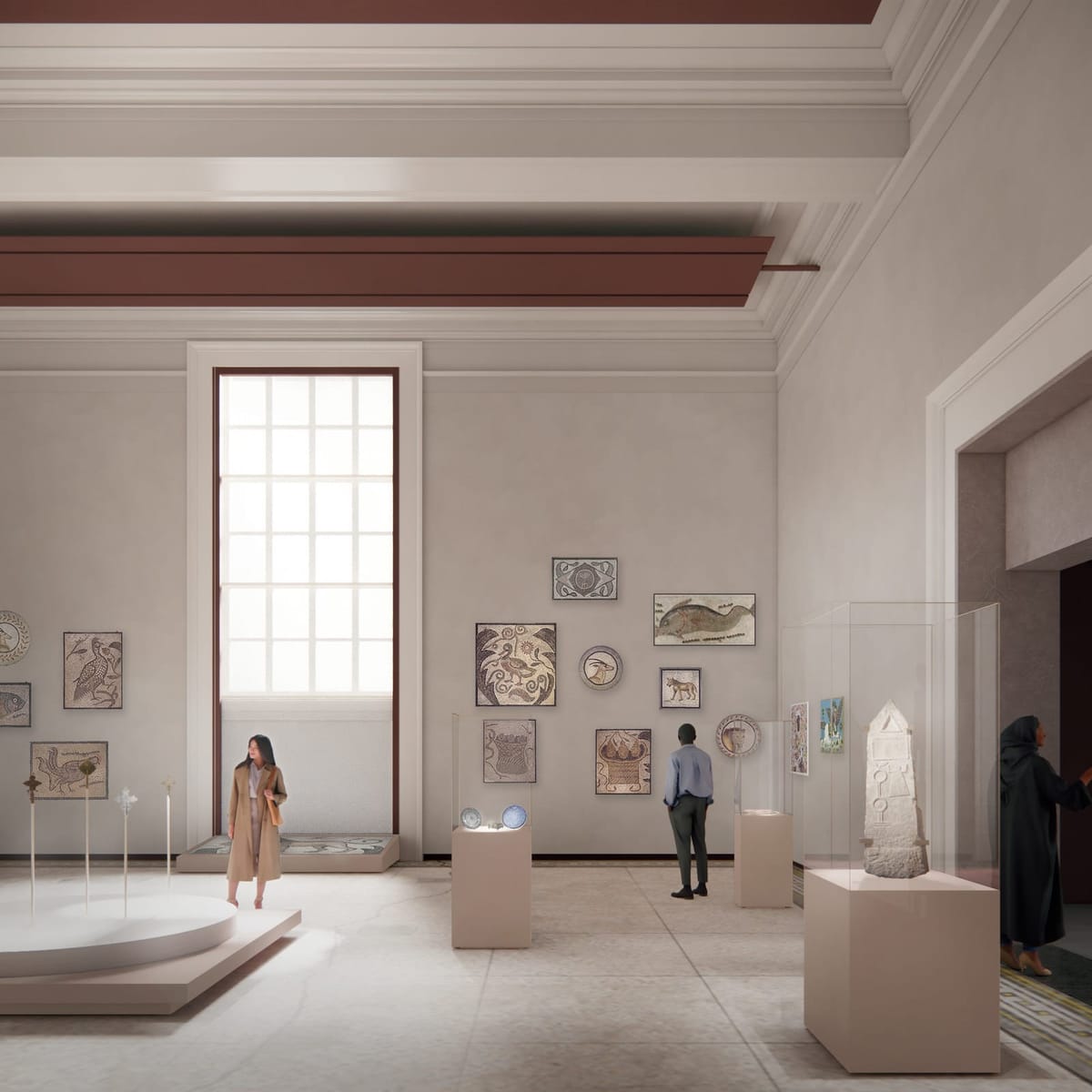
6 days agoThe UK's free-to-access museums are the envy of the world. Charging for entry would be a big mistake | Karin Hindsbo
Twenty-five years ago, the UK made the bold and generous gesture of making its national museums free to all. Suddenly, anyone from anywhere in the world could gaze at iconic works of art by the greatest artists in history without having to pay a penny.
London
Psychology
fromSilicon Canals
2 weeks agoBehavioral science says people who learned about life outside the classroom didn't miss an education - they got a different one, built from necessity and curiosity rather than curriculum, and the thinking it produces is less organized and considerably harder to break - Silicon Canals
Real learning occurs through direct experience and active engagement outside formal education, producing more resilient and adaptable thinkers than classroom instruction alone.
#museum-expansion

Brooklyn
fromThe Art Newspaper - International art news and events
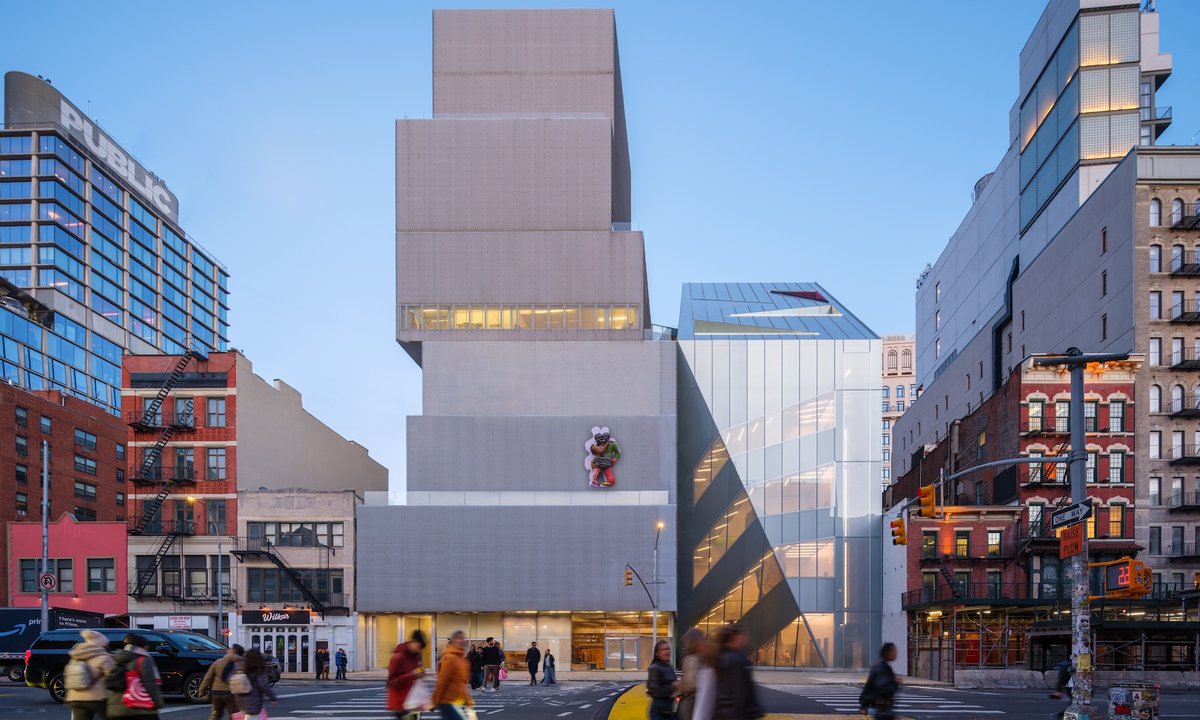
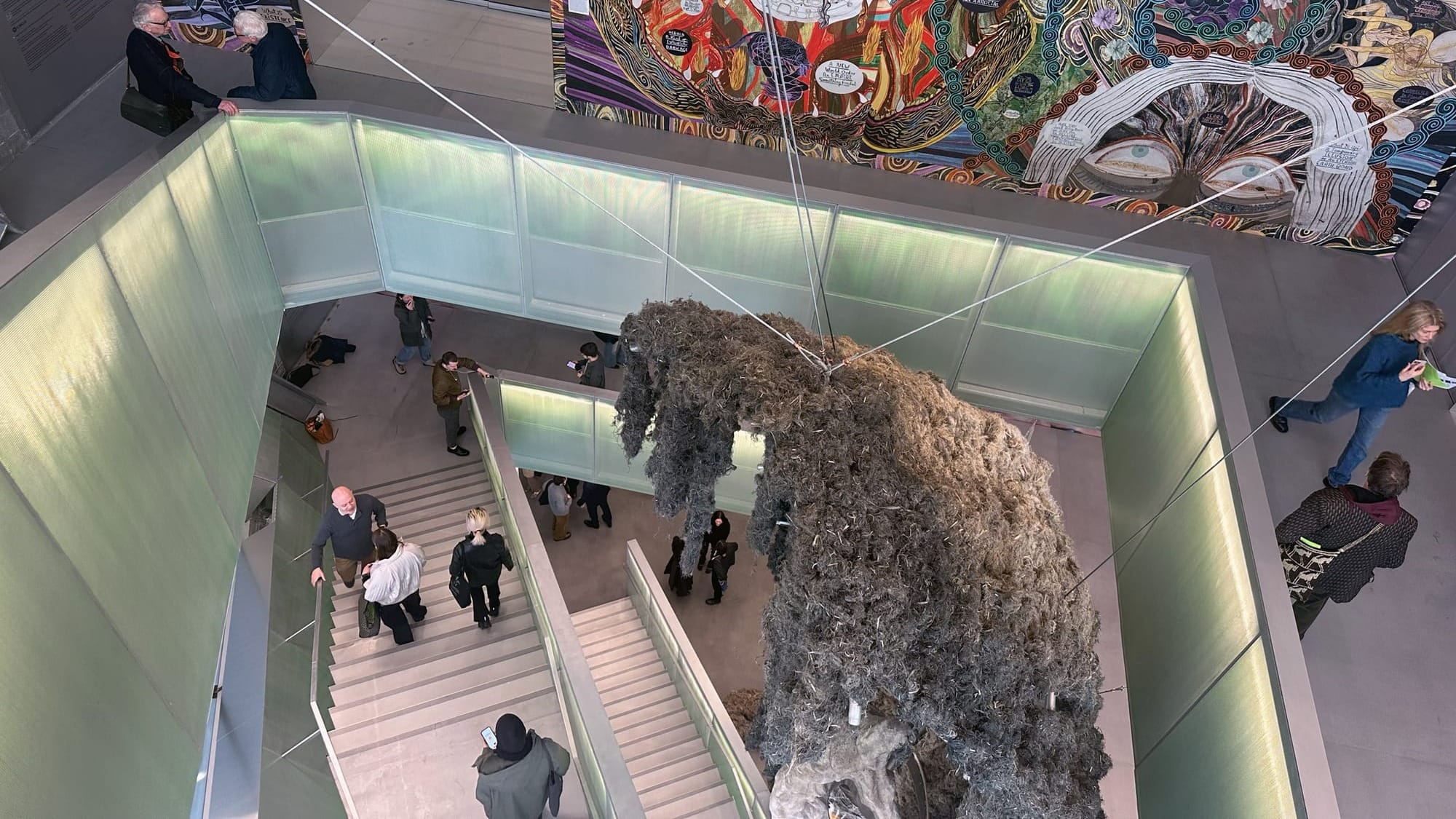
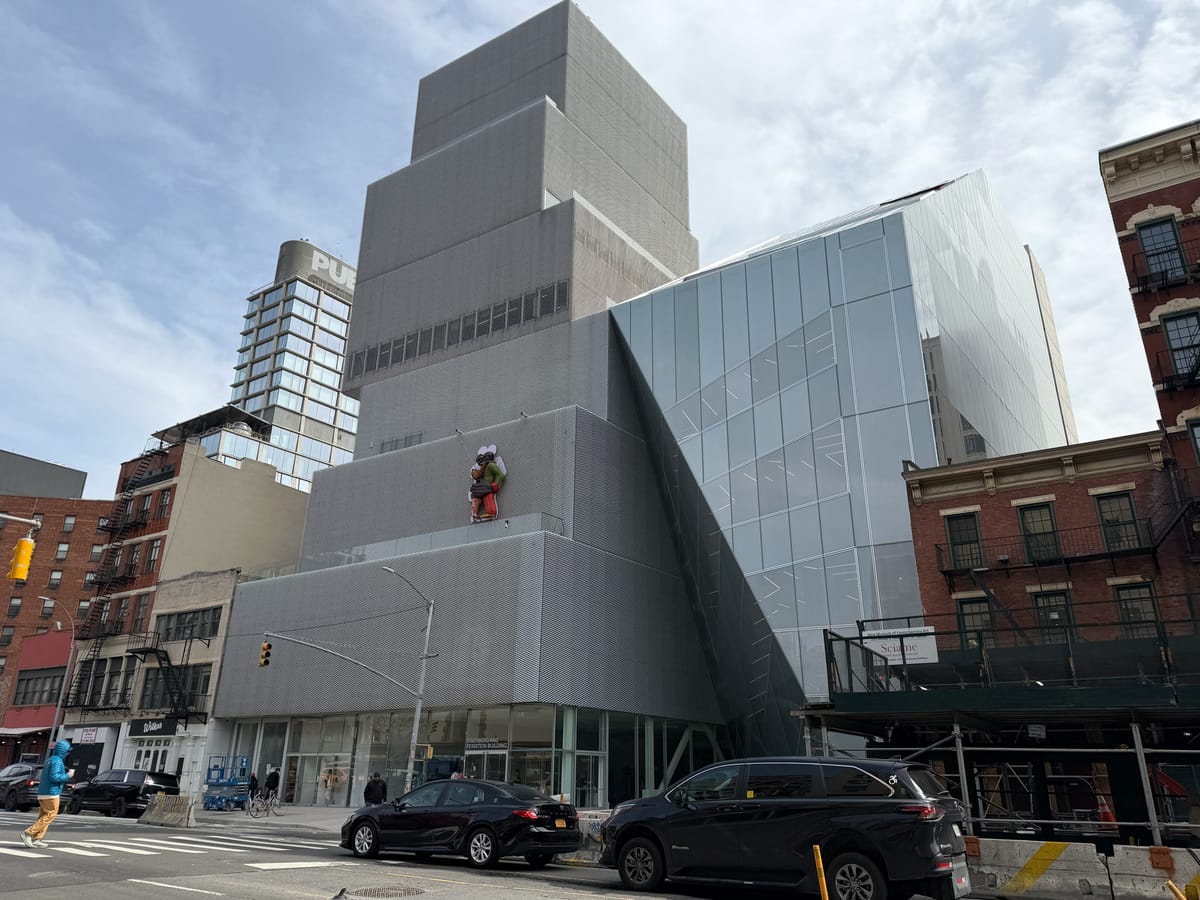
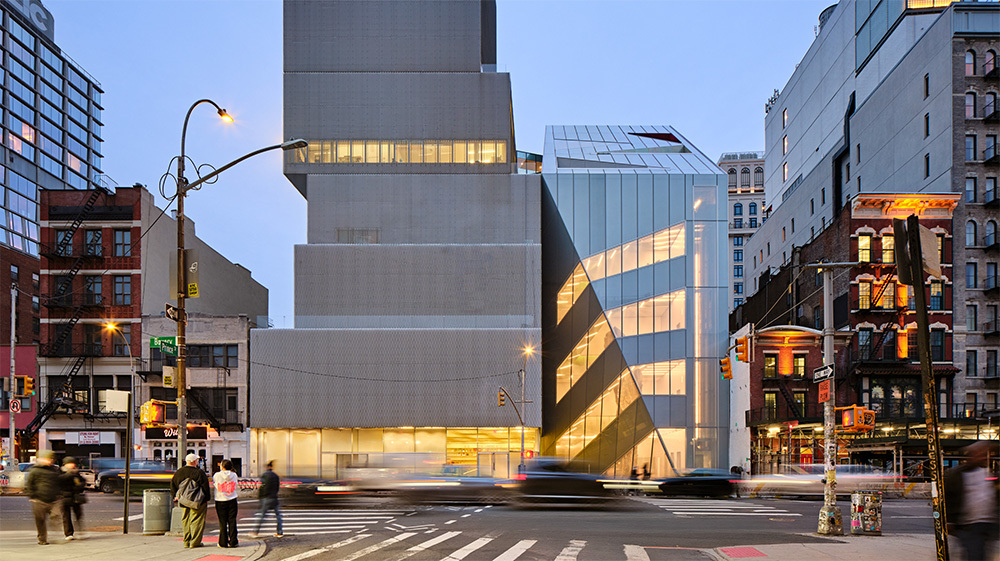
2 weeks agoThe new New Museum: now with twice the space
New York's New Museum opens an $82 million expansion on March 21, doubling its footprint to 120,000 sq. ft with new galleries, artist studios, and public spaces designed by OMA and Cooper Robertson.
Philosophy
fromWarpweftandway
2 weeks agoTwo Collaborative Learning () Events This Week
The 四海为学 Collaborative Learning Project hosts two free public events: Louise Edwards discussing childhood and gender in China on March 19, and Peter Hershock exploring AI and agency from a Buddhist perspective on March 20.
fromwww.theguardian.com
3 weeks agoIt's like a giant book club': how schools are getting children excited about reading again
Research has shown there is a reading for pleasure crisis among children in the UK, where enjoyment of books has fallen to its lowest level in two decades. Not so here at Christ Church primary, a tiny Church of England school tucked behind the maze of HS2 construction works in Camden, north London, where children fizz with excitement about books.
Books
fromThe Art Newspaper - International art news and events
1 week agoComment | Museums must be the leaders in a moral revolution
Bregman claims, 'Today the whole of Europe risks turning into one big Venice, a beautiful open-air museum. A great destination for Chinese and American tourists. A place to admire what was once the centre of the world.' This statement encapsulates the concern that Europe is losing its cultural significance.
Arts
fromPsychology Today
3 weeks ago4 Mismatches Between Evolution and Education
Being thrown into a group of new strangers each and every year, as is typical in so many American public school systems, is deeply evolutionarily unnatural. Under ancestral conditions, humans did not encounter strangers with nearly the same frequency that we experience now. And guess what? Humans have an entirely different way of interacting with strangers (including appropriate levels of hesitation and skepticism) than we have when interacting with others whom we know well.
Education
fromArchDaily
4 weeks agoArchiving the Technosphere: How Museum Architecture Mediates Human-Made Systems
The contemporary technology museum has emerged as a performative participant in the systems it seeks to document. The architecture of these institutions has become increasingly fluid and bold, often mirroring the velocity and complexity of the systems it houses. They operate as mediators between the human, the ecological, and the technological realms, transforming from encyclopedic warehouses into active educational engines.
Science
Online learning
fromeLearning Industry
3 weeks agoFrom Tick-Box Training To Transformative Learning: Designing Experiences That Stick
Meaningful learning requires emotional engagement and practical application rather than checkbox completion, creating lasting behavioral change that transforms how people work together.
Artificial intelligence
fromwww.theguardian.com
3 weeks agoI've taught thousands of people how to use AI here's what I've learned
Success with AI depends on curiosity and critical thinking rather than technical ability, treating AI as a learnable skill requiring clear direction and proper context rather than a magic solution.
Online Community Development
fromInside Higher Ed | Higher Education News, Events and Jobs
1 month agoEffective Responses to Feedback About Culturally Irrelevant Out-of-Class Activities
Diverse collegians lack equitable access to culturally responsive out-of-class experiences, causing disengagement when programming reflects student leaders' preferences rather than actual student interests and needs.
Washington DC
fromThe Art Newspaper - International art news and events
1 month ago'Haters will say this urn is mid': US National Gallery of Art curator is Insta hit with Gen Z
A 77-year-old National Gallery curator uses Gen Z slang in viral social media videos about artworks, reaching nearly nine million viewers and successfully engaging younger audiences with art history.
Paris food
fromwww.theguardian.com
1 month agoAn ugly year for the Louvre: where does the world's biggest museum go from here?
Laurence des Cars resigned as Louvre president after a year marked by staff strikes, infrastructure crises, a major heist, and ongoing operational challenges despite a €1 billion renovation plan.
Higher education
fromPsychology Today
4 weeks agoTeachers Are the Architects of Human Potential
Schools in 50 years will likely shift from knowledge transmission to developing human potential, with teachers as facilitators fostering creativity, resilience, and adaptive thinking rather than standardized achievement.
Education
fromArchDaily
1 month agoWhen the School Becomes the City: Community-Centered Projects in the Global South
School architecture functions as a catalyst for social transformation by creating multifunctional civic spaces that integrate education, culture, sports, and community engagement within urban territories.

fromInsideHook
1 month agoAre the Humanities Poised for an Academic Comeback?
Many colleges and universities have made cuts in these programs, often bolstering STEM programs at their expense. It's a situation that has sparked no small amount of impassioned editorials. The headline of a recent article at The Guardian by Alice Speri referenced an 'existential crisis at U.S. universities,' and Speri's reporting features numerous examples of undergraduate and graduate programs facing cuts or outright elimination.
Higher education
fromeLearning Industry
1 month agoCollective Learning In Education: Designing Learning Systems That Think Beyond The Individual
Collective learning is how a group or system creates, improves, and keeps knowledge. This knowledge lasts beyond any one person or cohort. That is the most practical collective learning definition, because it shifts the focus away from individuals and toward the learning system itself.
Online learning
Arts
fromHyperallergic
2 weeks agoMeet the Woman Who Made Museums More Accessible
Lorena Bradford, the National Gallery of Art's first head of Accessible Programs, transformed museum accessibility by creating intentional programs for disabled visitors, including ASL tours, memory loss programs, and medical student training initiatives.
Arts
fromMedium
3 weeks agoAI in Museums: How the Cleveland Museum of Art Built AI-Powered Experiences That Actually Work
Cleveland Museum of Art demonstrates decade-long, thoughtful AI implementation focused on accessibility and discovery rather than novelty, prioritizing meaningful visitor engagement over flashy technology.
fromInside Higher Ed | Higher Education News, Events and Jobs
1 month agoThe Case for Centers for Teaching and Learning (opinion)
This is a striking decision at a moment when public confidence in higher education is eroding. It is also puzzling because rigorous research and evaluation have demonstrated, over and over, the value of the work of centers for teaching and learning, including positive impacts on student learning outcomes, institutional effectiveness and faculty development.
Higher education
Arts
fromThe Art Newspaper - International art news and events
3 weeks agoComment | Why museum leadership needs to decentralise
Traditional museum leadership models are failing under contemporary pressures, requiring a fundamental shift from centralized, individual authority to distributed, collaborative leadership structures.
Arts
fromHyperallergic
3 weeks agoMerging Craft Practices and New Media at the Museum of Craft and Design
Video Craft exhibition explores how video, film, and early moving image technologies share formal and technical properties with traditional craft media like ceramics, textiles, and glass through encoding, looping, and sampling.
Games
fromInside Higher Ed | Higher Education News, Events and Jobs
1 month agoSome things aren't games, school is one of those things.
External scores, streaks, and game metrics can commandeer attention and emotion; stepping away reveals freedom from socially constructed goals and time-sink pressures.

fromArchDaily
2 months agoRethinking Museums: A Conversation with Beatrice Grenier on Architecture as Cultural Policy
As cultural institutions continue to proliferate worldwide in this digital era, the museum itself appears increasingly in need of redefinition. Rather than offering a single model or solution, Architecture for Culture: Rethinking Museums, written by architectural historian and curator Béatrice Grenier, argues for a more contextual and plural understanding of what a museum can be: an institution shaped by its environment, its public, and the specific cultural questions it seeks to address.
Remodel
fromAeon
2 months agoThere's a gentle artistry to a museum taxidermist's craft | Aeon Videos
This short captures Tim Bovard, the staff taxidermist for the Natural History Museum of Los Angeles County, as he reflects on over five decades spent perfecting his craft. Sparked by a childhood fascination with the museum's dioramas that never faded, Bovard has devoted his career to shaping what he calls the 'illusion of life' - a process that requires both scientific precision and imaginative interpretation.
Philosophy
Education
fromOregon ArtsWatch * Arts & Culture News
2 months agoPortland Art Museum's Bold New Vision for Youth and Community Education and Engagement * Oregon ArtsWatch
Portland Art Museum transformed spaces to prioritize K–12 education with transparent, tech-enabled learning studios and youth galleries integrated visibly into the museum.
fromInside Higher Ed | Higher Education News, Events and Jobs
1 month agoWhat if Colleges Experimented at the Edges?
In her book Hope in the Dark, writer and activist Rebecca Solnit observes that transformation starts in the margins. The book explores social movements throughout history, but the notion that mainstream beliefs grow from fringe ideas once thought to be outrageous is familiar to anyone who has watched change happen. Hope, she says, lives in the dark around the edges.
Higher education
fromTravel + Leisure
2 months agoThe 9 Best Children's Museums in the U.S.
Children's museums have evolved from rainy-day backups into stand-alone destinations, and the U.S. is home to some of the best in the world. Size can help-yes, some of these museums are enormous-but it's far from the deciding factor. What really sets the best children's museums apart, however, is how intuitive they feel: The focus is on learning through fun as opposed to text-heavy exhibits that tend to fall flat.
Education
Higher education
fromInside Higher Ed | Higher Education News, Events and Jobs
1 month agoHelping faculty build channels to audiences that matter
Higher-education communicators should enable faculty to publish directly via platforms like Substack and LinkedIn newsletters to expand reach, engagement, and institutional narratives.
Arts
fromThe Art Newspaper - International art news and events
2 months agoMuseum wall texts are an art in their own right-but will they survive the digital age?
Museums should balance providing contextual wall text and inviting wordless, personal interpretation to make art accessible and meaningful to diverse visitors.
fromHyperallergic
2 months agoArt Movements: The Brooklyn Museum's New Top Contemporary Art Curator
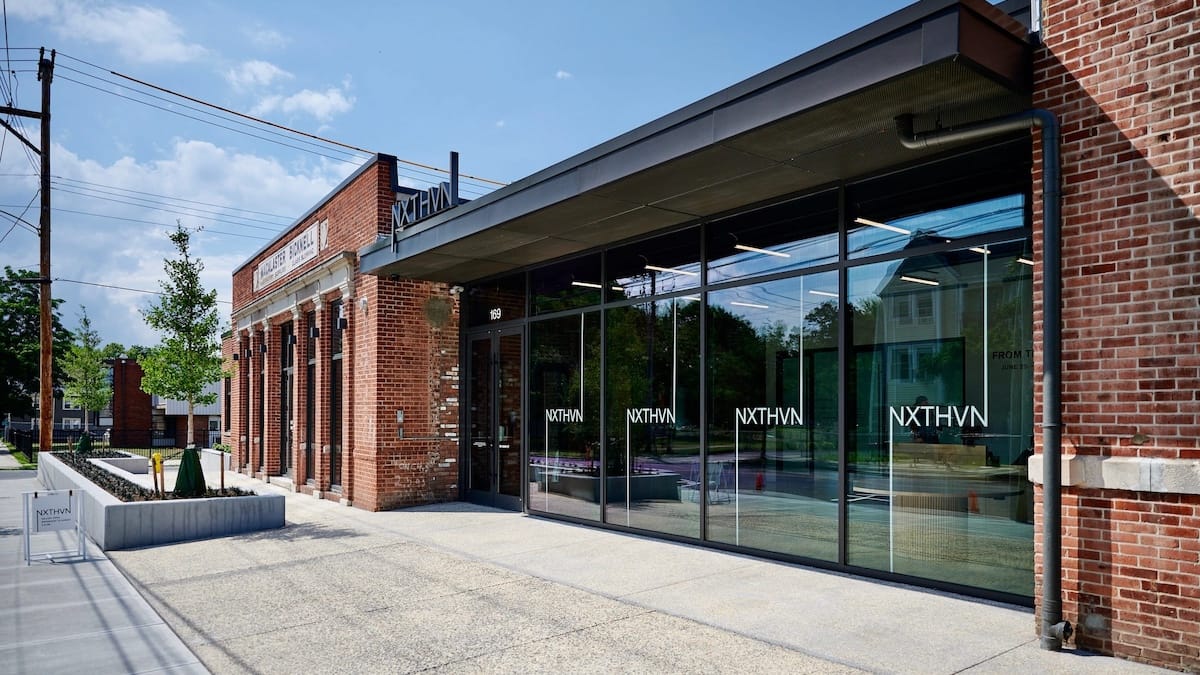
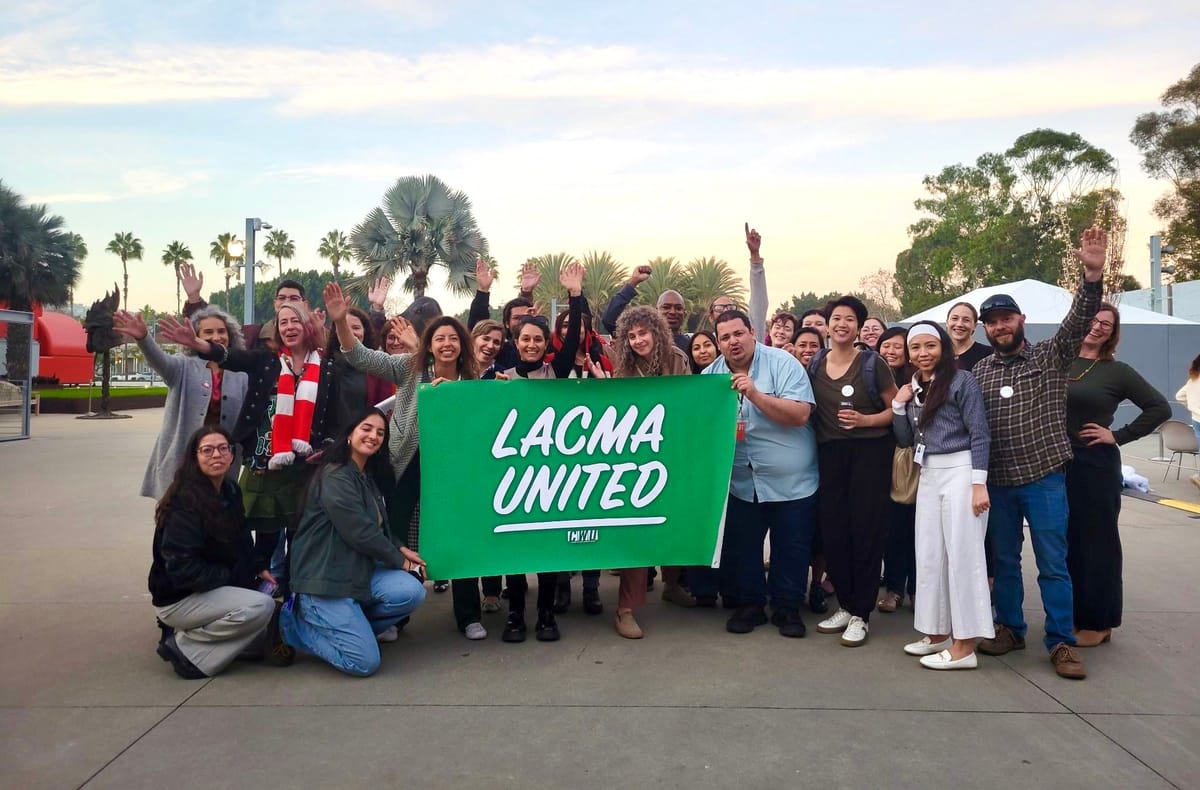
Brooklyn Museum Fills Its Top Contemporary Curator Spot Robert Wiesenberger was named senior curator of contemporary art at the Brooklyn Museum, a post that has been vacant since the departure of Eugenie Tsai in 2023. He comes from the Clark Art Institute in Williamstown, Massachusetts, where he was curator of contemporary projects, and was previously a curatorial fellow at the Harvard Art Museums.
Arts

fromHyperallergic
2 months agoFor Which It Stands...
Featuring more than 70 works by a diverse array of artists, including June Clark, Jasper Johns, Faith Ringgold, Robert Rauschenberg, Shepard Fairey, David Hammons, Julie Mehretu, Dread Scott, and Hank Willis Thomas, For Which It Stands... challenges viewers to consider who the American flag truly represents, and whether justice is available to all. On view in Fairfield, Connecticut, from January 23 through July 25, the exhibition opens with Childe Hassam's "Italian Day, May 1918" - lent by Art Bridges - and concludes with a textile sculpture newly commissioned from Maria de Los Angeles. Emma Amos, Eric Fischl, Jane Hammond, and Glenn Ligon are among the many other artists whose work is represented.
Arts
fromThe Art Newspaper - International art news and events
2 months agoPersistent low attendance and funding cuts are forcing US museums to think local
Among the museum directors paying keen attention to the ruling, on 3 December, that all federal grants from the Institute of Museum and Library Services (IMLS) would be reinstated, the director of the Seattle Art Museum Scott Stulen heaved a sigh of relief. In 2025, the Pacific Northwest's leading art museum saw all its federal funding cut. That represented the loss of an annual income stream, he says, of between $300,000 and $400,000.
Arts
fromColossal
2 months agoIn 'Reading the Rooms,' Gretchen Scherer 'Opens Up' Historic, Art-Filled Spaces
For Gretchen Scherer, centuries-old rooms in grand houses and institutions serve as the foundation for an ongoing series of paintings of luminous interiors. She starts with photos sourced online, from books, and that she snaps herself, in addition to drawing inspiration from artists like Narcissa Niblack Thorne, who commissioned meticulously crafted miniatures of period rooms to house her vast collection of 1:12-scale furniture. Scherer then tries to "open up" the space, as she describes it, toying a bit with perspective.
Arts
fromHyperallergic
1 month agoTeaching Children Taught Me How to Be an Artist
At the end of November of 2011, I saw my dad take his last breath. I came back to the United States after participating in all the death-related rituals that helped organize my pain in México. New York City was not a place to live my mourning, and right around December of the same year, I felt an intense longing to become small again. I needed to work with children.
Arts
fromThe Art Newspaper - International art news and events
2 months agoIn the age of AI, can art expertise be digitised?
Recently, AI decided that a painting long thought to be a copy of Caravaggio's The Lute Player is actually by the master, while another version of the same subject, previously thought to be authentic, is not. Both conclusions were disputed by the former Metropolitan Museum of Art curator Keith Christiansen. A similar debate erupted in March 2025 when AI declared that portions of The Bath of Diana, also long believed to be a copy, could have been painted by Peter Paul Rubens.
Arts
[ Load more ]