#music-industry-conflicts
#music-industry-conflicts
[ follow ]


#supreme-court
Intellectual property law
fromIPWatchdog.com | Patents & Intellectual Property Law
21 hours agoSCOTUS Says Fifth Circuit Must Reconsider Contributory Infringement Ruling for Record Labels after Cox v. Sony
The Supreme Court vacated a ruling against Grande Communications, questioning ISP liability for contributory copyright infringement under specific conditions.



fromTechdirt
4 days agoMeta Caves To The MPAA Over Instagram's Use Of 'PG-13,' Ending A Dispute That Was Silly From The Start
Meta has agreed to 'substantially reduce' its references to PG-13 and include a rather remarkable disclaimer: 'There are lots of differences between social media and movies.'
Social media marketing
US politics
fromLos Angeles Times
2 weeks agoLive Nation's Justice Department trial continues as U.S. senators call out a 'broken ticket market'
Over 30 states reject Live Nation's $200 million DOJ settlement, resuming trial in Manhattan Federal Court, arguing the agreement fails to adequately address monopolistic practices harming artists, fans, and venues.
Madrid food
fromenglish.elpais.com
3 weeks agoSold out' as a fictional story: How the music industry learned to sell success even when it didn't exist
Sold-out signs in Spain's live music industry function as marketing tools rather than accurate capacity indicators, with venues using modular configurations and guest lists to artificially create sold-out narratives that legitimize events regardless of actual financial performance.
fromThe Verge
3 weeks agoStates' trial against Live Nation could move forward as soon as next week
On Tuesday, a day after the Justice Department revealed in court it had reached a settlement with Live Nation that a handful of states had agreed to, Judge Arun Subramanian held a hearing on the future of the case. He ordered Live Nation CEO Michael Rapino, DOJ Antitrust Division acting chief Omeed Assefi, and representatives of states that hadn't settled to stay at the Manhattan courthouse and attempt to reach a broader deal.
Law
Intellectual property law
fromwww.bbc.com
2 weeks agoGovernment backtracks on AI and copyright after outcry from major artists
The UK government reversed its AI copyright policy allowing opt-out training of copyrighted works after creative industry backlash, now seeking a balanced approach without a preferred solution.
#live-nation-antitrust-settlement
NYC music
fromwww.theguardian.com
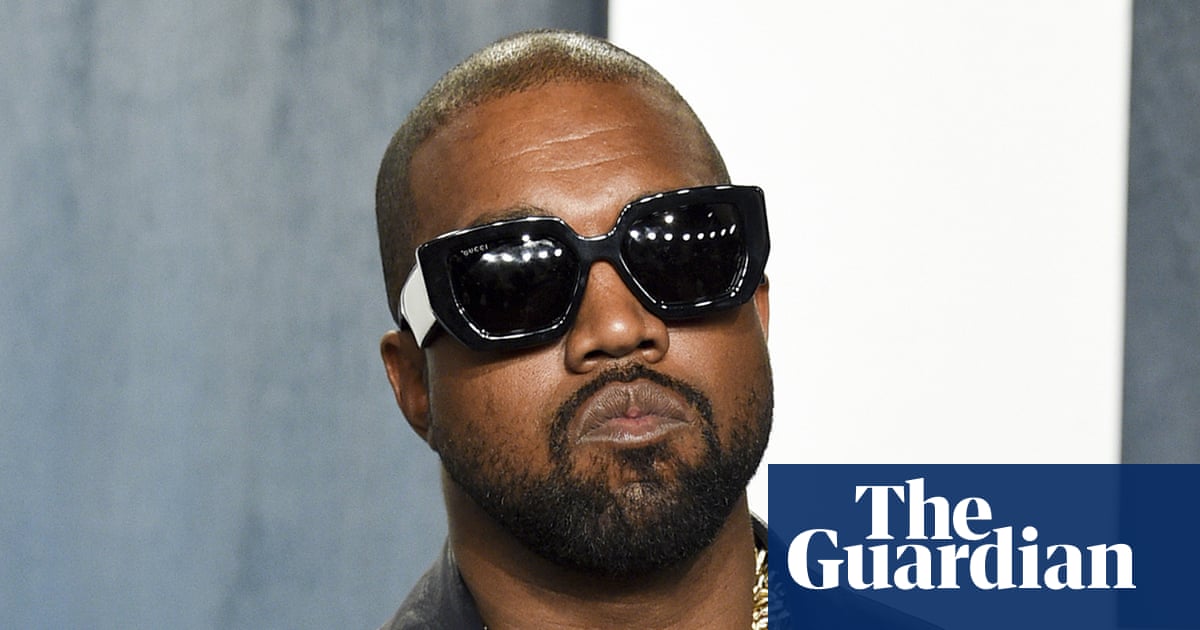
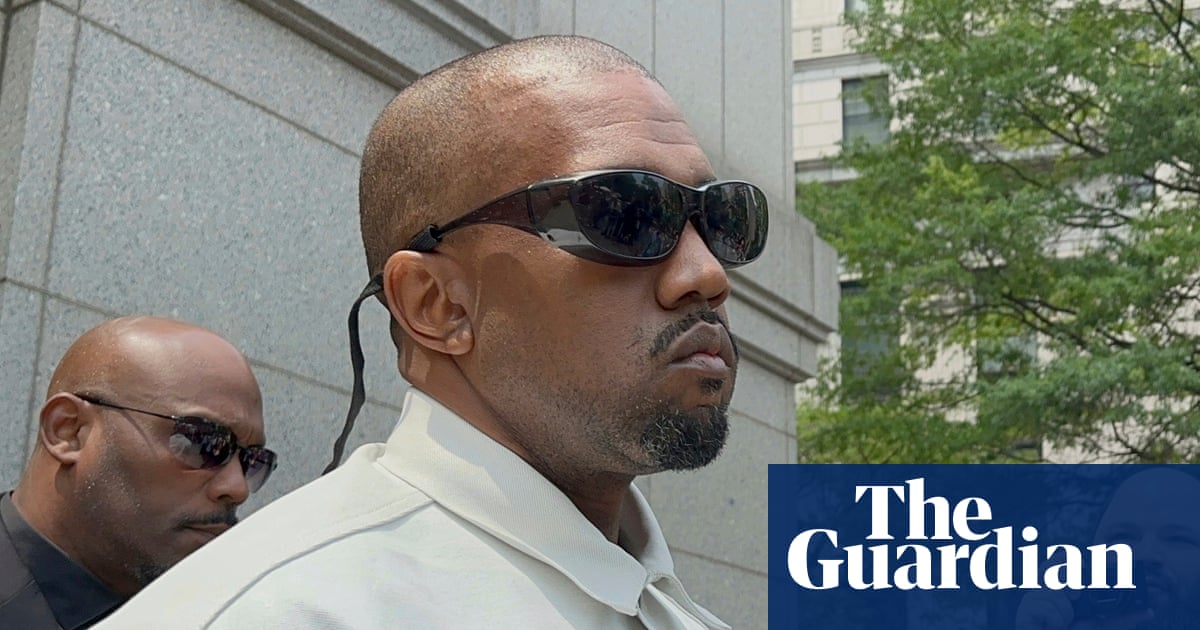
2 weeks agoKid Rock decries settlement reached between Live Nation and Trump's justice department
The US Department of Justice settled its antitrust lawsuit against Live Nation one week into trial, requiring the company to pay $280 million, open ticketing platform access, cap service fees at 15%, and end exclusive venue booking deals.

NYC music
fromwww.theguardian.com
2 weeks agoKid Rock decries settlement reached between Live Nation and Trump's justice department
The US Department of Justice settled its antitrust lawsuit against Live Nation one week into trial, requiring the company to pay $280 million, open ticketing platform access, cap service fees at 15%, and end exclusive venue booking deals.
fromSilicon Canals
1 month agoLive Nation-Ticketmaster goes to trial: the antitrust case that could force the biggest entertainment breakup in decades - Silicon Canals
Today, the concert ticketing industry is broken. It is controlled by Live Nation and the company it owns, Ticketmaster. According to DOJ estimates cited in court, Live Nation-Ticketmaster holds an 86% market share in primary ticketing for major concert venues and a significant share in the use of large amphitheaters by artists. The government argues this dominance wasn't built on superior service. It was constructed through what prosecutors describe as a "flywheel" - a self-reinforcing system where control over venues, ticketing technology, and artist promotion creates an ecosystem that competitors cannot meaningfully penetrate.
US news
Music
fromLos Angeles Times
3 weeks agoSpotify once had a reputation for underpaying music artists. It hopes to change that perception
Spotify transformed the music industry from crisis to growth, becoming the world's highest-paying music retailer with over $11 billion in annual payouts, with roughly half generated by independent artists.
fromwww.theguardian.com
1 month agoThe concert ticket industry is broken,' justice department says as Ticketmaster trial begins
Today, the concert ticket industry is broken, in fact the concert industry itself is broken. It is controlled by a monopolist. It is controlled by Live Nation. Ticketmaster keeps more in fees than competitors such as AXS, according to an expert's estimate cited by Jonathan Hatch, an attorney for New York state.
NYC music
Music production
fromRAIN News
2 weeks agoToo Lost (music tech) receives funding for artist/label distribution & publishing
Too Lost, a New York music tech platform serving 450,000+ independent artists, secured strategic investment from GoldState Music and TA Associated while founders retain control and ownership.
Intellectual property law
fromFuturism
1 month agoLead Investor in Music Generation App Suno Deletes Tweet That Contradicts Its Argument in High Stakes Court Cases
AI music generation company Suno reached two million paid subscribers amid ongoing copyright lawsuits, with its fair use defense facing legal challenges from multiple jurisdictions.



fromBusiness Insider
1 month ago18 times musicians faced backlash from conservatives over their music
Bad Bunny's Super Bowl halftime show has drawn criticism from the country's top Republican: Donald Trump said it was "one of the worst, EVER!" in a post on Truth Social. Strong words from the president - but this isn't the first time a musician has drawn ire from right-wing politicians and conservatives. Stars like Lady Gaga, Cardi B, Taylor Swift, Beyoncé, and Bruce Springsteen have riled up conservatives, often over progressive themes or sexual lyrics in their music.
Right-wing politics
fromDigiday
2 months agoFuture of TV Briefing: Brands are spending more to advertise creators' content, making usage rights a focal point
Of the $43.9 billion that advertisers in the U.S. are expected to spend on creator marketing in 2026, most of that money - 55% - will go towards ads amplifying the creators' content, not to the actual creation and posting of content by the creators themselves. And that spend is only increasing as creator content becomes a more popular choice for ad creative and paid amplification provides brands with the analytics to be able to more effectively gauge the impact of creators' content.
Marketing


fromThe IP Law Blog
2 months agoThe Briefing - The 2026 Forecast: Resolving Some of the Entertainment Industry's Open Legal Issues
As 2025 fades into the rearview mirror, many of the entertainment and media industry's biggest legal questions remain unresolved. In this episode of The Briefing, Weintraub Tobin partners Scott Hervey and Tara Sattler take a forward-looking approach to the cases and doctrines that could shape 2026. In this episode, they cover: The unsettled future of fair use in AI training and copyright infringement How courts are approaching lawful versus unlawful acquisition of training data The growing split in AI cases involving market substitution and fair use
Intellectual property law

fromRAIN News
2 months agoThey're accused of stealing 86 million. (Songs.)
In an audacious action starting to attract media attention, last month a group of piracy actors called Anna's Archive copied about 86 million music files from Spotify. The intention was to release the hoard on the BitTorrent file-sharing platform. All three of the major labels (UMG, Sony Music Entertainment, and Warner Music Group), along with Spotify, launched the unsurprising lawsuit in September. The presiding judge, Jed . Rakoff, issued an injunction (HERE).
Music

fromPitchfork
2 months agoBandcamp Announces Ban on AI Music
Bandcamp has announced it will no longer allow AI-generated music to be hosted on its platform. In a post shared on Reddit, the company's support team revealed their plans to implement a policy prohibiting "any use of AI tools to impersonate other artists or styles," elaborating more firmly that "music and audio that is generated wholly or in substantial part by AI is not permitted on Bandcamp."
Music
[ Load more ]