#national-oil-corporation
#national-oil-corporation
[ follow ]
#oil-prices #strait-of-hormuz #iran #iran-war #geopolitical-tensions #venezuela #energy-security #energy-crisis

fromFortune
1 day agoCountries are turning to 'structurally more resilient' energy sources as oil and gas crisis deepens, UN renewables chief says | Fortune
"A more decentralized energy system, with a growing share of renewables and more market players, is structurally more resilient. Countries that invested in the energy transition are weathering this crisis with less economic damage, as they boost energy security, resilience and competitiveness."
Environment





from24/7 Wall St.
2 days agoWall Street Upgrades Cheniere Energy as Iran War Reshapes Global LNG Demand
Citi's upgrade reflects a broader geopolitical reality reshaping global energy markets. The Iran war is accelerating the flight of European and Asian buyers toward secure, long-term U.S. LNG supply contracts.
Business
fromwww.theguardian.com
4 days agoMore drilling in North Sea not the answer' for UK energy security, say former military leaders
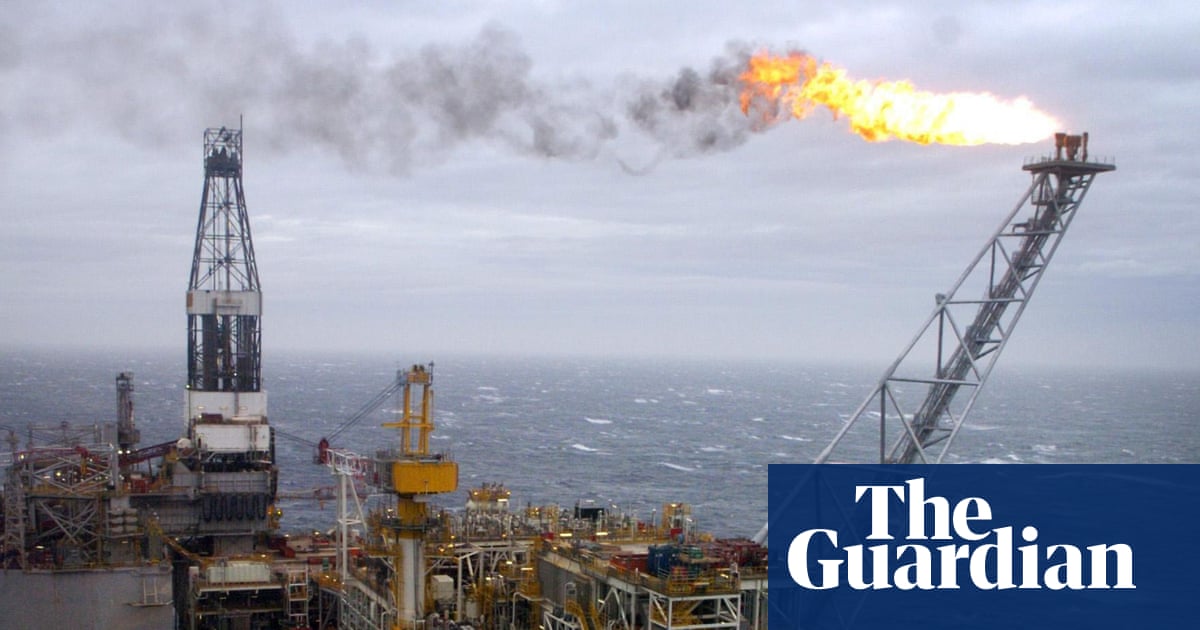
Attempting to eke out the remaining oil and gas from the North Sea was not the answer to the challenges facing the UK. It will not bring down the price for consumers, nor will it deliver long-term energy security. The international markets will determine the price and destination; that is not energy independence.
Environment
fromwww.aljazeera.com
1 day agoHow war on Iran turned Pakistan's LNG surplus into a looming shortage
At the start of this year, Pakistan had more imported liquefied natural gas (LNG) than it could use, with demand falling from a peak of 8.2 million tonnes in 2021 to 6.1 million tonnes by late 2025. The government sold excess gas shipments to other countries and shut down domestic gas wells to prevent pipelines from bursting under oversupply.
World news
#oil-markets
World politics
fromLondon Business News | Londonlovesbusiness.com
2 days agoCrude oil between geopolitical escalation and dollar pressure - London Business News | Londonlovesbusiness.com
Geopolitical factors and monetary conditions are significantly influencing global oil prices, reflecting uncertainty rather than traditional supply and demand.
fromwww.theguardian.com
2 weeks agoDamaged Russian tanker carrying natural gas floats into Libyan waters
The Arctic Metagaz was part of a Russian shadow fleet used to circumvent sanctions imposed on the country's oil and gas after its full-scale invasion of Ukraine in February 2022. It was struck in a suspected drone attack close to Maltese waters earlier this month, causing a huge hole.
Europe news
#trump

World news
fromIrish Independent
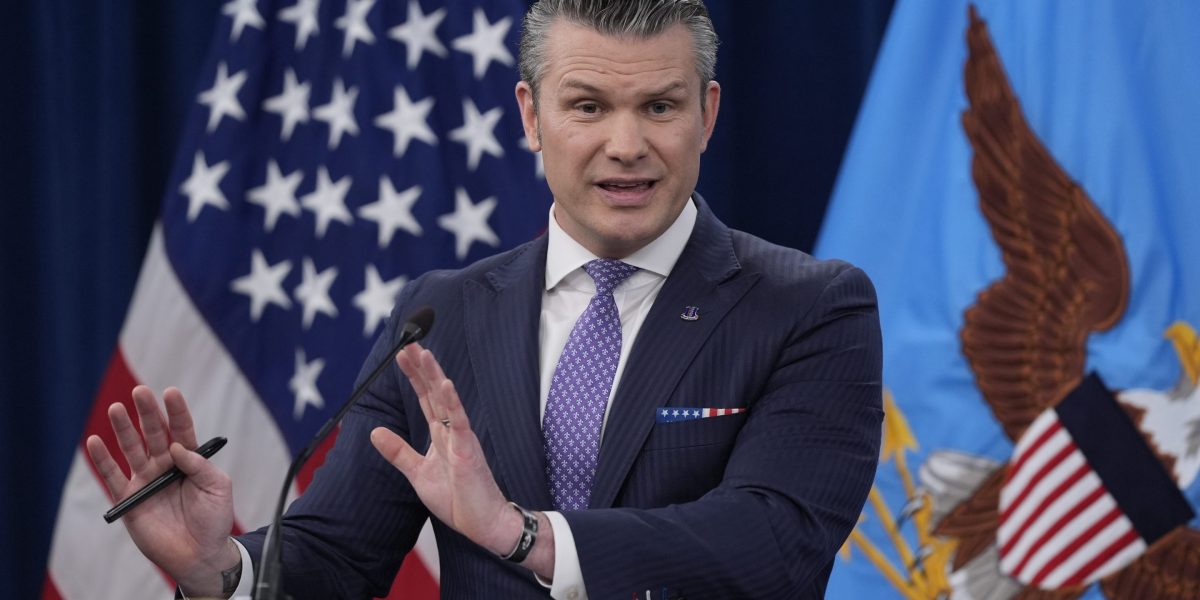
5 days agoTrump vows to 'obliterate' all of Iran's oil wells and energy plants unless Strait of Hormuz is 'immediately' opened; UN peacekeeper killed in Lebanon
Trump threatens to obliterate Iran's energy infrastructure if the Strait of Hormuz is not opened and a deal is not reached.
World news
fromLondon Business News | Londonlovesbusiness.com
5 days agoTrump signals he may seize Iran's Kharg Island in bid for oil - London Business News | Londonlovesbusiness.com
Donald Trump suggested the U.S. could seize Kharg Island, Iran's main oil export hub, raising tensions and fears of a regional confrontation.

Europe news
fromwww.theguardian.com
3 weeks agoDo we want to keep fixing the same issue? Unlearned lessons from the first big oil crisis
Europe's 1970s energy crisis responses—nuclear power, building insulation, renewables, and efficiency—were abandoned after Ukraine invasion, repeating fossil fuel dependency mistakes that now require accelerated green transition.

World politics
fromLondon Business News | Londonlovesbusiness.com
5 days agoWhat does the Middle East conflict mean for gold prices? - London Business News | Londonlovesbusiness.com
Gold's decline is influenced by a stronger dollar and rising oil prices, despite its historical role as a safe haven during uncertainty.
fromLondon Business News | Londonlovesbusiness.com
5 days agoGlobal markets react to geopolitical tensions and rising energy costs - London Business News | Londonlovesbusiness.com
U.S. financial markets experienced a volatile week, largely influenced by geopolitical developments in the Middle East and fluctuations in energy prices. Investor sentiment was driven primarily by external events rather than domestic fundamentals.
Business
Miscellaneous
fromwww.theguardian.com
1 month agoPower without a throne: how Khalifa Haftar controls Libya and is answerable to no one
Libya's control over Mediterranean migration routes and geopolitical instability makes it crucial to European security, with military strongman Khalifa Haftar wielding actual power despite competing governments.
fromwww.aljazeera.com
1 week agoHow important are the Gulf economies to the world?
The ongoing conflict between the US and Israel against Iran is creating significant challenges for Gulf Arab nations, which are already feeling the economic strain from rising tensions and instability in the region.
World politics


fromFortune
4 days agoEnergy 'vulnerable' India seeks U.S. help to produce more oil and wean itself off Russia, Middle East reliance amid geopolitical turmoil | Fortune
India remains "vulnerable" and lacking in energy security until it can produce at least 50% of its own oil. Billionaire industrialist Anil Agarwal believes India can grow to produce enough oil to meet 30% of its domestic demand within a few years.
World news
Business
from24/7 Wall St.
3 weeks agoU.S. supplies a third of world's LNG but only 3% of global oil exports
The U.S. dominates global LNG exports at one-third of supply but exports only 3% of global oil, creating structural price insulation for natural gas while leaving oil prices vulnerable to geopolitical disruptions.
fromwww.theguardian.com
3 weeks agoRussia earned 6bn from fossil fuel exports since start of Iran war, data suggests
When markets panic, authoritarian exporters cash in. In less than two weeks, Russia has earned an estimated 6bn from fossil fuel exports, money that ultimately feeds the Kremlin's war machine. Easing sanctions now would not stabilise markets. What it would do is allow Russia to sell the same oil for a far better price.
World politics
World news
fromLondon Business News | Londonlovesbusiness.com
3 weeks agoIEA Warns Iran Conflict Creating Severe Oil Supply Issues - London Business News | Londonlovesbusiness.com
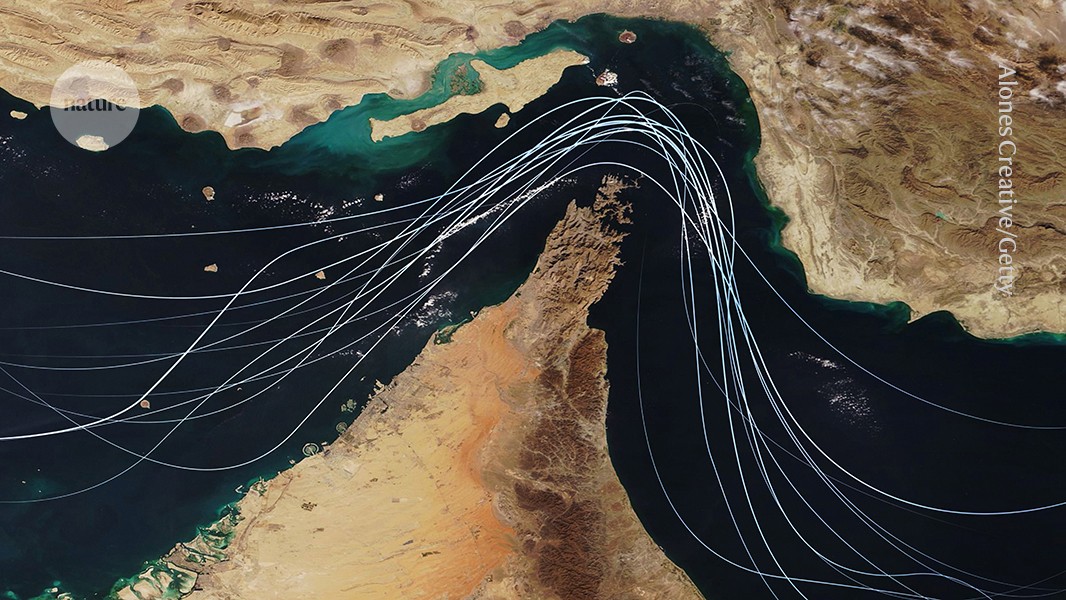
Iran-related conflict causes the largest global oil supply disruption in history, with Strait of Hormuz flow reduced to a trickle and anticipated 8 million barrel-per-day decline by March.
World news
fromenglish.elpais.com
3 weeks agoVenezuela opens its gold and gas-rich subsoil to the United States
Venezuela has opened its natural resources to U.S. companies, beginning with oil and expanding to mining operations including gold, bauxite, and coal, with new legislation facilitating foreign investment.
World news
fromFast Company
3 weeks agoIEA plans to release 400 million barrels of oil to curb the impact of war in Iran
The International Energy Agency released 400 million barrels of emergency oil reserves, the largest volume in history, to address market disruptions from Iran-related conflicts and Strait of Hormuz shipping halts.
World news
fromwww.theguardian.com
3 weeks agoWill releasing millions of barrels of oil stockpiles really bring down fuel costs?
The IEA released 400 million barrels of emergency crude oil, its largest reserve release in history, to address price shocks from geopolitical tensions affecting global oil supply.
World news
fromFortune
3 weeks agoThe Iran oil shock is really bad for countries in a region where cars and roads transport almost all food: Africa | Fortune
Rising oil prices from Middle East tensions threaten African economies through higher fuel costs, inflation, and currency weakness, as most African nations import petroleum products.
World news
fromwww.independent.co.uk
2 months agoLebanon signs gas exploration deal with international consortium amid economic crisis
Lebanon signed an offshore Block 8 gas exploration deal with TotalEnergies, ENI and Qatar Energy; The Independent seeks donations to fund free, on-the-ground journalism.
fromwww.aljazeera.com
2 months agoSyria's war-ravaged oil sector faces tough road to recovery, analysts say
The Syrian government's takeover of key oil and gas fields from the Kurdish-led Syrian Democratic Forces (SDF) in the country's northeast has raised hopes for the revival of its dilapidated energy sector after years of war and international sanctions. Syrian officials announced on Sunday that the government forces had taken control of several oilfields, including al-Omar, Syria's largest, and the Conoco gas complex in the country's north and northeast.
World news
[ Load more ]