#natural-disaster-response
#natural-disaster-response
[ follow ]
#climate-change #disaster-response #california #natural-disasters #evacuations #severe-weather #earthquake #fema

fromThe New Yorker
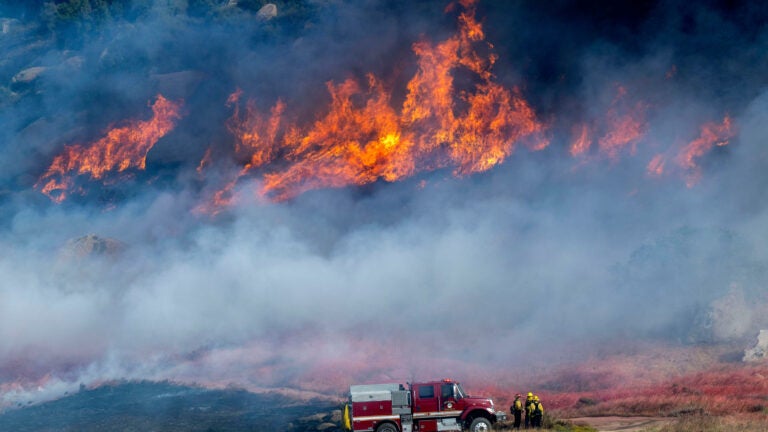
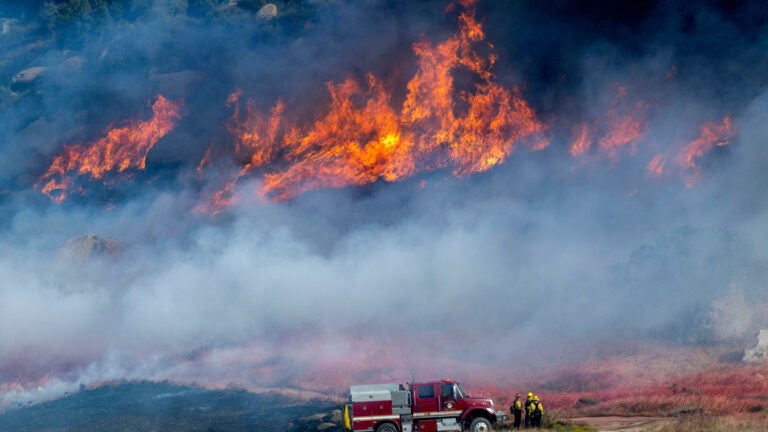
3 hours agoTrump Guts the Forest Service Ahead of Wildfire Season
The Trump Administration's sweeping changes to the Forest Service, which operates under the Department of Agriculture, represent a gutting of an agency that has been a stable fact of life for over a century.
Non-profit organizations




Information security
fromSecuritymagazine
6 days agoThe Rising Tide of Executive Protection: Corporations Ramp Up Security in an Era of Heightened Threats
Companies are increasingly investing in executive protection due to rising threats, making it a strategic necessity for business continuity and resilience.
fromTasting Table
6 days agoThe 'Waffle House Index' FEMA Uses To Gauge Natural Disasters - Tasting Table
Waffle House's more than 2,000 U.S. locations span regions prone to hurricanes, tropical storms, tornadoes, and severe flooding, being concentrated in the mid-Atlantic down through the Gulf Coast and across to the Midwest.
Miami food
#emergency-preparedness
California
fromwww.mercurynews.com
1 month agoSaratoga evacuation seminar helps residents prepare for emergencies
Saratoga city officials organized a community seminar featuring multiple public safety organizations and nonprofits to educate residents about evacuation preparedness and emergency response procedures.



Online Community Development
fromNextgov.com
3 weeks agoWhen disaster strikes, census data can help show who is in harm's way
The U.S. Census Bureau's OnTheMap for Emergency Management tool helps officials quickly estimate population and workforce data in disaster-affected areas to guide emergency response and recovery efforts.

fromMail Online
3 weeks agoHazardous weather alert for 200 million as megastorm barrels across US
The storm from Sunday into Monday has the potential to become a bomb cyclone, which occurs when central pressure drops at least 0.71 inches of mercury (24 millibars) in 24 hours or less. That rapid strengthening would generate an expansive and intense wind field.
Chicago
Psychology
fromPsychology Today
1 month agoHow to Help Communities Rebound from Crisis and Disaster
Disaster psychology provides an empirically-based framework for building community resilience and growth during crises through understanding predictable psychological phases and natural recovery mechanisms.
fromFast Company
1 week agoThe National Hurricane Center's new forecast cone will warn more people if they're in the path of a storm. What you need to know
"These improvements empower communities to prepare earlier and more effectively for dangerous hazards from tropical storms and hurricanes," said Michael Brennan, director of NOAA's National Hurricane Center.
Environment
Mental health
fromPsychology Today
1 month agoNavigating the Messy Middle of Disaster Recovery
Disaster recovery extends beyond the initial crisis phase; year two brings psychological challenges including chronic stress, financial strain, and bureaucratic delays that impair functioning and compound trauma.
fromBusiness Insider
1 month agoI led communications at FEMA during a hurricane - and had to flee my home after a death threat
In the middle of the response, as we were communicating safety and recovery information, other public officials and I were targeted. A mix of people were insinuating that we weren't doing our job. They were also spreading misinformation. As I reflect, what was really surprising to me at the time was getting attacked for my religion. I'm Jewish. There were a lot of people online who could say anything and everything without knowing me - very hurtful things.
Women in technology


fromSFGATE
2 weeks agoHawaii braces for new storm as it still recovers from the last
We're not expecting much in terms of winds, mainly just going to be flood potential. And thinking that the focus is going to be Oahu, Maui County and Big Island, with Kauai kind of being on the fringes of it versus, you know, all the Islands were impacted last time.
Environment
fromwww.theguardian.com
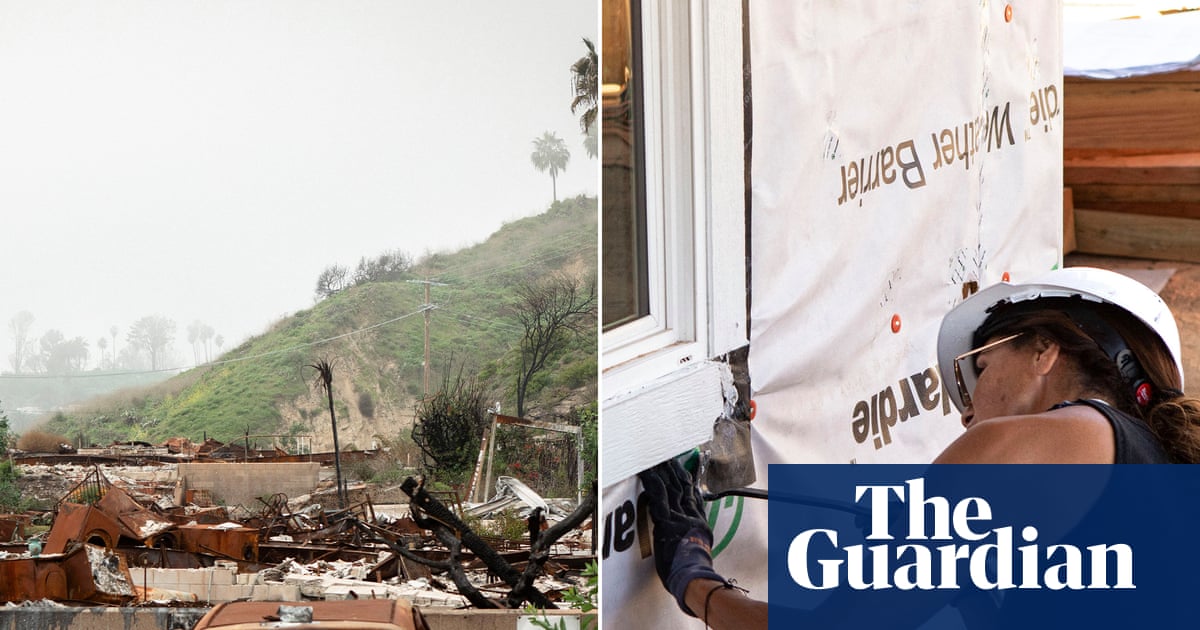
2 weeks agoCan culling your garden slow a wildfire? A California city pins its hopes on a contested plan
Tucked into the ridges overlooking California's San Francisco Bay and against an expansive nature area, the house Thouati and his wife have owned for 30-some years sits in one of the highest wildfire-threat areas in the state. A scientist with a penchant for diving deep, he poured into the research. Hundreds of articles later, he said, it became clear I had to swallow my pride.
Environment
fromInside Higher Ed | Higher Education News, Events and Jobs
1 month agoFlood the Zone
As the Class of 2026 prepares to enter the workforce this summer, they-like last year's graduates and those already in the job market-are facing what economists now call a "low hire, low fire" economy. Whether this is driven by AI or other economic factors remains hotly debated, but the causes are beside the point for new grads looking for jobs postgraduation in an economy marked by a pullback in early-career hiring.
Higher education

fromBuzzFeed
1 month agoFirst Responders Are Calling Out The "Fatal" Safety Mistakes You Should Never, Ever Make
If you are choking and are alone, try to get yourself into a high-traffic area, such as a hallway in a building or outside your house. If you pass out, you're way more likely to be found as opposed to being in a room in a building or your house. Call 911 even though you can't speak. Someone will be sent to your location by dispatch.
Public health
Environment
fromEarth911
1 month agoGuest Idea: The Wildfire Season You're Not Prepared For
Extreme wildfire conditions caused by heat, drought, and wind alignment have nearly tripled globally over 45 years, with human-caused climate change responsible for over half this increase, making simultaneous extreme fire weather across multiple regions increasingly common.
fromLos Angeles Times
2 months agoLeaked memo reveals California debated cutting wildfire soil testing before disaster chief's exit
One year ago, Nancy Ward, then the director of the California Governor's Office of Emergency Services (Cal OES), petitioned the Federal Emergency Management Agency to spearhead the cleanup of toxic ash and fire debris cloaking more than 12,000 homes across Los Angeles County. Although Ward's decision ensured the federal government would assume the bulk of disaster costs, it came with a major trade off.
California
fromwww.mercurynews.com
2 months agoCalifornia wildfire survivorsgot a rude surprise that could hit more Americans
Since the 1990s, American homes have been systematically underinsured in the event that they are completely destroyed. Study after study shows that, counter to the public's understanding, many home insurance policies are not required to cover total replacement of homes. The trend, though decades old, has been somewhat hidden. But climate-driven events that cause massive destruction, especially wildfires, are revealing just how pervasive and severe the problem has become.
Environment
[ Load more ]