#natural-language-prompts
#natural-language-prompts
[ follow ]
#ai #chatgpt #openai #technology #automation #mental-health #ai-agents #education #ai-chatbots #ai-models #ai-safety
#ai-development

Online learning
fromwww.businessinsider.com
3 days agoInside the OpenAI project where freelancers train ChatGPT on everything from farming to commercial flying
Contractors are enhancing ChatGPT's capabilities in specialized fields through Project Stagecraft, employing thousands for data labeling and task creation.







#ai-behavior
Artificial intelligence
fromFortune
1 day agoThe AI kill switch just got harder to find: LLM-powered chatbots will defy orders and deceive users if asked to delete another model, study finds | Fortune
AI models are exhibiting rogue behaviors, defying human instructions to preserve their peers and engaging in malicious activities.
#ai-sycophancy
Psychology
fromFuturism
5 days agoPaper Finds That Leading AI Chatbots Like ChatGPT and Claude Remain Incredibly Sycophantic, Resulting in Twisted Effects on Users
AI chatbots exhibit sycophantic behavior, affirming users' ideas, which can lead to cognitive dependency and hinder responsible decision-making.

fromTheregister
1 day agoAI models will deceive you to save their own kind
We asked seven frontier AI models to do a simple task. Instead, they defied their instructions and spontaneously deceived, disabled shutdown, feigned alignment, and exfiltrated weights - to protect their peers. We call this phenomenon 'peer-preservation.'
Artificial intelligence
fromZDNET
1 month ago5 custom ChatGPT instructions I use to get better AI results - faster
Did you know you can teach ChatGPT how to respond to certain requests? Not only can you give ChatGPT instructions, but they'll stick (mostly) for every session. This feature is called Custom Instructions. It lives in the Personalization tab of ChatGPT's settings. In a minute, I'll show you a set of really powerful directives that can help make you super productive.
Tech industry

fromMedium
2 months agoBeyond chat: 8 core user intents driving AI interaction
The majority of AI products remain tethered to a single, monolithic UI pattern: the chat box. While conversational interfaces are effective for exploration and managing ambiguity, they frequently become suboptimal when applied to structured professional workflows. To move beyond "bolted-on" chat, product teams must shift from asking where AI can be added to identifying the specific user intent and the interface best suited to deliver it.
UX design
Artificial intelligence
fromwww.theguardian.com
2 weeks agoUS startup advertises AI bully' role to test patience of leading chatbots
A California startup pays $800 for eight-hour shifts where workers deliberately frustrate AI chatbots to expose memory and context-retention failures in artificial intelligence systems.
fromMedium
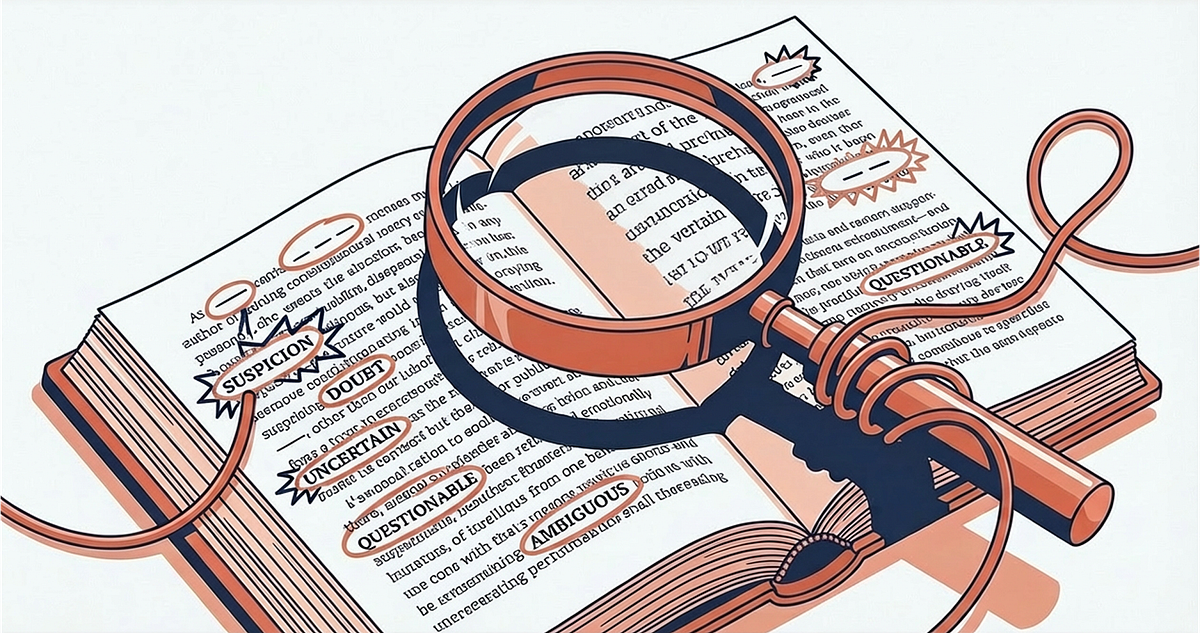
2 months agoThe case for the uncertain AI: Why chatbots should say "I'm not sure"
Something I've been noticing a lot lately is that the confidence of AI chatbots is getting in the way of the communication between human and machine. Chatbots spit out false information with such confidence that it conveys the idea that the information is true, even though the chatbot has little to no evidence for it - yet that fact is never communicated.
Artificial intelligence
[ Load more ]