Travel
fromwww.businessinsider.com
2 hours agoThe new vacation flex? Waking up without a hangover.
Sober tourism is rising, especially among Gen Z, who prioritize wellness and experiences over alcohol during vacations.
These reefs are living, breathing snapshots of a watery world that you can peek into: refreshing oases where the noise of the land falls away; in its place, an intricate and utterly at-ease slice of life that you're lucky enough to witness.
According to color psychology, this soothing shade helps decrease stress and improve focus-and travelers can reap these much-deserved benefits in lush landscapes around the world. Here are 10 of the greenest places on earth, which combine serenity with unforgettable adventures.
Barlochan cottage, featured in episode six of the romantic drama, officially opens to guests on 3 March. Tucked away in a serene part of Muskoka, Canada, the villa sports three bedrooms, each with king-size beds, an open-plan kitchen, and a beautiful view of the Canadian wilderness.
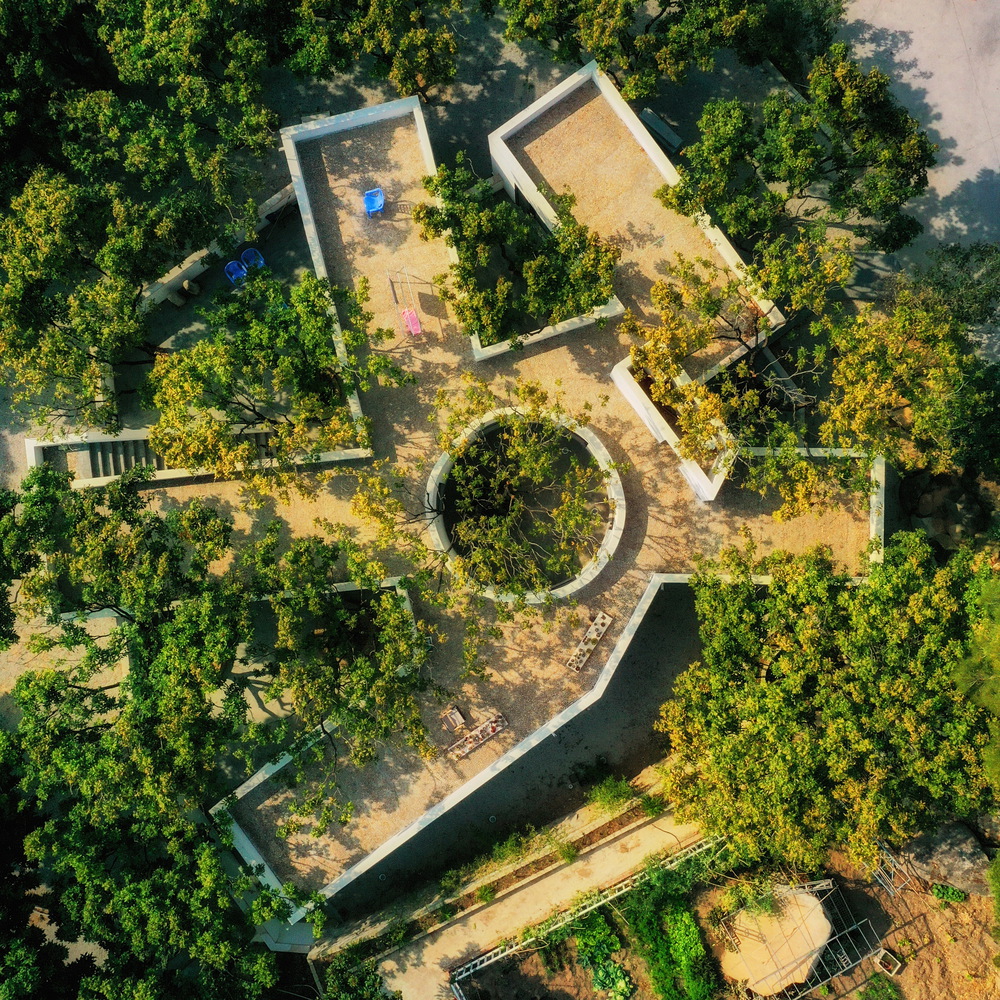
Residential architecture remains one of the most active fields for unbuilt architectural exploration, offering a lens through which architects rethink how domestic space can respond to landscape, climate, and contemporary patterns of living. In this Unbuilt edition, submitted by the ArchDaily community, the selected proposals bring together a range of residential projects that engage with houses, villas, and retreats as sites of withdrawal, mediation, and everyday inhabitation.
Rural Middleville is far from a bustling metropolis, best known for the Herkimer Diamond Mines, which are only open seasonally. But solitude is the allure in this town and at this Airbnb; it's a place to unwind and relax with no agenda. Cohosted by For The Love of Upstate, a host with a collection of restored properties in the area, the listing promised a private in-home spa, thoughtful details with comfort at the helm, and stunning river views.
The idea that hiking trails are a tool for conservation is based on a simple premise: people protect what they know. That requires making conservation areas accessible. There's no point telling people you only protect what you know, if you don't give them the tools to know. The trail is this tool. People who hike, people who camp, these people often become defenders of the environment.
Demand for safari holidays is growing, so how can you do it without harming animals, people or the landscape? Last summer, images were shared of a scene in Tanzania's Serengeti National Park - a large group of jeeps and dozens of tourists standing outside taking pictures of 'The Great Migration' and blocking wildebeests' traditional crossing point. Jeep traffic jams have also been widely reported in other parks, including Sri Lanka's Yala, known for its high density of leopards.
The world spends 30 times more money destroying nature than protecting it. That's according to a new report from the United Nations Environment Programme (UNEP) that exposes a massive gulf between so-called "harmful investments" and financing that promotes nature preservation. The global environment agency's latest "State of Finance for Nature" (SNF) report is calling to phase out the US$7.3 trillion (6.2 trillion) in global investments that damage nature including into high-emissions energy infrastructure and manufacturing, for example.
On a cool, rainy afternoon in the wilds of Laikipia, Kenya, I am lying in savasana, or corpse pose, beside a log fire in the pool house of Enasoit Camp. The teacher, Laura Bunting, gently intones a yoga nidra to our small, all-female group, during which I slip in and out of a hypnotic half-light state, only vaguely aware of the sound of rain on the thatched roof and the percussive efforts of a nearby woodpecker.
When the time comes to begin working on our annual travel trends of 2026 list, I get to thinking about the year that's just passed (somehow always so much quicker than the last) and the trends that shaped how we traveled. If I could sum up 2025, it would be the year that we let the stars dictate our destinations; sought out intrepid supper clubs; detoured to lesser-known spots and tried our (ranch) hand at cowboycations (thank you, Yellowstone).
No doubt a response to the extreme digital connectivity of the world, but small and secret hotels have never felt more appealing than right now. The ultimate antidote to the 'see and be seen' scene. Extreme exclusivity is the name of the game here - where there's no waiting times for check-in, no scrounging around for a sun lounger, and staff greet you like family.
.jpg)


%20Nayara%20Tent%203%20LR.jpg)