#neiman-marcus-acquisition
#neiman-marcus-acquisition
[ follow ]
#luxury-retail #retail #retail-strategy #customer-experience #e-commerce #saks-fifth-avenue #consumer-trends
fromFortune
5 days agoNordstrom's $6.25 billion deal to go private is paying off-and don't expect an IPO anytime soon | Fortune
"When you're a public company, your scorecard is your stock price, and that has a lot to do with the results you generate. If the investment community doesn't think very highly of department stores, which they don't, your multiple goes down."
Business
Canada news
fromBusiness Insider
2 weeks agoEddie Bauer's nearly 200 stores in the US and Canada are expected to close after a failed sale effort
Nearly 200 Eddie Bauer stores across the US and Canada are closing after failing to find a buyer during Chapter 11 restructuring, with liquidation sales ending before April 30.
fromwww.businessinsider.com
2 weeks agoI visited an Eddie Bauer store, and it quickly became clear why the retailer is closing locations
Business Insider reported on Monday that nearly 200 Eddie Bauer locations in the US and Canada are expected to close after the operating entity behind the stores failed to find a buyer during its Chapter 11 restructuring.
Fashion & style
Chicago
fromFast Company
3 weeks agoSaks Fifth Avenue store closures update: See the full list of doomed locations in 12 states
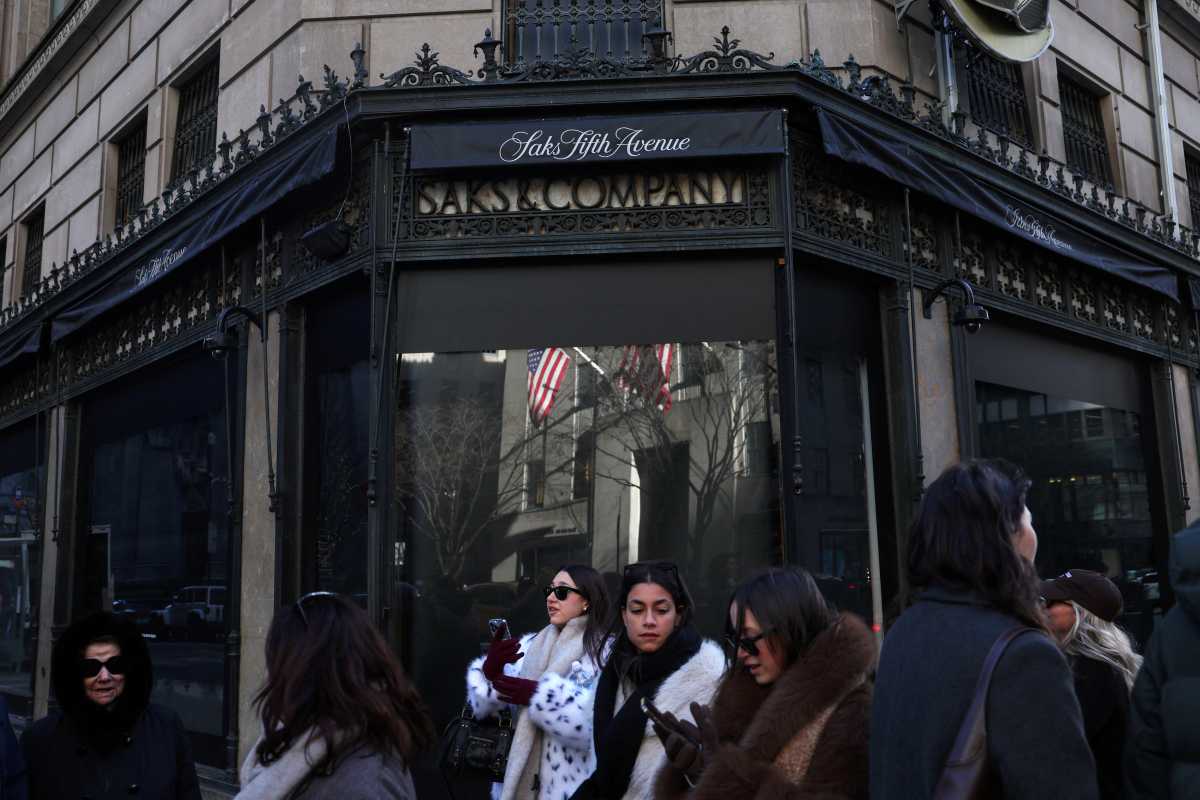
Saks Global announced 15 additional store closures on March 6, 2026, as part of restructuring following its January bankruptcy filing, with closing sales beginning March 13, 2026.
Fashion & style
fromFortune
2 weeks agoNordstrom's 'glow-up': How going private is helping the retailer thrive as Saks Global languishes | Fortune
Nordstrom's strategic renovations across its flagship store and department chain, including beauty and jewelry overhauls, have driven sales to record $15.9 billion in 2025, surpassing pre-pandemic levels.
LA real estate
fromtherealdeal.com
3 weeks agoUltra-luxury buyers hold upper hand in LA as agents make sense of new normal
The ultra-luxury real estate market shifted from a seller's market to a buyer's market in 2025, with increased price reductions and longer listing times despite continued high-value sales.
fromNewsday
4 weeks agoLong Island's last Saks Fifth Avenue store to close
These actions are designed to advance Saks Global's transformation with a focus on serving luxury customers, strengthening brand partner relationships and driving full-price selling to enable profitable and sustainable growth.
Upper West Side
New York City
fromtherealdeal.com
3 weeks agoData confirms: Mamdani effect never reached NYC luxury market
New York's luxury real estate market surged after the November election, with contracts rising 24 percent and median listing discounts declining, indicating buyer confidence rather than wealthy residents fleeing the city.
Fashion & style
fromBusiness Insider
3 weeks agoHow Gap brand's CEO has brought it back to relevance
Gap is experiencing a major comeback among younger shoppers through affordable essentials, strategic partnerships, and social media influence, driving significant sales growth and renewed brand relevance.
fromLos Angeles Times
12 years agoNew York developer buys Melrose Place shops
While developer Zach Vella was negotiating the recent purchase valued at about $30 million, former child stars turned fashion designers Mary-Kate Olsen and Ashley Olsen agreed to rent space in his three-building complex in the 8400 block of Melrose Place for the first outlet of their luxury apparel line, the Row.
LA real estate



fromSFGATE
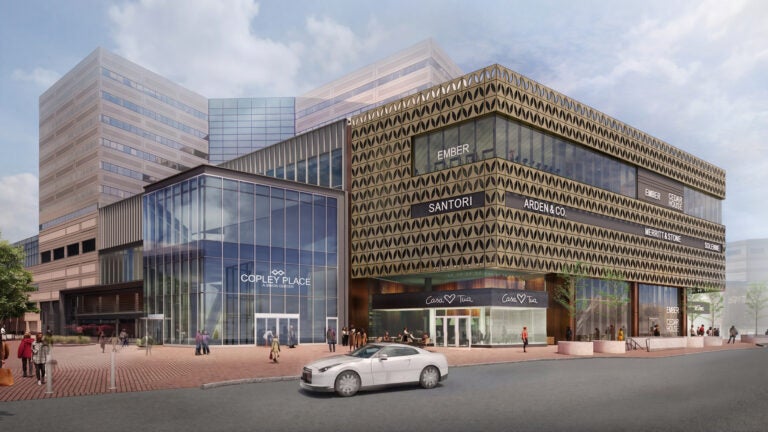
2 months agoVacant Bay Area Neiman Marcus at suburban mall to be site of luxury restaurant
In an earnings call on Nov. 6, 2024, Douglas J. Healey, senior executive vice president of leasing for Macerich, which owns the mall, announced that RH (formerly Restoration Hardware) had signed a lease to take over the 50,000-square-foot building at 1000 S. Main St. Neiman Marcus closed the prominent corner location in 2021 after filing for bankruptcy the year before.
East Bay real estate
fromBusiness Matters
2 months agoNext buys Russell & Bromley out of administration as 33 shops face uncertainty
The high street fashion group has acquired the Russell & Bromley brand, three of its 36 standalone stores and a tranche of existing stock, for which it is paying a further £1.3 million. The remaining 33 stores, along with nine concession outlets employing around 400 people, are not included in the transaction and are now under review by administrators. Administrators Interpath said the non-acquired stores would continue trading for now while options are explored, including potential closures or further sales.
UK news
fromBusiness Matters
1 month agoLuxury brands urged to protect margins as profits slide
Profit margins at the world's largest luxury goods companies have almost halved in just three years, prompting calls for more disciplined cost management that preserves brand equity while restoring profitability. Research from supply chain consultancy Inverto, part of Boston Consulting Group, shows that the average operating margin across the 20 biggest luxury groups has fallen from 24 per cent in 2022 to 13 per cent today.
Fashion & style
fromBusiness Matters
2 months agoLVMH results point to prolonged pressure across the luxury market, says GlobalData
Regional performance remained uneven. Asia excluding Japan saw organic sales fall 4%, underperforming the group average as consumer spending in China remained subdued amid ongoing economic headwinds. Despite this, LVMH continued to invest heavily in the region, including the opening of a ship-shaped Louis Vuitton flagship in Shanghai in June 2025 and a new Dior store in Beijing in December, both of which have begun to gain traction.
Fashion & style
fromThe Business of Fashion
1 month agoQuince Appoints First Head of Brand Strategy and Narrative
In the new position, Isaacs will be leading Quince's global brand strategy, positioning and storytelling, and is tasked with deepening the San Francisco-based startup's emotional relationship with consumers. Quince has scaled rapidly since its founding in 2018, with sales having doubled to over $700 million last year. But the $4.5 billion company has struggled to shrug off its reputation as a dupe maker.
Marketing
Fashion & style
fromBusiness Insider
2 months agoRoss is stocking up on brands like Gucci and Hoka - and it's luring shoppers on the hunt for a deal
Ross stores increasingly sell higher-end brands like Gucci, Hoka, Kate Spade, and Michael Kors, enhancing a treasure-hunt value proposition and attracting deal-seeking shoppers.
Marketing
fromLondon Business News | Londonlovesbusiness.com
2 months agoMerchandise as a media channel how brands use products to influence buyer behaviour - London Business News | Londonlovesbusiness.com
Strategically used B2B merchandise functions as an owned media channel, sustaining brand visibility, credibility, and influence throughout long, multi-stakeholder purchasing cycles.
Business
fromFortune
2 months agoSaks files for bankruptcy as its CEO sees 'defining moment' after multibillion-dollar Neiman Marcus takeover | Fortune
Saks Global filed for Chapter 11 bankruptcy after taking on massive debt from the Neiman Marcus acquisition, while stores will remain open during restructuring.
fromThe Business of Fashion
2 months agoThe Top 10 Contemporary and Accessible Luxury Fashion Brands Leading Customer Engagement
Last year, traditional luxury brands struggled to keep the attention of aspirational shoppers, and it was their lower-priced counterparts that swooped in to fill the gap. The formerly squeezed middle of the market - sitting below pure luxury labels but above mass-market brands - was able to capitalise on luxury's ever-growing prices and perceived lack of innovation. Tightening consumer budgets also played a part.
fromInverse
1 month ago65 super popular, bougie things that are selling out on amazon
While the internet is wide with chic items that may catch your eye, there's no better sign of what's truly on trend and worth a buy than seeing something consistently fly off the virtual shelves. Whether that's a viral collagen mask or a wine accessory that will keep your drinks colder, longer, some of the best and bougiest items are the ones shoppers just can't get enough of. But if you're not yet convinced, continue ahead for a curated edit of the best of the best.
Fashion & style
Business
fromwww.independent.co.uk
1 month agoInside the deal to buy out one of Britain's most iconic brands and what comes next
Independent seeks donations to fund paywall-free journalism and to report on issues from reproductive rights and climate change to Big Tech while noting Gola's Marubeni-backed revival.
from24/7 Wall St.
2 months agoDid Lands' End Just Become a Must-Buy Retail Stock?
Under the agreement, Lands' End contributes its intellectual property, including trademarks and existing license agreements, to a new 50/50 joint venture. WHP Global will pay $300 million in cash for a 50% controlling stake. Lands' End will then enter a long-term license agreement with the JV to operate its core direct-to-consumer and B2B businesses, with the license exclusive for core products and non-exclusive for other categories.
Fashion & style
fromBusiness Insider
2 months agoAmazon is not happy with Saks
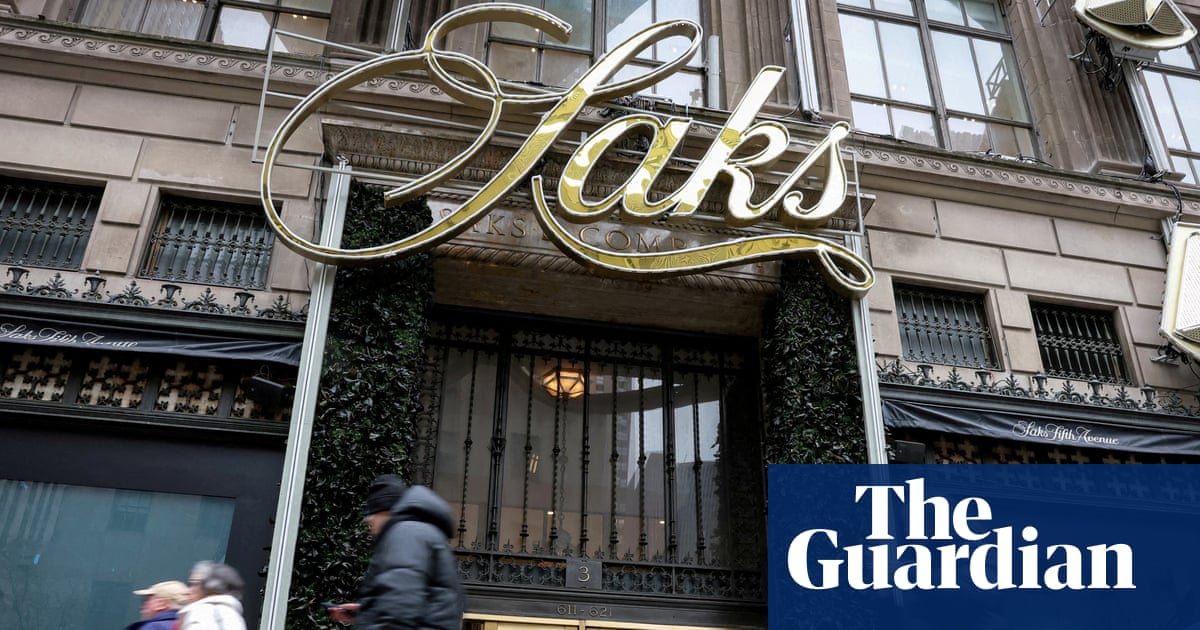
That equity investment is now presumptively worthless after Saks continuously failed to meet its budgets, burned through hundreds of millions of dollars in less than a year, and ran up additional hundreds of millions of dollars in unpaid invoices owed to its retail partners," Amazon's attorneys wrote in a court filing on Wednesday, just hours after Saks Global filed for Chapter 11 with a $1.75 billion financing package.
E-Commerce
Fashion & style
fromTravel + Leisure
2 months agoNordstrom's Long Weekend Sale Is Packed With Shockingly Good Deals-Shop Our Top Picks Up to 81% Off, From $12
Nordstrom's sale offers deeply discounted travel essentials—shoes, cashmere sweaters, jackets, and luggage—with prices from $12 and discounts up to 81%.
[ Load more ]