UK politics
fromBusiness Matters
4 hours agoLabour's tax uncertainty is pushing Britain's wealthiest towards the exit
Britain's ultra-wealthy are considering leaving due to unstable fiscal policies rather than high tax rates.
HYBL attempts to solve the income problem by combining senior loans, high-yield corporate bonds, and debt tranches from U.S. collateralized loan obligations (CLOs). The result is a portfolio with lower duration and lower volatility compared to traditional high-yield funds, while still targeting high current income with monthly distributions.
High energy prices are kryptonite for the housing market. Affordability, especially for those first-time home buyers, is now an elusive dream until oil prices come down and interest rates come down.
"Oil prices are higher again this morning, but Treasury yields are lower as the risks to economic growth begin to take precedence over the risks to inflation," Oxford Economics said in a note on Monday.
Druckenmiller founded Duquesne Capital Management in 1981, which went on to deliver average annual returns of 30% without a single losing year. Every other major investor you know today has had at least some losses, but not Druckenmiller.
"Clearly, we look close and every day on the situation. It has a direct impact on store opening and store performance because there's not many tourists or less tourists shopping." - Daniel Grieder, CEO of Hugo Boss.

"The wealthy who are at financial risk are high earners whose lack of budgeting and profligate spending has them overleveraged and exposed. While they appear to be doing well from the outside, they are only a step away from real financial trouble."
Ellison has seen his personal wealth slump by an unrivaled $47 billion to $200 billion as of Tuesday's close, reflecting a 23% plunge in Oracle stock year to date. Investors have grown more skeptical about the database giant's AI infrastructure buildout, particularly as big names such as Michael Burry of "The Big Short" have warned the strategy won't pay off.
EDIV tracks a yield-weighted index of dividend-paying companies across emerging markets. Rather than weighting by market cap, the fund tilts toward companies paying the highest dividends relative to their size. Banks, telecom operators, and consumer staples dominate the portfolio. The top positions include Brazilian beverage giant Ambev, Brazilian bank Bradesco, China Railway Group, and a cluster of Taiwanese industrials and telecom names.
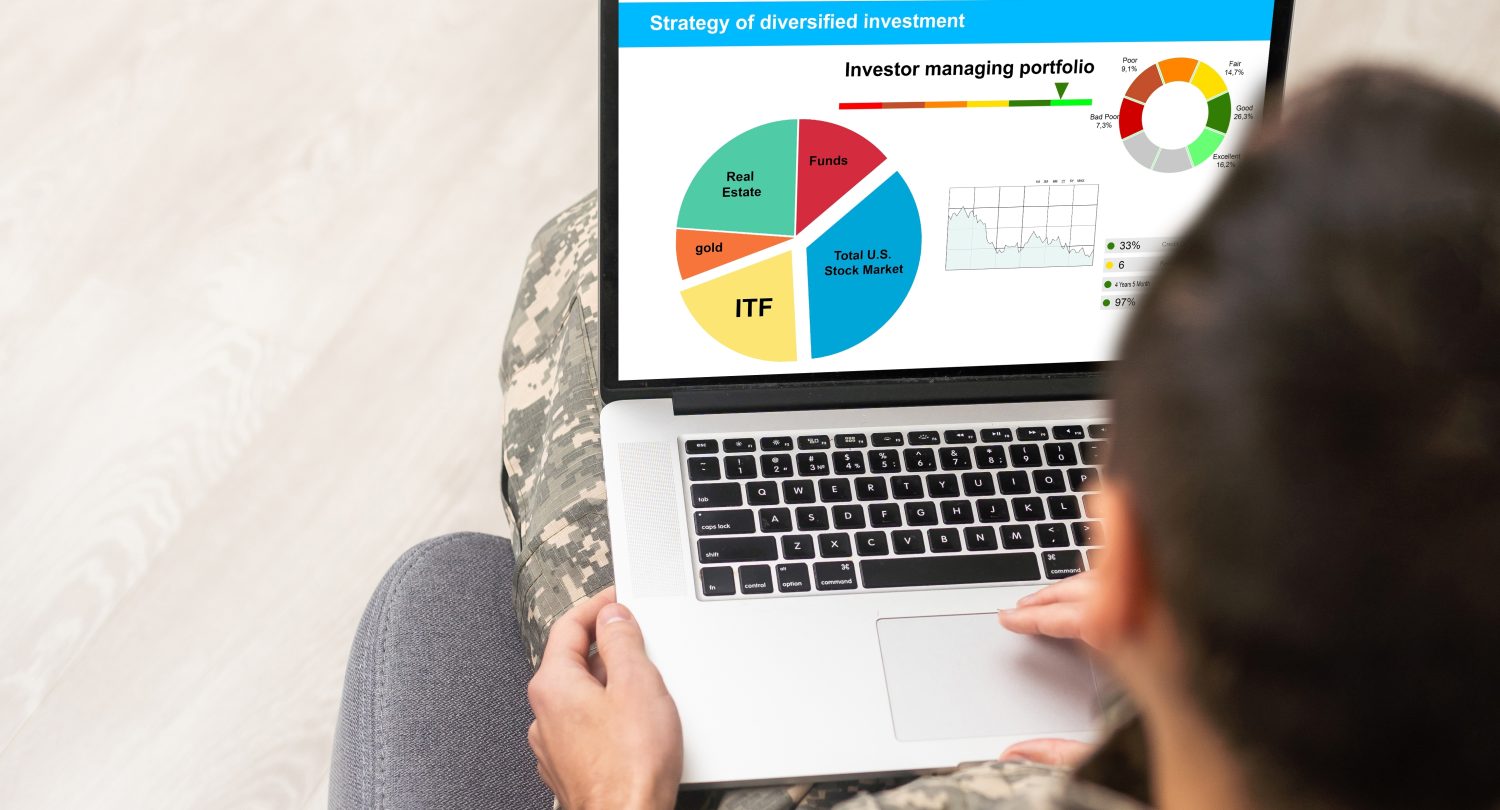
While over-diversification is not a term you hear often, the financial industry has spent decades telling investors that more is better. More funds, more sectors, more geographic exposure, and more asset classes, galore. The thing is, when a retiree holds 15 or 20 ETFs across overlapping strategies, the result isn't going to be safety, more like dilution.
He said that while many people set target retirement ages, people in the FIRE movement set target portfolio numbers. Unfortunately, he believes this is "inherently riskier" because you're biased towards being exposed to risk as long as possible to help your wealth grow quickly - unlike people who usually rebalance their portfolios and shift to safer assets as their retirement age nears.