#neurodegenerative-diseases
#neurodegenerative-diseases
[ follow ]





fromwww.theguardian.com
2 weeks agoStrong evidence' of lowered dementia risk: the benefits of shingles vaccination
Shingles is a viral infection caused by the varicella-zoster virus, which also causes chickenpox. If you've had chickenpox, the virus stays in your body and can reactivate later in life as shingles at any age, though most commonly after 50. While caused by the same virus, shingles and chickenpox are not the same illness. They present differently because, while chickenpox is the initial infection, if and when the virus reactivates, it travels along nerve pathways to the skin, producing shingles.
Alternative medicine
#dementia
fromSilicon Canals
3 weeks agoParenting
The cruelest thing about dementia isn't the forgetting - it's the afternoon your mother looks at you with perfect clarity, says something so sharp and specific it could only come from the woman she was before, and then it closes like a window, and you spend the drive home trying to decide if that moment was a gift or the worst kind of goodbye - Silicon Canals


Parenting
fromSilicon Canals
3 weeks agoThe cruelest thing about dementia isn't the forgetting - it's the afternoon your mother looks at you with perfect clarity, says something so sharp and specific it could only come from the woman she was before, and then it closes like a window, and you spend the drive home trying to decide if that moment was a gift or the worst kind of goodbye - Silicon Canals
Moments of clarity in dementia patients are emotionally devastating because they offer false hope before the person disappears again into confusion.

fromIndependent
4 days ago'Motor neurone disease had never crossed my mind, but in that moment I was told, my life changed forever'
When Lorraine Kelly Donnelly felt a cramp in her left hand at the start of 2025, she didn't think anything of it. But when a week later the pain was still there, she made an appointment to see her GP.
Medicine
Mental health
fromBusiness Insider
3 weeks agoI'm in my 50s, and my brain fog scares me. Now I'm doing everything I can to give my memory a boost.
Cognitive concerns from memory lapses prompted adoption of multiple mentally stimulating activities including comedy, drum lessons, and tap classes to maintain brain sharpness with age.
fromNews Center
1 month agoAs Superagers Age, They Make at Least Twice as Many New Neurons as Their Peers - News Center
We've always said that SuperAgers show that the aging brain can be biologically active, adaptable, flexible, but we didn't know why. This is biological proof that their brains are more plastic, and a real discovery that shows that neurogenesis of young neurons in the hippocampus may be a contributing factor.
Science
fromwww.scientificamerican.com
3 weeks agoThe gut microbiome may influence brain aging, mouse study suggests
Young, two-month-old lab mice housed with older, 18-month-old mice showed really impaired cognition. Researchers exposed young mice raised in a sterile, microbe-free environment to gut bacteria from old mice, causing the younger animals to perform worse on cognitive tests, as if they had prematurely aged, just like the cohoused mice.
Medicine



fromSilicon Canals
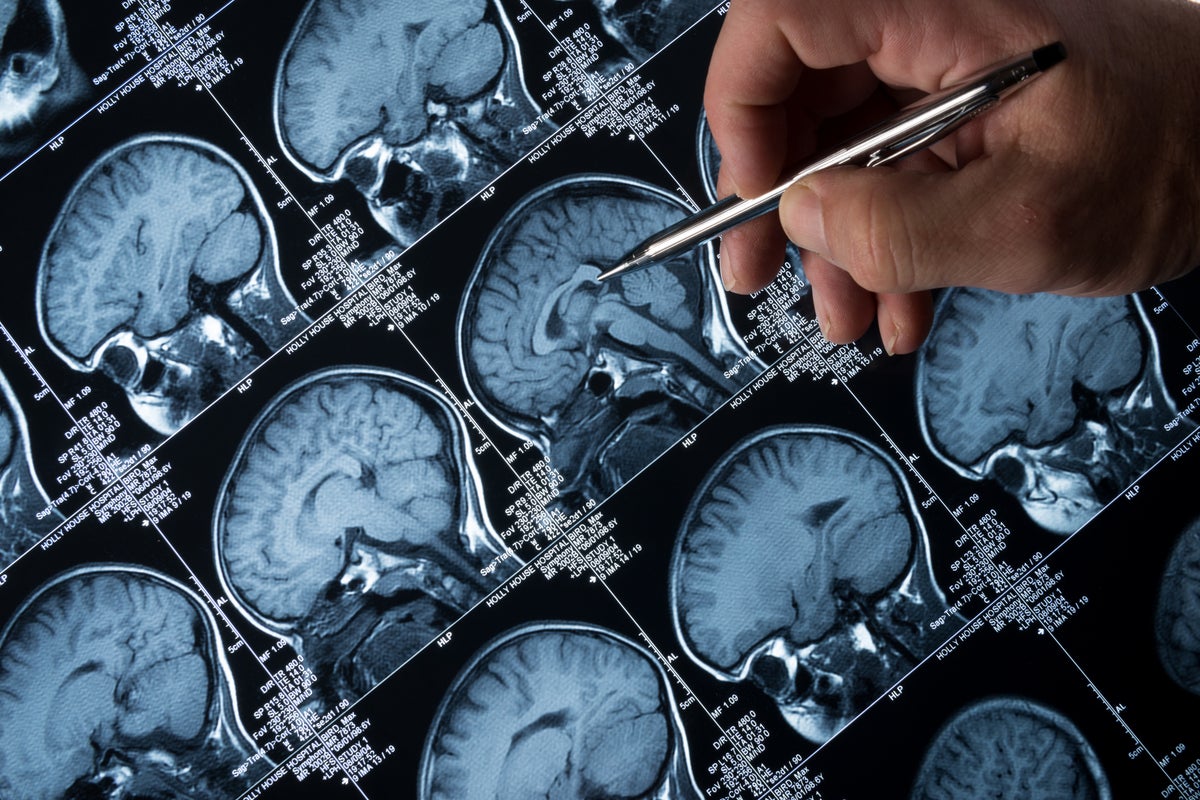
1 month agoNeurologists reveal the everyday habit that doubles your dementia risk - Silicon Canals
A groundbreaking study found that adults who sit for 10 or more hours daily face a significantly higher risk of dementia compared to those who sit less. The research, which tracked over 50,000 adults using wearable devices, revealed that the risk increases dramatically after crossing that 10-hour threshold.
Health
fromPsychology Today
1 month agoCould Glial Cells Be the Key to New Schizophrenia Treatments?
Anyone living with schizophrenia understands the true limitations of current treatment options. Antipsychotics remain the single leading treatment for the disorder, and they are riddled with undesirable side effects. Weight gain, tardive dyskinesia, and excessive drowsiness are a few. Much research is devoted to expanding the range of medication options, and few academics have pursued other avenues. However, there is a possibility that treatment for schizophrenia can be approached through cellular methods if long-term research validates early signs of hope.
Mental health
fromFast Company
17 years agoTalking About Nerve!
I received an email recently that claims Wal-Mart senior management has been calling mandatory meetings for the company's employees in which the employees are told they "cannot" vote for the Obama-Biden ticket "or any other employee-friendly, union-friendly candidates for political office". It's not an urban legend, according to the sources I checked. This makes me so angry I just boil. When it comes to the Constitution, I am a rabid supporter.

Science
fromNews Center
2 months agoTargeting Key Proteins in Fight Against ALS - News Center
RAD23 controls both degradation and stabilization of misfolded proteins; reducing RAD23 enhances clearance of disease-linked aggregates, offering a therapeutic target for neurodegenerative proteostasis dysfunction.

Health
fromSilicon Canals
2 months agoDoctors are frantically warning people to STOP doing this one thing before bed - it's linked to early cognitive decline - Silicon Canals
Bedtime smartphone use and late-night screen exposure disrupt sleep and memory consolidation, causing measurable cognitive decline and impaired memory function.
fromPsychology Today
2 months agoWhen Memory Worries Deserve Attention
Most people will forget a name, misplace their phone, or lose track of a conversation at some point. Usually, those moments pass without much thought. But for many adults, especially as they age, small lapses can trigger a much deeper fear: Is this the beginning of cognitive decline? As a neurologist, I hear this concern often. And as a researcher, I have learned something important: Worry about cognition and cognitive disease are not the same thing.
Mental health



fromwww.nytimes.com
2 months agoBrain Health Challenge: Workouts to Strengthen Your Brain
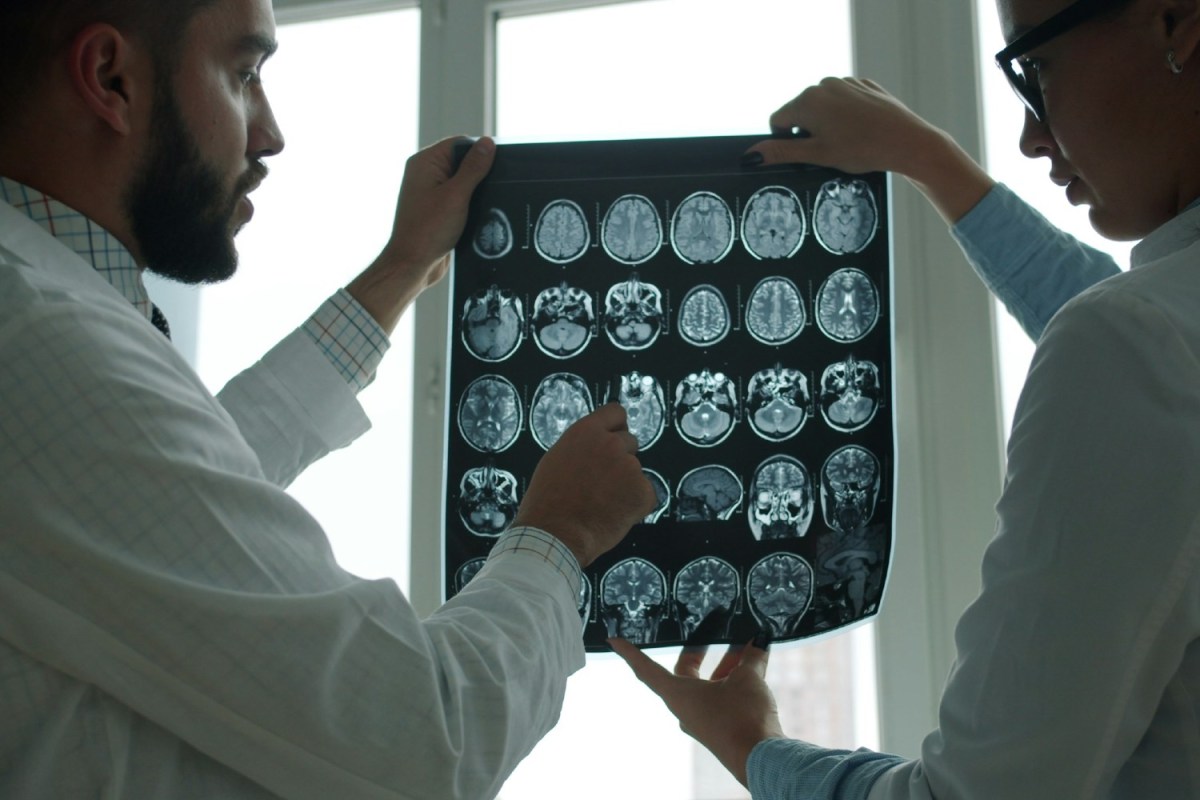
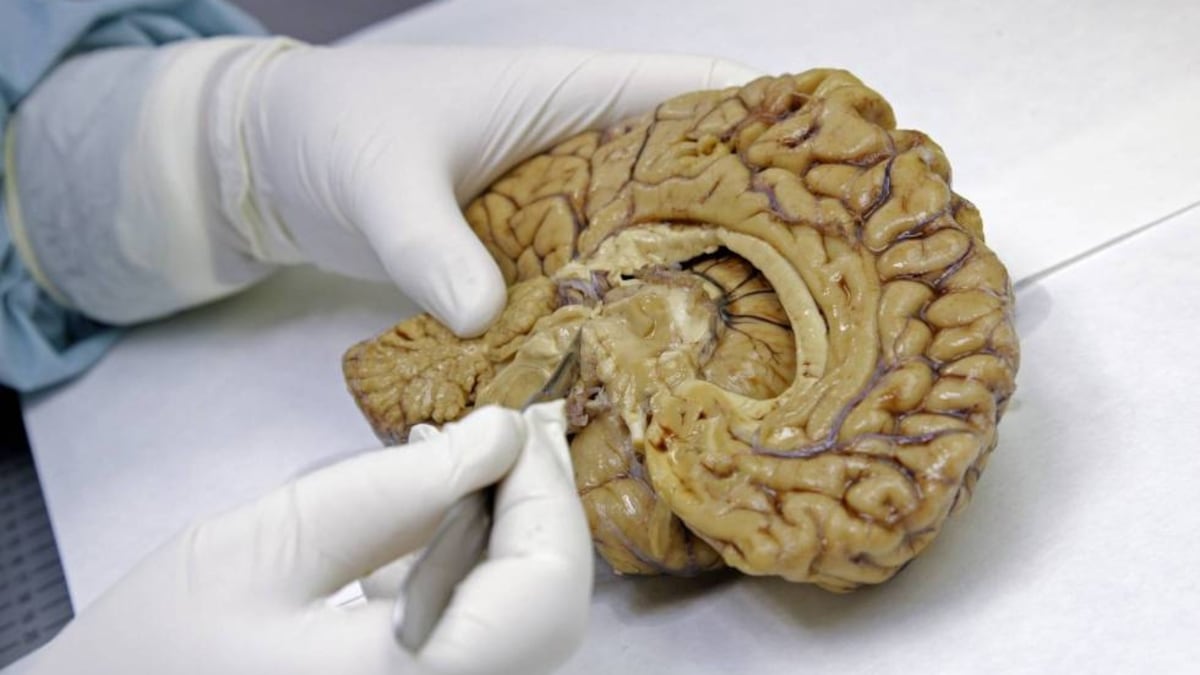
When I asked neurologists about their top behaviors for brain health, they all stressed the importance of physical activity. Exercise is top, No. 1, when we're thinking about the biggest bang for your buck, said Dr. Gregg Day, a neurologist at the Mayo Clinic. Numerous studies have shown that people who exercise regularly tend to perform better on attention, memory and executive functioning tests. There can be a small cognitive boost immediately after a workout, and the effects are sustained if people exercise consistently.
Health
fromwww.nytimes.com
2 months agoBrain Health Challenge: Try a Brain Teaser
Decades of research show that people who have more years of education, more cognitively demanding jobs or more mentally stimulating hobbies all tend to have a reduced risk of cognitive impairment as they get older. Experts think this is partly thanks to cognitive reserve: Basically, the more brain power you've built up over the years, the more you can stand to lose before you experience impairment.
Public health
fromPsychology Today
2 months agoThe Inflamed Brain in Psychiatric Disorders
A recent study published in Biological Psychiatry identified a distinct subtype of psychiatric illness marked by brain inflammation, one that cuts across traditional diagnoses and may explain why standard treatments fail for some people (Tang et al., 2025).This new brain imaging study offers an interesting clue. It turns out that across different psychiatric disorders, some people show clear signs of brain inflammation, visible on scans and confirmed through immune system tests.
Mental health
fromwww.scientificamerican.com
1 month agoAlzheimer's blood tests may predict when a person will develop symptoms
But questions remain about the accuracy and uncertainty of these tests, and experts caution that the assays aren't ready for prime time. While the results here are encouraging, they are not yet at the level of having significant clinical benefit for individual patients, says Corey Bolton, a clinical neuropsychologist and an assistant professor of medicine at Vanderbilt University Medical Center, who was not involved in the new study.
Medicine
Medicine
fromSilicon Canals
1 month agoIf you're over 65 and these 8 things come naturally to you, your cognitive health is exceptional - Silicon Canals
Certain habits and abilities—like learning new technology, strong memory for recent conversations, and cognitive flexibility—predict preserved memory and brain health in older adults.
fromwww.theguardian.com
2 months agoAlzheimer's therapies should target a particular gene, researchers say
New therapies for Alzheimer's disease should target a particular gene linked to the condition, according to researchers who said most cases would never arise if its harmful effects were neutralised. The call to action follows the arrival of the first wave of drugs that aim to treat Alzheimer's patients by removing toxic proteins from the brain. While the drugs slow the disease down, the benefits are minor,
Medicine
fromMail Online
1 month agoBacteria found the eyes could drive dementia, experts discover
To make their discovery, researchers examined donated eye tissue from more than 100 people who had died with Alzheimer's, mild cognitive impairment or no signs of dementia. They were looking specifically for C. pneumoniae, because previous research has already linked it to Alzheimer's. The bacteria has also been detected in brain tissue from patients who died with the condition, sometimes found close to the sticky amyloid plaques and tangles believed to drive memory loss and confusion.
Medicine
fromNature
1 month agoDaily briefing: Caffeine might reduce dementia risk and slow cognitive decline
Researchers used data from two health studies to track the caffeine-drinking habits of more than 130,000 people over four decades. They found that drinking 2-3 cups of coffee or 1-2 cups of tea a day was associated with the greatest reductions in rate of cognitive decline, a result that held true even in people with a genetic variant called APOE4, which is associated with Alzheimer's disease.
Medicine
fromNews Center
2 months agoPost-Stroke Injection Protects the Brain in Preclinical Study - News Center
When a person suffers a stroke, physicians must restore blood flow to the brain as quickly as possible to save their life. But, ironically, that life-saving rush of blood can also trigger a second wave of damage - killing brain cells, fueling inflammation and increasing the odds of long-term disability. Now, in a study published in the journal Neurotherapeutics, Northwestern University scientists have developed an injectable regenerative nanomaterial that helps protect the brain during this vulnerable window.
Medicine
[ Load more ]