#new-orleans-style
#new-orleans-style
[ follow ]
#new-orleans #mardi-gras #southern-cuisine #king-cake #emeril-lagasse #cajun-cuisine #seafood #new-orleans-cuisine
fromChowhound
2 days agoThe Best Fried Fish Joint In Every State - Chowhound
To figure out who's offering the best fried fish in every state that keeps people coming back, we scoured countless reviews, recommendations, and customer feedback. These were taken from across Reddit, Facebook, and review sites, including Tripadvisor, Yelp, and Google.
Food & drink
fromTasting Table
5 days agoGive Deviled Eggs A Cajun Twist With Andouille Sausage - Tasting Table
[To make] Cajun-style deviled eggs, which actually sounds like a great idea, I would mix Creole mustard, Cajun spice, and crispy andouille into the egg yolk mix and garnish a piece of crispy andouille on top with charred corn kernels or crispy fried onions as well.
Cooking
fromTasting Table
5 days agoThe Family-Run New Orleans Restaurant That Has Bob Dylan's Stamp Of Approval - Tasting Table
Dooky Chase's Restaurant has been a culinary landmark in New Orleans, known for its signature dishes like fried chicken and gumbo, attracting celebrities and political figures alike.
LA food


#new-orleans-cuisine
East Bay food
fromTasting Table
2 weeks agoMy Favorite Bakery In New Orleans Doesn't Sell Beignets - But Its Po'boys Are Amazing - Tasting Table
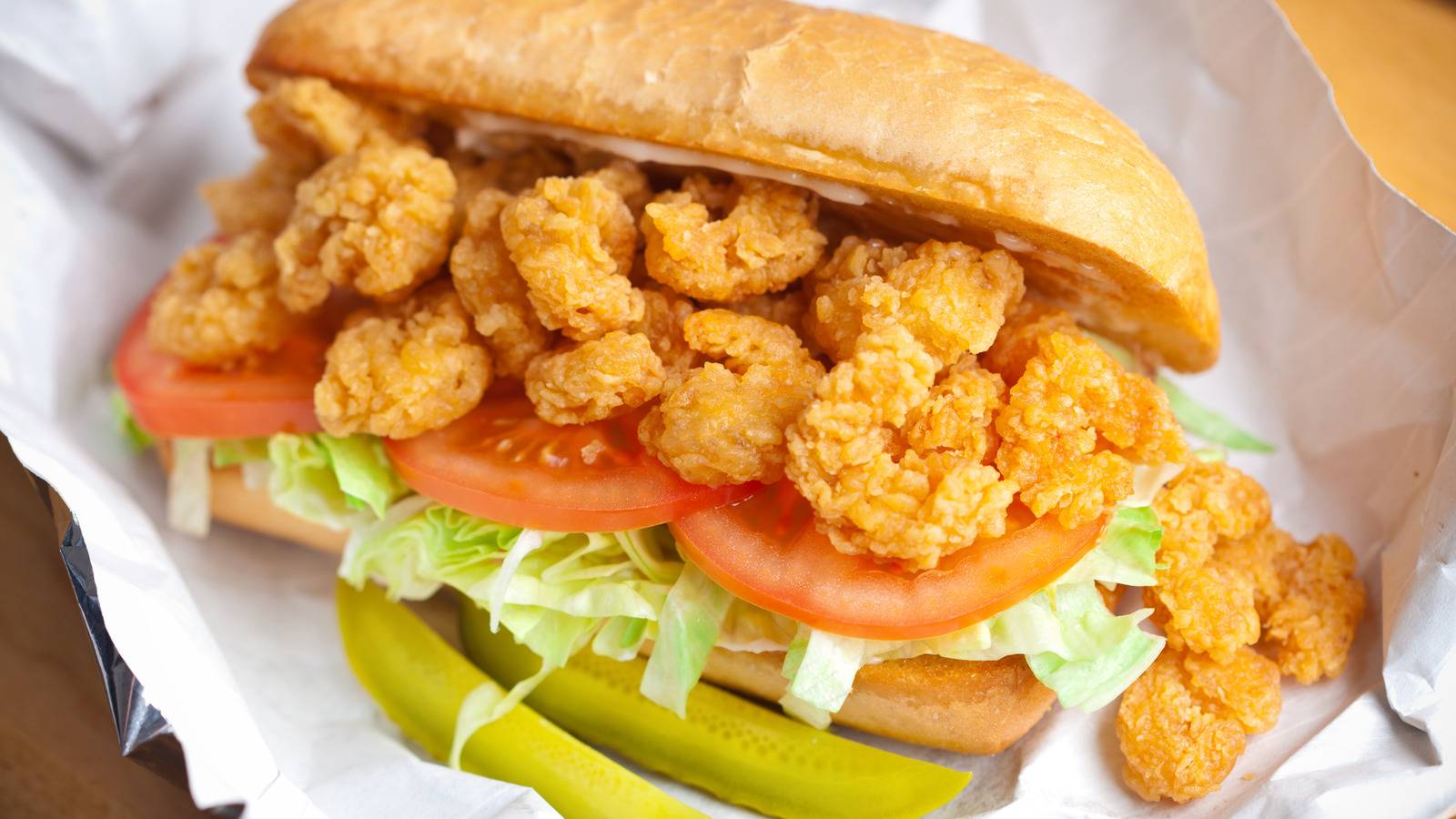
Parkway Bakery is New Orleans' most authentic po'boy destination, maintaining traditional recipes and local ingredients while other restaurants offer contemporary variations.
Food & drink
fromTasting Table
2 weeks agoThe Emeril Lagasse-Approved New Orleans Deli Blends A Local Classic With Vietnamese Flavors - Tasting Table
Singleton's Mini Mart in New Orleans blends Vietnamese and local cuisine, earning chef Emeril Lagasse's endorsement for its authentic Saturday pho and signature banh mi-inspired po'boy sandwich.
fromFrenchly
2 weeks agoLa Francophonie: How Louisiana Keeps the French Language Alive - Frenchly
The territory was named La Louisiane in 1682 by French explorer René-Robert Cavelier de La Salle, in honor of King Louis XIV, who claimed for France the vast Mississippi River basin. When French settlers later founded New Orleans in 1718, the region quickly became a center of French culture in North America.
History
NYC food
fromNOLA.com
3 weeks agoOysters, gumbo and new life for a French Quarter spot as brothers bring NYC success home
Brothers Alex and Miles Pincus are opening Holywater, a new oyster-focused restaurant in New Orleans' French Quarter, led by chef Alex Harrell, expanding their Crew restaurant group.

Travel
fromTasting Table
3 weeks ago10 Affordable Spring Break Destinations For Foodies In 2026 - Tasting Table
New Orleans offers affordable spring break vacations with world-class cuisine spanning Cajun, Creole, French, Vietnamese, and other multicultural influences, from classic dishes like jambalaya and po'boys to unique options like alligator and turtle soup.
Paris food
fromFrenchly
3 weeks ago10 Cities Outside France Where You Can Practice Your French - Frenchly
Over 320 million people speak French across five continents, with colonial history establishing French as an official language in many countries, making immersive French learning possible in diverse cities worldwide.
fromConde Nast Traveler
3 weeks agoWhere Was 'Sinners' Filmed? Hannah Beachler on Filming the Southern Gothic in the Louisiana Bayou
Louisiana has a really great infrastructure for film, with really talented filmmakers. That's where I started my career, so I've done many films there. I came up in New Orleans in the art department, right before Katrina in 2004.
Independent films
Boston food
fromTasting Table
3 weeks agoWhere To Find The Famous Boston Gumbo That Beat Bobby Flay's - Tasting Table
Lambert Givens, executive chef at Hunter's Kitchen and Bar in Boston, defeated Bobby Flay on 'Beat Bobby Flay' using his grandmother's gumbo recipe featuring homemade Dungeness crab stock.
Cocktails
fromTasting Table
3 weeks agoFor The Best Shrimp Dish, Give It The Dirty Martini Treatment - Tasting Table
Dirty martini-inspired shrimp dishes combine briny olives, vermouth, and botanicals to create flavorful preparations that highlight shrimp's mild taste through sautéing or cocktail sauce applications.
Everyday cooking
fromTasting Table
3 weeks agoEmeril Lagasse's Springy Crostini Is The Perfect Starter For Your Easter Table - Tasting Table
Emeril Lagasse's ricotta and spring peas crostini offers a light, flavorful Easter appetizer combining creamy ricotta, fresh peas, and grilled bread with mint and shallot seasoning.
Cooking
fromTasting Table
4 weeks agoForget Deep-Fried Onion Rings -this Southern Casserole Version Is A Complete Showstopper - Tasting Table
Tennessee onion casserole transforms raw onions into a savory-sweet comfort dish by baking them with cheese, butter, and spices for nearly an hour, creating complex layered flavors.
East Bay food
fromTasting Table
1 month agoLouisiana's Best-Kept Secret: A Fishing Town Full Of Mouthwatering Seafood Events - Tasting Table
Delcambre, Louisiana is a working fishing town centered on shrimp production, hosting an annual five-day festival in August and a monthly seafood farmers market celebrating local maritime heritage and Cajun culture.
fromNOLA.com
1 month agoAn Uptown meat and three hosts pop-ups with top NOLA chefs. Next up: This NYC burger icon
The idea of an Indian meat and three seemed like a perfect mash-up. The LUFU guys really put on a show. They had their tandoor in the parking lot and were making fresh naan for every plate.
Miscellaneous
Travel
fromTravel + Leisure
1 month agoThis Chic New Orleans Hotel Has the City's Only Swim-up Bar
The Garden District Hotel transforms a historic Garden District home into an intimate boutique hotel featuring garden-inspired design, a heated saltwater pool with swim-up bar, and thoughtful touches celebrating the neighborhood's Southern charm.
fromThe New Yorker
1 month agoA Childhood in Jewish New Orleans
It's a standard trope in portrayals of assimilated Jews to open with a scene built around a Christmas tree. That's how Tom Stoppard's " Leopoldstadt" and Alfred Uhry's " Last Night of Ballyhoo" begin, and also Ian Buruma's memoir about his grandparents, " Their Promised Land." The idea is, as soon as you show that, you've got the audience's full attention, especially if it's a Jewish audience, because it's so peculiar.
Books
US news
fromTasting Table
1 month agoSandwiched Between New Orleans And Baton Rouge Is 'The Jambalaya Capital Of The World' - Tasting Table
Gonzales, Louisiana is the Jambalaya Capital of the World, hosting a multi-day annual Jambalaya Festival with a prestigious cooking competition and deep family traditions.


fromTravel + Leisure
1 month agoThis Remote 180-mile Highway Is an Underrated Scenic Drive With Wildlife Loops, 26 Miles of Wild Gulf Beaches, and Marshes
The Creole Nature Trail is a 180-mile scenic byway that cuts through Louisiana's Cajun Country, also known as Acadiana. The area, which is often called "Louisiana's Outback," is different from the Louisiana you thought you knew; instead of bayous, this part of the state is home to vast marshes, coastal prairies, waterways, and undeveloped Gulf beaches. And it's all accessible off of the Creole Nature Trail.
Travel
East Bay food
fromwww.mercurynews.com
2 months agoCajun-fusion cuisine and a Mexican eatery come to Emeryville Public Market
Two new eateries opened in Public Market Emeryville: Mamacita Cocina Mexicana offering Oaxacan-influenced Mexican fare and Tease Southern Kitchen serving Cajun-fusion Southern comfort food.
fromConde Nast Traveler
1 month agoInstead of New Orleans, I Took Amtrak's New Mardi Gras Train to Alabama
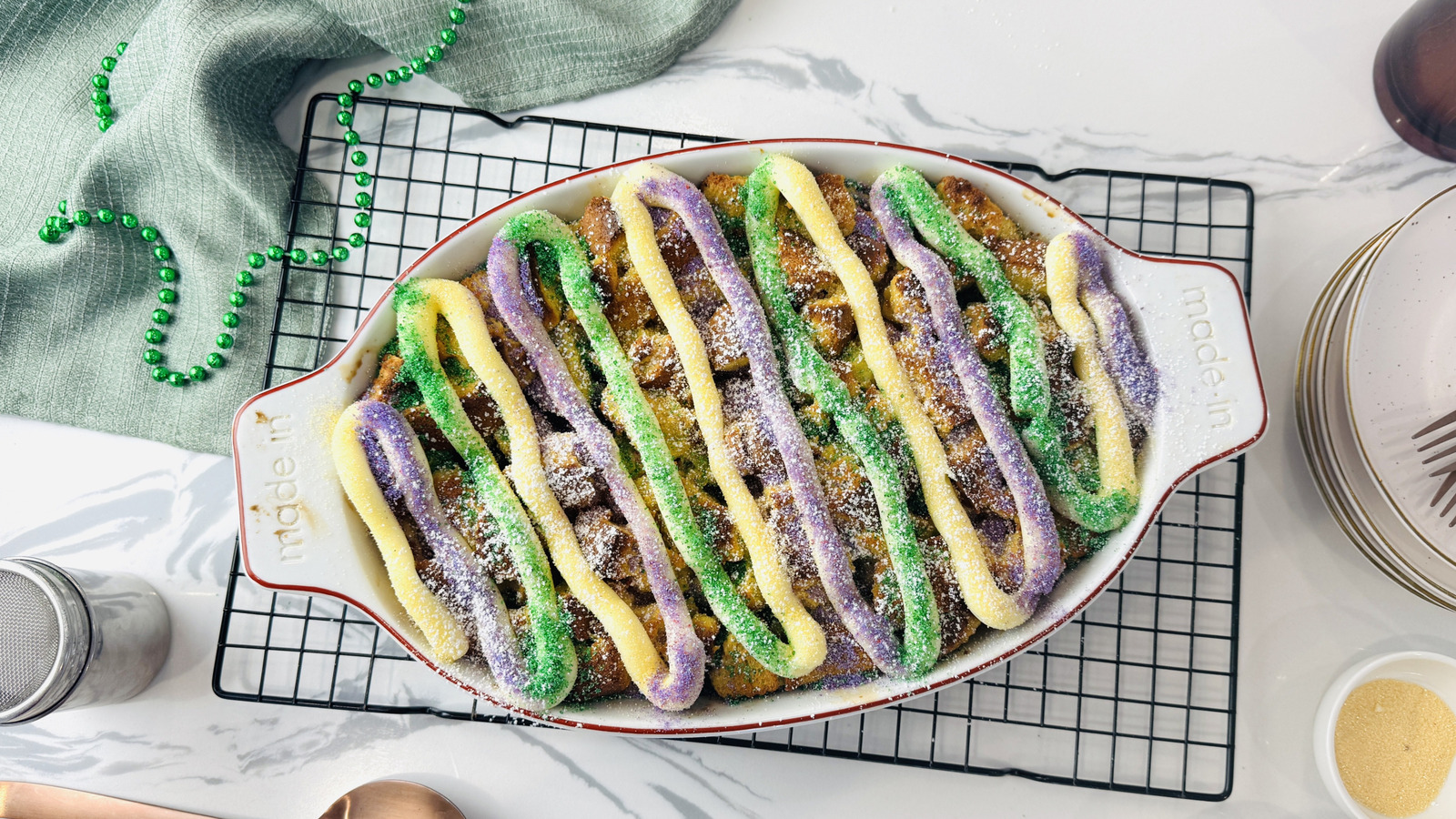
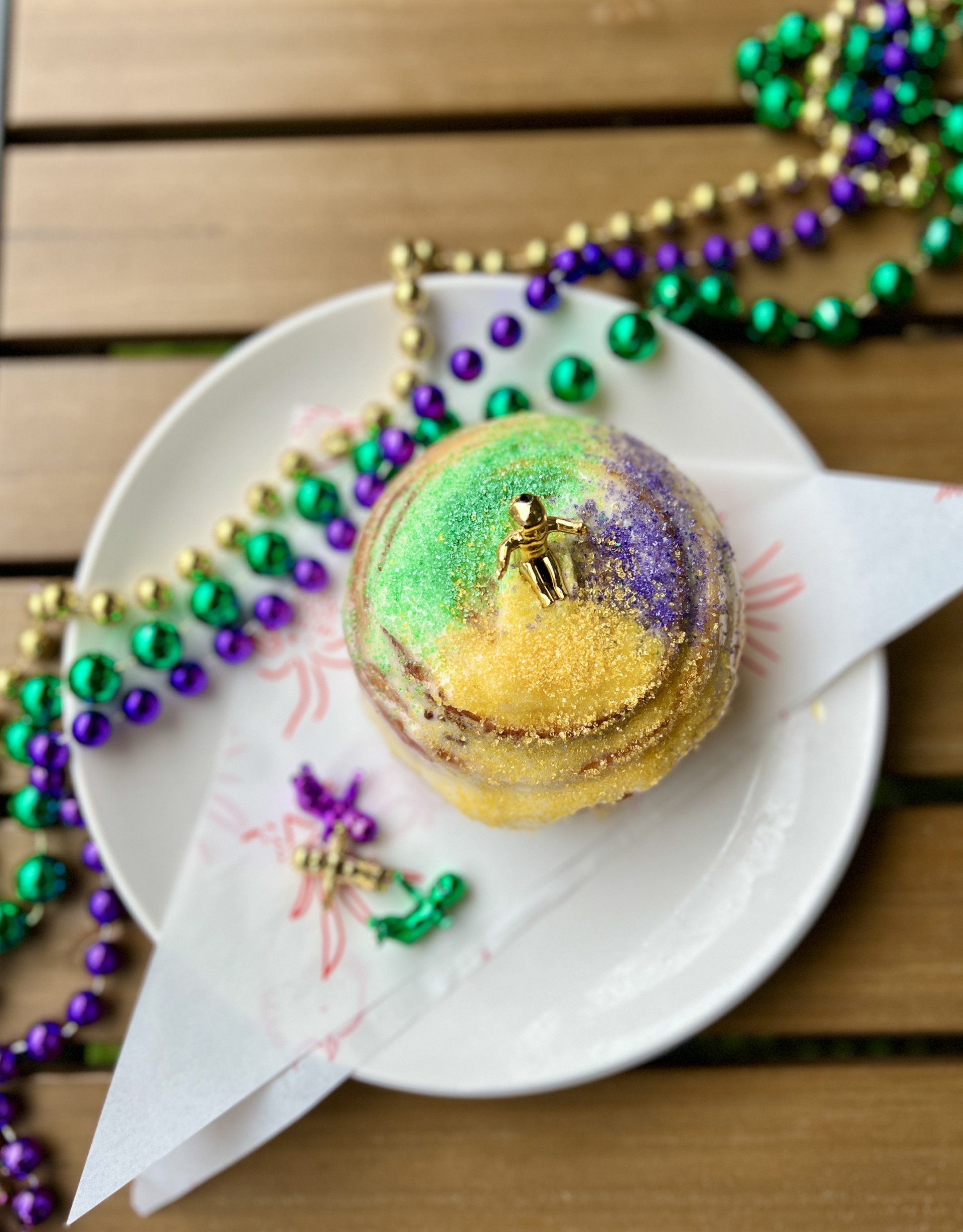
I'm chowing down on a mini King Cake, my breakfast. It's a braided cinnamon Danish sprinkled with purple, green, and gold edible glitter, with a cream cheese filling and a little plastic baby perched astride. The baby represents the infant Jesus and is said to bring luck (and an obligation to host the next fête, if he shows up in your slice.)
Travel
fromTravel + Leisure
1 month agoThis Is the Most Beautiful Beach in Louisiana-and It Has White-sand Beaches and Some of the Bluest Waters in the South
Many of the great wonders of the world, from iconic buildings to national parks, are preserved and open to the public, but some are tucked away on private land where only a few can enjoy them. One such wonder-a natural spring-fed lake just an hour north of New Orleans-opened to the public for the first time last summer, giving Louisianans and visitors access to a surreal, bright-blue lake lined with white sand beaches.
Travel
Cooking
fromFood & Beverage Magazine
1 month agoMeet Chef Jimmy De Almeida: The Culinary Maestro Behind Bagatelle Miami River - Food & Beverage Magazine
Chef Jimmy De Almeida leads Bagatelle Miami River, delivering seasonal, farm-to-table French-Mediterranean cuisine rooted in Michelin-trained technique and local sourcing.
fromTravel + Leisure
2 months agoThis Unexpected Destination Has Been Called the 'Happiest City in America'
At first glance, Buck & Johnny's, a restaurant just outside Lafayette, Louisiana, looks unremarkable: a warehouse-like space with exposed brick, a large dance floor, and walls decorated with football helmets and old oil company signs. Then, a five-piece band strikes up in the corner. Louisiana zydeco rolls across the room, driven by accordion and the full-body washboard frottoir (a percussion instrument). Couples of all ages gravitate to the dance floor, stepping, spinning, and swaying with varying degrees of confidence.
Food & drink
Food & drink
fromFood & Beverage Magazine
1 month agoMeet Me at the Junction: Hilton's Newest All-Day Cafe Debuts in New Orleans - Food & Beverage Magazine
Junction Café & Provisions is an all-day modern café and artisan bodega at Hilton New Orleans Riverside offering elevated, convenient dining and a social hub from dawn until midnight.
Food & drink
fromFood & Wine
2 months agoBojangles Has Officially Landed in Brooklyn, Bringing Its Cajun Chicken and Biscuits to New York City for the First Time
Bojangles opened its first New York City location in East Flatbush, Brooklyn, offering 24/7 service, all-day breakfast, and a streamlined boneless-only menu.
[ Load more ]