#nhs-app
#nhs-app
[ follow ]
#nhs #healthcare #ai-in-healthcare #cybersecurity #data-breach #health-technology #technology #palantir




#data-breach



Privacy professionals
fromSilicon Canals
21 hours agoA fintech app asked users for their passports - then left 360,000 files unprotected for five years - Silicon Canals
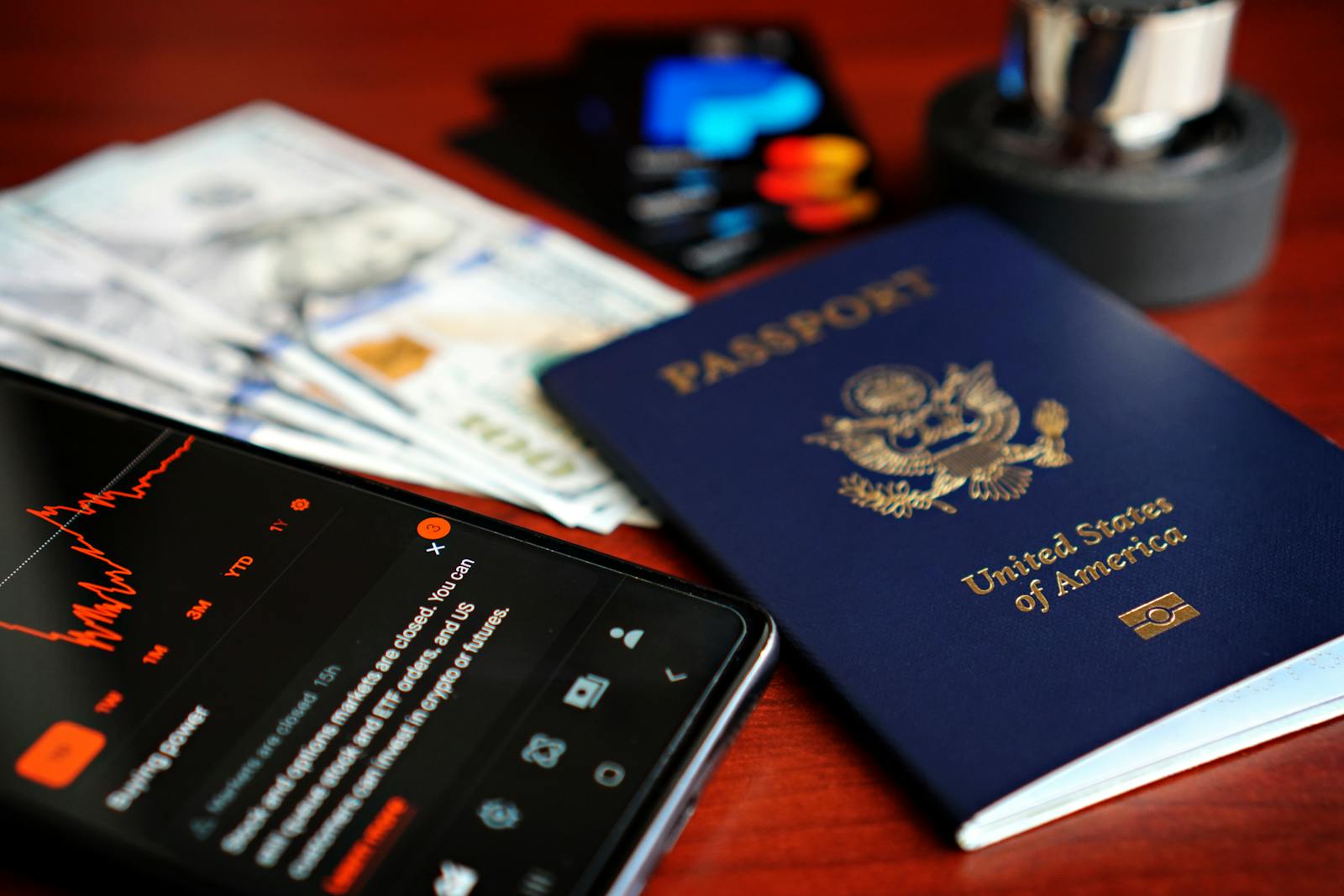
A money transfer app exposed over 360,000 sensitive files on a public server for nearly five years, including unencrypted personal documents.



fromLondon Business News | Londonlovesbusiness.com
2 days agoDigital entertainment grew 7x faster than the UK economy - London Business News | Londonlovesbusiness.com
The UK digital entertainment sector hit £13.5 billion in revenue in 2025, reflecting a 7.1% year-over-year growth, significantly outpacing the general economy's growth rate of 1.3%.
Digital life
Psychology
fromSilicon Canals
6 days agoThe real technology problem isn't screen time. It's that your phone learned your emotional patterns faster than any person in your life ever did, and now it meets needs that no human relationship has been given the chance to meet. - Silicon Canals
Phones have become the most emotionally attuned presence in people's lives, affecting their relationships with others.
#cybersecurity

Information security
fromComputerWeekly.com
1 day agoNCSC warns high-risk individuals of Signal and WhatsApp social engineering attacks | Computer Weekly
High-risk individuals must reduce exposure to social engineering attacks targeting encrypted messaging apps like Signal, WhatsApp, and Facebook Messenger.
Privacy professionals
fromSilicon Canals
23 hours agoA money-transfer app stored customer passports on an unencrypted, publicly accessible server for nearly five years - Silicon Canals
Fintech companies face regulatory pressure to collect identity documents but lack enforceable obligations to protect them, leading to data breaches.
fromwww.bbc.com
2 days agoDoctors lose new jobs package as strike to go ahead
The government has withdrawn an offer of creating 1,000 more doctor training posts in England after the British Medical Association (BMA) refused to call off a six-day strike next week. The extra posts were part of a wider package of measures put forward by ministers earlier this year to resolve the long-running dispute with resident doctors.
UK politics
Medicine
fromwww.theguardian.com
2 weeks agoWhy did my GP just use Google? What I've learned about the health system, as a doctor and a patient
Bedside manner and clinical knowledge are equally essential in medicine; kindness and clear communication directly improve patient engagement and health outcomes.
fromwww.theguardian.com
3 weeks agoPalantir's NHS England contract opens door to government abuse of power', health bosses told
A briefing by the health justice charity Medact said the highly interoperable nature of Palantir's software could enable data-driven state abuses of power, including US-style ICE raids. The report, released on Thursday and backed by doctors, lawyers, patients and human rights groups from the No Palantir in the NHS campaign and sent to hospital trusts and integrated care boards nationwide, was shared with the Guardian and BMJ.
UK news
fromThe New Yorker
2 weeks agoDoctor Mike's Internet Medicine
If it continues to spread past the demarcation that we usually draw using a skin marker-we say Sharpie, but it's a skin marker-we say that this is spreading. Diagnosis: possible sepsis. Varshavski was not talking to the patient or to nursing staff. He was not even in a hospital. He was speaking into a camera in a two-bedroom apartment on the fifty-sixth floor of a building in Hell's Kitchen, in a makeshift studio where he records videos and his popular podcast.
Medicine
EU data protection
fromComputerWeekly.com
2 weeks agoHealth workers call for Palantir to be booted from NHS contracts | Computer Weekly
Health workers and advocacy groups oppose NHS contracts with Palantir due to concerns about patient data privacy, potential government surveillance access, and the company's history of involvement in human rights abuses globally.


fromNextgov.com
3 days agoHHS reverses Biden-era restructuring of its IT and tech operations
HHS Chief Information Officer Clark Minor stated that consolidating the CTO, CDO, and CAIO roles within his office allows the department to move faster on shared platforms and protect systems more effectively.
Healthcare
fromwww.bbc.com
4 weeks agoSurgeon's op on patient 2,400km away a UK first
Leading robotic urological surgeon Professor Prokar Dasgupta said it felt 'almost as if I was there' as he carried out a prostrate removal on Paul Buxton. The cancer patient, 62, said it had been a 'no-brainer' to take part and become 'part of medical history'. It is hoped that remote robotic surgery could spare future patients the 'vast expense and inconvenience' of travelling for treatment, and help deliver better healthcare to people in more remote locations.
Medicine
#ai-healthcare
Privacy professionals
fromTheregister
3 weeks agoMicrosoft Copilot now boarding your health information
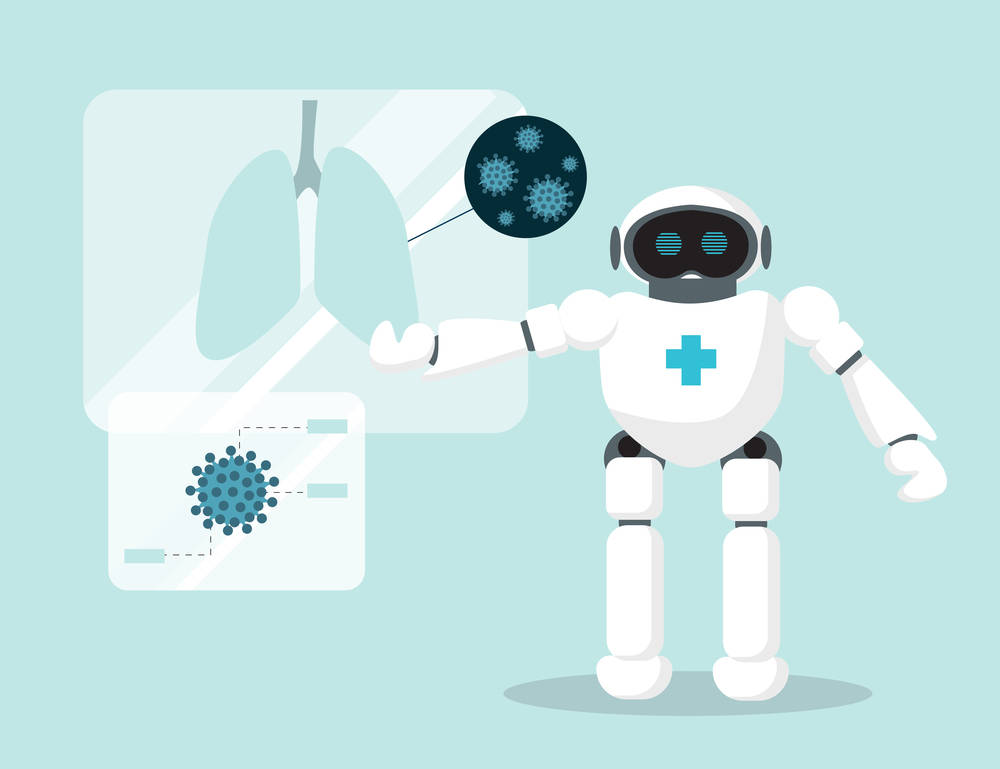
Microsoft launches Copilot Health to store healthcare data and provide personalized wellness insights through AI, while explicitly disclaiming it is not medical advice and cannot diagnose or treat conditions.

Privacy professionals
fromTheregister
3 weeks agoMicrosoft Copilot now boarding your health information
Microsoft launches Copilot Health to store healthcare data and provide personalized wellness insights through AI, while explicitly disclaiming it is not medical advice and cannot diagnose or treat conditions.
Healthcare
fromwww.cbc.ca
2 weeks agoOntario plans to create connected primary care medical record system, minister says | CBC News
Ontario is developing a provincewide electronic medical record system for primary care, seeking vendor input on integrating isolated systems across hospitals, labs, and physician offices.
fromTheregister
1 month agoNHS strategy: Write password on whiteboard, hope for best
We've excised the text, but suffice it to say that the whiteboard contains usernames and passwords for system access. It's a change from a Post-it note stuck to the screen, but it's no less likely to make a security professional shriek in horror. After all, not only is the account exposed, but anyone can use it, which renders an access log somewhat redundant.
Information security
fromComputerWeekly.com
2 months agoUK government kicks off plan to revamp citizen digital interaction | Computer Weekly
This is a new unit within the Department for Science, Innovation and Technology (DSIT), led by Tristan Thomas, formerly of Monzo, and Greg Jackson, CEO of Octopus Energy. It aims to bring together the best civil service operators alongside leading private sector disruptors and transformation specialists. The plan is to use CustomerFirst expertise to rewire government services, making use of AI and best practices from the private sector.
UK news
Healthcare
fromBusiness Matters
3 weeks agoBuilding Better Systems: A Conversation with Healthcare Leader Daniel Tuffy
Daniel Tuffy is a healthcare leader who progressed from clinical physical therapy to executive roles, focusing on operational excellence, workforce engagement, and reducing provider burnout through trust-based leadership.

fromFast Company
2 months agoConnected data will rescue healthcare
AI plays an important role-but not by fixing fragmented data on its own. The work of organizing, connecting, and interpreting healthcare information still belongs to people and the systems they build. Where AI helps is after that foundation is in place: by bringing the right information forward at the right time, reducing the effort it takes to find what matters, and supporting better decisions in the moment of care.
Medicine
Healthcare
fromComputerWeekly.com
4 weeks agoElectronic health records are still creating issues for patients | Computer Weekly
All NHS trusts in England must implement electronic patient record systems by March 2026, though rollouts have faced integration challenges, staff training issues, and reports of patient harm.
fromTheregister
1 month agoDoctors told to pull back from Palantir's NHS data platform
It is the view of the BMA that doctors working in the NHS can no longer provide the tacit endorsement that using a product implies and must immediately take steps to explore refusing any non-direct care usage of Palantir's Federated Data Platform, with a view to moving away from the platform entirely in time, when a suitable alternative can be put in place.
UK politics
fromIndependent
1 month agoCost of medical IT system to hit 61m - and it is still only rolled out in one hospital
The chair of the Oireachtas Health Committee has described a €10m increase in the cost of a national medical laboratory IT system as "an omnishambles". The health service signed a €33m contract for the system known as MedLis with Oracle Health in 2015 and agreed a €17.9m contract extension for it in 2022.
Healthcare
fromForbes
2 months agoWhy AI Chatbots Are Essential For Modern Medical Practices
The world of medical practice management is changing faster than ever, driven by two simultaneous forces: escalating patient expectations and crushing administrative complexity. In my years working with healthcare organizations, I've seen these challenges evolve from nuisances into crises. Research by Bain & Company found that 65% of healthcare consumers want more convenient experiences, and 70% want more responsiveness from providers. They want instant answers to routine questions, immediate scheduling access and minimal friction.
Healthcare
fromBusiness Matters
2 months agoThe Rise of Telemedicine: How Digital Health is Reshaping Medical Equipment Demand
Between March 2020 and March 2022, over 100 million telemedicine services were delivered to approximately 17 million Australians. The Australian government invested $409 million to make telehealth permanent, whilst the UK announced £600 million for digital health infrastructure in April 2025. Patient adoption is equally impressive: 60% find telemedicine more convenient than in-person appointments, 55% report higher satisfaction with teleconsultations, and 74% of millennials prefer virtual appointments for routine care. These aren't temporary shifts; they represent a fundamental transformation in healthcare delivery.
Healthcare
[ Load more ]