#nice-treatment-eligibility
#nice-treatment-eligibility
[ follow ]
#healthcare #healthcare-access #affordable-care-act #healthcare-costs #health-insurance #access-to-care
fromNews Center
1 day agoPolicy Intervention Linked to Increase in Kidney Transplants in Black Patients - News Center
"This argues for the need to sustain such policies and shows that it is possible to right the wrongs retroactively, which is a powerful idea," said Kenneth Michelson, MD, MPH, associate professor of Pediatrics in the Division of Emergency Medicine and a co-author of the study.
Medicine
fromPsychology Today
3 days agoPeople With Bipolar and BPD Struggle in Mental Healthcare
There is a unique kind of pain in losing your mind, not just once, but over and over. Losing your perception of reality, of your emotions, of your closest relationships-both across months and multiple times a day. Knowing deep down that something is wrong but being unable to stop it.
Mental health
fromwww.npr.org
6 days agoHow to navigate the maze of drug discounts to get the best price
Many of the medicines on TrumpRx include brand-name drugs that patients can find cheaper elsewhere as generics. For instance, Protonix for heartburn is available for $200 on TrumpRx, but the generic version, pantoprazole, costs less than $30 with a GoodRx coupon.
US news

fromTruthout
2 weeks agoStates Tighten HIV Drug Assistance, Raising Access Concerns
Congress has kept key drug assistance funding at $900.3 million annually since 2014. New enrollments for state programs jumped 30% from 2022 to 2024, in part because states cut off pandemic-era Medicaid assistance. As of January, at least 18 states have pulled back their Ryan White AIDS Drug Assistance Programs, known as ADAPs, in some way.
NYC LGBT






Higher education
fromNonprofit Quarterly | Civic News. Empowering Nonprofits. Advancing Justice.
3 weeks agoNew Student Loan Limits Could Threaten Diversity in Nursing and Public Health Programs | Nonprofit Quarterly | Civic News. Empowering Nonprofits. Advancing Justice.
Proposed changes to federal student loan classifications for public health and nursing degrees could reduce diversity in these fields and worsen healthcare disparities for marginalized communities.
Public health
fromwww.theguardian.com
3 weeks agoPatients face long journeys for medicines as pharmacies cut weekend hours
One in six English pharmacies have reduced weekend hours since 2022, causing over 20% loss of weekend opening hours and forcing patients to travel long distances or seek emergency care.


Public health
fromLGBTQ Nation
1 month ago17 states consider cutting assistance for HIV meds as prices increase - LGBTQ Nation
Seventeen states and D.C. have cut AIDS Drug Assistance Program costs while federal funding stagnates, threatening medication access for low-income HIV patients and risking public health crises.
fromLos Angeles Times
1 month agoThere were 13 full-service public health clinics in L.A. County. Now there are 6
Because of budget cuts, the Los Angeles County Department of Public Health has ended clinical services at seven of its public health clinic sites. As of Feb. 27, the county is no longer providing services such as vaccinations, sexually transmitted infection testing and treatment, or tuberculosis diagnosis and specialty TB care at the affected locations, according to county officials and a department fact sheet.
Public health
fromAdvocate.com
1 month agoHow can PrEP use among Black people be improved?
Black people made up 48 percent of new HIV diagnoses in the South, but only 21 percent of PrEP users in the South; in the Midwest, Black people made up 48 percent of new HIV diagnoses, but only 12 percent of PrEP users. This regional disparity demonstrates the significant gap between HIV burden and preventive medication access among Black populations across different areas of the country.
Public health
fromwww.cbc.ca
2 months agoProvince on track to connect all Ontarians to primary care provider by 2029: health minister | CBC News
Health Minister Sylvia Jones says about 275,000 people have been attached to primary care so far in the first year of the government's plan. More than half of that progress is due to moving people off the Health Care Connect wait list.
Canada news
New York Islanders
fromwww.amny.com
2 months agoOp-Ed | As healthcare costs surge, lawmakers should focus on reforming rather than expanding costly government programs amNewYork
Expanding 340B program and rising healthcare costs are exacerbating unaffordability, harming minority-owned businesses, and lacking transparency and oversight.
Healthcare
fromSlate Magazine
2 weeks agoSomething Nefarious Is Quietly Taking Over Your Neighborhood Doctor's Office
Private equity firms have rapidly expanded ownership of medical practices from 816 in 2012 to 5,779 by 2021, prioritizing high-volume specialty fields while often extracting cash at the expense of local communities.
fromCity Limits
1 month agoOpinion: Why Culturally Informed Health Care Matters in February-And All Year Long
February is a time to honor Black history, resilience, and progress. It is also a moment to confront an uncomfortable truth: in New York City, equity in health, family stability, and community well-being is still shaped by race and zip code. For too many Black families, structural inequities continue to limit access to care, not because of individual choices, but because of where people live and how our systems are designed.
Public health
fromHarvard Gazette
2 months agoReal-world answers for patients running out of time - Harvard Gazette
But these studies typically require large numbers of patients, huge amounts of data, and thorough follow-ups, none of which comes easy or free. The upshot is fewer investigations into scenarios that are clinically important but unlikely to yield a profit for the firms funding them. Accordingly, researchers have been developing an option that uses real-world data from insurers to save patients from falling through the cracks.
Medicine
fromArs Technica
2 months agoHaving that high-deductible health plan might kill you, literally
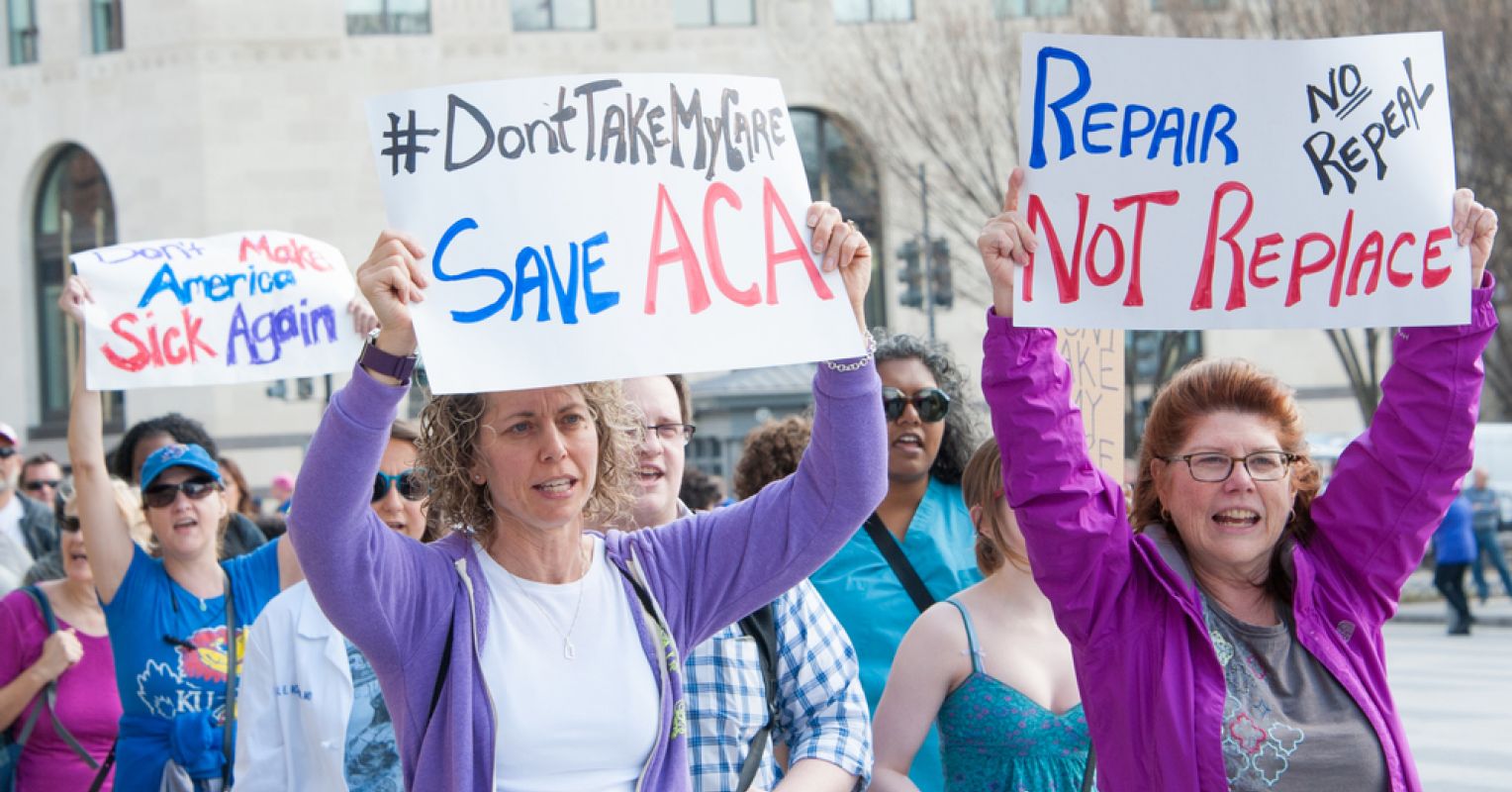
The issue is particularly critical right now for people who have insurance plans through the Affordable Care Act marketplace. Prices for those plans have skyrocketed this year after Congress failed to extend critical tax credits. Without those credits, monthly premiums for ACA plans have, on average, more than doubled. Early data on ACA enrollments for 2026 not only suggests that fewer people are signing up for the plans, but also that those who are enrolling are often choosing bronze plans, which are high-deductible plans.
Public health
Healthcare
fromBusiness Insider
1 month agoWaiting for Medicare and skipping prescriptions: Meet the Americans on the brink of losing health insurance
Expiration of enhanced ACA subsidies on December 31 caused monthly premiums to spike hundreds of dollars, forcing over 1 million Americans to cancel marketplace plans between early 2025 and 2026.
Public health
fromkffhealthnews.org
2 months agoMedical bills can be vexing and perplexing. Here's important advice for patients
High and confusing medical bills affect insured and uninsured due to coverage gaps, unexpected plan restrictions, billing practices, and complex retroactive policies like COBRA.
fromMedCity News
1 month agoWhy HHS Scrapping Its 340B Rebate Program Is a Win For Providers - MedCity News
The 340B program allows hospitals to buy outpatient drugs at steep discounts, with the purported purpose of helping them fund care for low-income and uninsured patients. The now-axed rebate model would have invited drugmakers to participate voluntarily in a rebate-based discount system. Basically, instead of the provider receiving a discount upfront at purchase, the 340B discount would be applied after purchase via rebate - and subject to tedious data submission requirements.
Public health
Healthcare
fromwww.npr.org
1 month agoCan't get a prescription renewed? Here's how to cope with prior authorizations
Insurance prior authorization requirements expire even for patients already taking prescribed medications, forcing repeated approval processes and potentially interrupting effective treatments.
fromPsychology Today
2 months agoUnderstanding and Addressing Limited Health Literacy
Adult literacy advocate Toni Cordell recounts the story of feeling comforted when her doctor told her that her medical concern could be solved with an easy surgery. She agreed to proceed without asking further questions and didn't understand the medical consent forms because she didn't read well. At a follow-up office visit a couple of weeks after the procedure, Cordell was shocked when the nurse asked, "How are you feeling since your hysterectomy?"
Public health
fromwww.bbc.com
2 months agoTrial launched to 'help spot health risks early'
Public health consultant Dr Ross Keat said supporting people earlier to make small preventative changes would make "a big difference later on". Some 3,500 people in the north of the island within that age bracket are eligible for the checks. The checks will be carried out by two pre-existing nurses that support GP staff and would not replace GP appointments, Keat explained, adding that the cost would be minimal and absorbed by Ramsey Group Practice.
Public health
Public health
fromwww.npr.org
2 months agoAre you on a high-deductible health plan? What do you wish you knew?
Rising marketplace premiums pushed many consumers into high-deductible bronze or catastrophic plans that qualify for health savings accounts, creating navigation challenges and HSA uncertainties.
fromLos Angeles Times
2 months agoCancer survival rates soar nationwide, but L.A. doctors warn cultural and educational barriers leave some behind
For all cancers, the five-year survival rate more than doubled since the mid-1990s, rising from 17% to 35%. This also signals a 34% drop in cancer mortality since 1991, translating to an estimated 4.8 million fewer cancer deaths between 1991 and 2023. These significant public health advances result from years of public investment in research, early detection and prevention, and improved cancer treatment, according to the report.
Public health

fromAdvocate.com
1 month agoBlack Americans are disproportionately criminalized for living with HIV. Here's how
Black people in the U.S. aren't just more likely to have HIV - they're more likely to be criminalized for it. Black Americans accounted for about 38 percent of new HIV diagnoses and 39 percent of people living with HIV in 2023, according to a report from the Williams Institute, despite making up around 12 percent of the population. Black women had the highest HIV diagnosis rate at 19.6 per 100,000, which is about 11 times the rate for white women at 1.8 per 100,000.
Public health
Public health
fromBronx Times
1 month agoOUR FORGOTTEN BOROUGH | Health care in the Bronx is a dangerous game of hurry up and wait - Bronx Times
The Bronx faces a severe health-care crisis: understaffed hospitals, slow EMS response times, poor hospital rankings, and nurse strikes threaten patient care.
fromBusiness Insider
2 months agoWe want to hear your story about healthcare access
In 2026, the US healthcare system is changing. Enhanced Affordable Care Act subsidies have expired, causing premiums for marketplace plans to spike - and pricing some families out of health insurance entirely. President Donald Trump's One Big Beautiful Bill Act will reduce coverage for some patients with Medicaid and funding for hospitals, especially those in rural areas. Costs for Medicare and private insurance are also rising: Employer-based healthcare premiums have increased by 9%, the largest rise in more than a decade.
Healthcare
fromwww.sandiegouniontribune.com
2 months agoCalifornia providers brace for Medi-Cal cuts. We may not be able to serve everybody.'
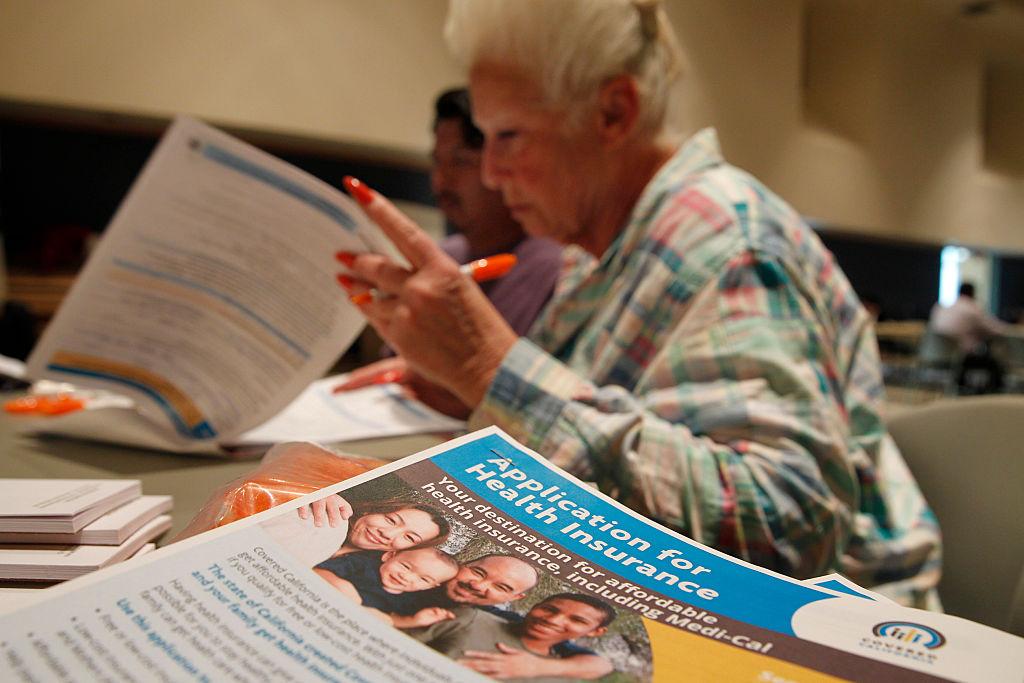
The most significant immediate change arrived Jan. 1 with the expiration of enhanced premium tax credits, which help defray the cost of monthly premiums for Americans enrolled in plans sold by health insurance exchanges such as Covered California. RELATED: Bay Area Affordable Care Act policyholders brace for price hikes With Congress not renewing these subsidies, which arrived in 2021 and are in addition to the initial income-based credits made available under the Affordable Care Act, enrollees will see their payments increase significantly this year.
Public health
Healthcare
fromHealthcare Brew
1 month agoHow health systems are competing with AI search tools for patients
AI-powered search tools and chatbots are reducing web traffic to health providers, threatening traditional online patient acquisition and prompting health systems to change marketing strategies.
[ Load more ]