#nightreign
#nightreign
[ follow ]
#wuthering-heights #film-adaptation #horror #contemporary-art #illustration #street-art #gothic-romance #romance
fromKotaku
5 days agoDimension 20 Is Finally Doing A Vampire: The Masquerade Campaign
Dimension 20 has primarily used Dungeons & Dragons 5th edition across its campaigns, with occasional side quests using other systems. The main cast has only deviated from D&D for the sixth campaign, A Starstruck Odyssey, which utilized an unofficial Star Wars system.
DC food


Film
fromwww.theguardian.com
2 weeks agoFear is good': my scary subterranean journey into Underland, the film of Robert Macfarlane's dazzling book
Filmmaker Robert Petit explores underground spaces through his documentary Underland, discovering that subterranean environments offer people freedom and existential transformation away from surface world constraints.
Television
fromwww.theguardian.com
2 weeks agoCarnivale revisited: is this HBO's strangest show?
Carnivale, an HBO series cancelled after two seasons, follows a carnival traveling through 1930s America while weaving parallel stories of a mysterious ex-con and a visionary preacher destined to collide in cosmic conflict.
Board games
fromKotaku
1 month agoOur Dark Lord Cthulhu Awakens In This Lovecraftian Adventure
The Dark Rites of Arkham is a point-and-click adventure game set in Lovecraft's fictional city of Arkham, where Detective Jack Foster investigates ritualistic murders linked to mystical cults and ancient gods.
fromwww.theguardian.com
1 month agoMonsters and madness and men, oh my! The Terror is the unsung treasure of peak television
Based on the bestselling book of the same name by Dan Simmons, it chronicles a doomed Royal Navy expedition dispatched to the Arctic in search of the fabled Northwest Passage. Under the leadership of Captains Sir John Franklin and Francis Crozier, the HMS Erebus and HMS Terror, manned with 129 crew, set sail from England in 1845. They became locked in pack ice off King William Island in the winter of 1846.
Television
#film-adaptation

Film
fromThe Nation
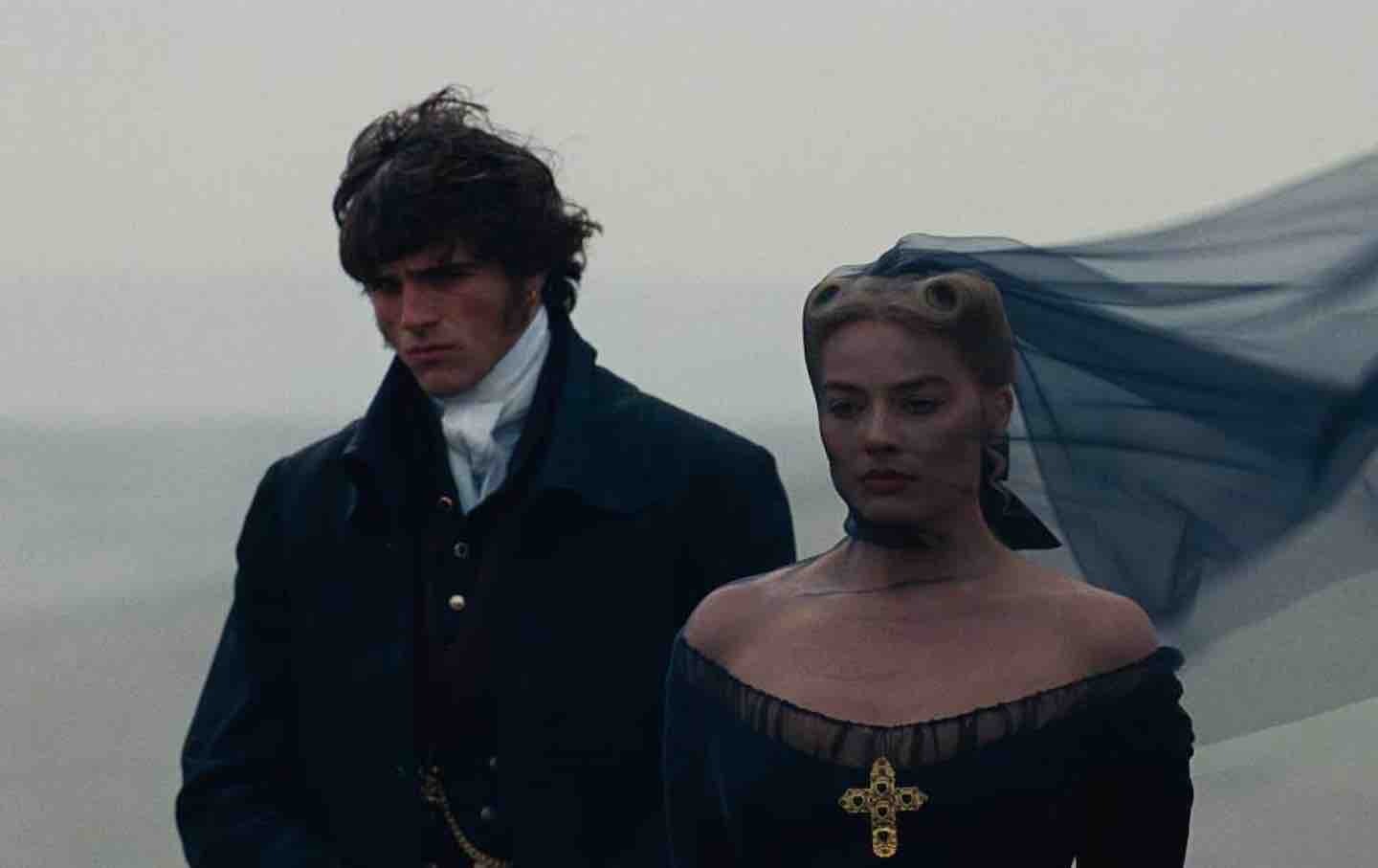
1 month agoThe Bad Vibes of "Wuthering Heights"
Emerald Fennell's Wuthering Heights prioritizes contemporary aesthetic over literary faithfulness, reducing Brontë's complex novel to a shallow love story that reflects modern short attention spans rather than engaging with the source material's depth.
fromInverse
1 month agoA Beloved Horror Epic Just Dropped Its Biggest Twist
Lestat gets an interesting alert on his tablet: a new book by Daniel Molloy called Interview with the Vampire is about to come out. Louis tries to defend himself, claiming he destroyed Molloy's laptop and didn't know the book, written with a cloud-based copy of Molloy's data, was being published until a month ago. But Louis' failure to warn him just bristles Lestat more.
Television
fromThe New Yorker
1 month agoThe Timeless Provocations of "Wuthering Heights" (the Novel)
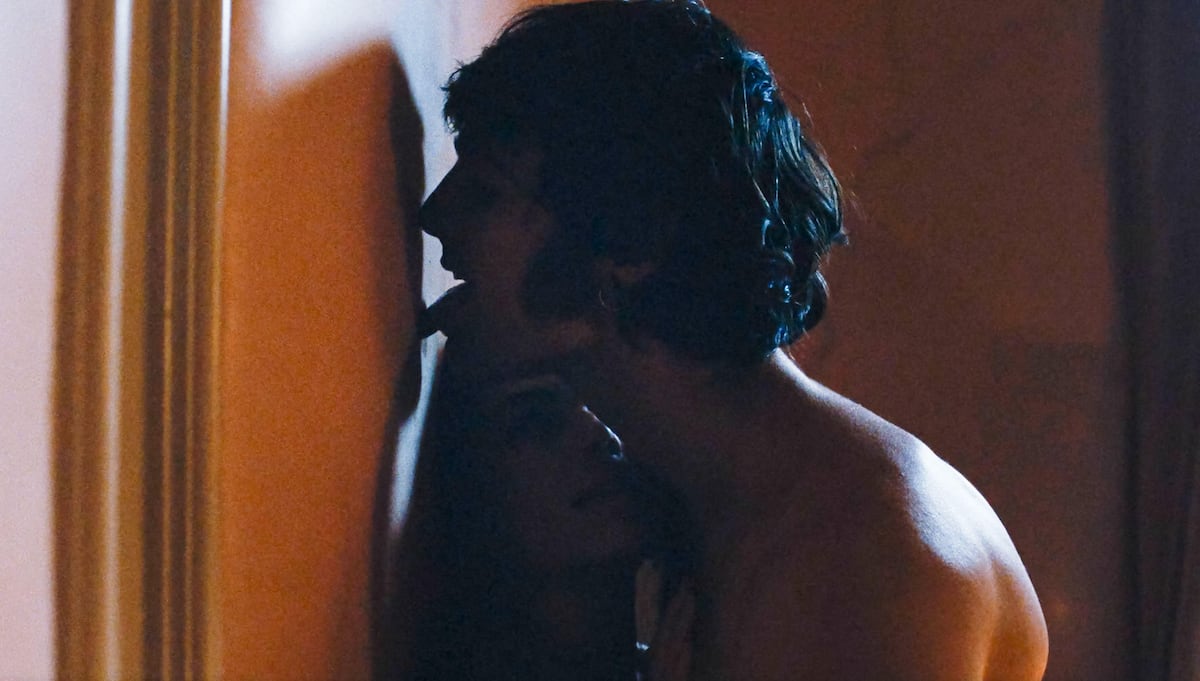
A few days after Emerald Fennell's film adaptation of "Wuthering Heights" came out, a friend sent me an Onion headline about a bookseller frantically pulling classics off the shelf before Fennell enters the store. No beloved novel could be safe from the dangers of the director introducing anachronistic costumes, original songs by Charli XCX, selectively color-blind casting, and explicit B.D.S.M. scenes for its Byronic hero.
Film
Books
fromThe Atlantic
1 month agoWhen Did Literature Get Less Dirty?
Philip Roth's Zuckerman Unbound functioned as a response to the controversial reception of Portnoy's Complaint, with Roth's protagonist expressing regret over writing sexually explicit material that drew accusations of anti-Semitism and misogyny.
fromwww.theguardian.com
1 month agoThe place that stayed with me: I would not have become a writer were it not for Iceland
Lying in my bed, I listened to what sounded like a woman screaming outside in the dark. I picked up my pen. A month of living in this Icelandic village and I was still unaccustomed to the impenetrable January gloom and the ferocity of the wind; its propensity to sound sentient. I had started to feel like the island was trying to tell me something, had a story it wanted me to write.
Travel
fromMedievalists.net
2 months agoNew Medieval Books: A Demon Spirit - Medievalists.net
Abū Nuwās's poetry is sheer joy: it never fails to delight, surprise, and excite. His diwan, his collected poems, encompasses the principal early Abbasid poetic genres: panegyrics ( madīḥ), renunciant poems ( zuhdiyyāt), lampoons ( hijāʾ), hunting poems ( ṭardiyyāt), wine poems ( khamriyyāt), love poems ( ghazaliyyāt) to males ( mudhakkarāt) and females ( muʾannathāt), and transgressive verse ( mujūn).
History
fromMedievalists.net
2 months agoFimbulvetr: When the Medieval World Saw the Sun Go Dark - Medievalists.net
In the medieval world, strange signs in the sky were rarely ignored. In AD 536, when the sun seemed to lose its light and the climate turned harsh, that catastrophe may have been remembered in the terrifying Norse legend of Fimbulvetr. In our medieval past, the sky was thought to be tightly connected with the landscape. Historical sources show a deep sense of fear caused by celestial phenomena such as comets, meteors, bolides, and even the aurora borealis.
History
fromHyperallergic
1 month agoAll About Love From a Black Medieval Angel
Looking to the Middle Ages for answers to the perennial puzzles of life can seem quaint, even artificial, a long reach across centuries marked by violence, hierarchy, and exclusion. And yet medieval culture offers a way of thinking about love that still speaks to the present. If love is most urgently tested in moments of strain and upheaval, then it is in those moments - where care is stressed or obscured - that its meaning comes most clearly into view.
Arts



fromThe Atlantic
2 months agoA Romance That Actually Takes Sex Seriously
When I first heard of Heated Rivalry, I didn't think much about it. The words Canadian ice-hockey TV series slid into my brain and slipped right back out. But a week later, approximately everyone I'd ever met wanted to talk about it. People kept telling me that it was fun, sweet, and addicting. Most of all, they emphasized that it was really smutty. Every recommendation seemed to come with a warning to not watch with my parents.
Television
fromHyperallergic
2 months agoThe Nightmares Beneath the Surface of "Dreamworlds"
The timing could not be better: We have much to learn in this moment from a movement that was both explicitly antifascist and radically hopeful - and from how the not-so-antifascist Dalí broke from it. But Dreamworlds presents precious little of the historical and political context - for example, the birth of the movement out of the grotesque terrors of World War I - that would help viewers grasp the relevance of what's in front of them.
Arts
fromwww.theguardian.com
1 month agoNightborn review Rupert Grint bringing up a monster baby
And now she has given these ideas a retread with this programmatic and unsubtly acted film, a scary movie about a monstrous newborn that is very much less interesting and original than Hatching; the paganism is cliched and the element of black comedy so often the alibi for not being scary in films like this is really not all that funny.
Film
fromThe Atlantic
2 months agoSix Books for the Chronic Daydreamer
What is available is the daydream-a limitless realm of freedom. In this other world, one might be famous or rich, finally catch the attention of their beloved, or simply sit on a beach as a waiter brings them cocktails. They might fly or speak to animals, heroically save a child, tell off their boss with no consequences, win the Super Bowl at the whistle, or travel to another continent, planet, or time period. No one can stop them; no one can even object.
Books
fromUntapped New York
1 year agoHow Museum Artifacts in NYC Inspired a Novel About a Medieval Witch - Untapped New York
While working on a graduate school paper on the mystical powers of coral, gemologist Anna Rasche ventured deep into the archives of the Cooper Hewitt Smithsonian Design Museum's library. Coral is the most powerful material to ward off the evil eye-a belief Italians have held since ancient times. Romans often gifted newborns coral amulets to prevent sickness and bad luck.
Books

fromArchitectural Digest
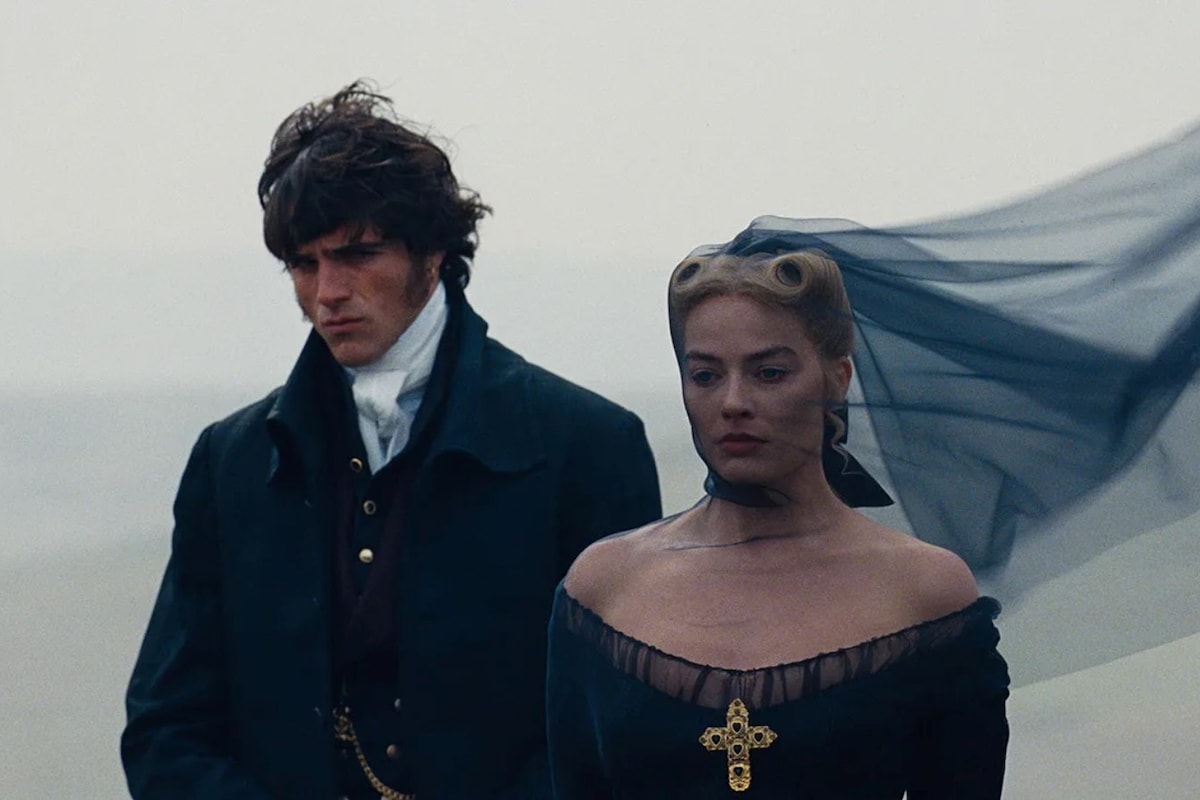
2 months agoAn Exclusive First Look at the Surreal, Symbolism-Packed Sets of Wuthering Heights
In Emily Brontë's 1847 novel Wuthering Heights, the moors of Yorkshire are wet with rain, fog-and symbolism. The rugged landscape separating the titular home from the neighboring estate, Thrushcross Grange, represents danger and harshness, but also a kind of wild freedom for the star-crossed lovers Catherine and Heathcliff, who explore the land together in childhood and spend their adult lives yearning for each other.
Film
Film
fromwww.theguardian.com
1 month agoStitch Head review animated adaptation of hit Frankenstinian tale hangs loosely together
Stitch Head is a tentative, derivative British children's animated film that shows a director's awkward pivot from gritty live-action to familiar, Pixar-like visual territory.
fromVulture
1 month agoYes, Wuthering Heights Is a 'Hurlevent'
"Hurlevent": Is that like when you watch 28 Years Later? Is it some kind of French adjective that's like, "This movie is so emotional you'll cry until you yak"? Even so, why would the cast and crew of the film take photos in front of a random word and not, say, the title of the film? These questions, while well-intentioned, proved very stupid:
Film
[ Load more ]