#nissan-murano
#nissan-murano
[ follow ]
#electric-vehicles #automotive-industry #tesla #toyota #honda #afeela #electric-vehicle #sony-honda-mobility
#nissan

Graphic design
fromdesignboom | architecture & design magazine
5 days agowinner announced for All-New Nissan MICRA global design competition
Marc-André Fauteux wins the Elevate the All-New Nissan MICRA competition with a design emphasizing organized simplicity and a striking asymmetric visual language.






Graphic design
fromdesignboom | architecture & design magazine
2 weeks agoelevate the all-new nissan MICRA global design competition reveals the finalists
Nissan and designboom announced 11 finalists for the Elevate All-New Nissan MICRA design competition, where creatives reinterpreted the car's exterior identity through color, graphics, patterns, and materials while preserving its original structure.


fromThe Verge
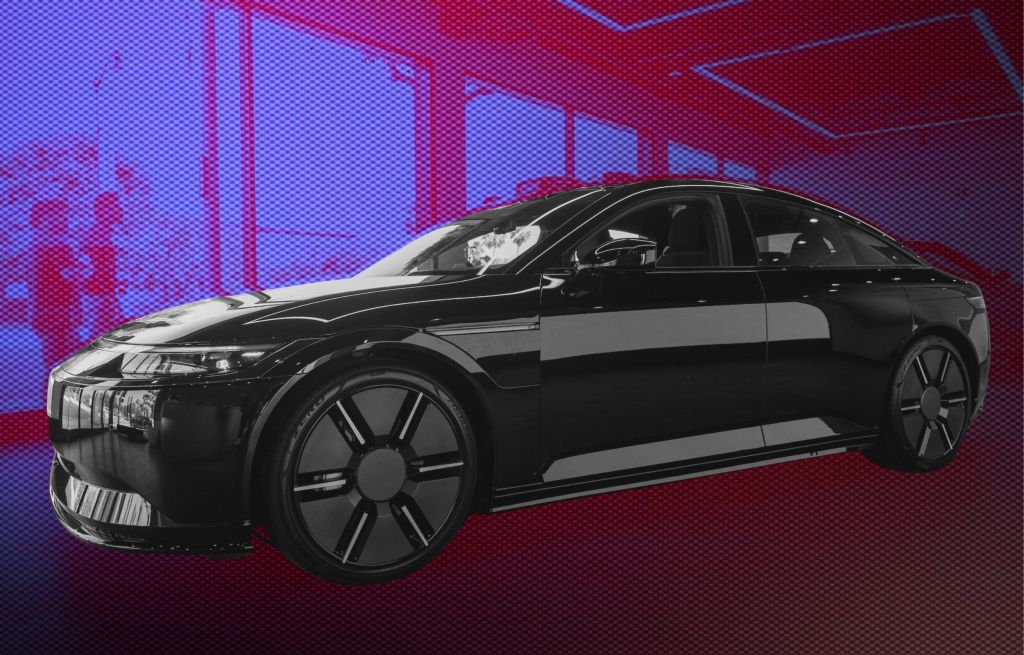
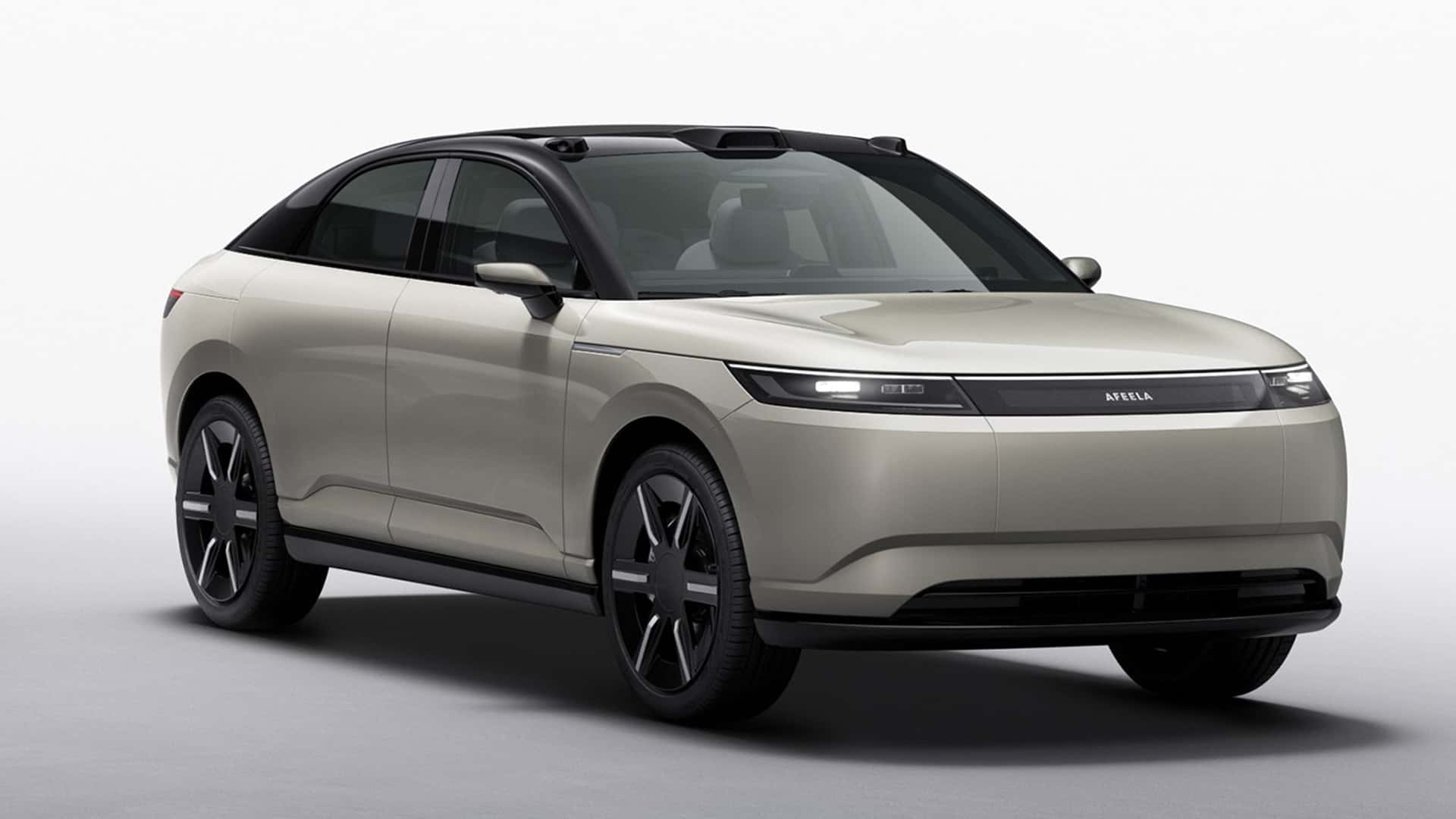
3 weeks agoHonda cancels Zero Series EVs, citing 'extremely challenging' situation
Honda, which is grappling with President Trump's tariffs, had been one of the most aggressive automakers in pursuing EVs. The company said it was aiming for 30 new EVs by 2030 with 2 million units sold, 100 percent zero-emission auto sales by 2040, and carbon neutrality "for all products and corporate activities" by 2050.
Cars
frominsideevs.com
3 weeks agoDead: Honda 0 Series And Acura RSX
Honda Japan announced that it's reorganizing and restructuring its operations to stave off losses, and the 0 Series is the biggest casualty. This comes in the face of record losses for Honda, namely because of US market tariffs and the way that Honda has lost out on Asian market competitiveness.
Cars
fromThe Verge
3 weeks agoThe uncomfortable truth about hybrid vehicles
Plug-in hybrids can offer 20-60 miles of electric-only driving for daily use, plus a gas engine for longer trips or when they can't recharge. And as EV growth slows down, many automakers clearly see hybrids - and more specifically, plug-in hybrids (PHEV) - as a better fit for America's fluctuating tastes.
Cars
Cars
fromArs Technica
1 month agoBadge engineering could be worse than this: The 2026 Subaru Uncharted
The Subaru Uncharted is a Toyota-built EV crossover sharing extensive components with the C-HR while offering slightly larger dimensions, more cargo space, and advanced software features tailored for urban buyers prioritizing range over off-road capability.
frominsideevs.com
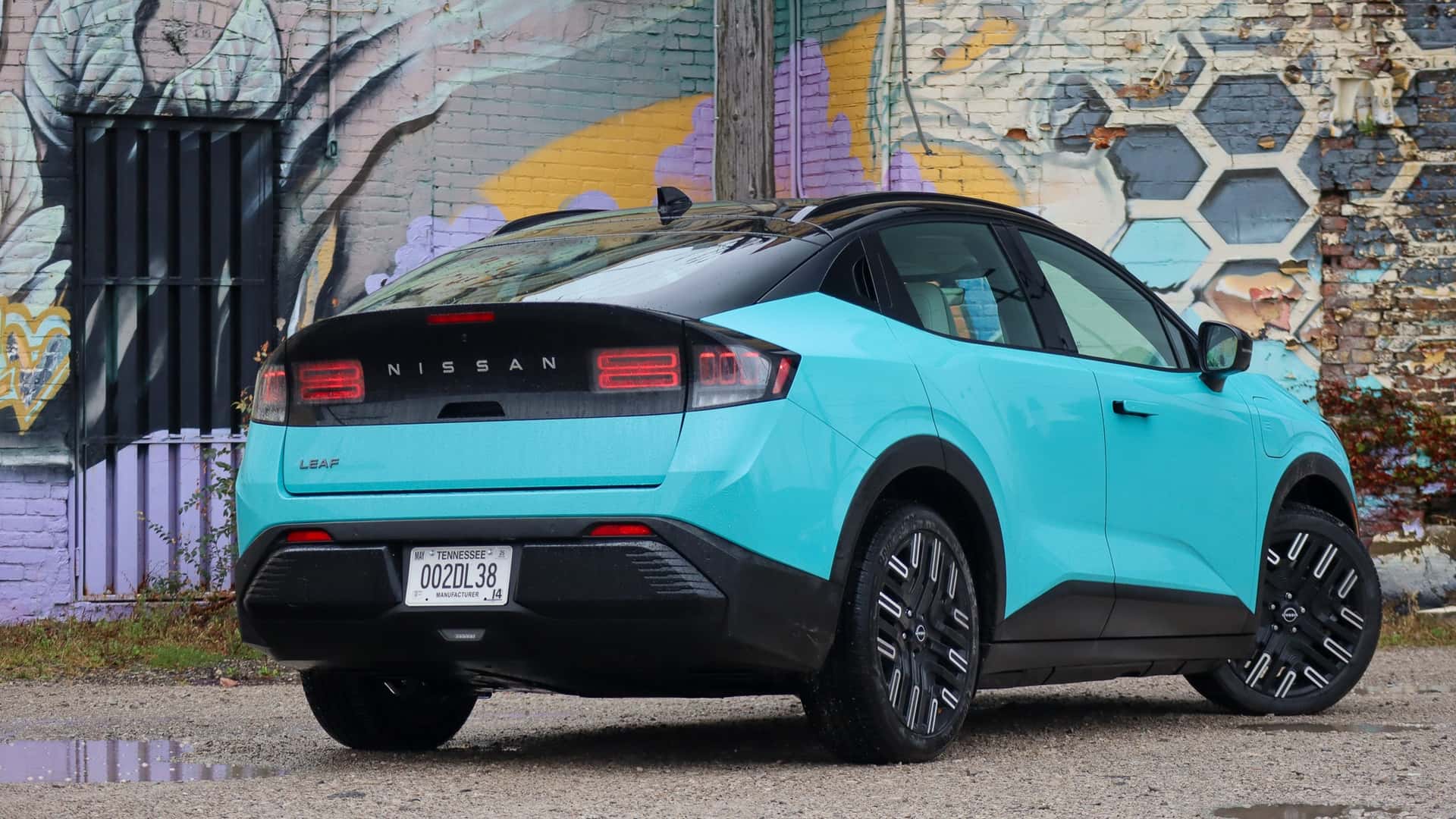
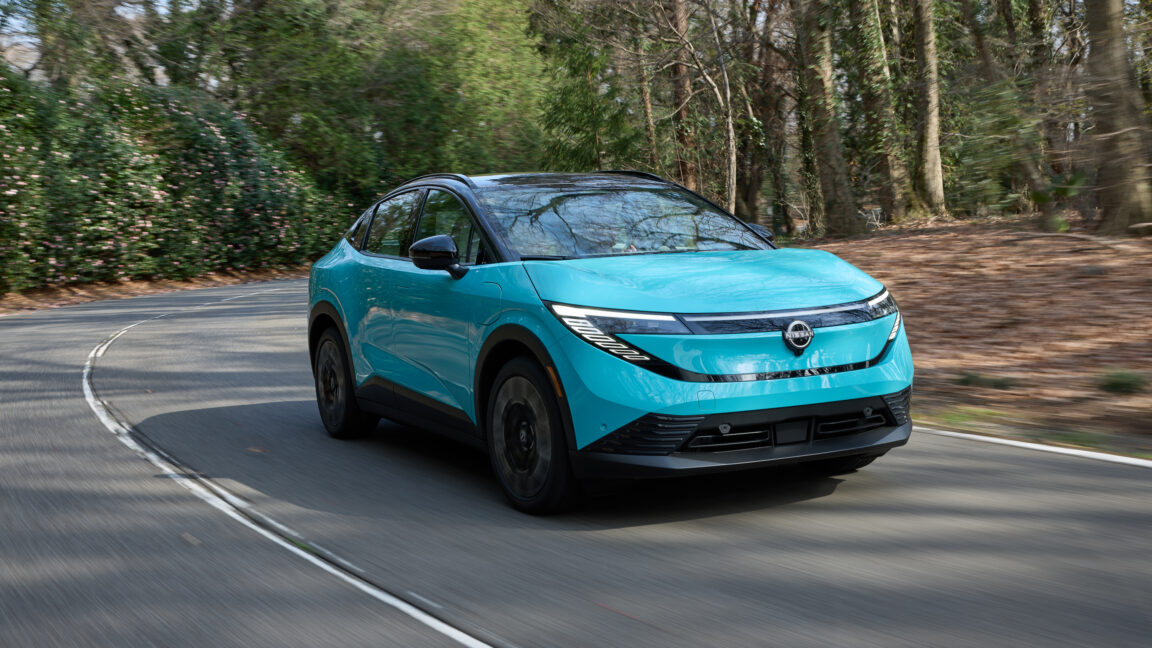
2 months agoThe Mazda CX-6e Is A Bold Electric SUV Aimed At The Tesla Model Y
Mazda will begin selling a new electric mid-size SUV in Europe this year. It's not coming to the U.S. The CX-6e will compete with models such as the Tesla Model Y, BMW iX3 and Audi Q4 e-tron. It looks sharp and gets a high-tech interior. Mazda has been late to the electric vehicle party, but it's finally picking up the pace in a market that doesn't reward laggards.
Cars
fromComputerWeekly.com
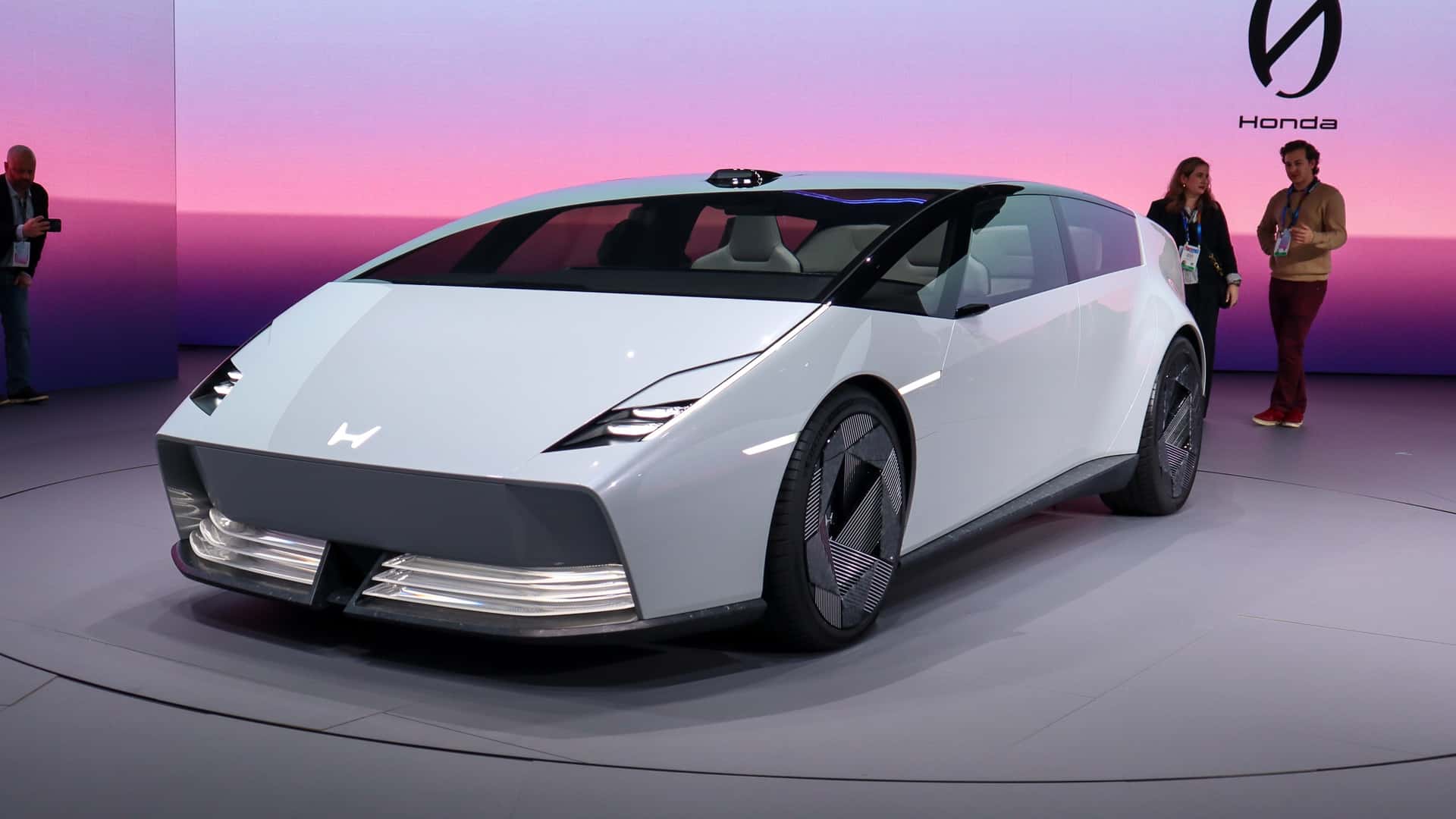
2 months agoCES 2026: Toyota enhances SUV range with added infotainment | Computer Weekly
The newly launched Toyota RAV4 comes equipped with the Snapdragon Digital Chassis from Qualcomm Technologies to deliver a personalised, intuitive and seamlessly connected driving experience. Having had its beginnings in 1994, when sport utility vehicles (SUVs) were positioned as off-road vehicles, Toyota unveiled details of the outline of the new RAV4 to the world in May 2025, setting out plans to launch the model in Japan before the end of the calendar year.
Cars
frominsideevs.com
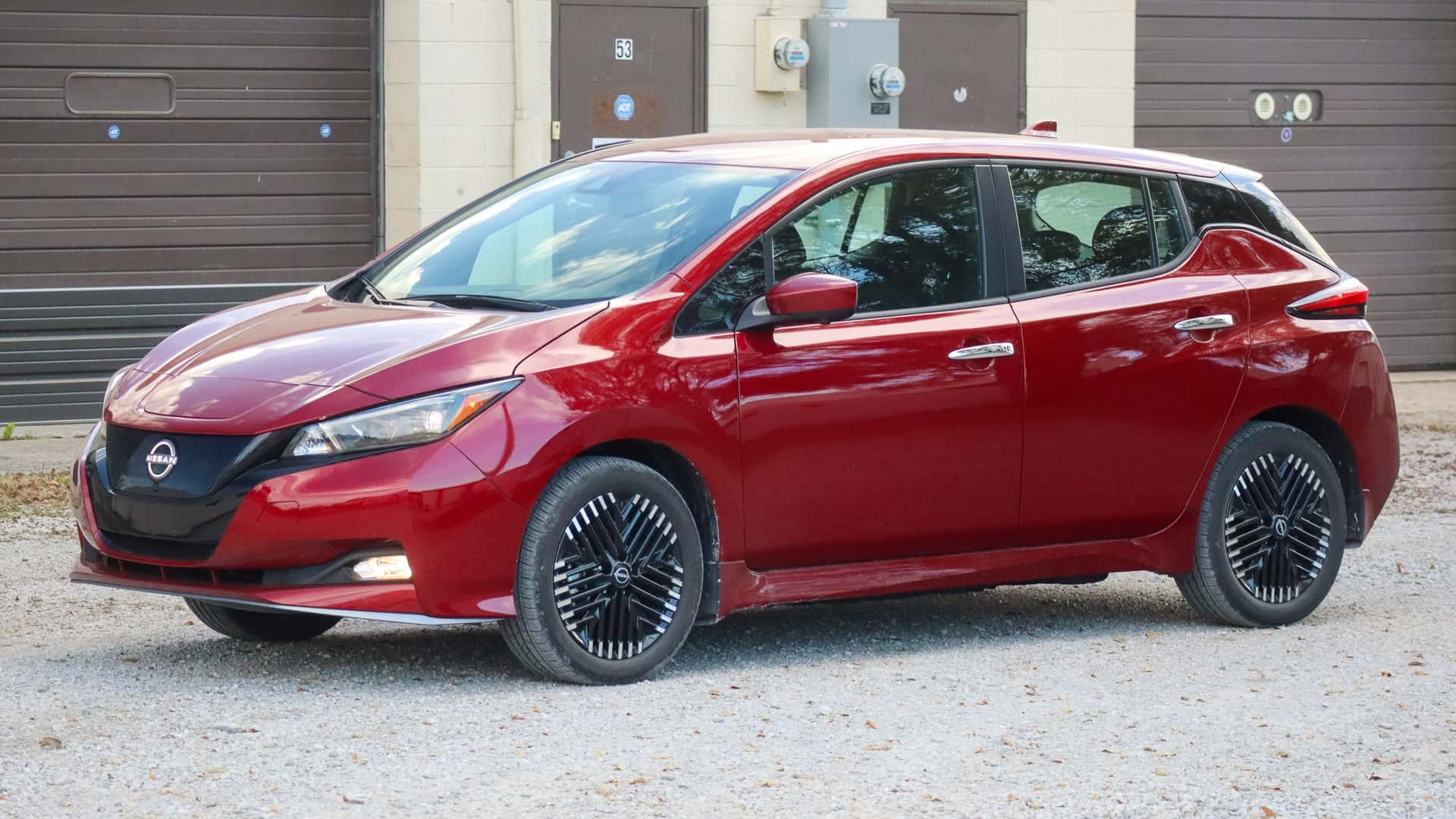
2 months ago2026 Nissan Leaf 70 MPH Highway Range Test: Can It Beat Its EPA Rating?
The 2026 Nissan Leaf has an EPA-estimated range between 259 and 303 miles. The lowest range rating is for the most expensive version, the Platinum+, which comes with all the bells and whistles. On a chilly winter day, the lowest-range Leaf tackled the 70 mph highway range test, where it did better than expected. The 2026 Nissan Leaf is one of the most important new electric cars in America right now.
Cars
frominsideevs.com
1 month agoRivian R2 And Toyota Highlander: Could These SUVs Become the EV Hits America Needs?
Besides making cars, what do Rivian and Toyota really have in common? I'd say that they share an unfortunate sense of bad timing. It's not their fault, either. But both companies picked a rough year to launch crucial new electric-vehicle products, now that EV tax credits are gone and the U.S. government has largely soured on electrification from a policy perspective.
Cars
frominsideevs.com
2 months ago2026 Toyota RAV4 PHEV Review: Does A Plug Make America's Best-Selling SUV Better?
Plug-in hybrids are like communism: great in theory, but often lacking in real-world execution. A car that can run on electricity for nearly all of most Americans' daily drivingabout 30 to 40 milesbut still has a gas engine for longer trips seems like it should be the ultimate do-everything vehicle. In reality, however, it's highly debatable whether owners actually plug them in.
Cars
[ Load more ]