Fashion & style
fromElite Traveler
1 hour agoThe Underrated Status Clue? It's Sitting by Your Sink
Aesop's hand wash has become a symbol of aesthetic literacy, influencing home decor and luxury branding beyond traditional markers of wealth.
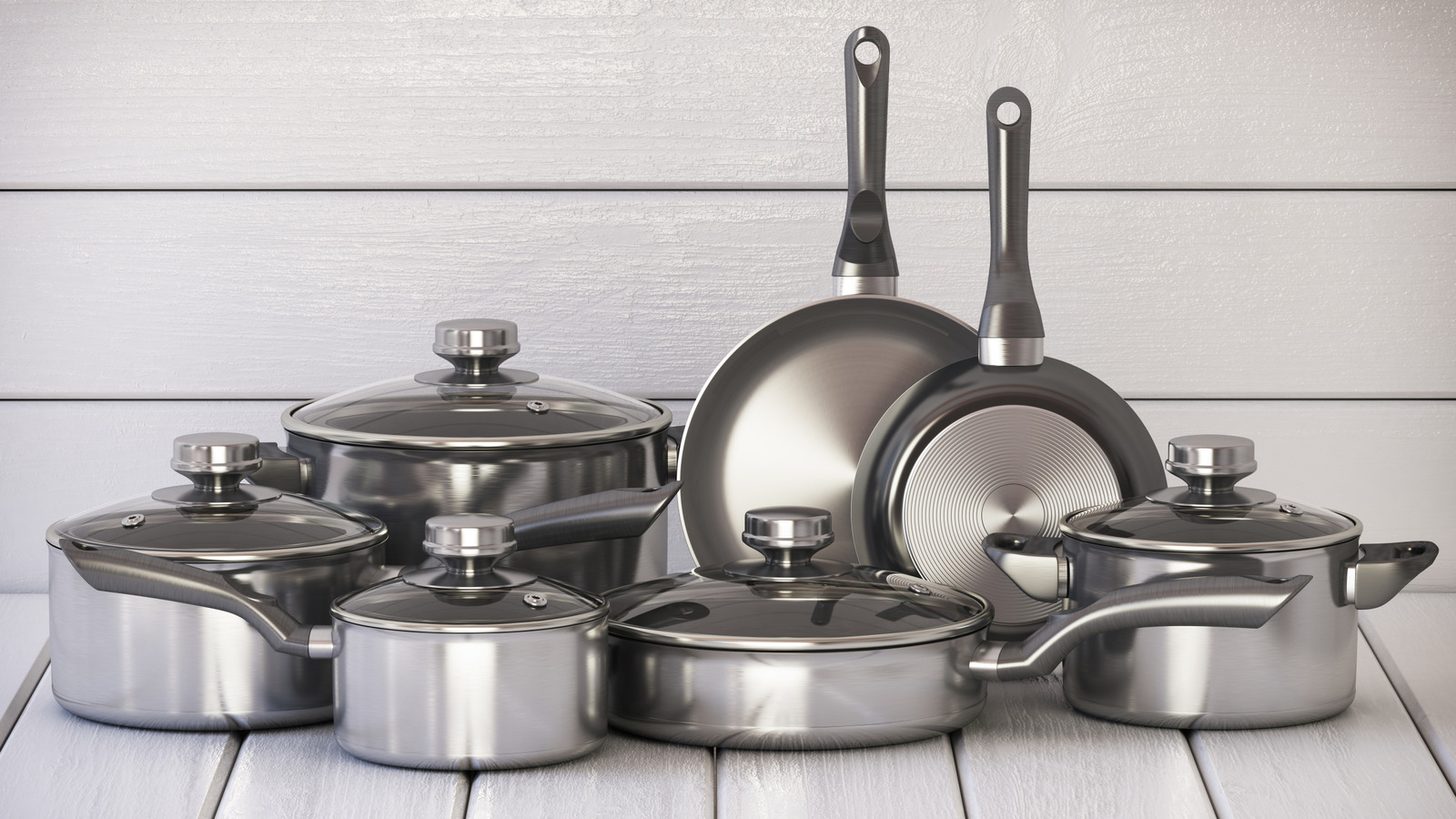
When churning out cover after cover at the saute station you can't exactly be picky about what's on the shelf above the stove. But that doesn't mean professional chefs don't have opinions about the pans they use every day during service.
If you throw away a plastic item today, it'll very likely still be around for decades to come. In fact, some research suggests that certain plastic items could take up to 500 years to decompose. To put that in context, that means that if, say, Henry VIII threw away a plastic coffee pod in Tudor England, it would only just be finished degrading now. He didn't, of course; plastic wasn't used regularly until the 20th century. But you get the point.
Create hooks with them by attaching these lids to a piece of wood. This will give you space to hang aprons, hats, and other light items - and it will look good too. The assembly process couldn't be easier; glue the screw to the backside of the pot lid so that you can attach the knobs when you flip it over.
If you want to hang art, tighten loose drawer pulls, change lightbulbs, and safely plug in electronics (read: live your day-to-day life!) at home, you'll want to keep a few basic tools on hand. - Former Home Projects Editor, Sarah Everett 1. A Flathead Screwdriver 2. A Phillips Head Screwdriver 4. An Electric Screwdriver or Power Drill 8. An Assortment of Nails 9. Extra Screws, Nuts, and Bolts 16. Oil and Water-Displacing Spray
Sometimes the best designs come from asking a simple question nobody bothered to ask before. For designer Kathleen Reilly, that question was: why does a knife always have to lie flat on the table? The answer came in the form of Oku, a table knife that literally hangs around the edges of your plates and boards thanks to a unique folded handle that defies centuries of Western tableware convention.
Most knife recommendations come with a quiet asterisk. A brand deal, a commission link, a product sent to a chef's PO box before the review goes live. What gets left out of that conversation is what the same chef keeps in the drawer at home - the blade they reach for on a Sunday morning when nobody is filming.
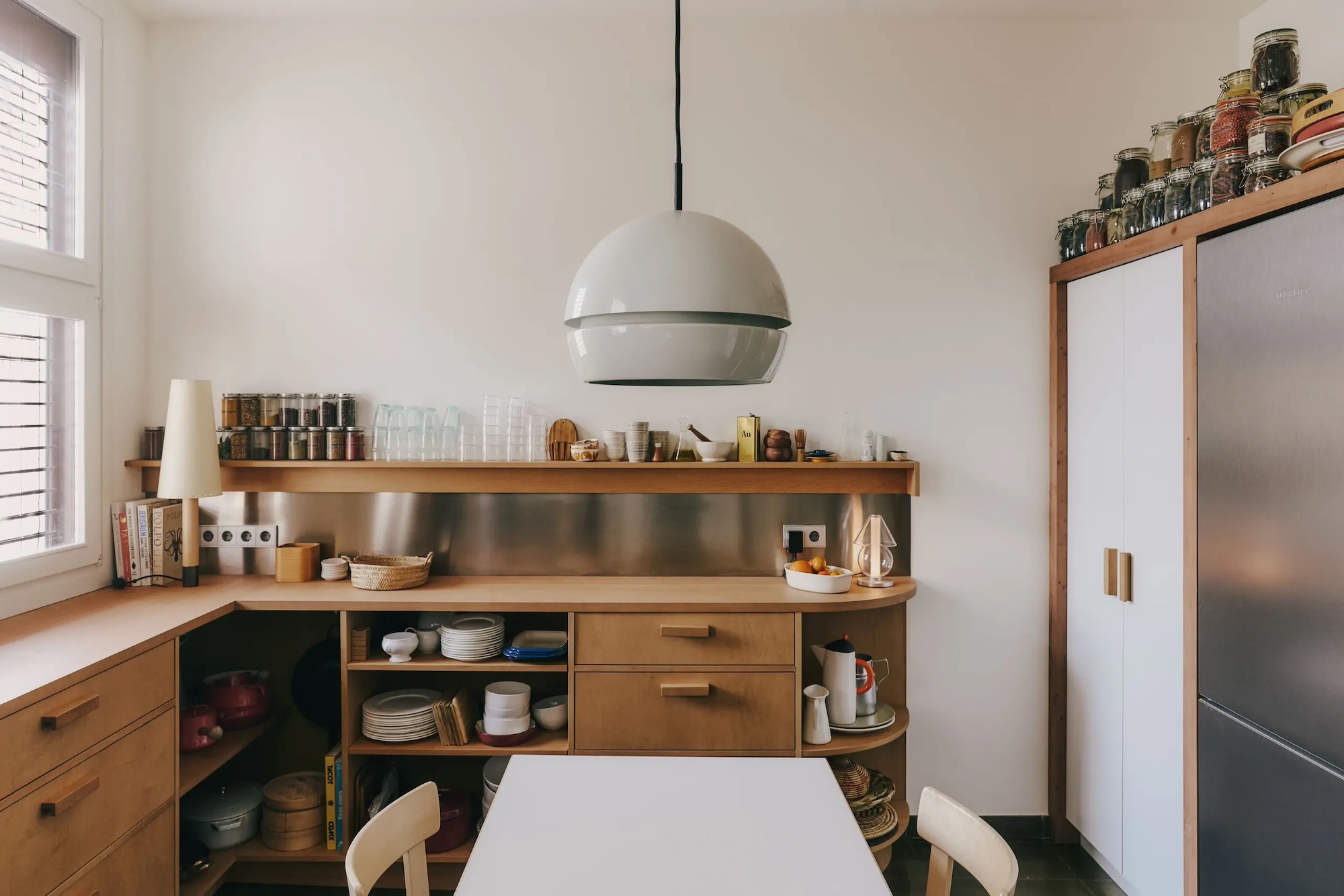
Fortunately, there's nothing super eclectic going on with 2026's hottest kitchen trends, making them easy to incorporate and suitable for pretty much any aesthetic. We caught up with HomeGoods Interior Expert Jenny Reimold to get the inside scoop on what's in and what's out this year, and we were delighted by what she told us. 2026 is the year of warm tones, gentle visual interest, and kitchens that embody your own personality. Here's how to capitalize on the hottest kitchen trends of 2026.
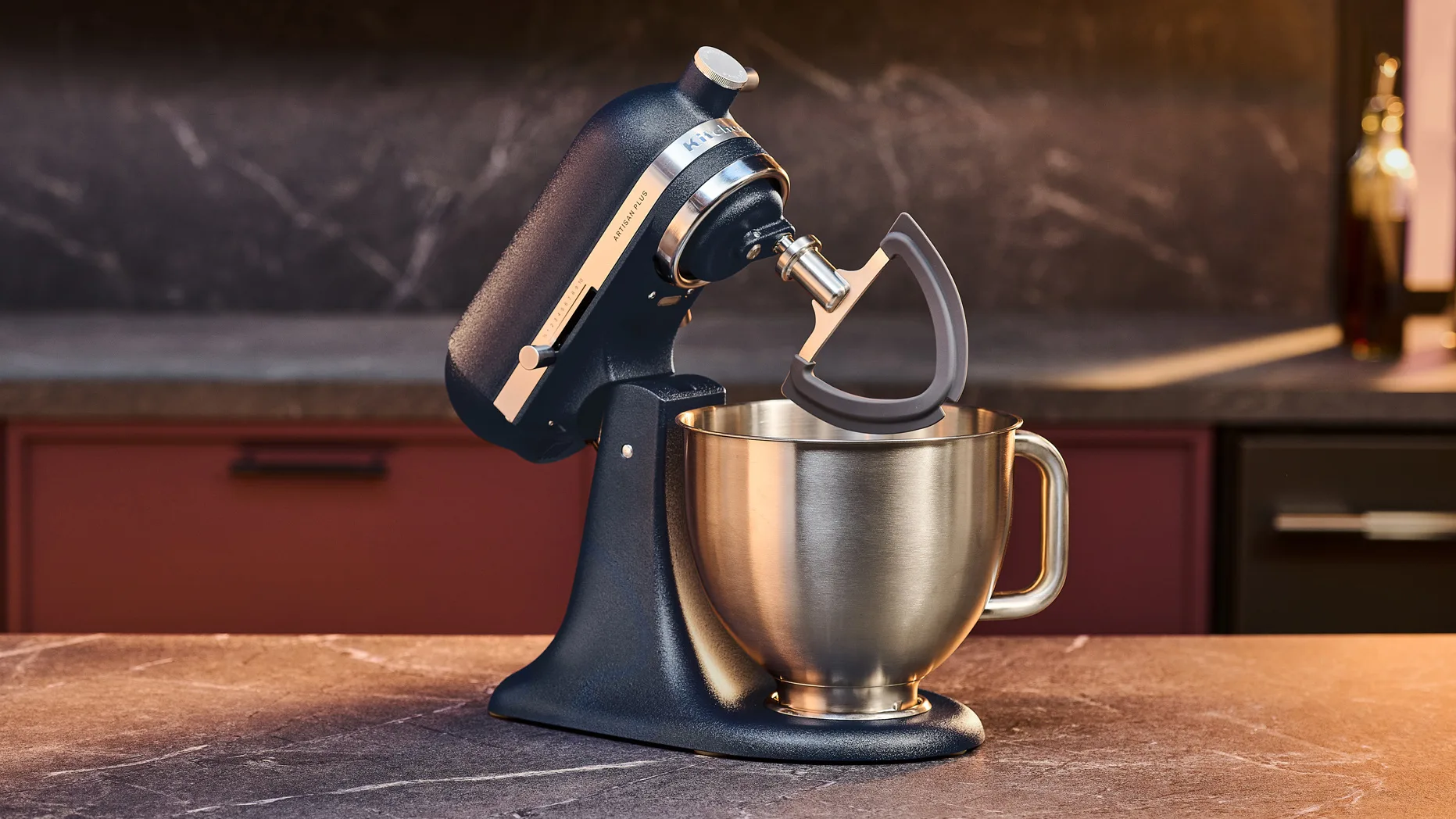
If you've ever mixed something vigorously in a large bowl during a cooking project, you have probably experienced the universal frustration of a tilting, wobbly bowl. Maybe you're whipping cream by hand, whisking a vinaigrette, or even just beating eggs for a casual, but perfect, omelette, and notice the bowl starts migrating across the counter. There are some low-tech workarounds, like a damp towel or a silicone mat slipped underneath the bowl. Neither works terribly well, especially with super-slippery granite countertops.
They're also a good source of fiber, are jam-packed with vitamin C, antioxidants, and even have anti-inflammatory properties. But their peels tend to keep many of us from reaching for them all that often at the market. Sure, they're cute with their brown fuzz, but how do you actually peel them effectively and quickly enough that it's just as easy as eating any other fruit? The answer lies in a kitchen tool you might not expect: The balloon whisk.
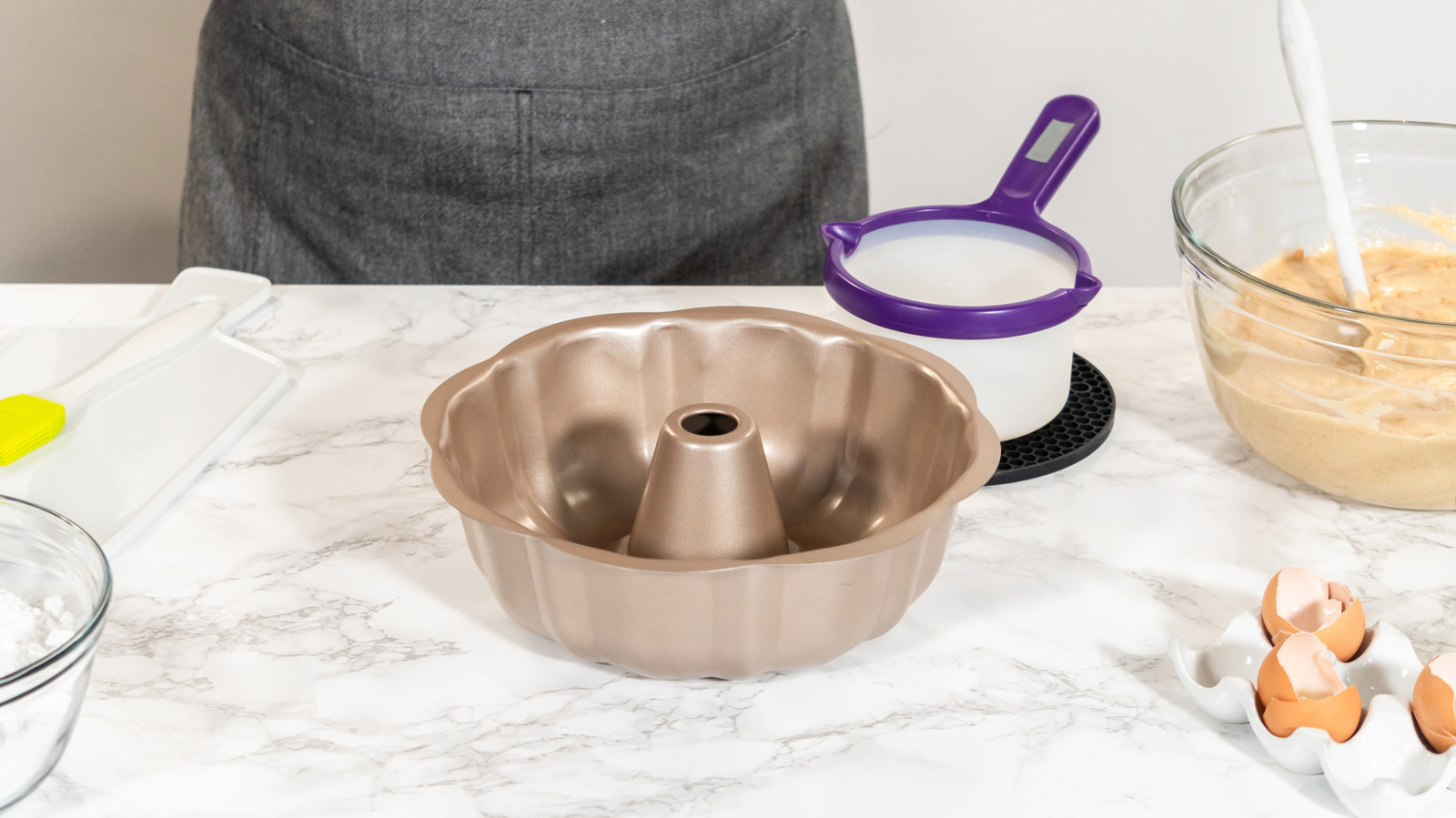
But once food has carbonized and bonded to metal, the issue is mechanical, and you need something to physically break the residue apart. Eggshells are mostly composed of calcium carbonate, the same mineral found in chalk and limestone - you've probably encountered it in your toothpaste, too. When crushed into a powder, these shells become a mild abrasive, which can gently sand down the grime.