Cooking
fromTasting Table
16 hours ago10 Ways To Make Your Sheet-Pan Dinner Taste Gourmet - Tasting Table
Sheet-pan dinners offer a quick, nutritious, and gourmet meal solution with minimal effort.
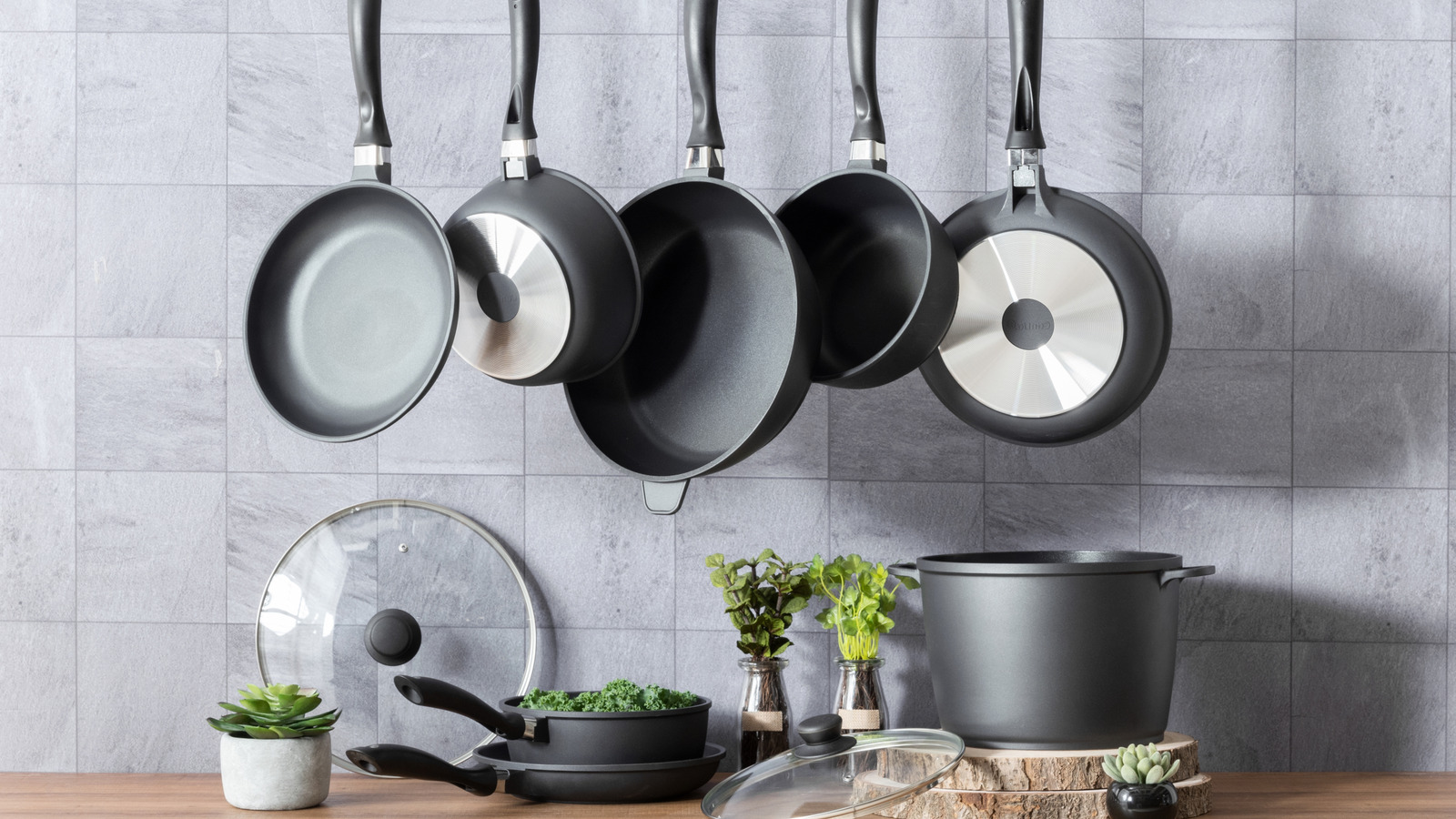
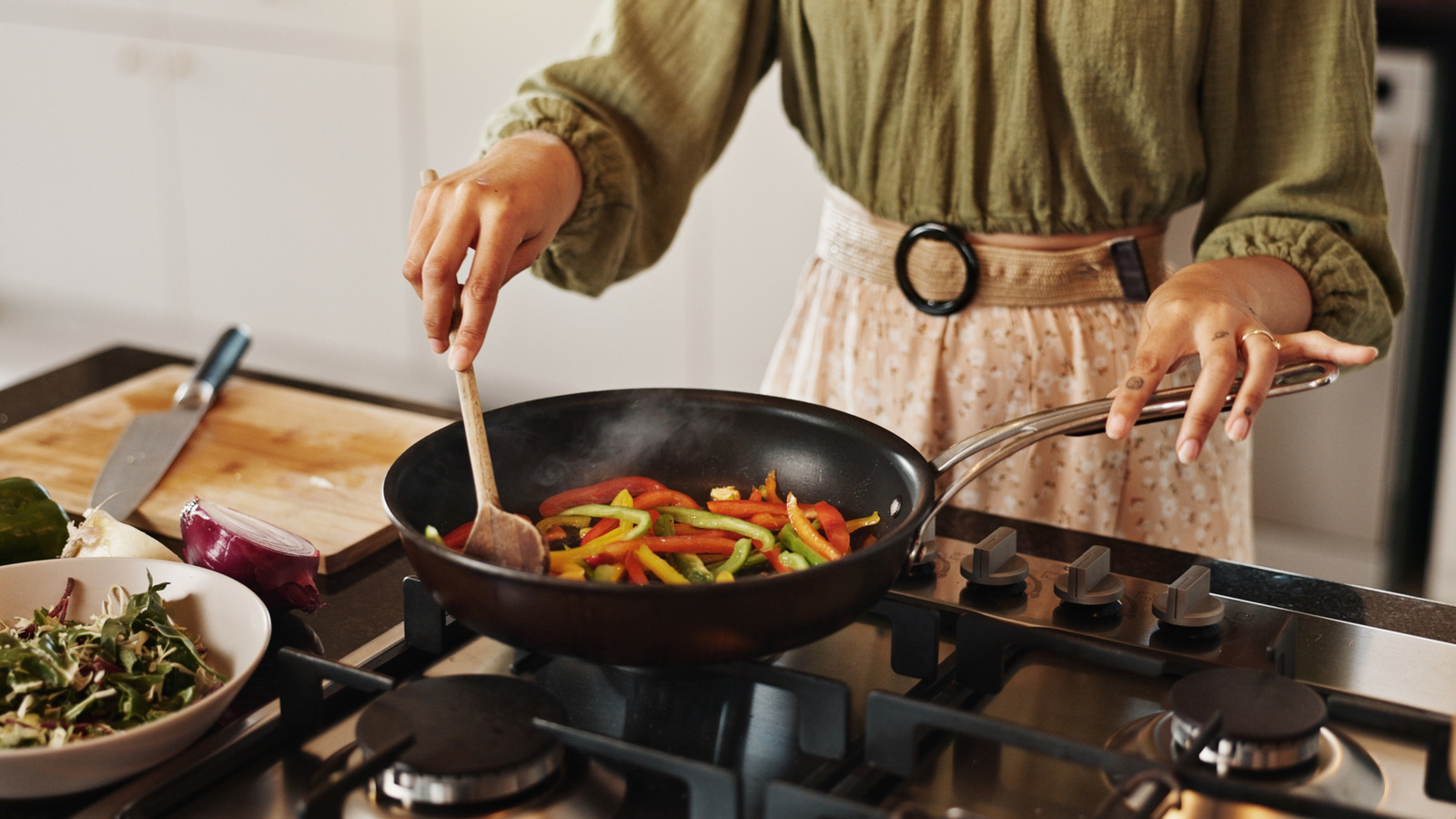
When churning out cover after cover at the saute station you can't exactly be picky about what's on the shelf above the stove. But that doesn't mean professional chefs don't have opinions about the pans they use every day during service.
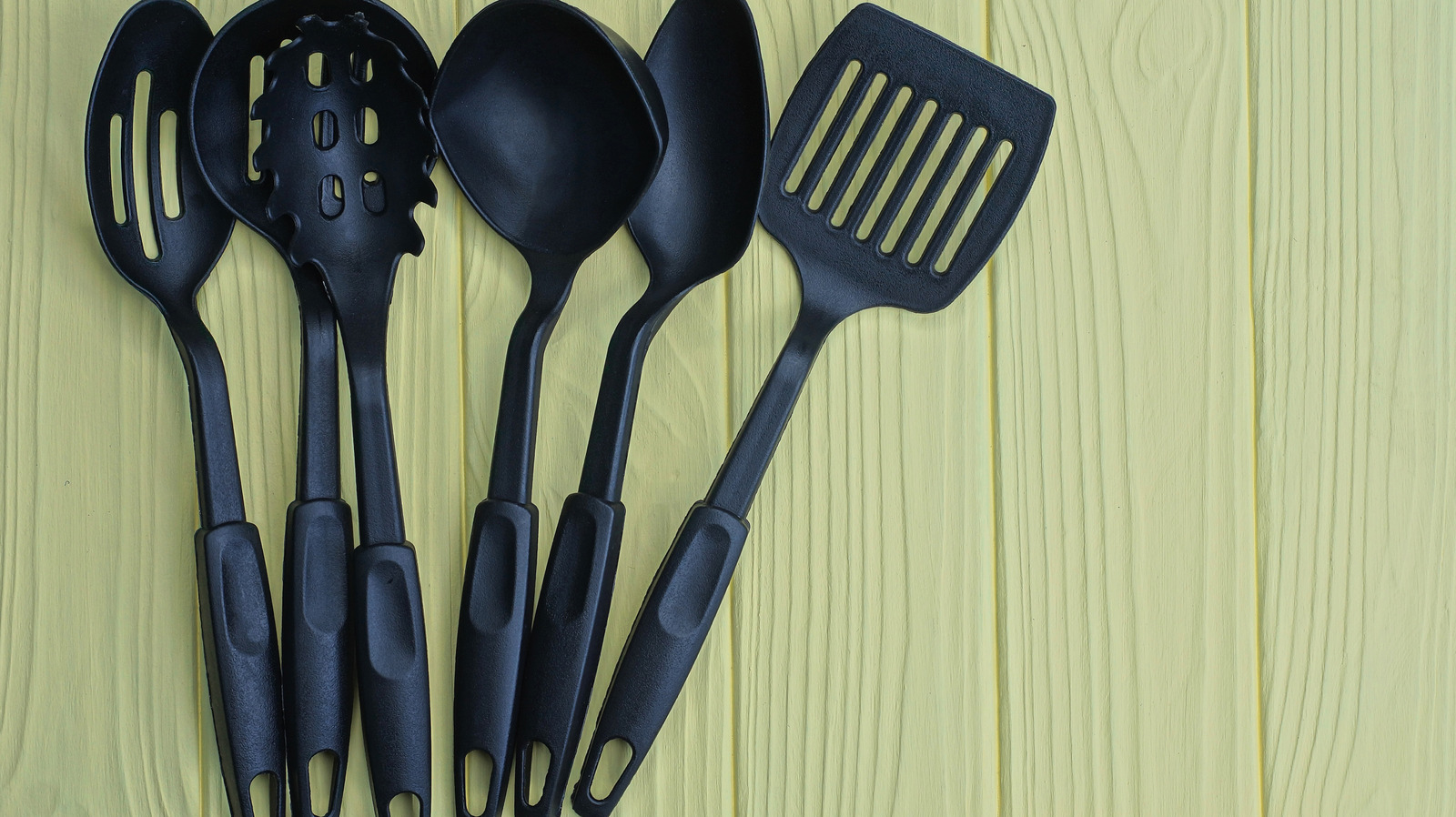
If you throw away a plastic item today, it'll very likely still be around for decades to come. In fact, some research suggests that certain plastic items could take up to 500 years to decompose. To put that in context, that means that if, say, Henry VIII threw away a plastic coffee pod in Tudor England, it would only just be finished degrading now. He didn't, of course; plastic wasn't used regularly until the 20th century. But you get the point.
"The best preventative solution is to run your range hood fan," Uebergang tells Tasting Table. "This shapes the airflow to direct the airborne particles away from porous surfaces that are so good at absorbing [odors]," she adds. The main reason why fried food smells linger is that pan-frying creates tiny droplets of grease and moisture that can land on towels, curtains, and any other nearby surfaces.
If you've ever mixed something vigorously in a large bowl during a cooking project, you have probably experienced the universal frustration of a tilting, wobbly bowl. Maybe you're whipping cream by hand, whisking a vinaigrette, or even just beating eggs for a casual, but perfect, omelette, and notice the bowl starts migrating across the counter. There are some low-tech workarounds, like a damp towel or a silicone mat slipped underneath the bowl. Neither works terribly well, especially with super-slippery granite countertops.
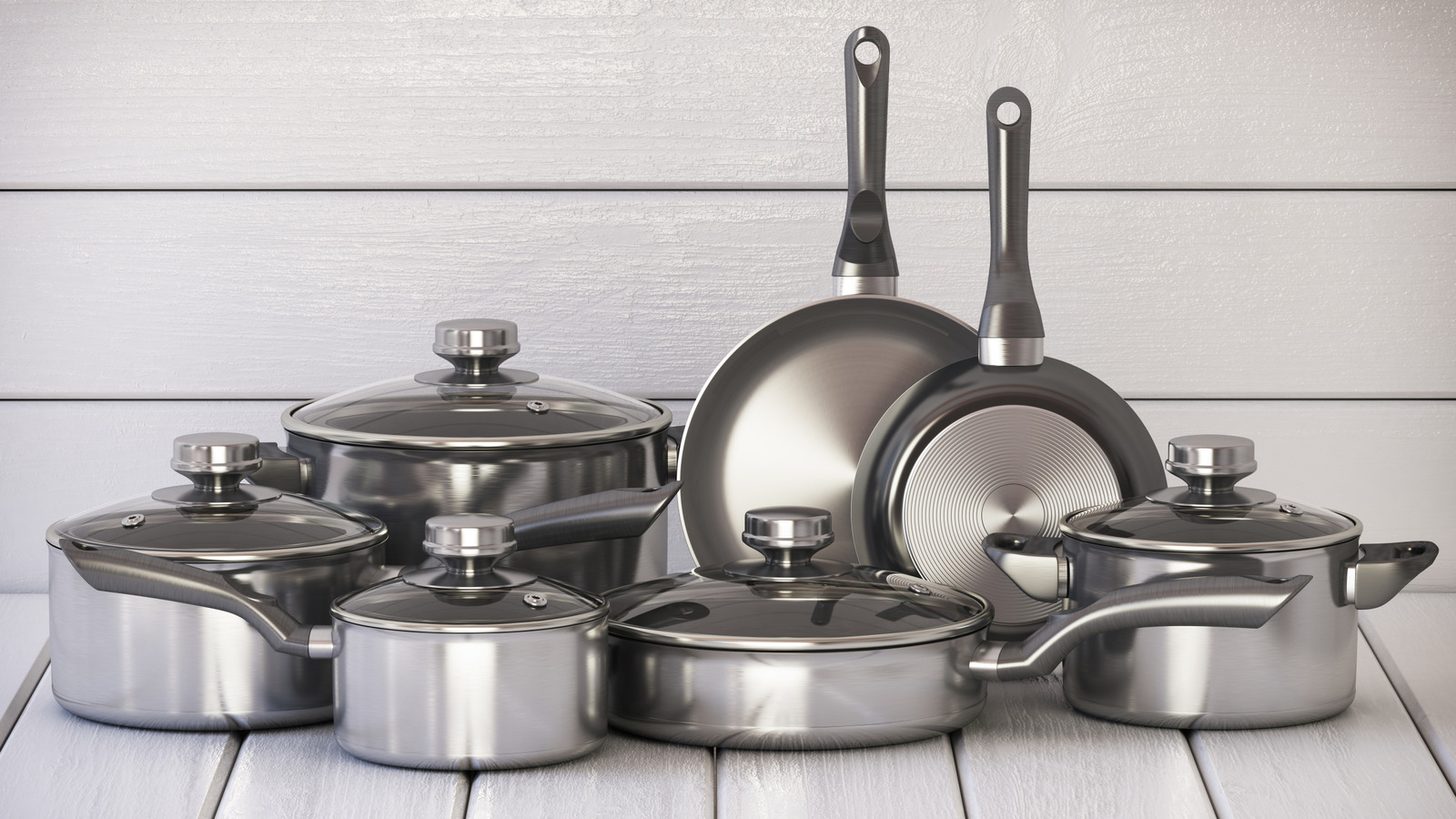
others are more likely to damage your pan and may even shorten its lifespan. It turns out that some of the main complaints you have about cooking with stainless steel might be because of user error, even if you're a seasoned cook. In fact, once you correct what you've been doing wrong with your stainless steel cookware, you might use them just as often or more than your non-stick pans, especially if you're worried about non-stick forever chemicals.
But once food has carbonized and bonded to metal, the issue is mechanical, and you need something to physically break the residue apart. Eggshells are mostly composed of calcium carbonate, the same mineral found in chalk and limestone - you've probably encountered it in your toothpaste, too. When crushed into a powder, these shells become a mild abrasive, which can gently sand down the grime.
Instead of using parchment paper (which comes with its own set of potential mistakes to make), which you can use a maximum of a few times before you have to throw it out, you can keep using the same silicone baking mat over and over again. They're also great when you want to keep a really even, consistent temperature while baking your pastries, since they're known for distributing heat well.
Whether you've lost the lid to your favorite pan or you're trying to use less plastic wrap in your kitchen, silicone lids can play an important role in your kitchen routine. Some of these lids are large enough to cover a pan on the stove, preventing excess moisture from escaping. Others are smaller and are ideal for covering cups, bowls, and food storage containers that don't have tops.
But there's no need to fear, as one simple baking tool can help you get perfect poached eggs every time: silicone cupcake liners. These liners can fit a single egg each and will allow it to gently simmer in the water without actually touching it. Once your eggs are loaded into the liners, place them in a water bath and cover with a lid.
Seasoning cast iron involves coating the pan with a thin layer of fat (typically oil) to create a protective barrier. When the oil is heated, the fatty acids inside of it link together and bond to the iron, producing that invisible, non-stick barrier that's necessary for successful cooking.