#non-toxic-paint-options
#non-toxic-paint-options
[ follow ]
#sustainability #home-improvement #interior-design #home-decor #sustainable-design #building-materials
fromTODAY.com
2 days agoThese Are the 2 Most Dangerous Home Cleaning Products to Have Around Kids, New Research Shows
"What surprised me is we are still seeing so many visits to emergency departments associated with very common household cleaning products," Lara McKenzie, Ph.D., stated, emphasizing the ongoing issue despite safety advancements.
Public health


OMG science
fromYanko Design - Modern Industrial Design News
1 week agoResearchers turned Sawdust Waste and Watermelon Seeds into Recyclable Fire-resistant Panels - Yanko Design
Sawdust can be transformed into a strong, fire-retardant composite material using struvite and an enzyme from watermelon seeds.
fromArchitectural Digest
2 weeks agoHome Design for a Longer Life: Can a House Really Promote Longevity?
When you design your home with intentionality, you are essentially 'hard-coding' healthy behaviors into your daily rhythm. Health outcomes are the result of thousands of micro-decisions—so in his own home, he prioritized spaces like the kitchen, whose open layout makes cooking a pleasure, and the gym, centrally located.
Wellness
Design
fromYanko Design - Modern Industrial Design News
2 weeks agoQPearl Just Replaced Your Shampoo Bottle With One Pearl - Yanko Design
QPearl is a water-free concentrated shampoo and body wash encapsulated in a dissolvable protein-based material that eliminates plastic packaging and reduces CO₂ emissions by approximately 99% per unit compared to conventional liquid products.
Agriculture
fromEarth911
2 weeks agoConvenience Comes at the Environment's Expense
Fast delivery convenience carries significant environmental costs through packaging waste, carbon emissions, and resource consumption, but individual yard management choices can meaningfully reduce environmental impact at a local scale.
Everyday cooking
fromTasting Table
3 weeks agoThe Kitchen Cleaning Product It's Time To Ditch - Tasting Table
Strongly scented cleaning products mask odors that signal bacterial contamination, leave residue that attracts dust, and can trigger allergies, making unscented natural cleaners a safer, more effective alternative.
fromArchDaily
3 weeks agoHow Architecture Is Learning to Generate Its Own Energy
Photovoltaic (PV) solar energy represents a modular technology that can be manufactured in large-scale facilities, generating economies of scale, while also being adaptable to small-scale applications. From residential rooftop systems to large-scale power generation installations, photovoltaic solar energy has established itself as a cost-effective option for electricity production in many countries around the world.
Environment
fromwww.architecturaldigest.com
2 weeks agoNon-Toxic Paint 101: A Designer-Approved Guide
Even long after the tell-tale odor of new paint has vanished, traditional paint can off-gas for months, releasing volatile organic compounds (VOCs) that have been linked to organ and nervous system damage, cancer, and infertility.
Remodel
Environment
fromEarth911
3 weeks agoWhere to Find Eco-Friendly Ergonomic Pillows
The sustainable pillow market has grown significantly, but greenwashing and PFAS contamination in eco-labeled products pose serious health and environmental risks requiring careful verification through third-party certifications.
Cooking
fromArchitectural Digest
1 month agoThe Case for Recycled Water Showers-and 3 Other Kitchen and Bath Innovations from KBIS
Water-efficient bathroom fixtures including low-flow toilets and showers deliver significant water savings while maintaining performance, with engineered stone manufacturers shifting to low-silica compositions for health and safety.
fromEarth911
4 weeks agoHow to Recycle or Dispose of Single-Use Alkaline Batteries
Never place batteries of any type in your curbside recycling bin. Batteries can damage recycling equipment and, if lithium batteries are mixed in, cause fires. Always use designated battery collection programs.
Environment
fromFast Company
1 month agoThese designers made a sustainable new building material from corn
This corn-based construction material was made by Manufactura, a Mexican sustainable materials company, and it imagines a second life for waste from the most widely produced grain in the world. The project started as an invitation by chef Jorge Armando, the founder of catering brand Taco Kween Berlin, to find ways he could reintegrate waste generated by his taqueria into architecture. A team led by designer Dinorah Schulte created corncretl during a residency last year in Massa Lombarda, Italy.
Science
Food & drink
fromTasting Table
1 month agoIt's Time To Ditch Plastic Food Storage Kitchenware And Invest In Silicone - Here's Why - Tasting Table
Food-grade silicone storage containers are safer and more heat-resistant than many plastics, non-reactive, BPA-free, dishwasher/microwave/oven-safe, and less likely to release harmful chemicals.
Remodel
fromApartment Therapy
3 weeks agoThis Designer Cracked the Code on Making Gray Floors Look Incredible (No Reno Required!)
Gray vinyl flooring can be visually softened through strategic decor choices like large area rugs, complementary wall colors, and thoughtful design elements rather than renovation.
fromDefector
1 month agoMake It Nice: Curtains, Linens, And How To Figure Out What You Like | Defector
My husband and I just upgraded our apartment here in Germany to one with much more space. The downsides of this is we have hard marble floors and a tall-ceilinged living room (oh woe is us!). It's very echo-y and looks directly into our neighbors across the street. The windows have external shutters, so light-blocking isn't needed, but we'd love to get
Design
fromApartment Therapy
1 month agoOne Unexpected Paint Color Brought This Forgotten Room Back to Life
"Other than central air being added at some point along the way, this room appears to have not been touched for quite some time," Brielle says. But, of course, old homes come with their quirks. "It has slanted ceilings, uneven floors, picture rail crown molding, attic door access, holes in the walls, and peeling windows," she says. Still, Brielle "immediately fell in love with all of its character and could not wait to transform it into [her] sanctuary."
Renovation


fromFast Company
1 month agoThis paint acts like a dehumidifier for your walls
It looks like ordinary paint, but a new coating called Lilypad Paint has a hidden ability to pull moisture out of the air. It works like a dehumidifier, without the energy use. If it's on the wall in your bathroom, it can suck water vapor out of the air after you've taken a shower. The paint holds the humidity in nano-size pores, and then slowly releases it as humidity levels fall in the room.
Science
fromApartment Therapy
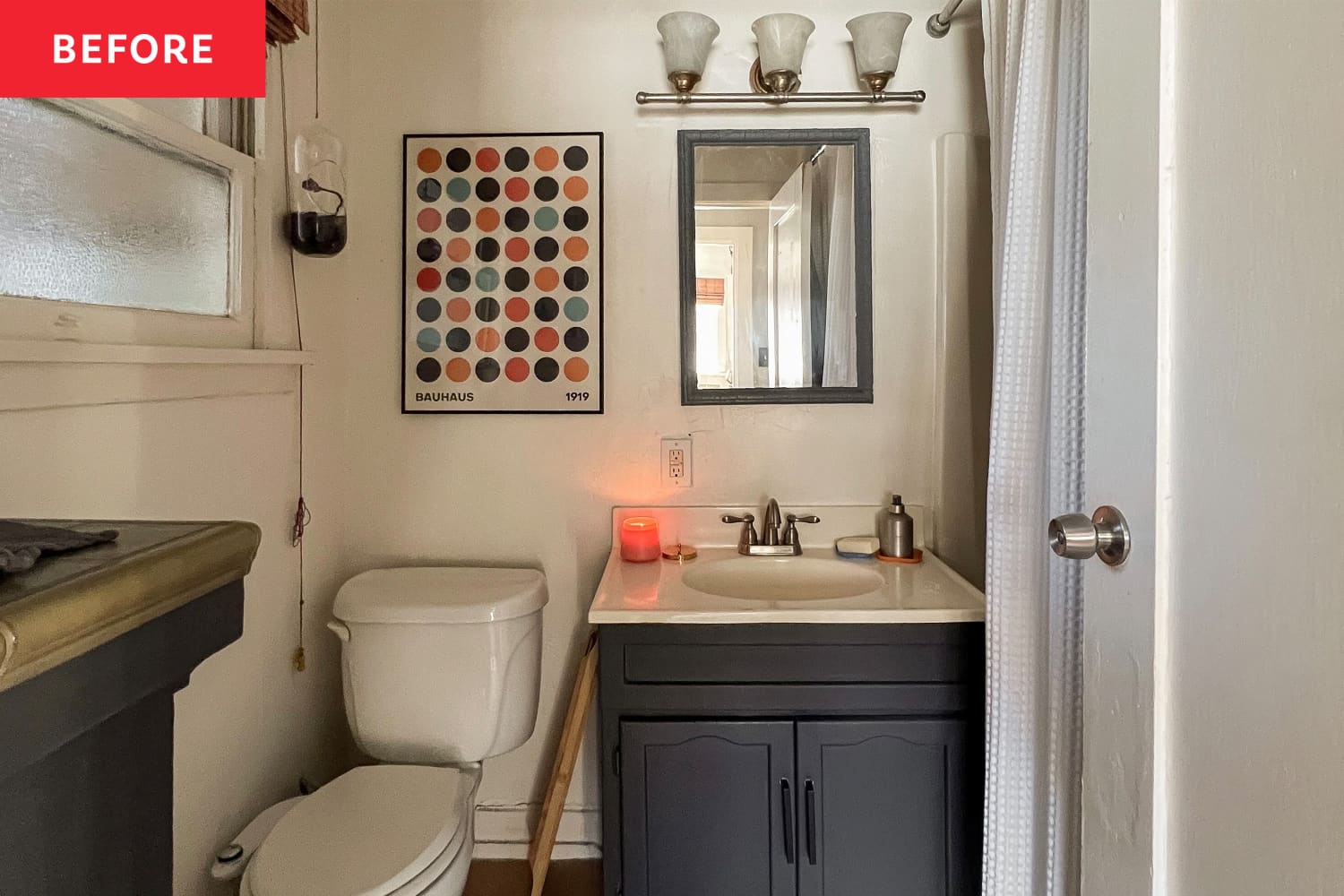
1 month ago5 Basically Free, Tiny Tweaks That Will Transform Your Bathroom
Because it's so important to the function of my home, it's become an afterthought when it comes to making it beautiful. All I need is a functional, clean space - it doesn't need to feel as relaxing as my bedroom or living room. Plus, it's not like I have the time (or money!) to invest in transforming the bathroom space by hiring a stager or designer. But I'm interested in making each space feel a little more beautiful these days.
Renovation
fromdesignboom | architecture & design magazine
1 month agocan desert sand with plant-based materials be used to build houses and roads?
Researchers at the Norwegian University of Science and Technology and the University of Tokyo have made a prototype of botanical cement made of desert sand and plant-based additives in hopes that it can be used to build houses and roads. Once mixed, the team adds tiny pieces of wood together and presses them all with heat to produce the cement.
Science
Environment
fromLondon Business News | Londonlovesbusiness.com
1 month agoWhy London's boardrooms are taking a hard look at cleaning chemicals - London Business News | Londonlovesbusiness.com
London organisations are shifting cleaning-chemical procurement from lowest-cost buying to compliant, traceable, and bespoke formulations driven by ESG and regulatory risk.
fromArchDaily
1 month agoWhen Light Meets Energy in Glass Ceilings
From the large industrial roofs and galleries of the 19th century to the contemporary atriums of museums and public buildings, glass has been a recurring material in shaping large and monumental interior spaces. More than a technological or engineering solution, these horizontal glazed planes introduce a distinct luminous quality: light that comes from above. Unlike lateral daylight entering through façades, zenithal light is more evenly distributed, reduces harsh shadows, and lends spaces a sense of continuity and openness that is difficult to achieve otherwise.
Design
fromwww.housingwire.com
1 month agoThis paint may alter how builders fight mold and moisture damage
This is the one and only paint that's on the market that's designed to actually absorb moisture. If you take Lilypad paint and apply it to the wall, the film will actually absorb excess humidity as it starts filling the room, and then, when it dries, it resets itself by slowly letting it back into the space. So it's regulating humidity, Dr. Stein said.
Remodel
fromArchitectural Digest
1 month agoAD PRO LIVE: The Longevity Home | Register Now
The home isn't just where we live anymore. It's a mechanism for living longer. In this AD PRO LIVE report, we'll examine how residential design has become the next frontier to a healthier, longer life. Delve into the industry's expanding catalog of non-toxic materials, the architectural elements shaping conscientious builds, and the luxury amenities promoting physical and mental well-being in every room of the house.
Design
fromArchitectural Digest
2 months agoSustainable Architecture Is More Needed Than Ever-Here's What It Actually Means
According to the UN, the "buildings and construction sector is by far the largest emitter of greenhouse gases." Sustainable architecture, in essence, tries to change that-and is more needed than ever. As climate change intensifies, it challenges architects and designers to consider the impact of their work in every step of the building process, from raw materials to site impact to future maintenance, decades down the line.
Environment
fromYanko Design - Modern Industrial Design News
2 months agoThe Case for Heirloom Furniture in an Era Obsessed With Biodegradable Everything - Yanko Design
Furniture made from mycelium or algae can decompose in five years, sure, but a well-made antique armoire outlives empires because no one throws it away. Columns takes that logic seriously. Handcrafted in solid oak, natural leather, and horsehair, the pieces are built to last a thousand years, which sounds like marketing hyperbole until you look at the joinery, the hand stitching, and the material choices. This is furniture designed to be inherited, repaired, and remembered.
Design
Design
fromwww.architecturaldigest.com
2 months agoWhite Walls Driving You Crazy? Patterned Sheets Are Certainly Cheaper Than Painting
Patterned sheets add texture, dimension, and affordable, easy-to-change style using high-quality, breathable materials and Oeko-Tex certified, chemically safe construction.
fromTasting Table
2 months agoSwap These Plastic Kitchen Items For Safer, Smarter Alternatives - Tasting Table
If you throw away a plastic item today, it'll very likely still be around for decades to come. In fact, some research suggests that certain plastic items could take up to 500 years to decompose. To put that in context, that means that if, say, Henry VIII threw away a plastic coffee pod in Tudor England, it would only just be finished degrading now. He didn't, of course; plastic wasn't used regularly until the 20th century. But you get the point.
Environment
Remodel
fromRedfin | Real Estate Tips for Home Buying, Selling & More
1 month ago5 Easy Home Updates That Instantly Improve How Your Home Looks and Feels
Small, affordable updates—window treatments, improved lighting, fresh paint, modern hardware, and textiles—can transform a home's look and feel without major renovations.
fromTasting Table
2 months agoThe Eco-Friendly Countertop Material That's Surprisingly Durable - Tasting Table
It's likely that you've encountered recycled glass countertops without realizing it. They're far from the hippie-style broken-glass mosaic art of yesteryear, instead presenting as sleek, highly polished, professional slabs with intriguing bits of confetti-style color trapped inside. That's the recovered glass bits set into a binding material such as resin, cement, or concrete, and then smoothly polished so that the composite surface feels like stone.
Remodel
fromApartment Therapy
6 years agoI Tried 3 DIY Grout Cleaners - And One of Them Blew Me Away
The grout on my bathroom floor tile haunts me. It's one of those projects I never really have the time or the initiative to tackle, but I hate how dirty it's become. It's beyond the maintenance stage and in need of a really good cleaning. Luckily, I discovered a DIY grout cleaner using common household products that worked wonders in my bathroom.
Renovation

fromBusiness Matters
2 months agoWhy Thermally Modified Timber Has Moved Into the Construction Mainstream
Thermal modification is not a new invention, but its relevance has increased as expectations around performance, sustainability, and predictability have tightened. Developers, architects, and contractors are no longer just asking whether timber looks good or performs well initially. They want to know how it behaves after ten, twenty, or thirty years, and how much risk it introduces into a project once the scaffolding is gone.
Remodel
fromApartment Therapy
2 months ago2 Renter-Friendly Kitchen Paint Upgrades That Look Like Renovations
Being creative, Bridgette knew that while she wasn't allowed to paint the honey-colored cabinetry in her apartment's kitchen, that wasn't going to stop her from making the room unique. It's far easier to return walls to their original color than paint cabinets, so she did just that by drenching the room in a terracotta color to blend the cabinet color while accentuating the richness. (Plus, she can easily paint it back when she moves out.)
Remodel
[ Load more ]