#north-korean-embassy
#north-korean-embassy
[ follow ]
#north-korea #kim-jong-un #iran #belarus #workers-party-congress #international-relations #kim-ju-ae #trump
#trump
Russo-Ukrainian War
fromLondon Business News | Londonlovesbusiness.com
2 days agoTrump's Ukraine threat is not what it seems, but it reveals a deeper strategic shift - London Business News | Londonlovesbusiness.com
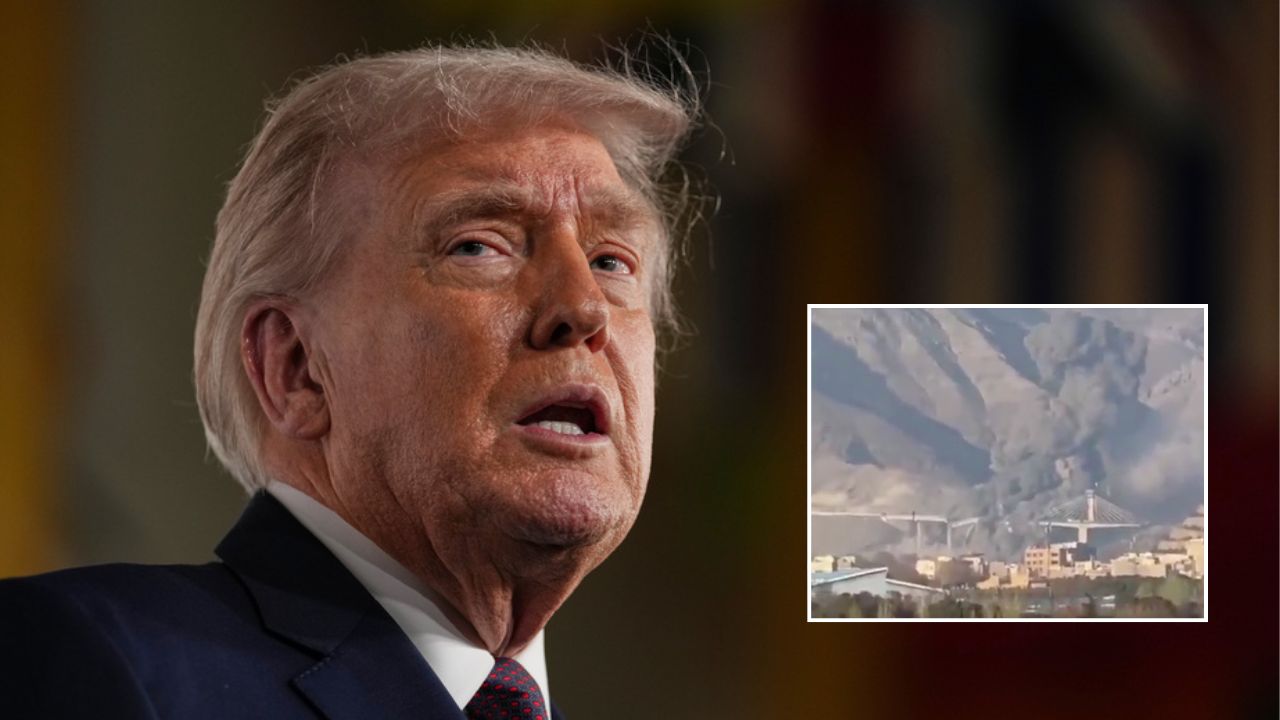
Trump's threat to halt weapons supplies to Ukraine reflects leverage over European allies rather than a complete withdrawal of support.

Russo-Ukrainian War
fromLondon Business News | Londonlovesbusiness.com
2 days agoTrump's Ukraine threat is not what it seems, but it reveals a deeper strategic shift - London Business News | Londonlovesbusiness.com
Trump's threat to halt weapons supplies to Ukraine reflects leverage over European allies rather than a complete withdrawal of support.








Remote teams
fromTheregister
2 weeks agoNorth Korean's 100k fake IT workers net $500M a year for Kim
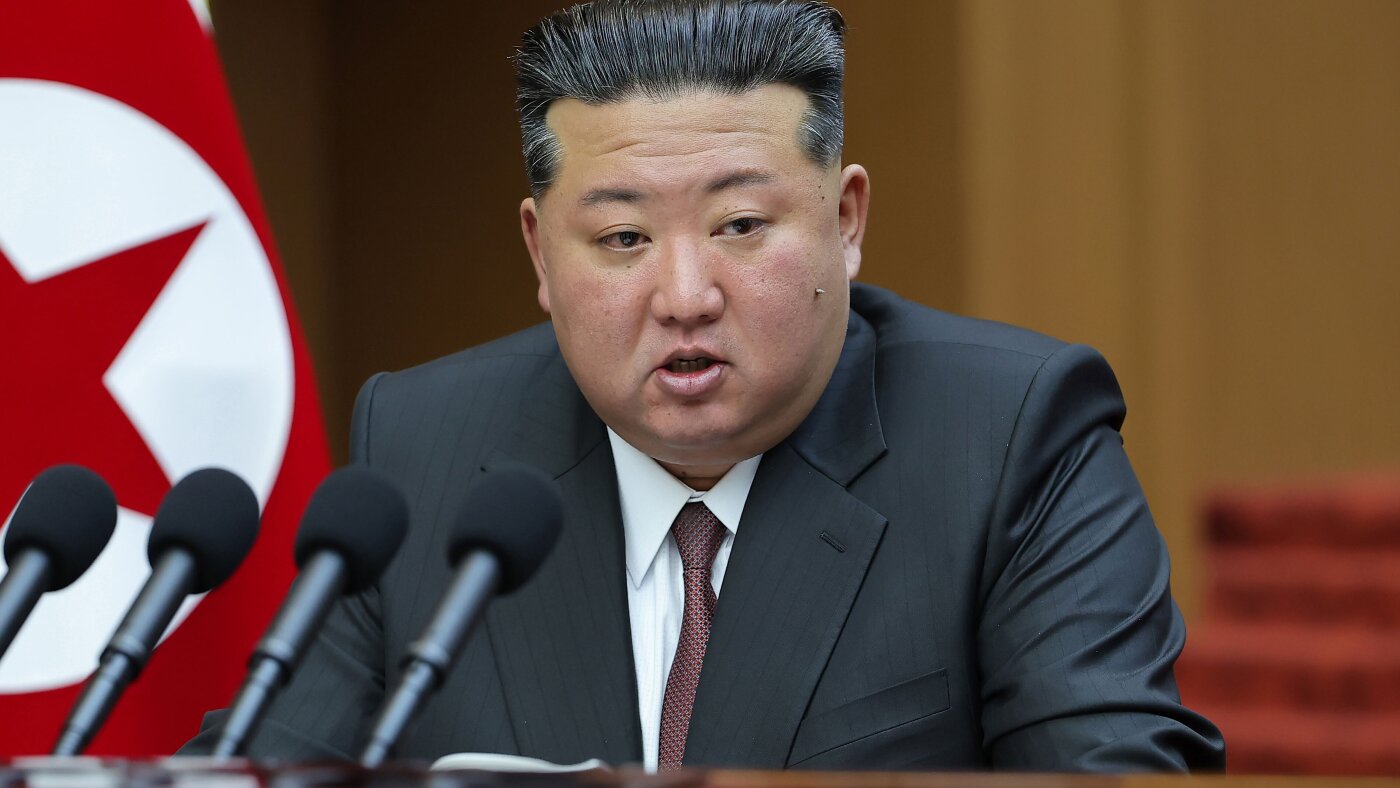
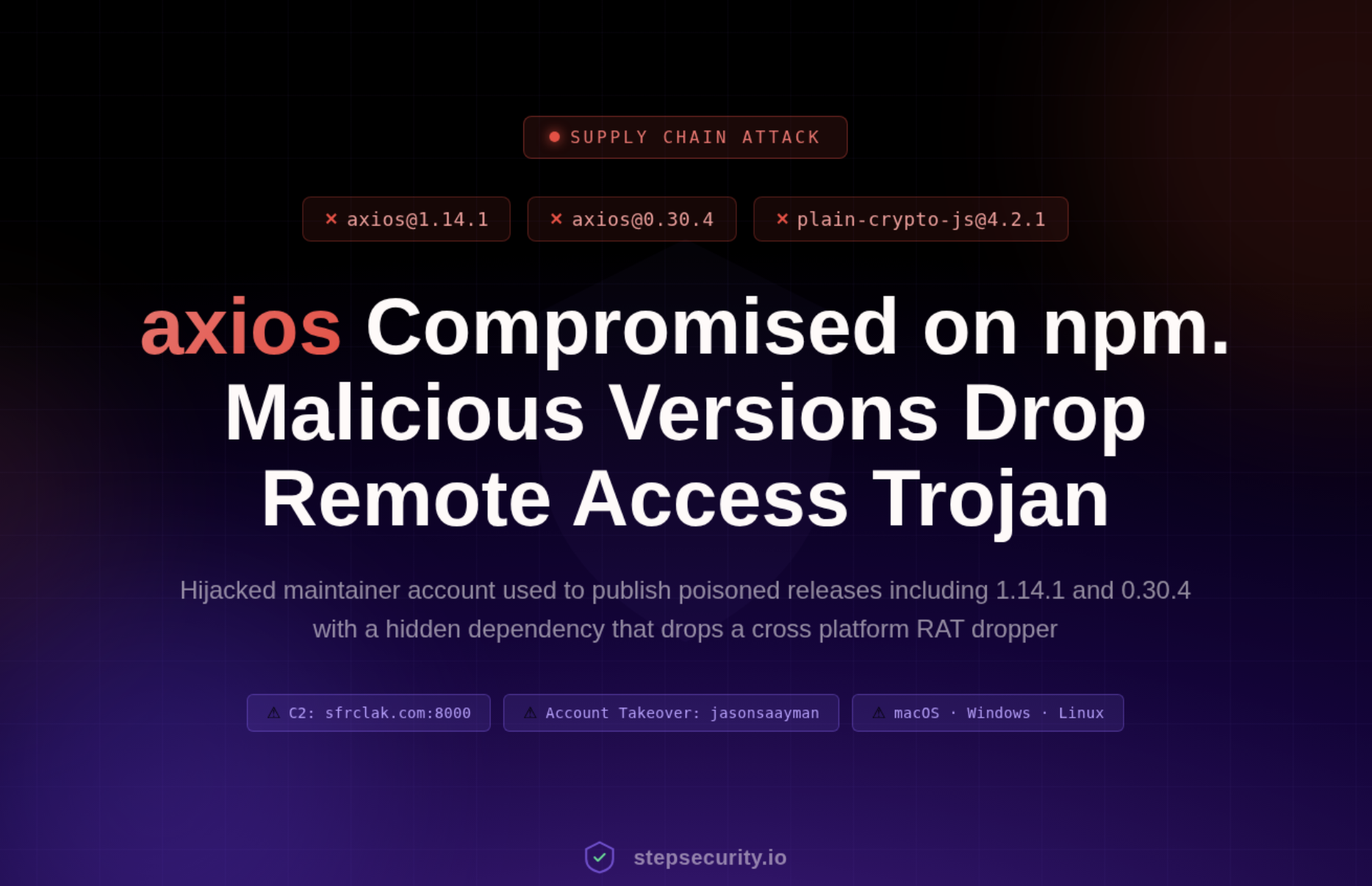
North Korea operates a sophisticated fake IT worker scheme generating $500 million annually, with over 100,000 operatives in 40 countries infiltrating companies to steal money and sensitive information.
Information security
fromThe Hacker News
2 weeks agoOFAC Sanctions DPRK IT Worker Network Funding WMD Programs Through Fake Remote Jobs
OFAC sanctioned six individuals and two entities for operating a North Korean IT worker scheme that defrauds U.S. businesses and generates illicit revenue for weapons of mass destruction programs.

fromwww.aljazeera.com
2 weeks agoUS East Asian allies in legal quandary as Trump seeks help in the Middle East
Trump is expected to raise the issue of warships when he meets with Japanese Prime Minister Sanae Takaichi at the White House on Thursday, according to Al Jazeera correspondent Jack Barton. People do expect him to put pressure on Takaichi again to send warships to the Strait of Hormuz. It makes sense in a way because Japan is so dependent on energy supplies from the Middle East.
World politics
World politics
fromThe Cipher Brief
1 month agoNuclear Expansion and Conditional Diplomacy: North Korea's New Strategy
North Korea's 9th Workers' Party Congress codified nuclear-armed status with pre-emptive strike capability while signaling conditional openness to U.S. engagement and formal hostility toward South Korea.
World news
fromRadioFreeEurope/RadioLiberty
3 weeks agoUS Adds Afghanistan To New Blacklist Over Taliban's 'Wrongful Detention' Of Americans
The United States designated Afghanistan a state sponsor of wrongful detention, accusing the Taliban of holding American citizens as bargaining chips and imposing sanctions and travel restrictions.
World news
fromwww.dw.com
1 month agoNorth Korea: Kim visits warship, oversees missile launch
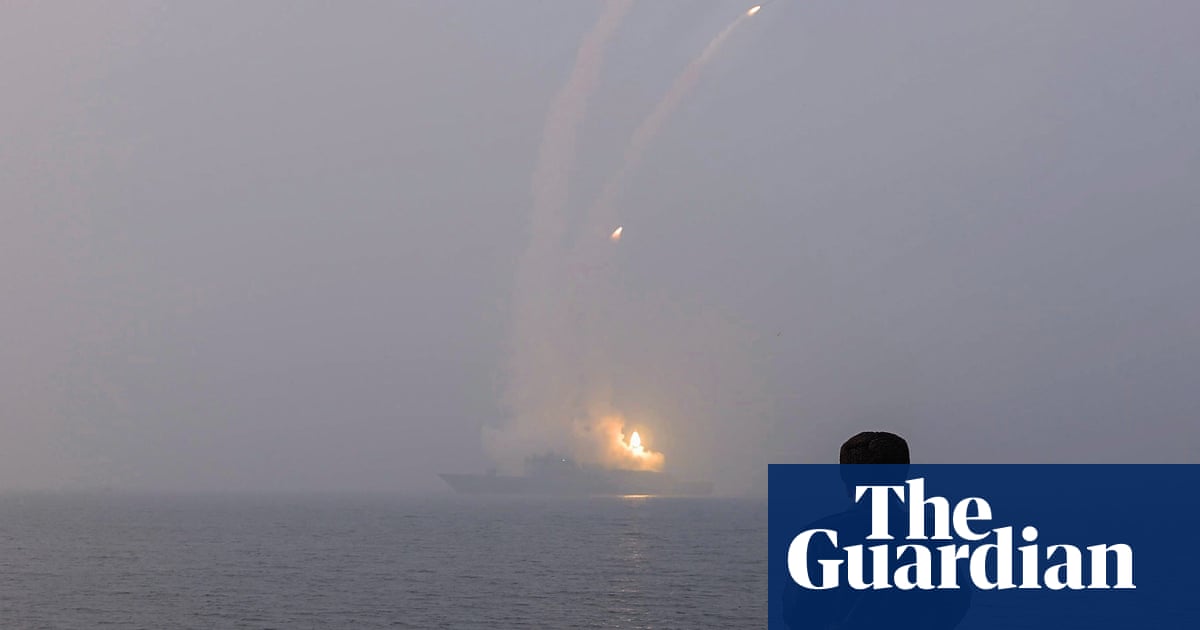
North Korea plans to build two advanced surface warships annually under its new five-year plan, with Kim Jong Un overseeing missile tests on the Choe Hyon-class destroyer to demonstrate enhanced naval offensive capabilities.
fromwww.aljazeera.com
1 month agoNorth Korea's Kim oversees cruise missile tests from new naval destroyer
Our Navy's forces for attacking from under and above water will grow rapidly. The arming of the Navy with nuclear weapons is making satisfactory progress. All these successes constitute a radical change in defending our maritime sovereignty, something that we have not achieved for half a century.
World news
fromwww.theguardian.com
1 month agoWashington and Tehran to hold more nuclear talks as protests reignite in Iran
As fears loomed of renewed conflict after Washington carried out a major redeployment of military assets to the region, the Iranian foreign minister, Abbas Araghchi, said he thought there was still a good chance of finding a diplomatic solution. He told CBS negotiators would probably meet on Thursday to discuss and try to make a fast deal. Alluding to US assets in the region as potential targets, however, he said: If the US attacks us, then we have every right to defend ourselves.
World news
fromwww.theguardian.com
2 months agoLiving hell of North Korea's paradise on Earth' scheme back in spotlight in Japan
They were denied basic human rights and forced to endure extreme hardship. Official promises of free education and healthcare plus guaranteed jobs and housing had been a cruel mirage. And to their horror, they were prevented from travelling to Japan to visit the families they had left behind. But this week, after years of campaigning, four settlers who had escaped to Japan secured justice when a court in Tokyo ordered the North Korean government to pay each of them at least 20m yen in compensation.
World news
fromwww.theguardian.com
2 months agoPentagon to reduce its role in deterrence of North Korea
South Korea hosts about 28,500 US troops in combined defence against North Korea's military threat and Seoul has raised its defence budget by 7.5% for this year. South Korea is capable of taking primary responsibility for deterring North Korea with critical but more limited US support, said the National Defense Strategy, a document that guides the Pentagon's policies. This shift in the balance of responsibility is consistent with America's interest in updating US force posture on the Korean Peninsula, the document added.
World news
fromwww.dw.com
2 months agoJapan, South Korea vow stronger ties amid China challenge
"Both sides agreed on "shuttle diplomacy" three years ago, with regular meetings at the highest level. Lee's national security adviser, Wi Sung Lac, said the summit's goal was to build trust between the South Korean and Japanese leaders. Lee and Takaichi discussed ways to boost cooperation in a raft of areas including cutting-edge technologies such as artificial intelligence, combating cross-border crime, and promoting people-to-people exchanges."
World news
[ Load more ]