#nurse-staffing
#nurse-staffing
[ follow ]
#nurses-strike #healthcare #patient-safety #hospital-staffing #safe-staffing #patient-care #data-breach
fromwww.bbc.com
2 days agoDoctors lose new jobs package as strike to go ahead
The government has withdrawn an offer of creating 1,000 more doctor training posts in England after the British Medical Association (BMA) refused to call off a six-day strike next week. The extra posts were part of a wider package of measures put forward by ministers earlier this year to resolve the long-running dispute with resident doctors.
UK politics



Women in technology
fromFast Company
2 weeks agoThe gender gap no one talks about: men missing from care professions
Care professions dominated by women face severe labor shortages and will become increasingly critical as populations age, yet society undervalues these essential jobs compared to male-dominated tech sectors.
Public health
fromwww.theguardian.com
3 weeks agoPatients face long journeys for medicines as pharmacies cut weekend hours
One in six English pharmacies have reduced weekend hours since 2022, causing over 20% loss of weekend opening hours and forcing patients to travel long distances or seek emergency care.
Brooklyn
fromBrooklyn Paper
3 weeks agoOp-Ed | The Brooklyn Hospital Center is abandoning nurses and patients * Brooklyn Paper
Nurses at The Brooklyn Hospital Center have lost health coverage for 40 days after management refused to contribute to health funds despite a signed contract, while executive leadership remains unaffected.
Health
fromSilicon Canals
2 weeks agoI'm 66 and a doctor I'd never met before looked at my chart and said "do you have someone at home" and the way she asked it - clinical, not warm - made me realize the question wasn't about companionship, it was about whether anyone would notice if something happened to me between appointments, and I've been sitting with that distinction ever since - Silicon Canals
Social isolation in retirement creates invisibility where daily routines no longer intersect with others, risking being unnoticed for extended periods.




fromTruthout
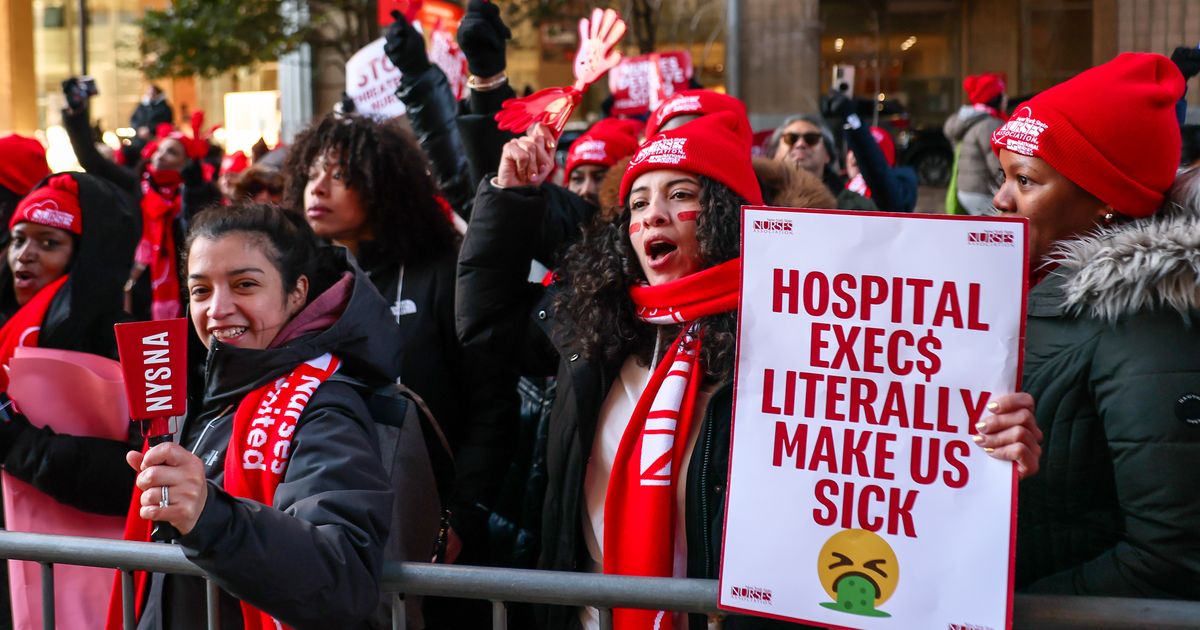
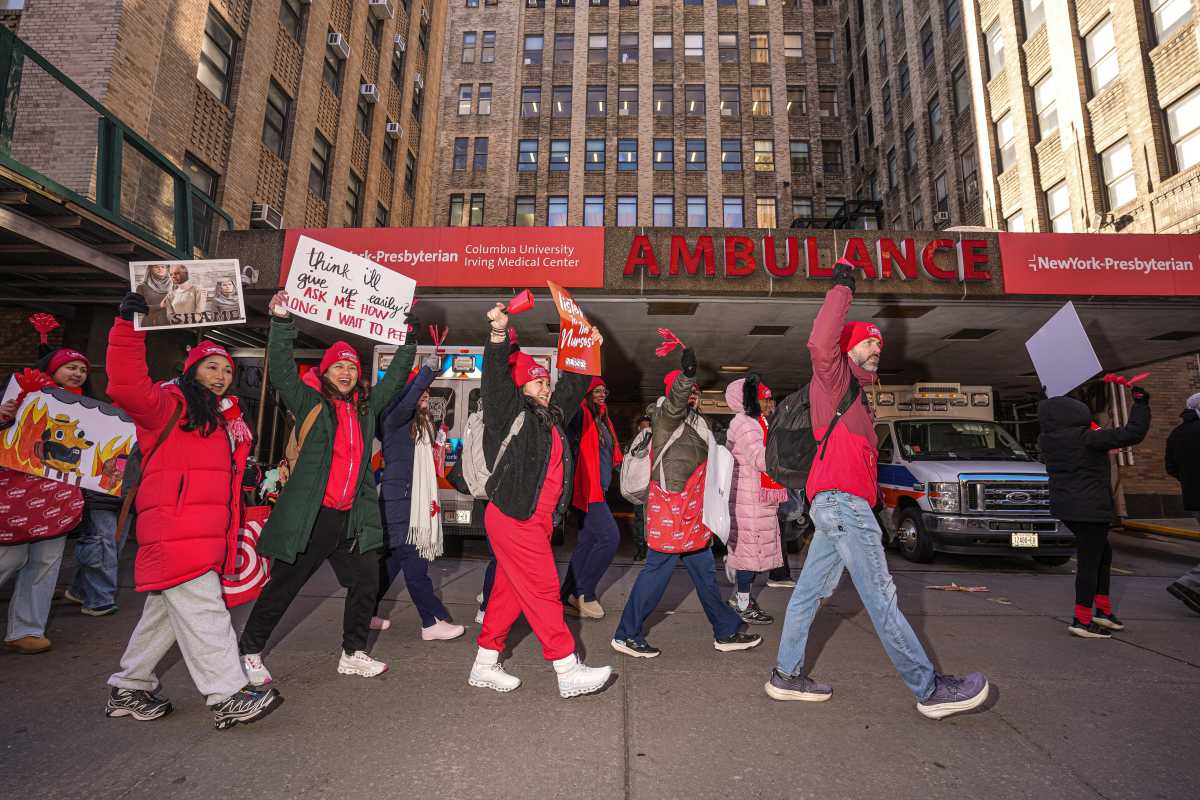
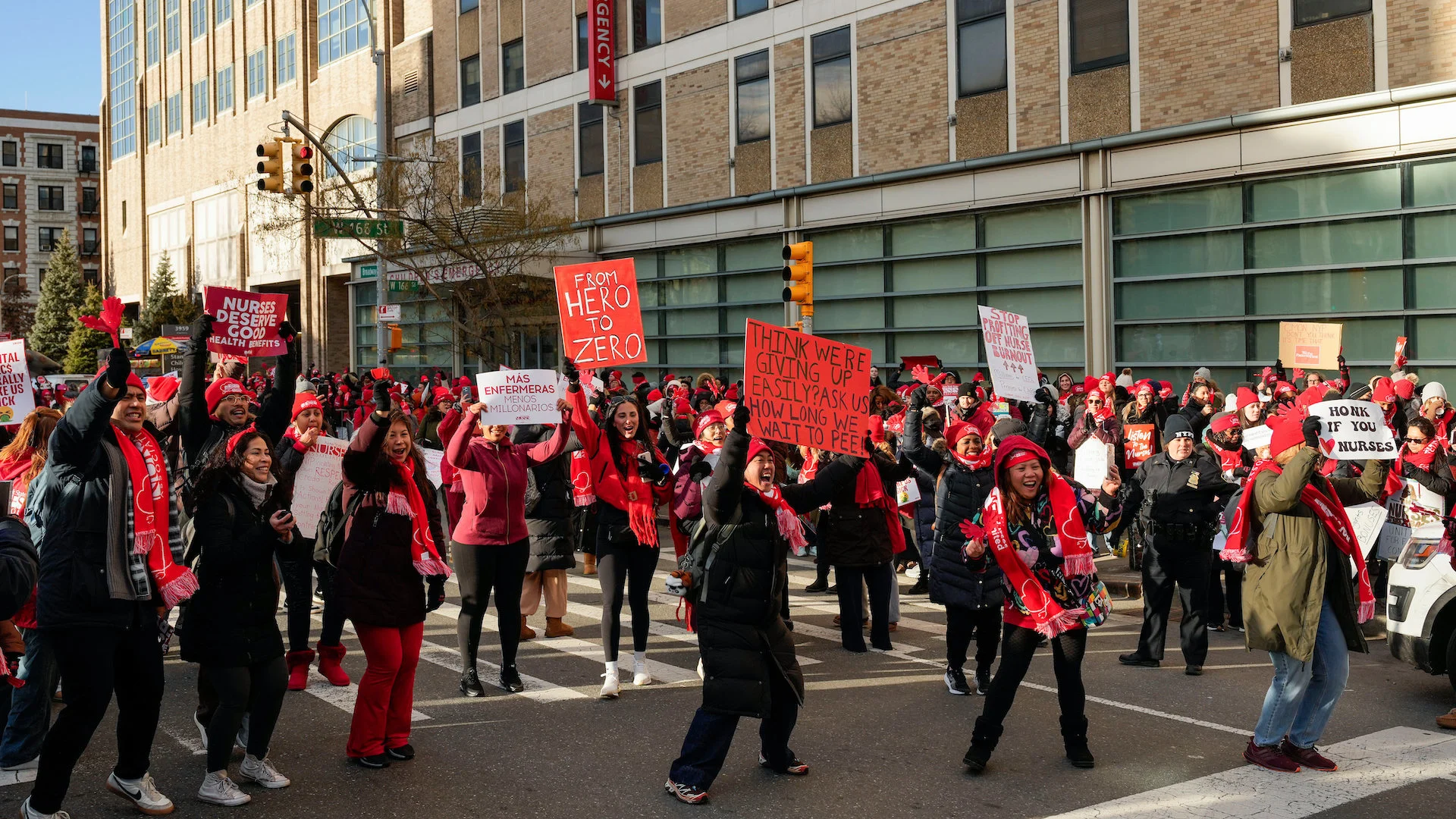
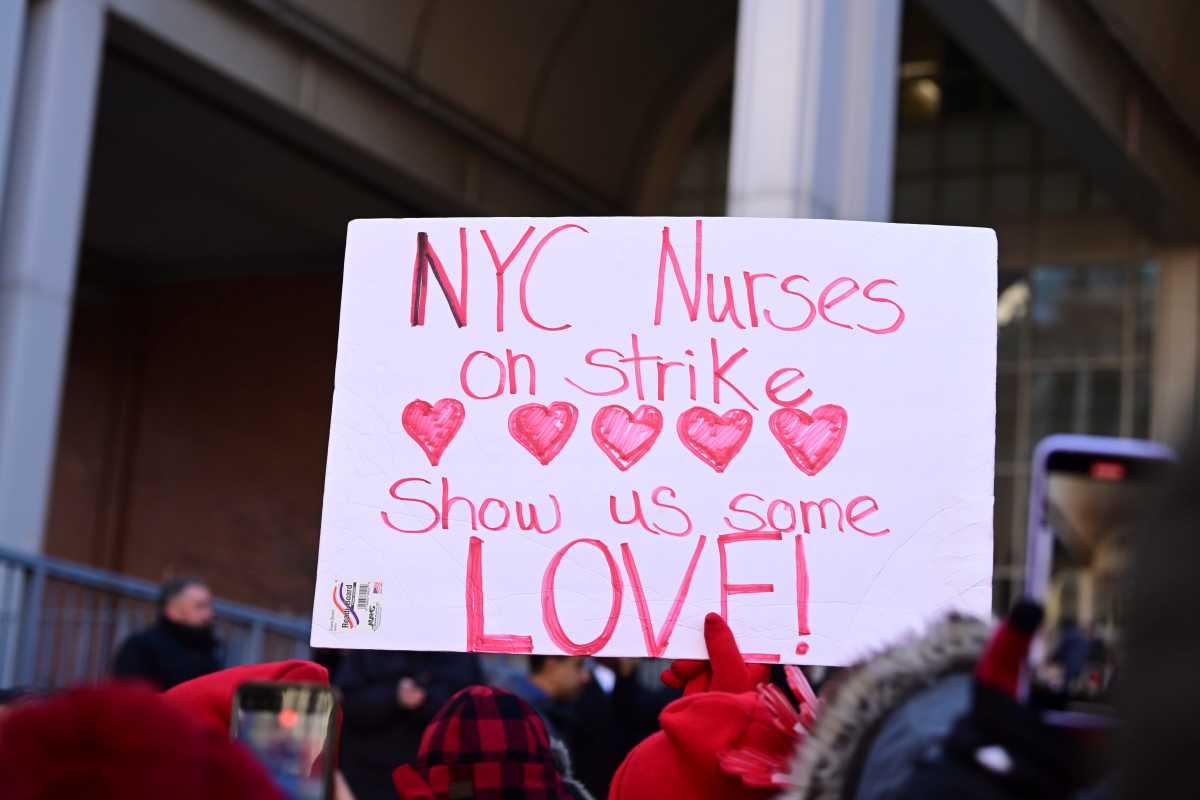
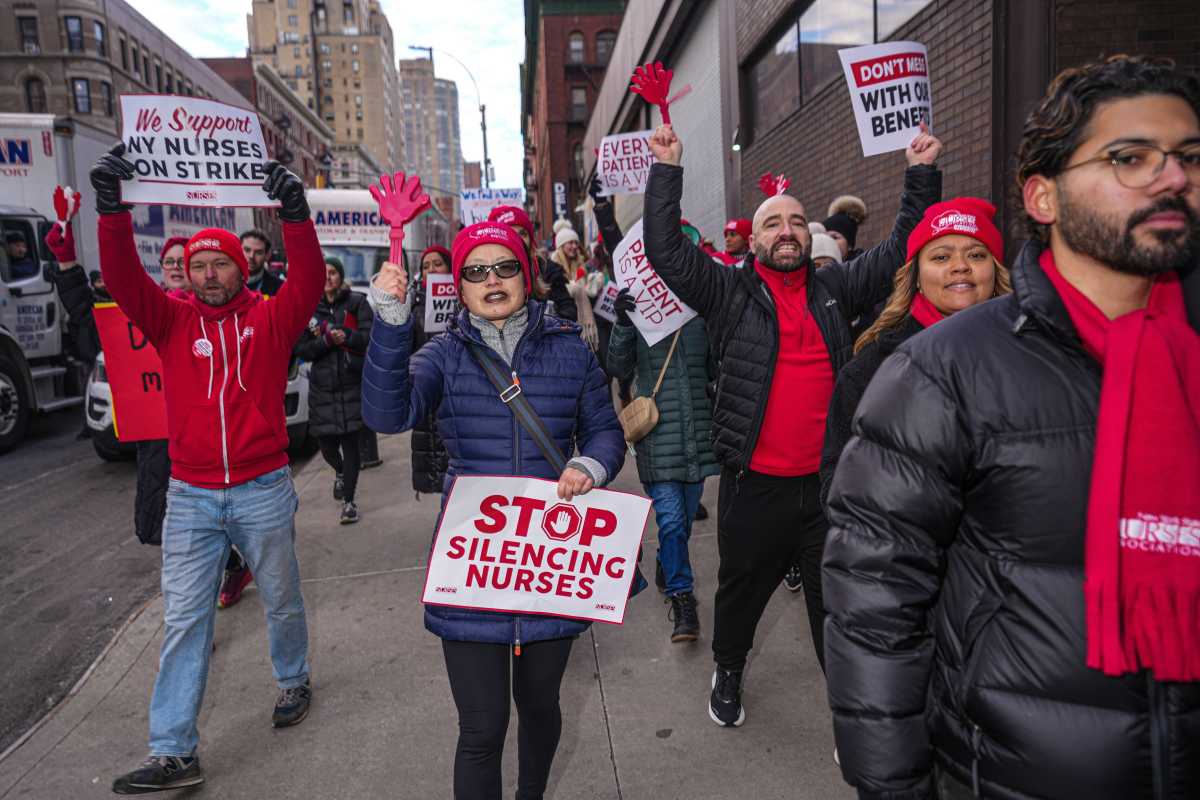
1 month agoStriking Nurses From Coast to Coast Stood Up to Corporate Forces and Won
Members of the New York State Nurses Association (NYSNA), affiliated with National Nurses United, AFL-CIO, went out on a strike to protect their health insurance and pension benefits. Dania Muñoz, a nurse practitioner at Mount Sinai Hospital in New York City, explained that the private hospitals she and others were taking on are 'some of the top paid hospital systems in the country.'
Public health
fromwww.theguardian.com
2 weeks agoPlans to cut NHS international workforce appear overambitious, say MPs
Thirty-six per cent of UK doctors and 24% of nurses and midwives were trained elsewhere in the world. The number of visas granted to healthcare professionals has fallen sharply in recent years. But overseas staff would be needed for the foreseeable future, the APPG said.
Healthcare
Healthcare
fromBusiness Matters
3 weeks agoBuilding Better Systems: A Conversation with Healthcare Leader Daniel Tuffy
Daniel Tuffy is a healthcare leader who progressed from clinical physical therapy to executive roles, focusing on operational excellence, workforce engagement, and reducing provider burnout through trust-based leadership.


fromwww.independent.co.uk
1 month agoNHS support staff in affluent areas offered more career opportunities, report finds
Whether it's investigating the financials of Elon Musk's pro-Trump PAC or producing our latest documentary, 'The A Word', which shines a light on the American women fighting for reproductive rights, we know how important it is to parse out the facts from the messaging. At such a critical moment in US history, we need reporters on the ground. Your donation allows us to keep sending journalists to speak to both sides of the story.
UK news
fromMission Local
1 month agoS.F. healthcare workers say safety issues continue at city's clinics
But as the city's Department of Public Health follows Mayor Daniel Lurie's directions to make cuts, they wanted to make one thing clear: safety in the city's medical facilities requires more than just the presence of security personnel. It requires widespread training in de-escalation, working with patients with complex needs, and crisis response, they said. These programs are on the chopping block.
Public health
Healthcare
fromFortune
3 weeks agoHealthcare has been propping up a shaky labor market. For the first time in over four years, the sector shed thousands of jobs | Fortune
Healthcare lost 28,000 jobs in February, marking its first decline in four years and exposing the labor market's dangerous dependence on a single sector for growth.
Information security
fromSecuritymagazine
1 month agoHealthcare Cybersecurity Is in Crisis - These Proven Controls Could Be the Cure
Healthcare cybersecurity crisis: breaches doubled in 2025, average losses exceeded $2M; prioritize anti-fraud training, regulatory compliance, and targeted investments to reduce material risk.
Mental health
fromBusiness Matters
1 month agoWhat Capitol City Residential Health Care Learned from Preventable Crises
Prevention-first, operations-focused residential care stabilizes high-acuity individuals by detecting missed signals, using consistent staffing, frequent plan reviews, and measured, person-centred adjustments.
fromTODAY.com
2 months agoLabor and Delivery Nurse Reveals the No. 1 Hospital Question That Could Save Your Life
"If you or someone you love is going to give birth in a hospital, there is a question you need to ask before you go that can determine whether you are likely to have safe care or not," said labor and delivery nurse Jen Hamilton. Her multi-part TikTok videos amassed a combined 300,000 views their first 24 hours. "You need to know whether the hospital you are going to give birth in follows AWHONN's safe staffing standards," she continued.
Public health
Healthcare
fromComputerWeekly.com
4 weeks agoElectronic health records are still creating issues for patients | Computer Weekly
All NHS trusts in England must implement electronic patient record systems by March 2026, though rollouts have faced integration challenges, staff training issues, and reports of patient harm.
fromFast Company
2 months agoConnected data will rescue healthcare
AI plays an important role-but not by fixing fragmented data on its own. The work of organizing, connecting, and interpreting healthcare information still belongs to people and the systems they build. Where AI helps is after that foundation is in place: by bringing the right information forward at the right time, reducing the effort it takes to find what matters, and supporting better decisions in the moment of care.
Medicine
Public health
fromInside Higher Ed | Higher Education News, Events and Jobs
1 month agoHow One University Trains and Retains Rural Care Providers
Place-based medical education and satellite clinics at Touro University train and retain healthcare providers to serve rural, underserved Native American and other communities.


fromwww.bbc.com
2 months agoTrial launched to 'help spot health risks early'
Public health consultant Dr Ross Keat said supporting people earlier to make small preventative changes would make "a big difference later on". Some 3,500 people in the north of the island within that age bracket are eligible for the checks. The checks will be carried out by two pre-existing nurses that support GP staff and would not replace GP appointments, Keat explained, adding that the cost would be minimal and absorbed by Ramsey Group Practice.
Public health
fromThe Nation
2 months agoHealthcare Workers Must Continue Alex Pretti's Fight
One might ask why an epidemiologist like me would be interested in Latin American history at this moment. What drew me to that era was the key role that clinicians and public health workers played in the resistance against the dictatorship; their simultaneous push for a national healthcare program; and the ways in which this sector organized, even as more conservative physicians sided with the putschists, happy to see their more progressive colleagues jailed and persecuted.
Public health
fromDaily Mom magazine
1 month agoPlanning A Nursing Career That Still Fits Family Life
Balancing a nursing career with family life means thinking a few steps ahead, without blowing everything up in the process. Many experienced nurses reach a stage where growth needs to be practical, not disruptive. The appeal lies in finding ways to widen responsibility and keep doors open while staying employable across different settings, all while working around real-world schedules and family commitments. It is less about chasing status and more about building a future that still works on a Tuesday afternoon.
fromBusiness Insider
2 months agoWe want to hear your story about healthcare access
In 2026, the US healthcare system is changing. Enhanced Affordable Care Act subsidies have expired, causing premiums for marketplace plans to spike - and pricing some families out of health insurance entirely. President Donald Trump's One Big Beautiful Bill Act will reduce coverage for some patients with Medicaid and funding for hospitals, especially those in rural areas. Costs for Medicare and private insurance are also rising: Employer-based healthcare premiums have increased by 9%, the largest rise in more than a decade.
Healthcare
fromBusiness Matters
2 months agoThe Rise of Telemedicine: How Digital Health is Reshaping Medical Equipment Demand
Between March 2020 and March 2022, over 100 million telemedicine services were delivered to approximately 17 million Australians. The Australian government invested $409 million to make telehealth permanent, whilst the UK announced £600 million for digital health infrastructure in April 2025. Patient adoption is equally impressive: 60% find telemedicine more convenient than in-person appointments, 55% report higher satisfaction with teleconsultations, and 74% of millennials prefer virtual appointments for routine care. These aren't temporary shifts; they represent a fundamental transformation in healthcare delivery.
Healthcare
[ Load more ]