Healthcare
fromwww.cbc.ca
2 days agoOntario misses federal funding deadline for nurse practitioners | CBC News
Ontario's health minister announced no plans for publicly funding all nurse practitioners despite federal compliance deadlines.
The government has withdrawn an offer of creating 1,000 more doctor training posts in England after the British Medical Association (BMA) refused to call off a six-day strike next week. The extra posts were part of a wider package of measures put forward by ministers earlier this year to resolve the long-running dispute with resident doctors.
Jim Mackey stated, 'We are really worried about this. We've already had a couple of supply shocks in the last 12 to 18 months of key supplies.' He emphasized the importance of contingency planning due to the UK's reliance on imported medicines.
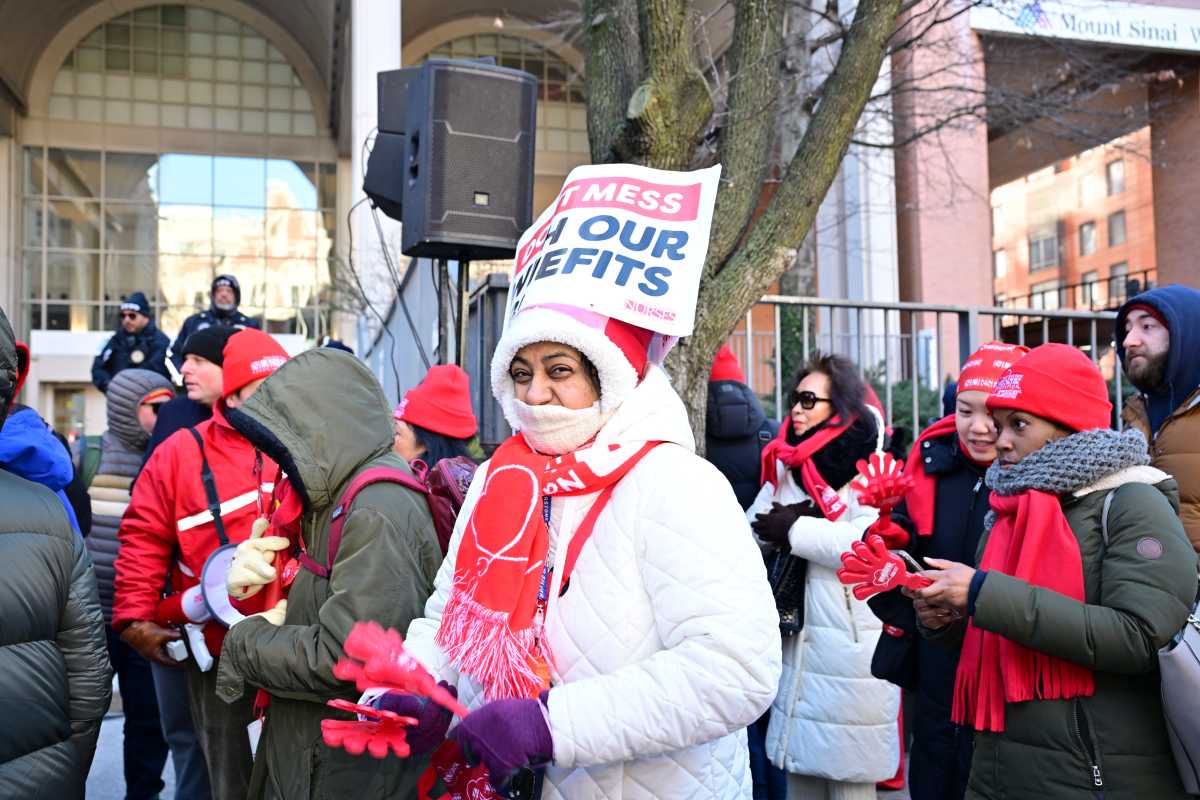
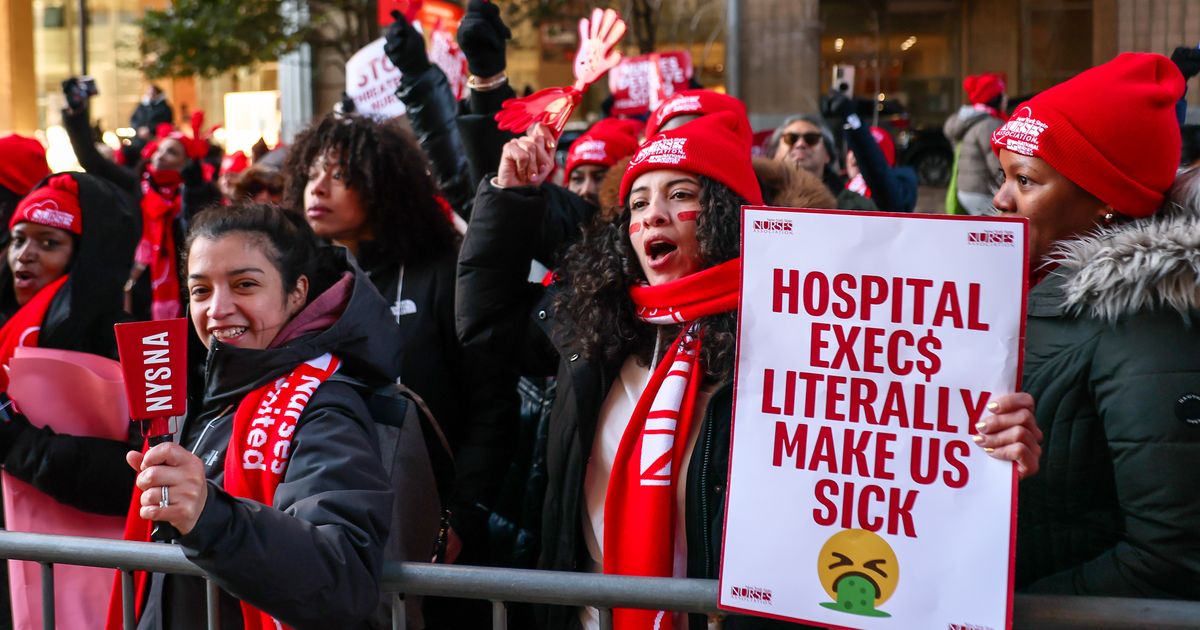
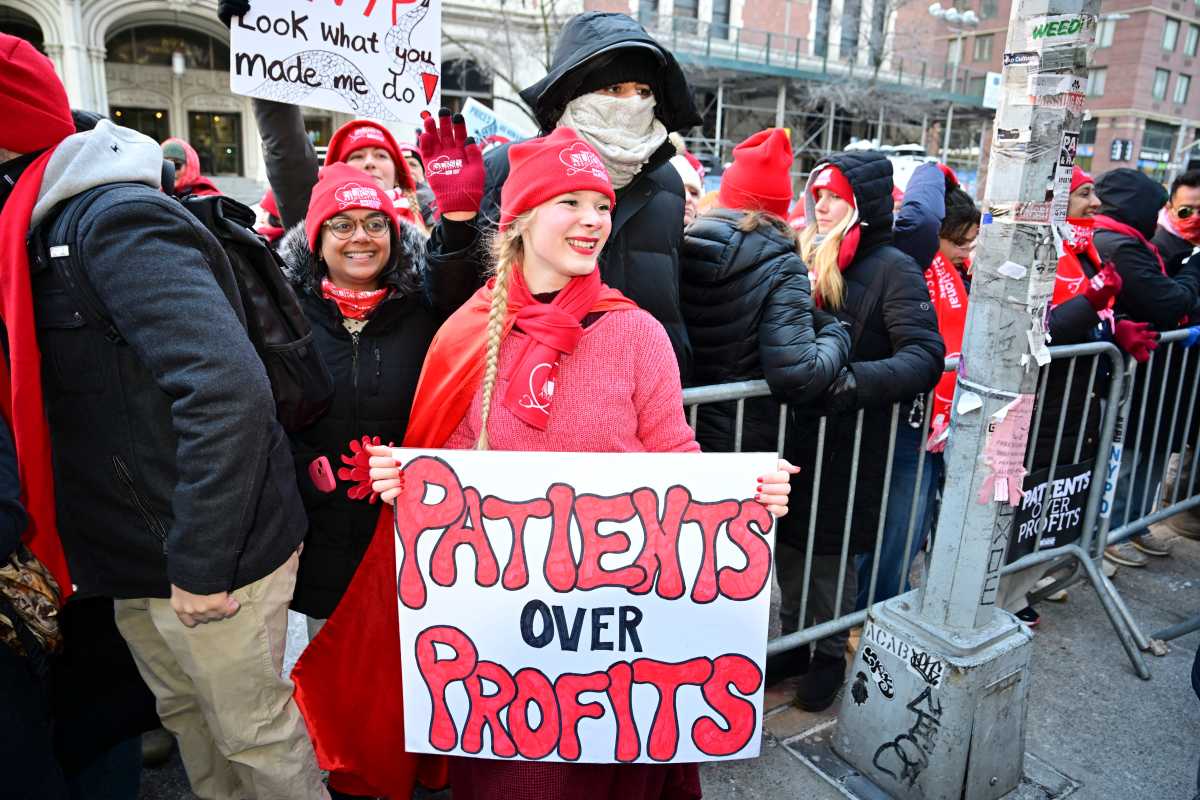
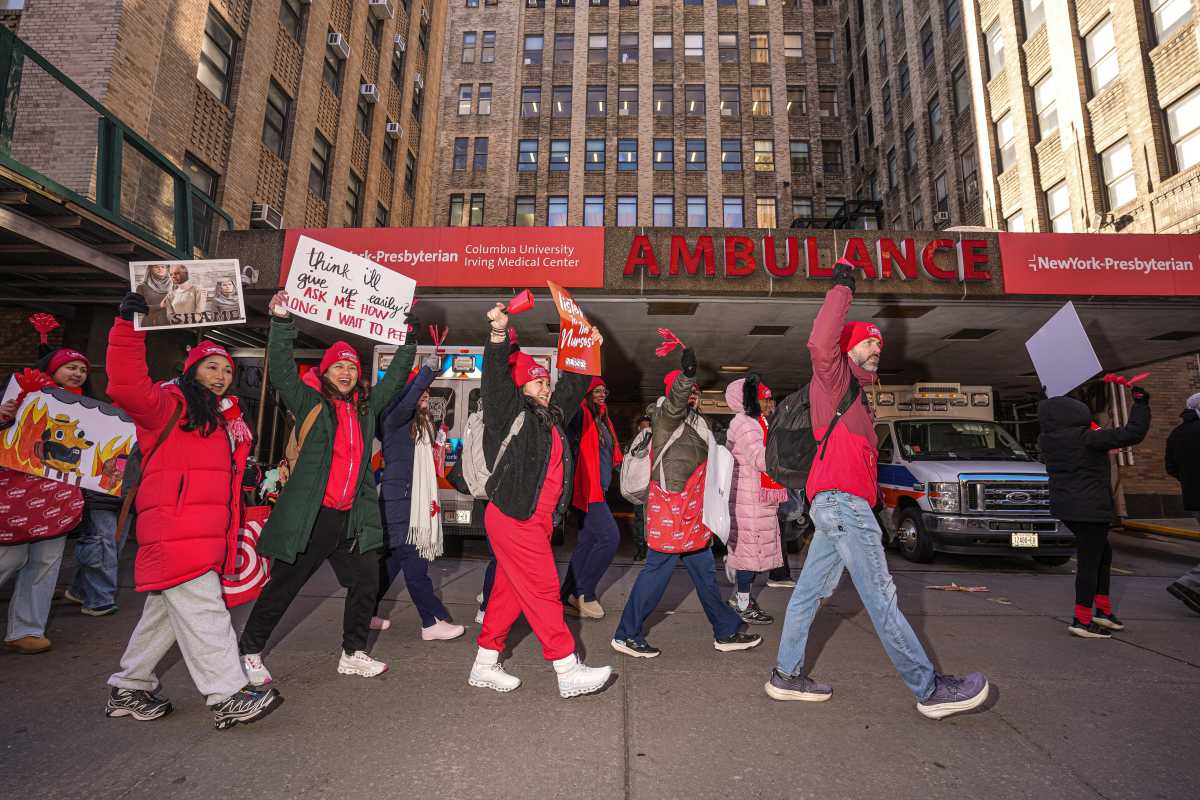
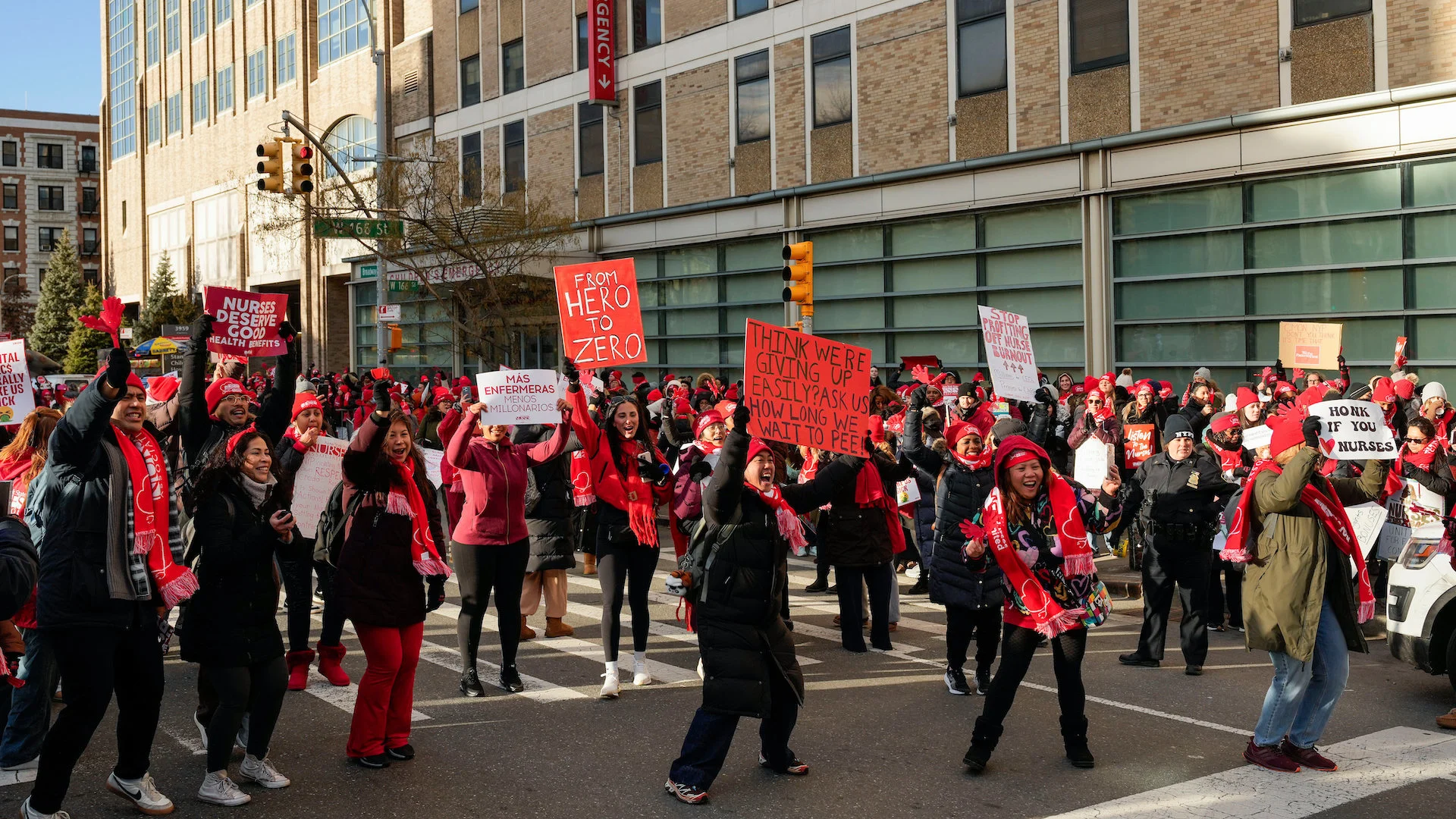
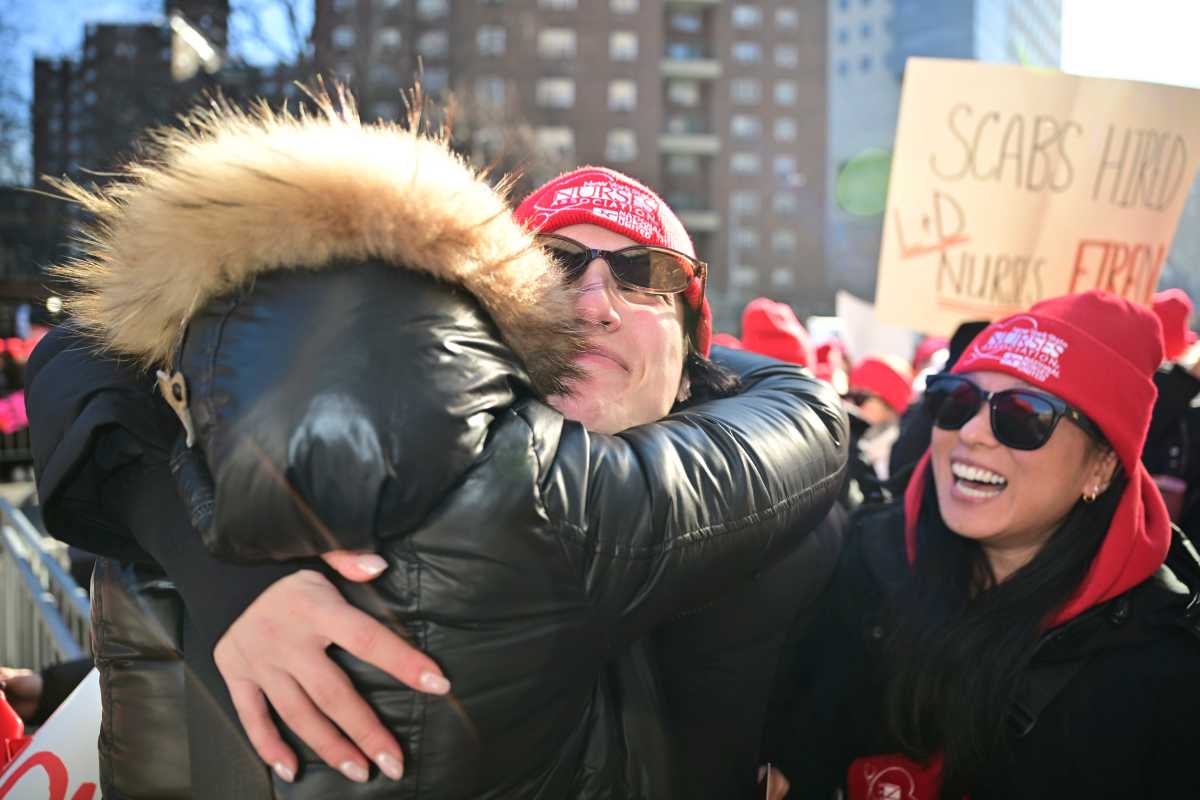
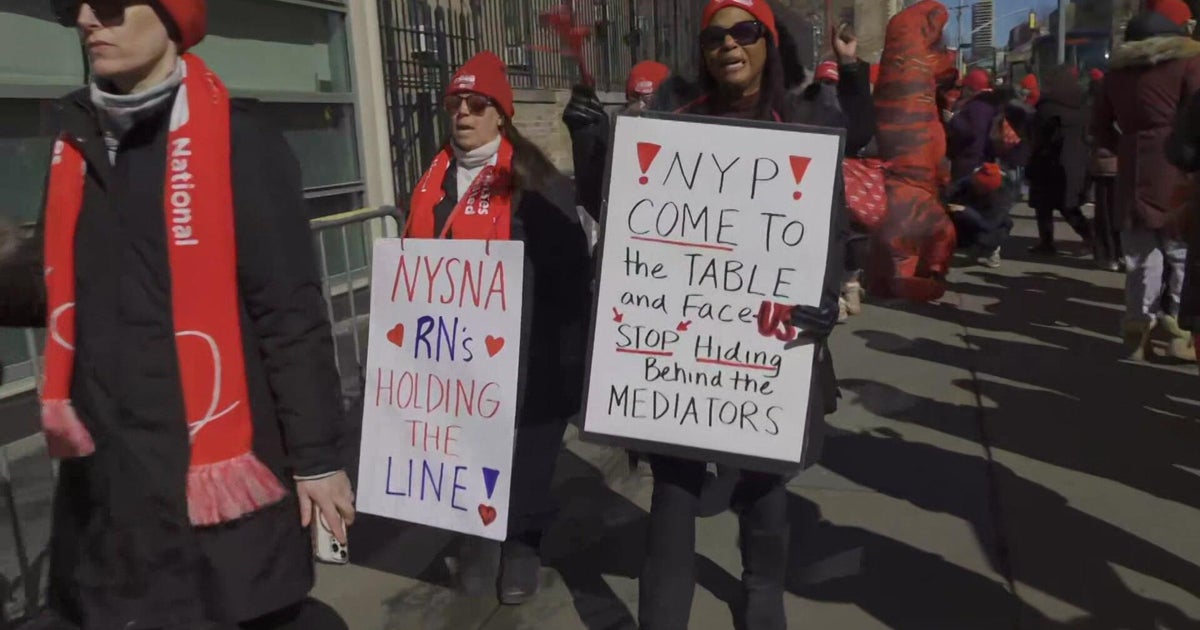
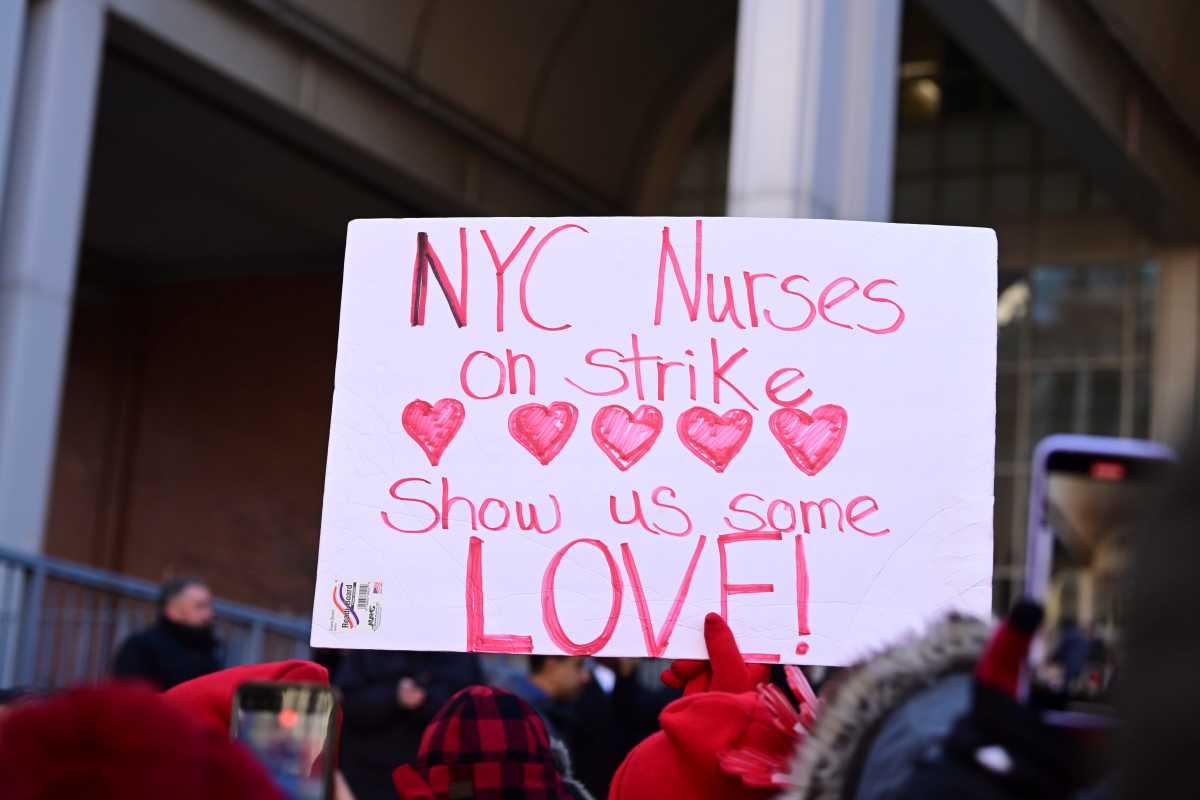
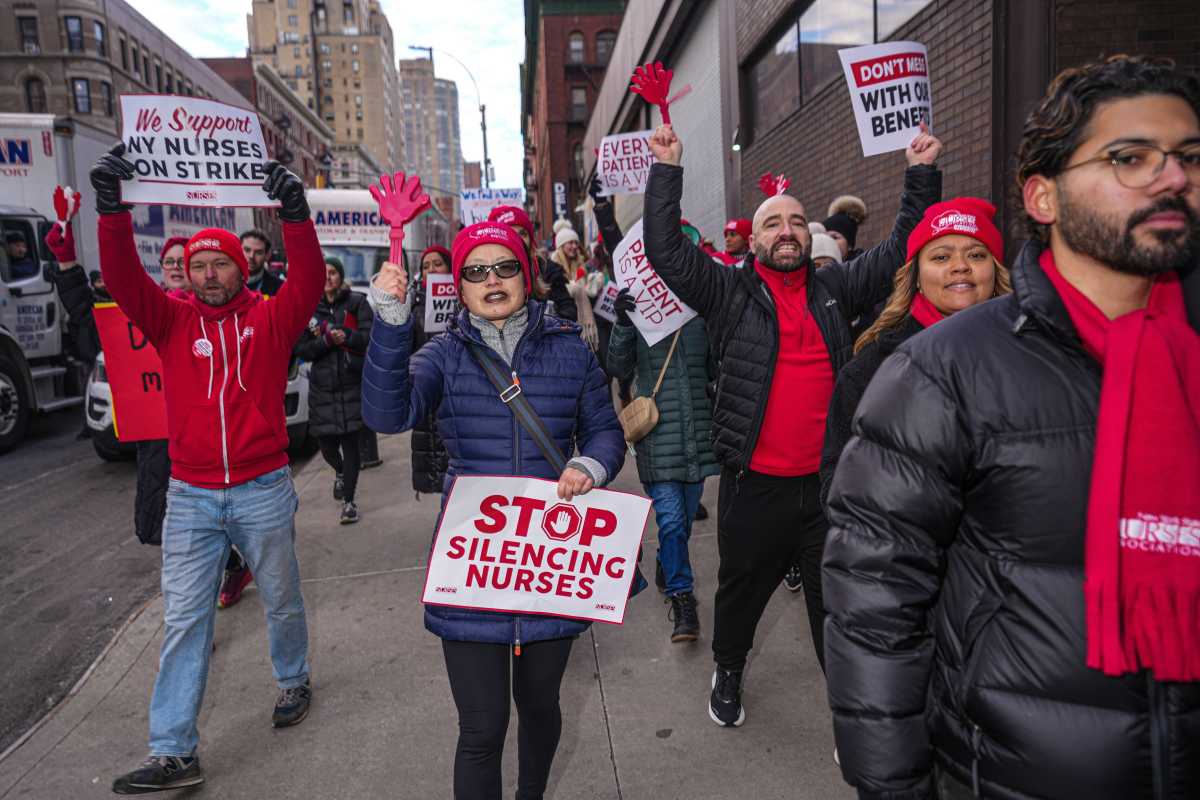
Members of the New York State Nurses Association (NYSNA), affiliated with National Nurses United, AFL-CIO, went out on a strike to protect their health insurance and pension benefits. Dania Muñoz, a nurse practitioner at Mount Sinai Hospital in New York City, explained that the private hospitals she and others were taking on are 'some of the top paid hospital systems in the country.'
In light of the systemic dismantling of America's public health agencies, these moves essentially create a shadow infrastructure to maintain some of what is being lost. While this is a promising development, it does nothing to stop a troubling trend that has been emerging for some time: The country is quickly becoming fragmented along partisan lines when it comes to public health.
NewYork-Presbyterian nurses rejected a tentative agreement by an overwhelming margin Wednesday, voting to extend their strike - now 31 days running - against the hospital system. Their union, the New York State Nurses Association, said the unfair labor practice strike and bargaining will continue. Out of approximately 4,200 NewYork-Presbyterian nurses who were eligible to cast ballots, 3,099 voted to reject the deal and 867 voted to approve it.
When I came into this world and met her, I never really saw her smile. Having a focus in rural areas is really important because sometimes they're scared to go to the dentist. I'm not able to restore my grandmother's smile, but with my patients, I treat them like they're my own family members. Just showing them love and care-having that small interaction-can really change their trajectory.
One might ask why an epidemiologist like me would be interested in Latin American history at this moment. What drew me to that era was the key role that clinicians and public health workers played in the resistance against the dictatorship; their simultaneous push for a national healthcare program; and the ways in which this sector organized, even as more conservative physicians sided with the putschists, happy to see their more progressive colleagues jailed and persecuted.
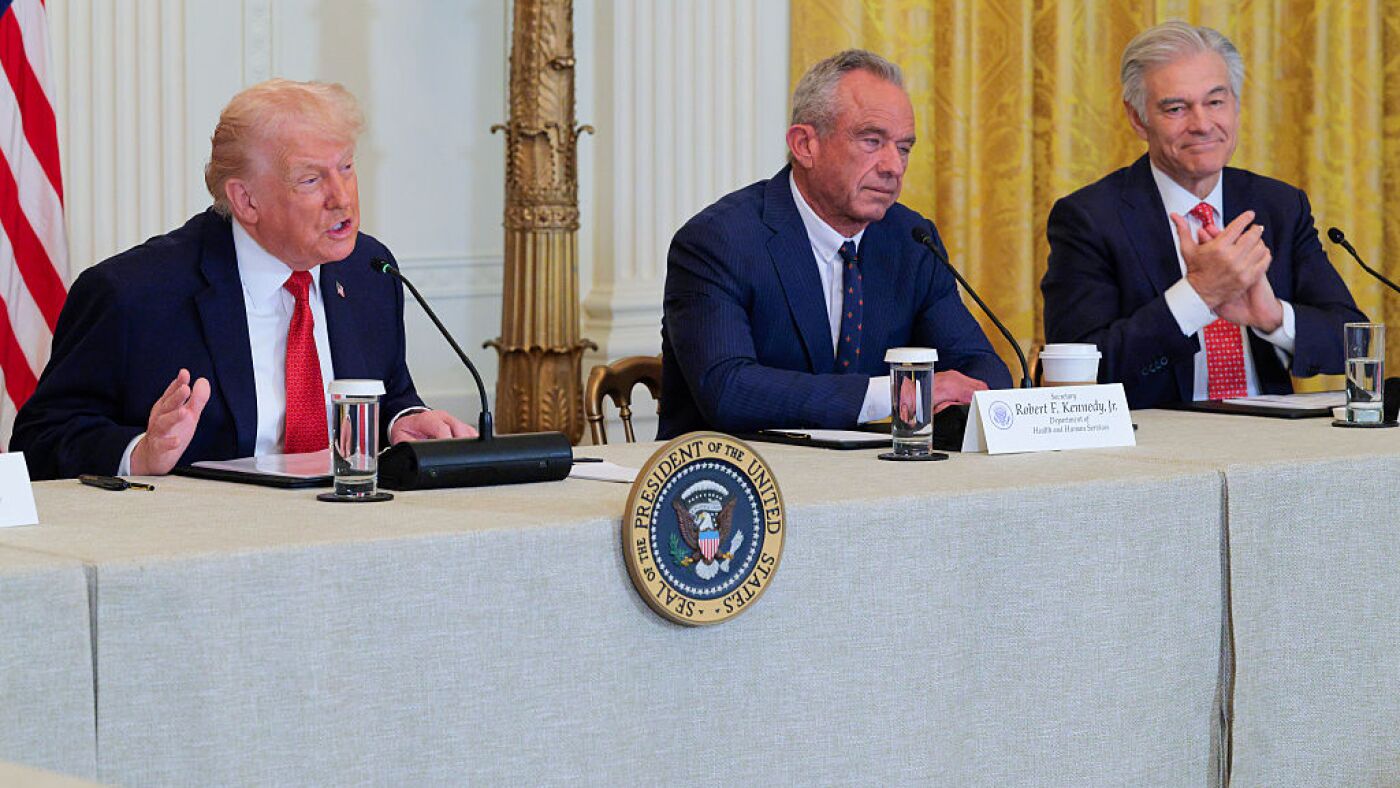
If you're smoking three packs of cigarettes a day, should you expect society to pay when you get sick?" He added that while Americans would always have the right to "eat donuts all day," nevertheless, "should you then expect society to care for you when you predictably get very sick at the same level as somebody who was born with a congenital illness?
In 2026, the US healthcare system is changing. Enhanced Affordable Care Act subsidies have expired, causing premiums for marketplace plans to spike - and pricing some families out of health insurance entirely. President Donald Trump's One Big Beautiful Bill Act will reduce coverage for some patients with Medicaid and funding for hospitals, especially those in rural areas. Costs for Medicare and private insurance are also rising: Employer-based healthcare premiums have increased by 9%, the largest rise in more than a decade.
As OpenAI launches ChatGPT Health, allowing users to connect medical records and wellness apps for AI-driven health guidance, a new survey from Drip Hydration confirms Americans are increasingly turning to AI for medical advice. The nationwide survey explores the motivations, demographics, and regional trends behind this growing phenomenon. The data reveals where and why people are choosing AI alongside traditional medical channels in their healthcare journey.