#nvidia-h800-export-controls
#nvidia-h800-export-controls
[ follow ]
#nvidia #export-controls #ai-infrastructure #nvidia-h200 #semiconductors #marvell-technology #stock-market #ai
Intellectual property law
fromIPWatchdog.com | Patents & Intellectual Property Law
1 day agoOther Barks & Bites for Friday, April 3: Trump EO Sets 100% Tariffs on Patent Pharmaceutical Imports; Squires Vacates TikTok IPRs Under Tianma Microelectronics; and Kallay Voices DOJ's Preference for FRAND Obligations
President Trump signed an executive order imposing 100% tariffs on imported patented pharmaceuticals and ingredients from 17 drugmakers.
fromFast Company
3 days agoChina is moving faster on next-gen tech. The U.S. is trying to keep up
In recent weeks, China approved the world's first commercial brain-computer interface medical device and unveiled a five-ton class electric vertical takeoff and landing aircraft that has already completed a public flight.
Science
#ai-infrastructure
Venture
fromSilicon Canals
5 days ago$850M in total funding: How South Korean chipmaker Rebellions is positioning against NVIDIA in AI inference - Silicon Canals
Rebellions raised $400 million in pre-IPO funding, reaching a valuation of $2.34 billion, signaling strong institutional confidence in AI infrastructure alternatives.


European startups
from24/7 Wall St.
2 weeks agoGovernment Drops Sweeping AI Chip Export Rules: Can Nvidia Start Growing Again?
U.S. government shelved a proposed global AI chip licensing system that threatened to restrict Nvidia's international sales, potentially unlocking fresh growth momentum for the company.

from24/7 Wall St.
4 weeks agoNVIDIA Gives Up On China
Nvidia has stopped production of chips intended for the Chinese market, betting that regulatory barriers in Washington and Beijing will continue to limit sales to China. The theory was that, because the H200 chips were less powerful than NVIDIA's cutting-edge chips, China could not use them to supercharge its AI advances.
Artificial intelligence
fromTechCrunch
4 weeks agoUS reportedly considering sweeping new chip export controls | TechCrunch
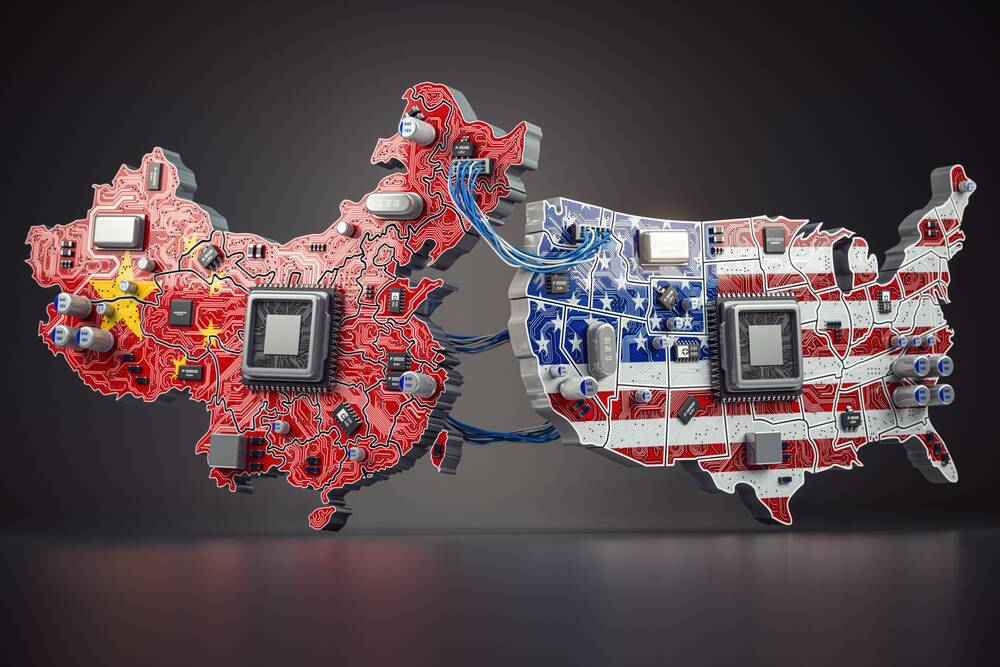
U.S. regulators have allegedly drafted rules that would require U.S. government approval to ship AI chips anywhere outside the U.S., according to Bloomberg, citing sources. This would give the U.S. significantly more control over companies like AMD and Nvidia.
European startups


#export-controls
Tech industry
fromSilicon Canals
1 month agoNVIDIA's $5.5B China chip sale happened the same week Washington tightened export controls. The timing wasn't coincidental - Silicon Canals
NVIDIA sold $5.5 billion in H20 chips to China during a predictable regulatory window, exploiting the gap between policy announcement and enforcement through legally compliant strategic timing.
Tech industry
fromSilicon Canals
1 month agoNVIDIA's $5.5B China chip sale happened the same week Washington tightened export controls. The timing wasn't coincidental - Silicon Canals
NVIDIA sold $5.5 billion in H20 chips to China during a predictable regulatory window, exploiting the gap between policy announcement and enforcement through legally compliant strategic timing.
fromComputerworld
2 months agoYea or nay: Will Nvidia H200 chips go to China?
In what appears to be a case of diplomatic mind games in action, one day after the US government issued a regulation clearing the way for Nvidia to sell its H200 artificial intelligence processors to Chinese companies on a case-by-case basis, a published report has revealed Chinese custom officers have been told not to let them into the country. The ruling announced Monday by the US commerce department's Bureau of Industry and Security (BIS),
Artificial intelligence

fromTechzine Global
2 months agoUS introduces AI chip tariffs and skims revenue from Nvidia and AMD
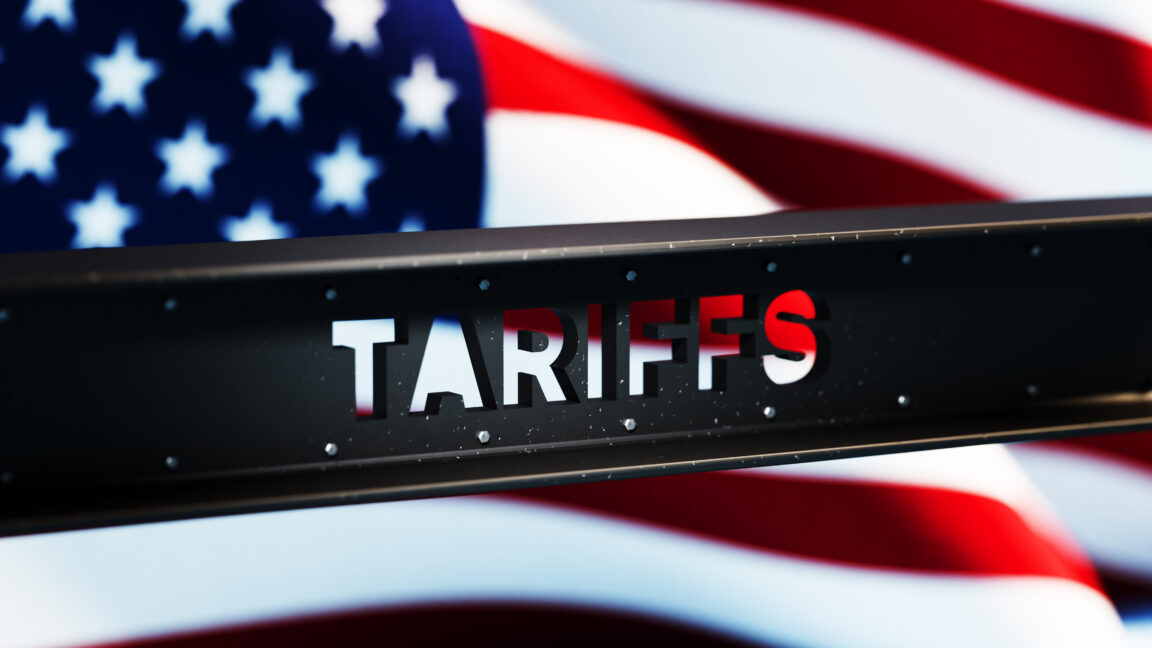
The US government has introduced new import tariffs on advanced AI chips from Nvidia and AMD, with the aim of channelling part of the proceeds from sales to China directly into the US treasury. According to the Financial Times, the measure is part of President Donald Trump's broader trade and industrial policy, which explicitly intertwines economic transactions and national security.
US politics
fromTheregister
1 month agoNvidia still waiting on Chinese H200 revenues to materialize
While small amounts of H200 products for China based customers were approved by the US government, we have yet to generate any revenue, and we do not know whether any imports will be allowed into China. That's a reference to the fact that while Washington is happy for H200 sales, Beijing has not granted its blessing.
Tech industry
[ Load more ]