Business
from24/7 Wall St.
1 day agoNvidia Price Prediction: 1 Year Bull and Bear Case
NVIDIA's price target is $237.71, indicating a 34.85% upside despite a recent pullback in shares.
"They have been more successful than anyone including themselves could have anticipated," said Nick Giles, a senior research analyst at B. Riley Securities who covers several of the firms, most of which are public.
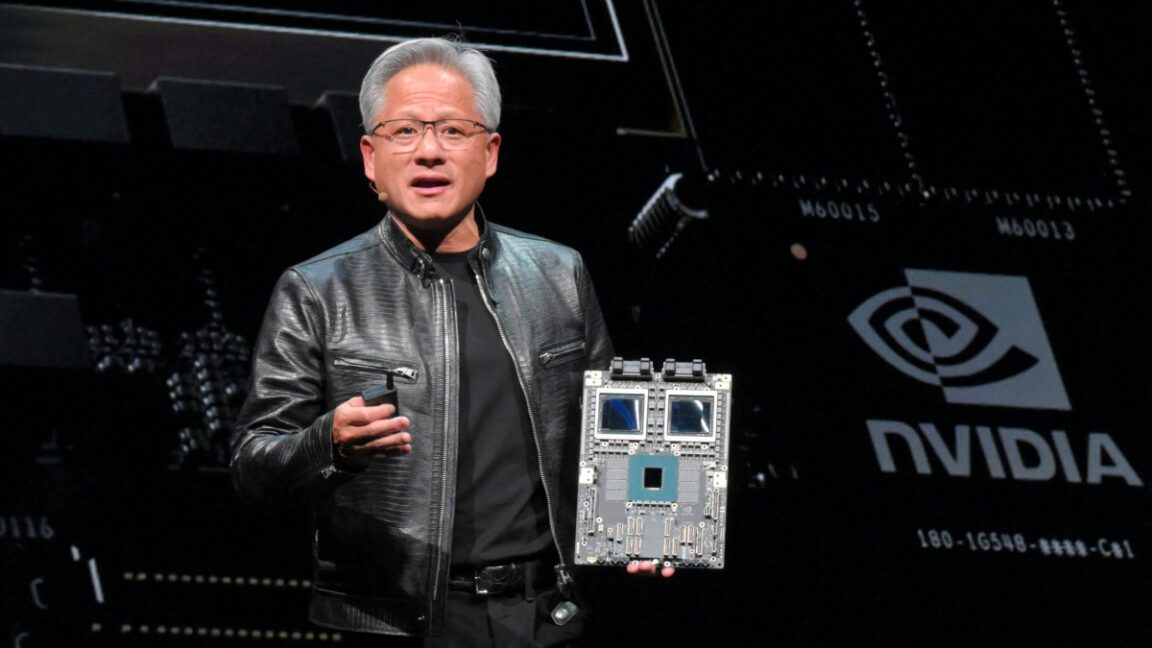
gamers are probably going to feel left out since Nvidia seems to have decided renting cloud rigs to them is better than selling consumer hardware, small companies looking for AI chip compromises will be excited, and agentic AI is gonna be so hot that our Mann on the ground this week in San Jose isn't gonna need a jacket.
Either way, I think the AI boom is alive and well, but with much of the short-term hype fading away, the big question is whether the long-term trajectory is still there and whether it makes sense for investors to hit the buy button now that the near-term is somewhat less hyped while the long-term is as exciting as ever.
Nvidia's investment portfolio operated as a modest initiative valued around $230 million two years ago, focusing on smaller companies and chip designers. By the end of 2025, however, the public equity portfolio alone had reached more than $13 billion, according to its 13F filing. This expansion stems directly from cash generated by Nvidia's core GPU sales, particularly in the data center segment, which have driven record revenue.
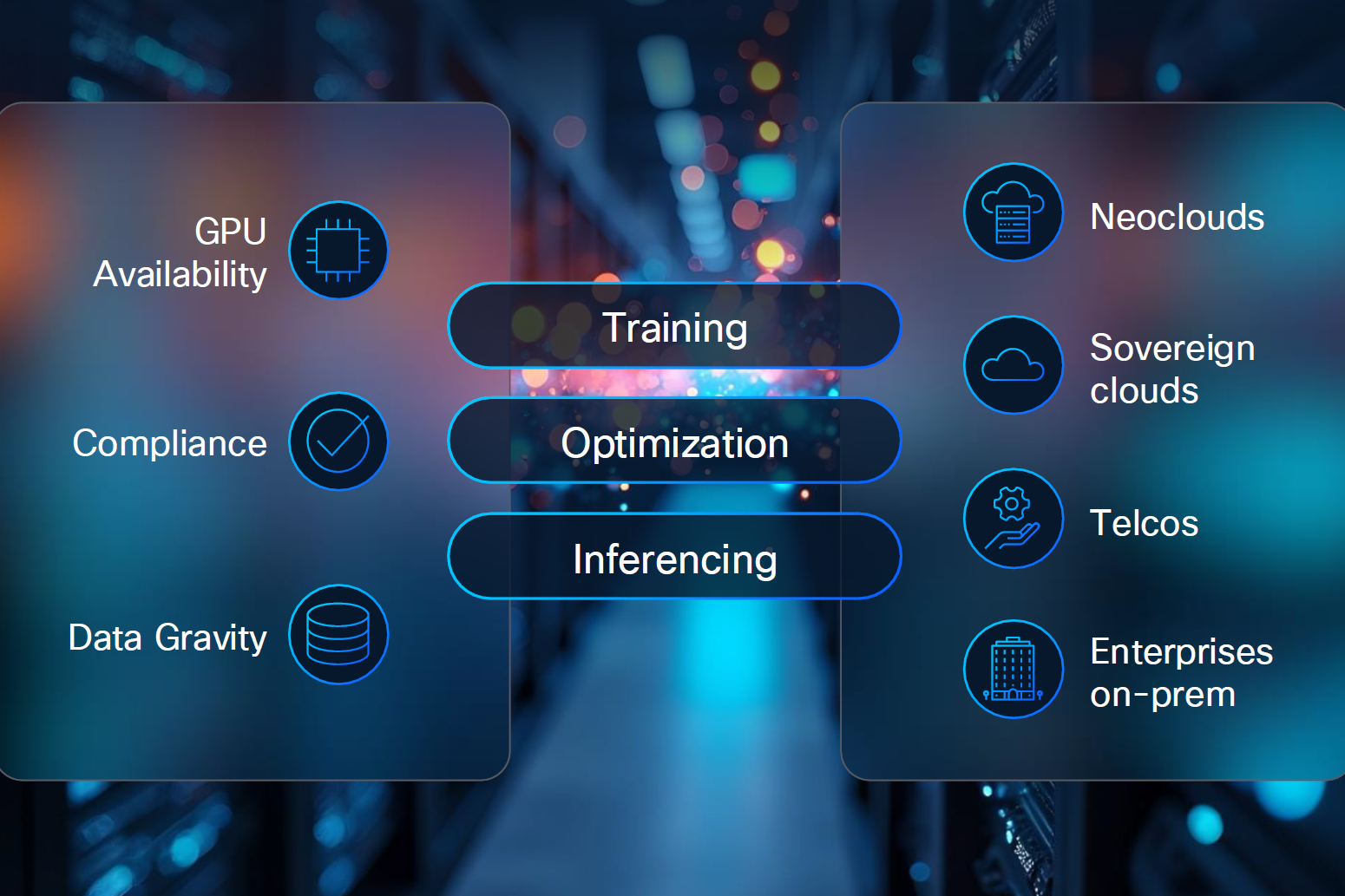
The new capabilities center on two integrated components: the Dynamo Planner Profiler and the SLO-based Dynamo Planner. These tools work together to solve the "rate matching" challenge in disaggregated serving. The teams use this term when they split inference workloads. They separate prefill operations, which process the input context, from decode operations that generate output tokens. These tasks run on different GPU pools. Without the right tools, teams spend a lot of time determining the optimal GPU allocation for these phases.
Intel is making a new push into GPUs, this time with a focus on data center workloads, as the chipmaker looks to reestablish itself in a market increasingly shaped by AI-driven demand and dominated by Nvidia. CEO Lip-Bu Tan said that after hiring a senior GPU architect, the company is working directly with customers to define requirements, signaling a more demand-driven approach as enterprises and cloud providers weigh their options for accelerated computing, according to a Reuters report.