London
fromwww.standard.co.uk
2 weeks agoSpring equinox 2026: where and when to see druids in London
The Spring Equinox marks a celebration for Druids and Pagans at Stonehenge, emphasizing the balance of day and night.
His investigation began after identifying recurring giant T-shapes, three-level indents, and step pyramids carved into ancient stones worldwide. 'These specific symbols that are built in different size proportions, and the symbols are found in ancient stones around the world, are not supposed to exist; no cultures are supposed to have any cross-platform,' LaCroix explained. The symbols appear in locations ranging from Turkey's Van region to South America and Cambodia.
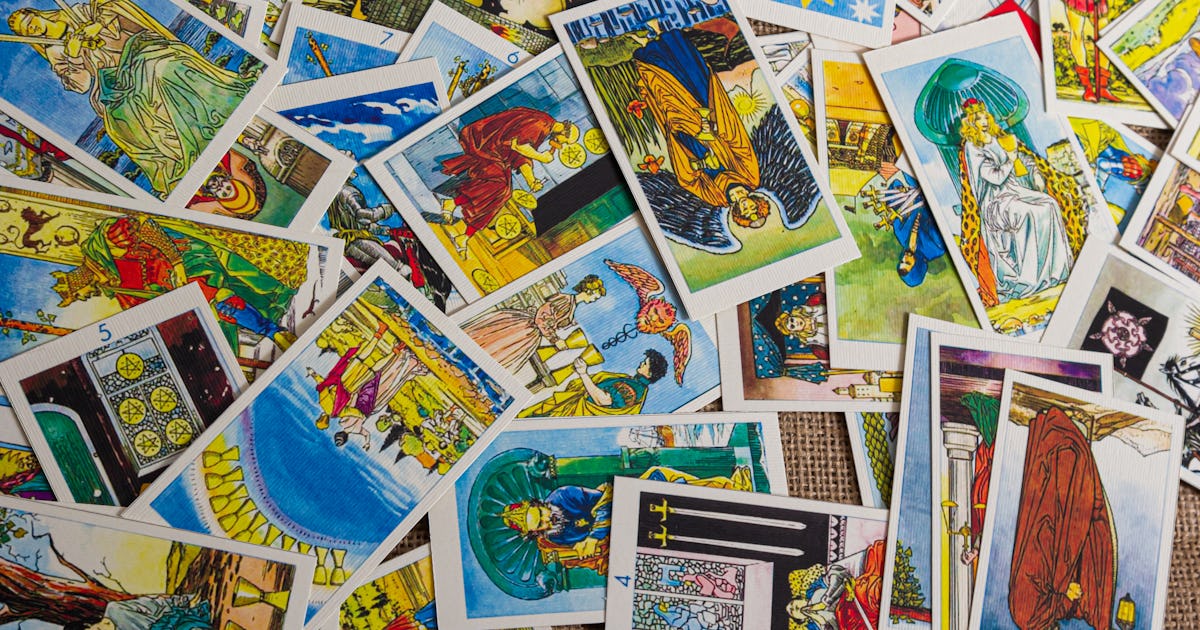
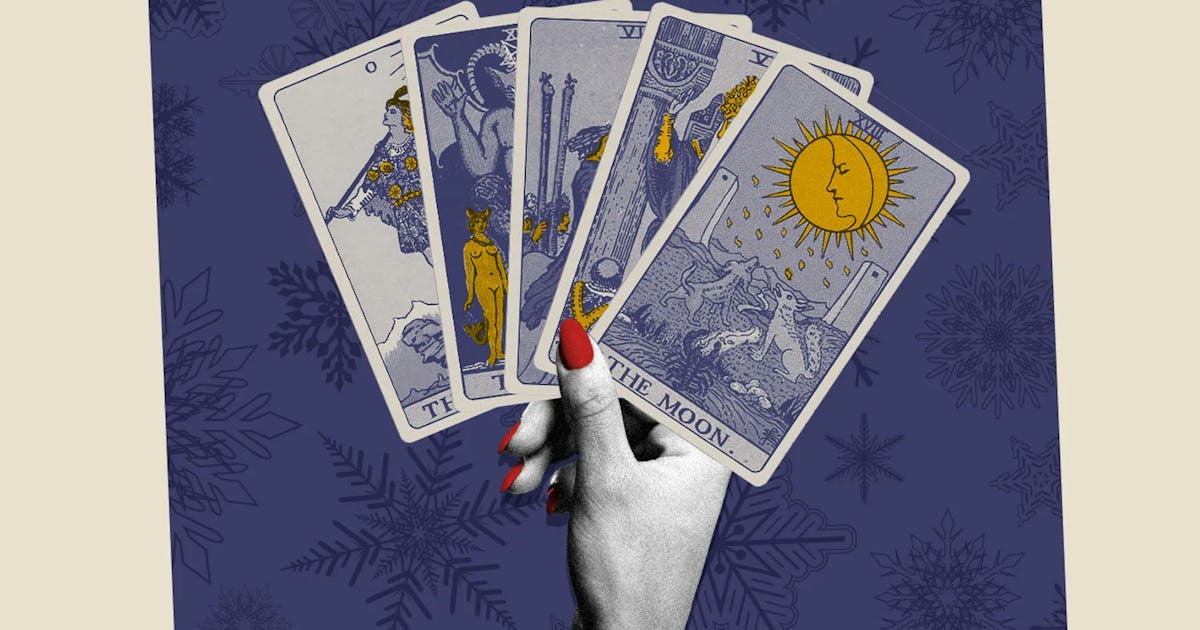
Even if it's cold, and even if you're so tired, you should still trudge out the door to meet your friends, go on the date, get to the workout class, or whatever else you have scheduled. The King of Pentacles has a reliable, steady energy, which is especially helpful if your New Year's resolutions are starting losing steam. Be kind to yourself in the days ahead, and treat others the same way. Everyone says they want a close-knit community, but you actually need to show up in order to create it.
Pottery made by people of the Halafian culture, who inhabited northern Mesopotamia between around 6200 and 5500 BC, is painted with flowers that have 4, 8, 16 or 32 petals, and some show arrangements of 64 flowers. These patterns show a clear understanding of symmetry and spatial division long before written numbers came into use around 3400 BC, argue scientists in a new study. The skill might have helped the Halafian people with tasks such as sharing harvests or dividing communal fields, the authors say.
as the gods were understood as the true monarchs and the king as simply their steward. In order to maintain his authority, the king needed to court the goodwill of the gods, and although they made their approval clear through military victories, bountiful harvests, and prosperous trade, events such as the Akitu festival provided an annual opportunity for the divine to continue its relationship with the ruling house or withdraw its favor.
Abū Nuwās's poetry is sheer joy: it never fails to delight, surprise, and excite. His diwan, his collected poems, encompasses the principal early Abbasid poetic genres: panegyrics ( madīḥ), renunciant poems ( zuhdiyyāt), lampoons ( hijāʾ), hunting poems ( ṭardiyyāt), wine poems ( khamriyyāt), love poems ( ghazaliyyāt) to males ( mudhakkarāt) and females ( muʾannathāt), and transgressive verse ( mujūn).