#online-freedom
#online-freedom
[ follow ]
#cybersecurity #privacy #social-media #data-privacy #legislation #meta #digital-rights #ai #section-230 #surveillance
#privacy

Privacy professionals
fromArs Technica
1 day agoPerplexity's "Incognito Mode" is a "sham," lawsuit says
Perplexity's AI allegedly shares sensitive user chats with Google and Meta without consent, raising significant privacy concerns.
fromBitcoin Magazine
1 day agoPrivacy technologies
What If Your VPN, Phone Number, And AI Chat Left Zero Trace? Meet Nadanada.me - The "Nothing At All" Privacy Revolution
LNVPN has evolved into a comprehensive privacy infrastructure service offering anonymous eSIM data plans, disposable phone numbers, and AI chat tools.
Privacy technologies
fromBitcoin Magazine
1 day agoWhat If Your VPN, Phone Number, And AI Chat Left Zero Trace? Meet Nadanada.me - The "Nothing At All" Privacy Revolution
LNVPN has evolved into a comprehensive privacy infrastructure service offering anonymous eSIM data plans, disposable phone numbers, and AI chat tools.






fromElectronic Frontier Foundation
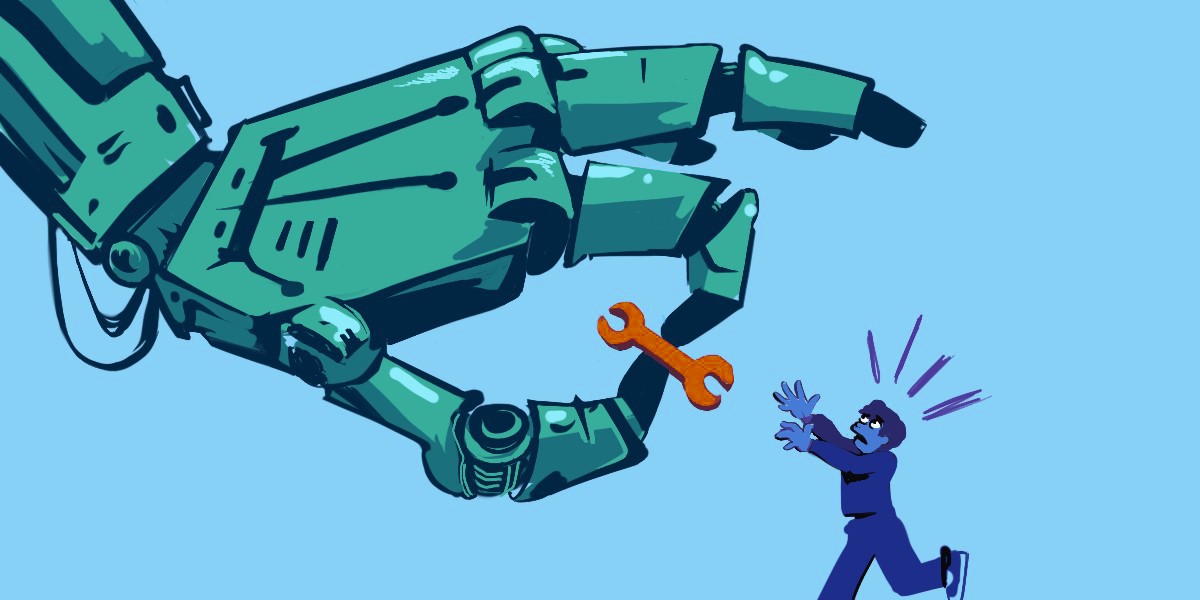
1 week agoDigital Hopes, Real Power: From Revolution to Regulation
66% of internet users live where political or social sites are blocked, and 78% are in countries where people have been arrested for online posts. New social media regulations have emerged in dozens of countries in the past year alone.
World politics



fromTechCrunch
18 hours agoAnthropic ramps up its political activities with a new PAC | TechCrunch
Anthropic's political activities have ramped up as the company continues to be enmeshed in a nasty legal battle with the Defense Department. The dispute erupted earlier this year over the government's use of Anthropic's AI models and what guidelines (if any) should exist for that usage.
Artificial intelligence
fromwww.theguardian.com
9 hours agoSix great reads: the OnlyFans legacy, stolen cargo and Meta's creepy' glasses
Leonid Radvinsky's death leaves a void in the leadership of OnlyFans, a platform that has transformed the adult content landscape. His secretive management style and the controversies surrounding the site have raised questions about its future direction and stability.
Photography
Mobile UX
fromYanko Design - Modern Industrial Design News
1 day agoThis Finnish Privacy-focused Linux Phone Wants You to Forget Google Exists - Yanko Design
Jolla reintroduces a European smartphone ecosystem with its new phone running Sailfish OS, emphasizing privacy and independence from American tech giants.
fromThe Conversation
2 days agoAI's fluency in other languages hides a Western worldview that can mislead users a scholar of Indonesian society explains
The response was in Indonesian but shaped by values that centered individual autonomy over the consensus-building, social harmony and collective family dynamics that tend to matter more in Indonesian social life.
Philosophy



fromwww.dw.com
2 weeks agoThe internet was supposed to be free. What went wrong?
When Guatemalan computer scientist Luis von Ahn first proposed the idea of "games with a purpose" (GWAPs) in 2004, his goal was to harness human brainpower so that computers could learn from it. His idea was simple: Get humans to solve tasks that are trivial to us but difficult for computers back then, like labeling images, transcribing text or classifying data.
Games
#ai-ethics


Artificial intelligence
fromElectronic Frontier Foundation
1 month agoTech Companies Shouldn't Be Bullied Into Doing Surveillance
The Department of Defense threatened to label Anthropic a supply chain risk to coerce them into removing restrictions on military use of their AI technology, particularly for autonomous weapons and surveillance.
fromEntrepreneur
1 month agoWhy Nations Are Now Battling Over Your Digital DNA
Across the world, governments are redefining data. It is no longer a commercial byproduct, but a strategic resource. One that carries economic weight, political influence, and long-term national consequences. At the center of this shift is what most people never consciously see but continuously produce: their digital DNA.
World politics
fromwww.theguardian.com
1 month agoThe splinternet: how online shutdowns are getting cheaper and easier to impose
During the height of Iran's blackout in January, people could still access a platform that, in some senses, was like the internet. Iranians could message family members on a government-monitored app and watch clips of Manchester United on a Farsi-language video-sharing site. They could read state news and use a local navigation service. What they couldn't do was check international headlines about thousands of people being killed by government forces during one of the bloodiest weeks in recent Iranian history.
World news
fromElectronic Frontier Foundation
2 months agoEFF to Close Friday in Solidarity with National Shutdown
The Electronic Frontier Foundation stands with the people of Minneapolis and with all of the communities impacted by the ongoing campaign of ICE and CBP violence. EFF will be closed Friday, Jan. 30 as part of the national shutdown in opposition to ICE and CBP and the brutality and terror they and other federal agencies continue to inflict on immigrant communities and any who stand with them. We do not make this decision lightly, but we will not remain silent.
US politics
Privacy professionals
fromPrivacy International
3 weeks agoPrivacy International & Women on Web - Securing Reproductive Justice: A Guide to Digital Privacy for Sexual and Reproductive Justice Activists
Sexual and reproductive justice activists face escalating surveillance, digital censorship, and criminalization risks, requiring them to fundamentally adapt their operational security and advocacy strategies.
Privacy professionals
fromDataBreaches.Net
1 month agoHacktivists claim to have hacked Homeland Security to release ICE contract data - DataBreaches.Net
Hacktivists claiming to be 'Department of Peace' breached DHS and leaked contracts between the agency, ICE, and over 6,000 companies including defense and tech firms.
Privacy technologies
fromZDNET
2 months agoHeading out to protest? Disable your phone's biometrics, and 6 more ways to protect your privacy
Smartphones empower protesters to communicate and document events but can also threaten privacy; passcodes can offer more protection than biometrics against unauthorized access.
fromTheregister
2 months agoHow hackers fight back against ICE surveillance tech
The Electronic Frontier Foundation (EFF) has rounded up several of these counter surveillance projects, and perhaps unsurprisingly many of these have to do with Flock, best known for its automated license plate reader (ALPR). Flock operates the largest network of surveillance cameras in America, and, while it has contracts with thousands of police departments and municipalities across the US, sometimes ICE gains access to this footage, according to US Senator Ron Wyden (D-OR) and those who have looked into Flock's misuse.
Privacy technologies
[ Load more ]