#oracle
#oracle
[ follow ]
#ai-infrastructure #layoffs #tiktok #bytedance #stock-market #employment #openai #artificial-intelligence



#ai-infrastructure

Tech industry
from24/7 Wall St.
1 week ago2 AI Infrastructure Stocks That are Looking Too Cheap
AI infrastructure stocks, particularly Oracle, may present buying opportunities despite current negative momentum.
Business
fromFortune
1 month agoOracle said it was 'highly confident in OpenAI's ability to raise funds and meet its commitments.' Cue the stock fall | Fortune
Oracle planned to raise $50 billion for AI data-center capacity, but a social-media post tying its position to OpenAI exposure caused its stock to fall.











fromFast Company
1 month agoOracle chases $50 billion for AI buildout as doubts mount on Wall Street
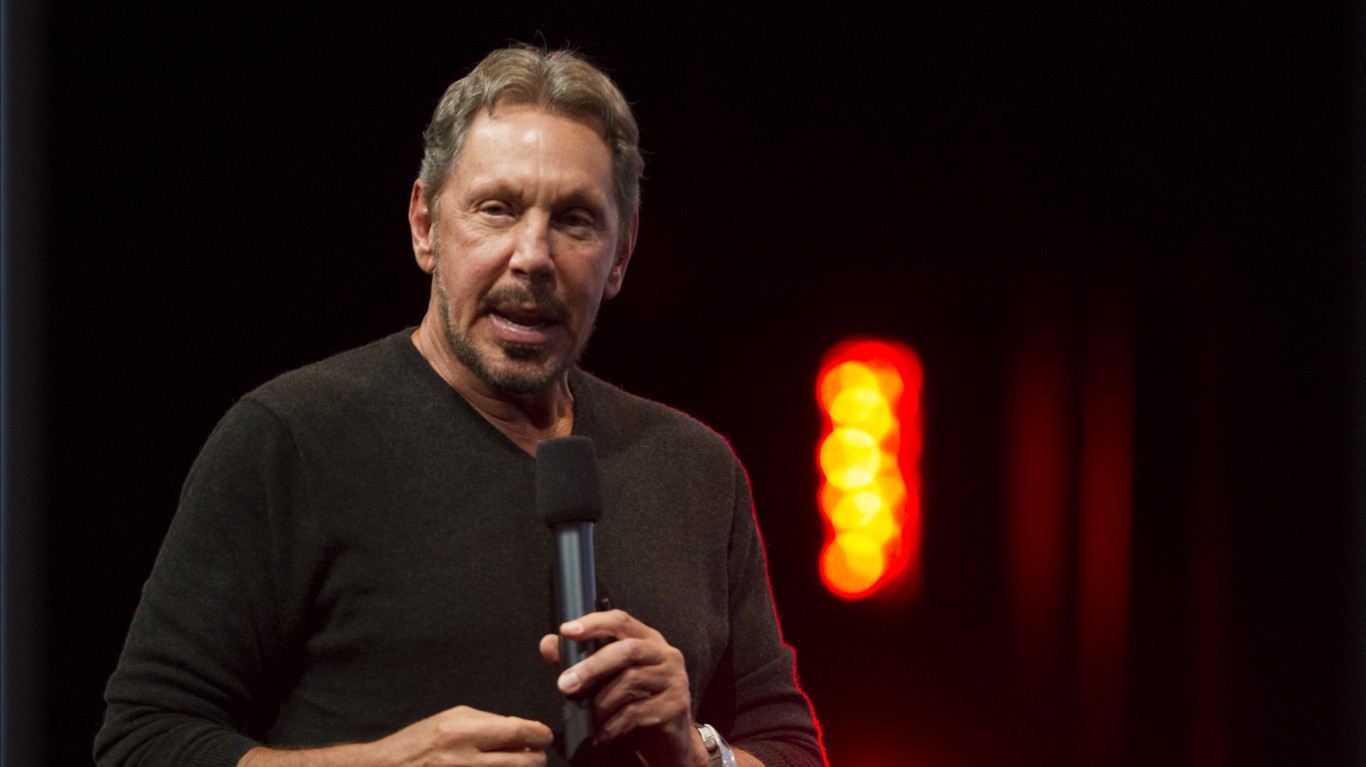
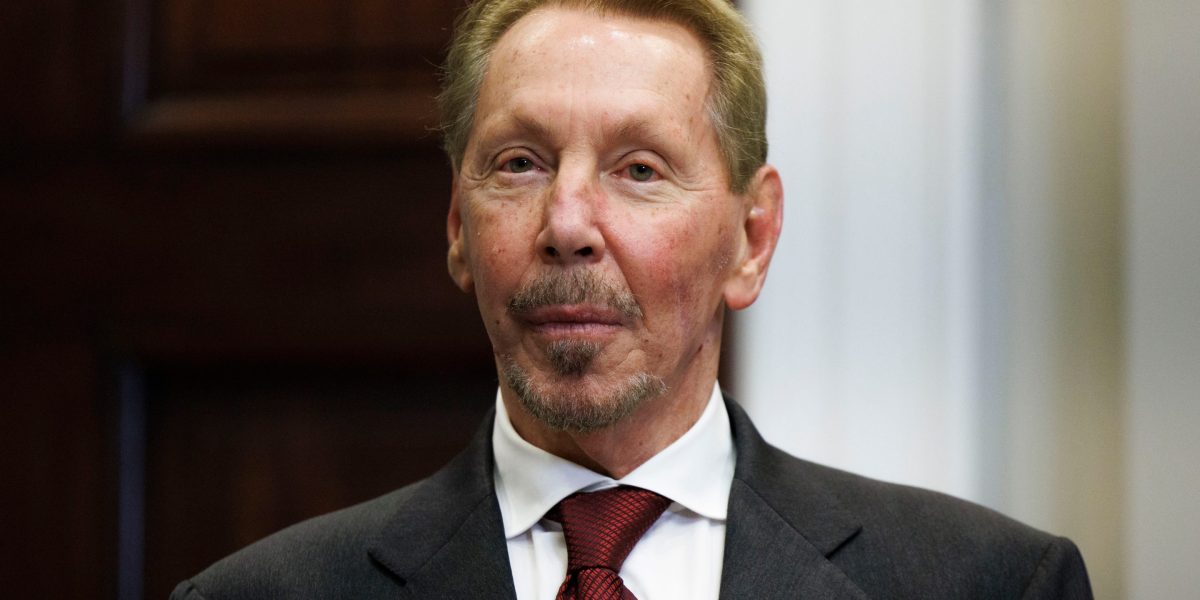
Funding rounds of that size are no longer unusual. The surge in AI investment and the growing need for cloud capacity and data centers have pushed many companies to seek massive financing. But Oracle's recent run has been unusually volatile. Just a few months ago, its shares jumped 40% in a single day, briefly making CEO Larry Ellison the world's richest person ( ahead of Elon Musk).
Business


fromThe Atlantic
2 months agoThe New Shadowbanning Panic
Over the past several days, TikTok users have found themselves at a loss. Literally, I mean: They lost their audiences, and their view counts showed "0." Some people who attempted to upload content about anti-ICE protests or the killing of Alex Pretti alleged that the platform was intentionally blocking them from doing so. Others were able to get their videos uploaded, but alleged that TikTok was not distributing them.
US politics
fromGSMArena.com
2 months agoTikTok finalizes a deal with US investors, it's now mostly owned by US entities
After months of negotiations, TikTok finalized a deal with several US-based investors days before the next deadline, after which TikTok would have allegedly been banned in the US. Today, TikTok was finally divested from ByteDance, which retains a 20% stake, while the other 80% is split between Oracle, Silver Lake, MGX and others. Each of those three companies gets a 15% stake.
Business
fromEngadget
2 months agoTikTok finalizes deal for its US entity
TikTok has finalized the deal for its US entity, with its parent company ByteDance selling majority of its stake to a group of non-Chinese investors. The deal was closed just before the Trump Administration's latest deadline, banning the app in the US unless it was divested from ByteDance, which will only retain 20 percent of the new entity. TikTok's investors will own 80 percent, with Oracle, Silver Lake and MGX, an Emirati-state owned investment firm, taking 15 percent each.
Tech industry
from24/7 Wall St.
2 months agoRevealed: My 2 Top AI Stock Picks for 2026
With the first full trading week of 2026 now in the books, investors might be wondering if the strong early start in the S&P will precede even more strength. Undoubtedly, a lack of a Santa Claus rally has seemingly paved the way for a rather hot start to 2026, with some memory chip stocks really picking up momentum while certain semiconductor equipment makers made up for lost time.
Artificial intelligence
from24/7 Wall St.
3 months agoLive Nasdaq Composite: Markets Eye Finish Line as Nvidia Finds Its Groove
The markets are looking to clinch a winning week as they eye the final stretch of 2025. As things stand, all three of the major stock market averages are little changed while the CBOE volatility index is up approximately 4.7% on the day. With the exception of Nvidia ( Nasdaq: NVDA), which is tacking on almost 2% on a new deal development, Big Tech stocks are aimless. The Nasdaq Composite is looking at a 22.1% gain for the year.
Business
Tech industry
fromFortune
3 months agoAI hyperscalers have room for 'elevated debt issuance' - even after their recent bond binge, BofA says | Fortune
Major AI hyperscalers’ cash flow growth outpaces debt, lowering debt-to-cash ratios and enabling more bond issuance; Oracle remains an outlier with negative free cash flow.
from24/7 Wall St.
3 months agoIs TikTok -- Not AI -- What Saves Oracle?
The TikTok deal positions Oracle as a key investor and security partner, potentially providing a new revenue stream through cloud services and data management for TikTok's 170 million U.S. users. While Oracle's cloud infrastructure growth has been driven primarily by artificial intelligence (AI) demand, concerns have skyrocketed in recent weeks over Oracle's debt and capital expenditures, as well as fears of an AI-spending slowdown.
Venture
from24/7 Wall St.
3 months agoPremarket Movers: Nvidia Just Starting to Regain Lost Momentum
After dipping below its 50-day moving average, shares of Nvidia ( NASDAQ: NVDA) are just starting to regain some lost momentum. Up about $2 in premarket, it's oversold at triple bottom support dating back to September. From its last traded price of $174.14, we'd like to see NVDA initially retest $200. Not only is Nvidia still riding Micron's earnings and guidance, but it's also still riding a Barclays upgrade to a buy rating thanks to the likelihood of further AI spending. "We are OW as the company has long-term sustainable growth led by a large lead in GPUs for AI in DC, with further Edge opportunities (autos, robots, etc.) and a competitive moat around a large portion of the market," said the firm, as quoted by CNBC.
Business
from24/7 Wall St.
3 months agoStock Market Live December 19: S&P 500 (SPY) Still Riding Oversold Tech Rebound
The Dow is down about 45 points, as the Nasdaq tacks on another 26 points. After yesterday's Micron-induced tech rally, Oracle ( NYSE: ORCL) is giving markets a boost. All on news TikTok agreed to sell its U.S. operations to a new joint venture that includes the oversold tech giant and private equity investors at Silver Lake. Shares of Oracle are up about $8.50 in premarket on the news.
Apple

fromAxios
3 months agoWhy Oracle keeps sparking AI-bubble fears
State of play: The tech giants that dominate the stock market are set to spend an estimated $700 billion on AI, but that money is going toward infrastructure, not application. They're paying up for data centers and chips - the guts that power AI before they have the applications that will make them money. If you draw a parallel to the 19th century railroad boom, they're building the rails before they have the trains on the tracks.
Tech industry
fromFast Company
3 months agoOracle stock price falls, taking Nvidia and other AI chip giants with it: Why tech are shares reeling today?
Yesterday, Oracle reported financial results for its second quarter of fiscal 2026. To say investors were disappointed in the results is an understatement, given how poorly ORCL shares are performing in premarket trading this morning. As of the time of this writing, ORCL shares are down over 12% as investors unpack its results: On the surface, the numbers look good. Non-GAAP earnings per share (EPS) were up 54% and total revenue was up 14%.
Business
fromFast Company
3 months agoAI chip and tech stocks are falling again after gloomy Oracle earnings reignite bubble fears. Here's the latest
As of the time of this writing, ORCL shares are down over 12% as investors unpack its results: On the surface, the numbers look good. Non-GAAP earnings per share (EPS) were up 54% and total revenue was up 14%. However, as noted by CNBC, while Oracle's non-GAAP EPS beat LSEG analyst expectations of $1.64, analysts were expecting higher total revenue figures: $16.21 billion versus the $16.1 billion Oracle delivered.
Artificial intelligence
[ Load more ]