#organic-ingredients
#organic-ingredients
[ follow ]
#sustainability #gardening #soil-health #sustainable-agriculture #pest-control #environmental-impact

Coffee
fromDaily Coffee News by Roast Magazine
3 days agoMajor Traders Agree on Two 'Principles of Procurement' to Improve Coffee Sector Sustainability
Major coffee traders and roasters have established principles to enhance the economic viability of coffee farmers through strategic partnerships and sustainable production support.
#sustainability
Online Community Development
fromDaily Coffee News by Roast Magazine
1 week agoStudy: Social Enterprises Beat Corporate Sustainability in Farmer Well-Being
Social enterprises significantly enhance farmer well-being compared to traditional corporate sustainability programs and cooperatives in the coffee and cocoa sectors.
fromwww.theguardian.com
2 weeks agoSmall changes in how we garden can make a big difference to birds | Letter
Around a third of UK gardeners use pesticides, and our studies found that house sparrow numbers, for example, were nearly 40% lower in gardens where the pesticide metaldehyde was used. By reducing pesticide use, you can actively encourage birds back into your outdoor spaces, as they rely on invertebrates such as slugs and snails as natural prey.
Pets

Everyday cooking
fromTasting Table
2 weeks agoFireplace Ashes Can Boost Your Vegetable Garden - If You Use Them The Right Way - Tasting Table
Wood ash serves as a nutrient-rich, budget-friendly fertilizer that enhances plant growth, modifies soil pH, and deters garden pests when applied sparingly in small doses.
Everyday cooking
fromTasting Table
3 weeks agoWhy You'll Probably Want To Avoid This Popular Type Of Meat At The Grocery Store - Tasting Table
Pre-marinated packaged meats compromise texture and contain excessive sodium and phosphates, making homemade marinades a healthier alternative despite requiring more time.
Canada news
fromRealagriculture
1 month agoA clean pass under pressure: Why farmers need to take the next shift on plant breeding
Canadian agricultural research faces structural funding pressures and requires a new, diversified research strategy to preserve critical knowledge, regain lost ground, and compete globally.
fromAlternative Medicine Magazine
2 months agoThe Art of Mindful Eating: Choosing Whole Foods
Modern life often rushes us through meals. We eat at our desks, in our cars, or while scrolling social media, barely registering the flavors or textures of what we consume. Shifting this dynamic requires a conscious pause. The art of mindful eating and choosing whole foods is a compassionate approach to nourishment that connects us with our bodies and the environment.
Alternative medicine
Agriculture
fromTasting Table
2 weeks agoCan You Grow A Garden From Grocery Store Produce Seeds? - Tasting Table
Growing vegetables from store-bought seeds is possible but results vary based on produce type, growing method, and post-harvest treatment, with hybrid plants producing different crops than their parent plants.
fromDaily Coffee News by Roast Magazine
1 month agoReport: Sustainability Must Be Embedded Into Core Buying Practices to Drive Change
"Ironically, many if not most of these 'sustainability' projects remain disassociated from companies' core procurement strategies, meaning the coffee produced from these projects is not necessarily bought by the companies involved, or only in minimal quantities," the paper states. "And for the coffee that is purchased, prices do not factor into the project design, despite the fact that price is the single variable impacting farmer income that is in the direct control of companies."
Coffee
fromFuncheap
2 weeks agoEco SF School Farm Volunteer Work Day | SF
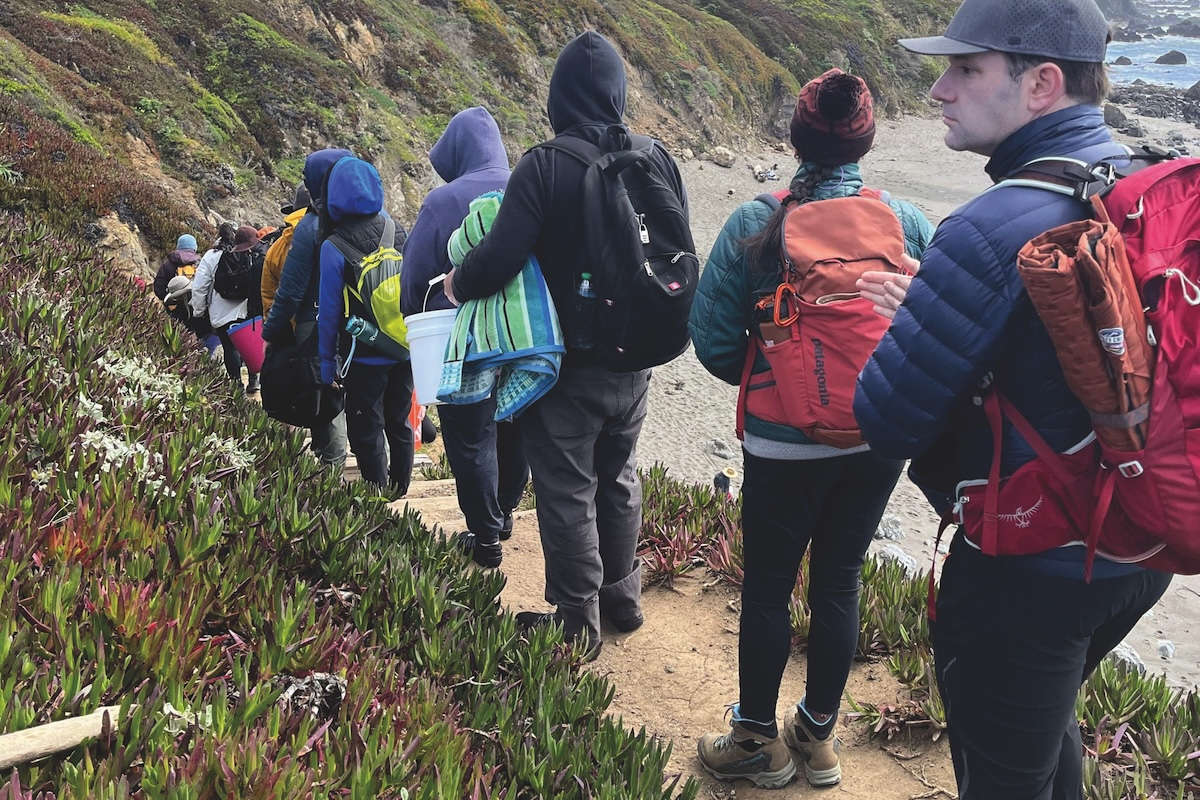
All skill levels and abilities are welcome, even for moral support and comic relief. They will provide some water and maybe a snack, and plenty of well worn gloves, but If you'd like, bring some more refreshments to share or your favorite personal protective equipment.
Agriculture
fromwww.theguardian.com
2 months agoHumanity's favourite food': how to end the livestock industry but keep eating meat
For someone aiming to end the global livestock industry, Bruce Friedrich begins his new book called Meat in disarming fashion: I'm not here to tell anyone what to eat. You won't find vegetarian or vegan recipes in this book, and you won't find a single sentence attempting to convince you to eat differently. This book isn't about policing your plate.
Environment
fromTasting Table
2 months agoThe 5 Grocery Stores With The Best Selection Of Produce - Tasting Table
Grocery stores that offer the best produce know it's crucial to nail a few key factors. First, produce needs to be fresh - that feeling when you get home and open a packet of cucumbers only to find that they're soggy and covered in slime is not a good one. Second, fruits and vegetables need to be priced right. While shoppers can expect to pay a premium of about 50 percent more for organically grown vegetables, anything more than that starts to feel unreasonable.
Food & drink
fromSilicon Canals
1 month agoThis kitchen scrap makes the best free fertilizer and most people throw it away - Silicon Canals
Last week, I was making my morning coffee-you know, the complicated order I'm too embarrassed to say out loud at coffee shops-when I noticed the pile of used grounds in my filter. For years, I'd been tossing these straight into the trash without a second thought. But then I remembered something my grandmother wrote in one of her letters years ago: "The garden teaches us that nothing is truly waste."
Coffee
Agriculture
fromArchitectural Digest
1 year ago13 Raised Garden Bed Ideas to Elevate Your Backyard This Spring
Raised beds allow gardeners to engineer ideal soil conditions, improve ergonomics, protect crops from pests, and enable faster soil warming and easier watering compared to ground-level gardening.
fromABC7 Los Angeles
2 months agoFuel your fresh start: 18 must-have essentials to power your healthy eating goals
Great job choosing to eat healthier in 2026! To help you get started, shop our top picks of essentials that make healthy eating easy and fun. Here's to your healthiest year yet! Escali Primo Digital Scale A kitchen scale can really help you eat healthier. This Escali digital scale is great for weighing ingredients, portioning meals, or even measuring coffee beans.
Food & drink
fromTasting Table
2 months ago10 Food Trends You Can Expect To See In 2026 - Tasting Table
Food trends are changing and evolving constantly, with yesterday's textures, flavors, and ingredients moving aside or inspiring the ones we expect to see in 2026. We expect the upcoming year to be influenced by health trends, as well as politics, and the need for comfort in our food offerings. People's ever-expanding palates and health needs are also colliding with their budgets, but that doesn't mean they plan to sacrifice their food experiences.
Food & drink
fromModern Farmer
1 month agoYour February Soil Checklist: What to Do Now for Healthy Soil
The term "soil fatigue" or exhaustion refers to the condition that soil profiles take on when they've been heavily monocropped and untended. This soil is devoid of the microbial content that offers plants bioavailable food. It lacks the fungal and bacterial organisms that interact with plant nutrients.
Agriculture
fromwww.theguardian.com
1 month agoWhen it comes to preparing seeds for your garden, you'll reap what you sow
To an unimaginable eye, a seed looks inert. Yet they are packed with genetic information and biological processes poised to unfold. All it takes is the right configuration of signals and stimuli from the environment to let them know it's time to dare to grow.
Agriculture
fromRealagriculture
1 month agoThe strongest start: How seedcare innovation is shaping crop protection in Canada
"I've been with Syngenta for 28 years," Ramachandran says, noting that early travels across Canada shaped his passion for seed care. "What really stood out to me is seeing firsthand the passion, the resilience and the impact the growers made." Those experiences, combined with Canada's short growing season, continue to guide his work. "Everything that we have done... is around addressing those challenges, and how do we create solutions that are fit for purpose, for Canadian growers?"
Agriculture
fromwww.theguardian.com
1 month agoWe're not hippies': why these Iowa farmers swapped pigs for mushrooms
My older brother has worked with pigs his entire adult life, managing about 70,000 of them across five counties, Faaborg says. But we got to a point where he went from laughing at me to saying: well, I guess maybe I'll quit my job and help you out. Now he's the most dedicated, says Katherine Jernigan, director of the Transfarmation Project at Mercy for Animals, a non-profit that helped the Faaborgs make the switch and set up their new business, 1100 Farm.
Agriculture
fromDaily Coffee News by Roast Magazine
1 month agoIn Wake of India's "Green Revolution," Scientists Find Organic Soils Healthier
As concepts such as "regenerative" and "biodynamic" continue to enter the mainstream coffee lexicon, scientists continue to literally dig into the soil to give them meaning. A recent peer-reviewed study from India's Western Ghats argues that one of the clearest signals of healthy, sustainable coffee farms lies in the ground itself, with organic coffee soils performing better than soils from conventional farms treated with synthetic inputs.
Agriculture
fromInsideHook
2 months agoAn Essential Part of Farming Has Two Wings and a Beak
When you think of farming, what ingredients do you generally associate with a successful harvest? The basics certainly come to mind: fertile soil, plenty of sunlight and lots of water. But there are other variables that can also mean the difference between a crop of healthy fruits and vegetables and a large heap of organic waste. And it turns out that one of those variables is a very small hawk.
Agriculture
Agriculture
fromIndependent
2 months ago'It's a kind of rock-star lifestyle... but I always loved farming': Why ex-pro surfer swapped chasing waves for regenerative farming
Fergal Smith left a professional surfing career to practice regenerative farming and train Ireland’s next generation of sustainable farmers on Moy Hill Farm.
fromTasting Table
2 months agoThe Slow-Growing Crop That Pays Off Big When You Start It From Seed - Tasting Table
People grow asparagus from crowns because it shortens the long wait times for harvesting. From seed, you'll need to wait three years before harvesting asparagus. Some people consider that a waste of time. The tradeoff is that you can keep harvesting every spring for up to 15 years or more. If you plant crowns, you get a one-year jump on things. However, those crowns may have soil-borne diseases you don't know about, so there is a risk involved. Seeds remove that problem.
Agriculture
[ Load more ]