New York City
fromGothamist
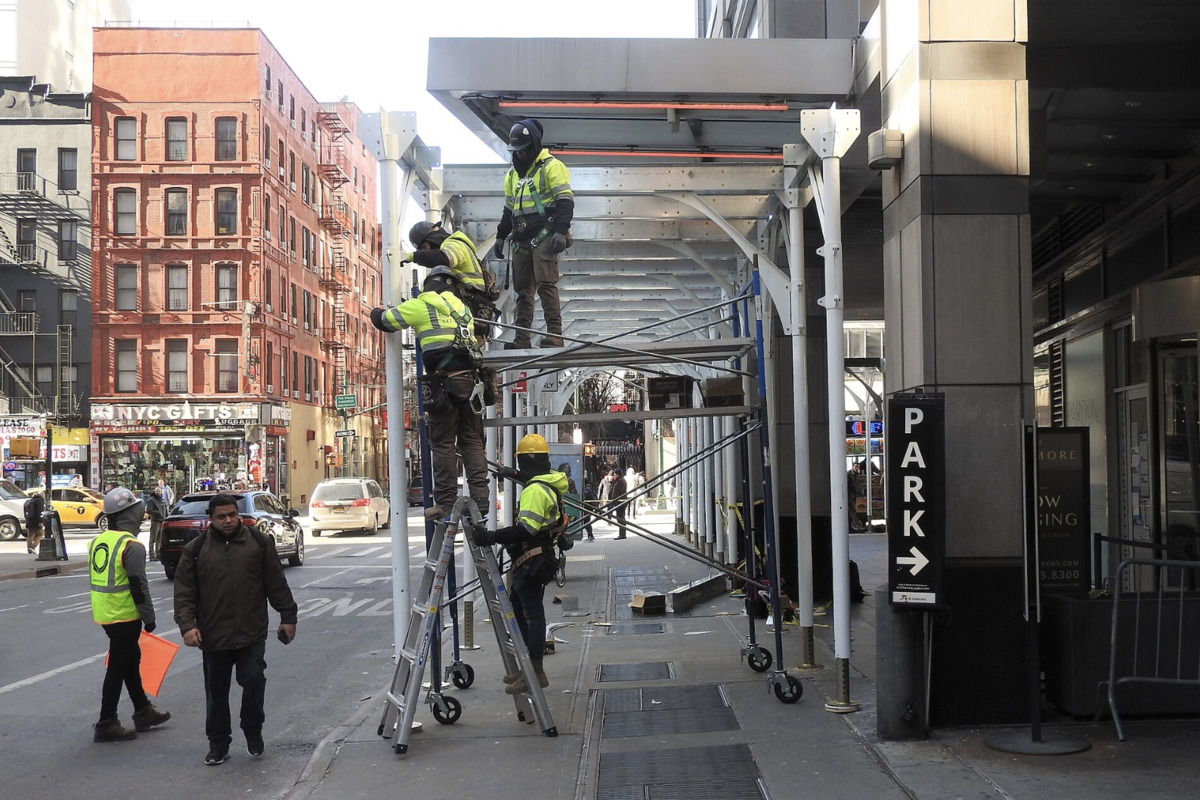
1 day agoReforms to 'wild west' private trash industry come to Manhattan's Chinatown
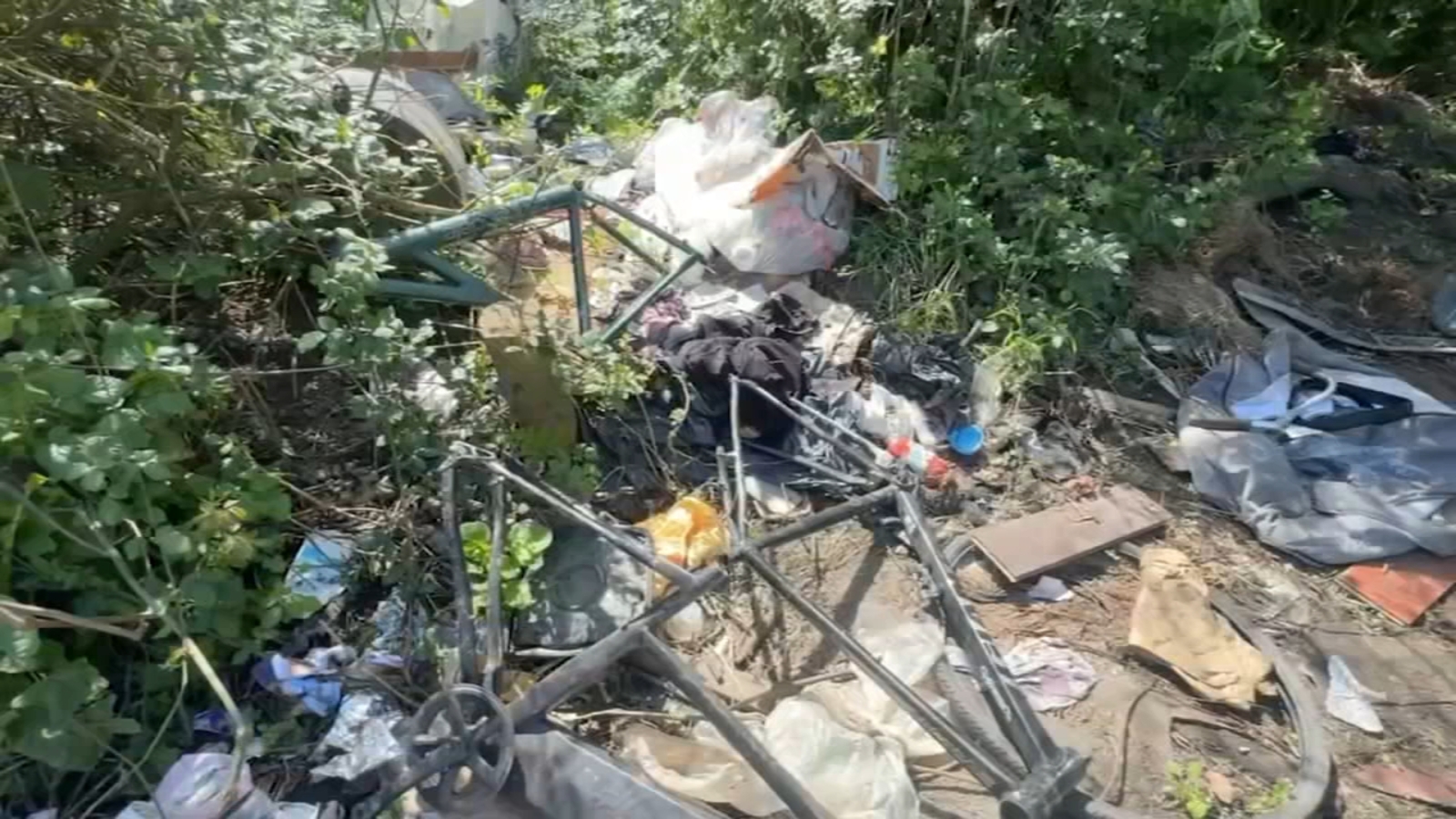
Manhattan's Chinatown will implement new trash reforms requiring businesses to use authorized waste companies by May 2024.
"Too often, California makes the best transportation projects fight the hardest for approval. AB 1976 starts to change that by modernizing outdated rules, limiting unreasonable process hurdles, and creating a clearer path to safer, more people-oriented streets," said Marc T. Vukcevich, Director of State Policy, Streets For All.
The Greenbelt, an over 800,000-hectare ecologically sensitive zone around the Greater Golden Horseshoe, was created in 2005. It provides environmental protection and specifies where development should not occur.
The new law will prohibit the use of residential housing specifically for the purpose of storing cremated remains and the burial of corpses or construction of tombs in areas other than public cemeteries.
Meininger, who grew up in Germany but now lives in London, likes making things. So when he saw how much his young sons enjoyed the jungle gym and play forts at the local park, he made an indoor treehouse for them.
The petition states the playground has broken and deteriorating equipment with sharp edges, rusted metal, chipped and peeling paint, uneven concrete, rodent infestation and limited green space, all of which they feel creates a hazardous environment.
In that small 30-block zone last year, there were 486 reported crashes, injuring 76 cyclists, 108 pedestrians (one fatally) and 67 motorists, according to city stats. That's more than a crash every day, injuring more than 250 people.
It's like, 'Ok, where? Who do we call? What do you mean?' said Batan, of the Queensboro Dance Festival, which puts on free dance performances, parties, and classes 30 to 40 times each summer. Batan compares the city's complex permitting process - which features an alphabet-soup array of agencies and offices that set guidelines for everything from block parties and street festivals to the use of stages, tents, and speakers - to 'avoiding a bunch of trap doors.'
Campaigner Aysha Hawcutt stated that residents were 'not anti-homes', but believed the Adlington plan was 'the wrong proposal in the wrong place'. She expressed pride in the community's resilience against the development threats.
Conservation area regulations aren't on the same level as those for Listed Buildings; however, they are still much stricter than in the average home. The most common legal consideration to make is understanding Article 4 Directions. Article 4 can essentially strip away your 'Permitted Development' rights, meaning you need full blown planning permission, even for minor changes, like front doors.
While the data shows 80% of people live within walking distance of green or blue spaces such as a river, park or woodland, it also reveals a disparity between rural and poorer urban areas. In some areas of local authorities, fewer than 20% of residents live close to these spaces, according to data released by the Department for Environment, Food and Rural Affairs on Wednesday.
Hundreds of preventable fatalities and more than 13 million metric tons of climate pollution would be avoided by 2045 if Congress passed legislation that answered advocates' long- time demand to require state DOTs to set declining annual fatality targets - and reallocate highway money to safety projects if they don't meet those goals, according to a new analysis from Evergreen Action.
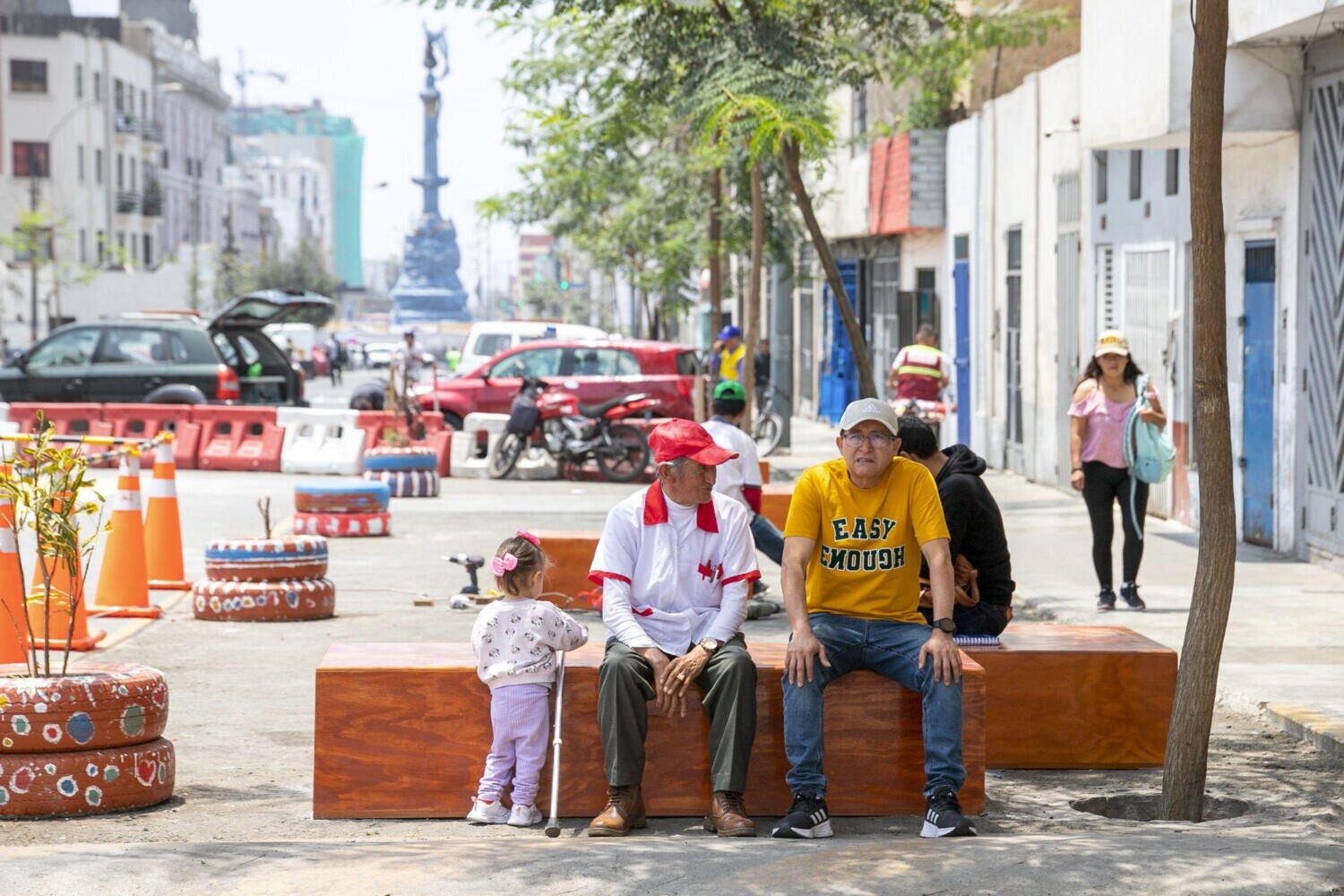
Though they're individually tiny, parking spots quietly play a dominant role in shaping urban landscapes. Most US cities dedicate at least 25% of their developable land to them. Some, even more. That land usage doesn't only determine the way a city looks. It also means covering large swathes of urban areas in heat-absorbing asphalt, which contributes to making summers hotter and heightens the risk of flooding since it prevents drainage during storms and heavy rainfall.
Cedar Street just came out victorious in a multi-year saga with the city of La Canada Flintridge, winning the first successful builder's remedy case in California Superior Court for its 80-unit mixed-use project at 600 Foothill Boulevard and setting a path for other developers to build. But the fight may have left its scars, in time, stress and now soured relationships with some officials.
Cities around the world share a common goal: to become healthier and greener, supported by civic infrastructure that restores ecosystems and strengthens public life. The question is how to reach this. Global climate targets, local building codes, and municipal standards increasingly guide designers and planners toward better choices. Still, many cities struggle to translate these frameworks into everyday, street-level comfort and long-term ecological protection.
Tower Hamlets Council said in September 2023 it wanted to take down the LTNs and was challenged by Save our Safer Streets (Soss). The court said a failure to reconsult was among the reasons for its decision. Soss said that "thousands of local residents will be extremely pleased and relieved". Tower Hamlets Council, led by mayor Lutfur Rahman, said it was "disappointed" while London's mayor called it "good news for Londoners".
It shows up three times a day, on your plate. The U.S. spends over $30 billion annually on agricultural subsidies. Most support corn and soy, crops that become livestock feed, not food for people. U.S. meat is artificially cheap, which has locked us into a high-emissions food system. It's the highway funding of food: a policy choice that induces demand and reinforces path dependency.