#pandemic-revisionism
#pandemic-revisionism
[ follow ]
#public-health #vaccination #measles-outbreak #covid-19 #misinformation #measles #pandemic-preparedness

Public health
fromNature
3 weeks agoCapturing dynamic phage-pathogen coevolution by clinical surveillance - Nature
Phage-inducible chromosomal island-like elements (PLEs) in Vibrio cholerae provide defense against ICP1 phage predation, influencing pandemic strain evolution and disease severity through dynamic phage-bacteria interactions.
Coronavirus
fromwww.scientificamerican.com
2 weeks agoCOVID probably killed 150,000 more people in its first two years than official U.S. tolls show
COVID-19 deaths in the U.S. during 2020-2021 may have reached nearly one million when accounting for approximately 150,000-160,000 unrecorded deaths, with disproportionate impact on marginalized populations.
fromThe Atlantic
2 weeks agoI Remember a World Without Vaccines
I am open-minded; I believe in integrative practices, and I agree that the medical establishment can be arrogant and unduly influenced by the pharmaceutical industry, which now funds so much of medical research. But I fully understand Scherer's frustration with his interminable discussions with Kennedy about scientific articles.
Coronavirus
Science
fromNature
1 month agoDaily briefing: COVID's origins - what we do and don't know
Horses produce two-toned vocalizations simultaneously using their vocal folds and larynx cartilage to convey complex messages, while AI threatens research programming jobs and Japan approves stem cell therapies with limited trial data.




Coronavirus
fromArs Technica
3 weeks agoWe study pandemics, and the resurgence of measles is a grim sign of what's coming
Measles outbreaks impose substantial economic costs through containment, medical expenses, and productivity losses, while declining vaccination coverage threatens control of multiple infectious diseases.





#measles-outbreak



Public health
fromwww.theguardian.com
4 weeks agoTrump administration is failing to address spread of measles, experts say
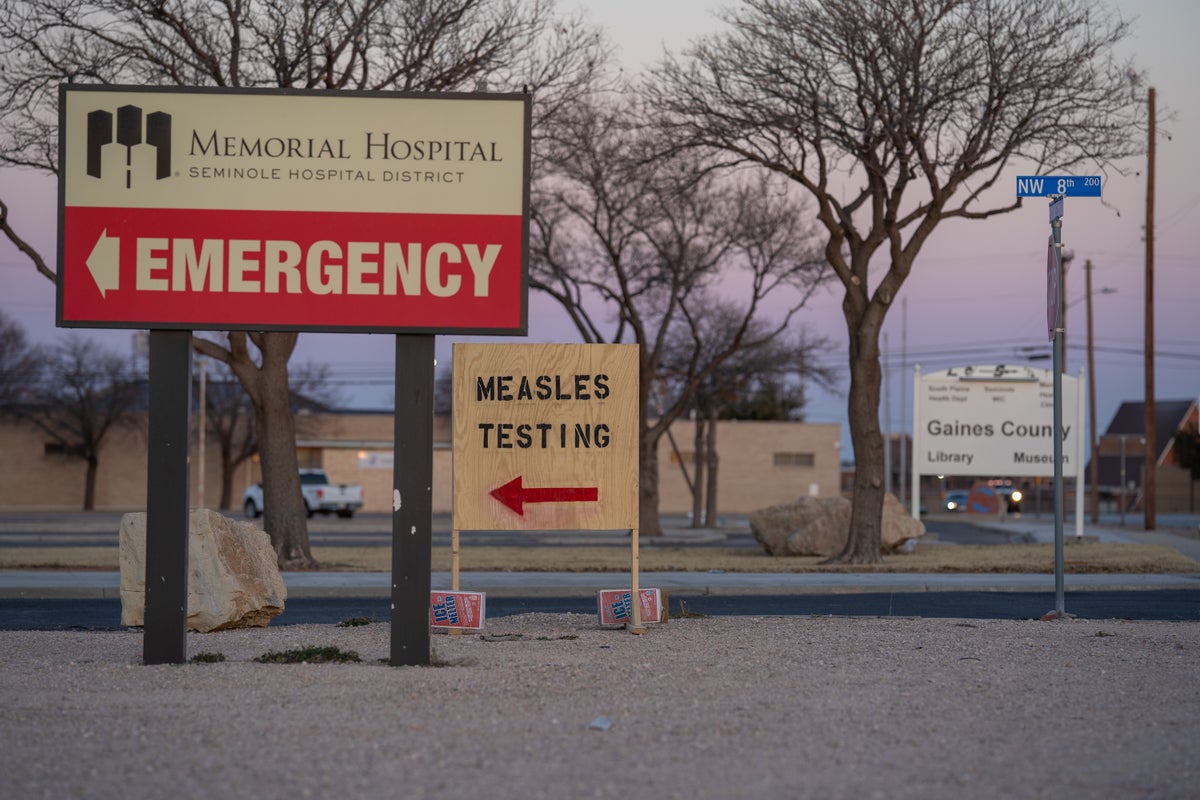
The Trump administration has inadequately responded to accelerating measles spread exceeding 1,000 cases, with CDC leadership dismissing the outbreak as routine business costs while messaging confusion undermines vaccine confidence.

Public health
fromAdvocate.com
1 month agoBudget cuts and ignorance of history are racing us towards another HIV & AIDS epidemic
The Trump administration is cutting HIV/AIDS funding across CDC, research, state grants, and global programs, threatening decades of progress against a disease that devastated communities in the 1980s.
Public health
fromwww.mercurynews.com
1 month agoOpinion: Anti-vaccine ideology doesn't just cost lives. It drains pocketbooks.
Reducing the national vaccine schedule from 17 to 10 diseases endangers children's health and exposes families to catastrophic medical costs that can devastate household finances.
US politics
fromEmptywheel
2 months agoPompeo's Latest Attempts To Propel Propaganda On Lab Escape Of SARS CoV-2 Suffer Two Epic Swat-Downs
Senior U.S. officials pushed disinformation alleging a Wuhan Institute lab accident, supported by dubious open-source reports and refuted by satellite imagery analysis.
fromFast Company
2 months agoHow America's WHO exit could affect flu shots, outbreaks, and future pandemics
The U.S. is no longer part of the World Health Organization. After the Trump administration declared its intention to pull the country out of the global public health agency one year ago, on Thursday it formally followed through, ending its commitment to the organization after 78 years. Withdrawing the U.S. from the WHO was one of Trump's day one priorities. Now, after the required one year notice period, the deed is done.
World news
fromwww.theguardian.com
1 month agoViruses don't know borders': US anti-vaccine rhetoric could impact global measles crisis
The World Health Organization announced in late January that six European countries: the United Kingdom, Spain, Austria, Armenia, Azerbaijan and Uzbekistan had all officially lost their measles elimination status, which means the virus has been circulating continuously in those countries for more than 12 months.
Public health
fromNature
1 month agoThe science influencers going viral on TikTok to fight misinformation
One of Simon Clark's most popular TikTok videos begins with him playing the part of a clueless climate contrarian. Adopting the overconfident tone that is common among social-media influencers, he proclaims: "Renewables are a scam!" Cut to the real Clark, who has a PhD in stratospheric dynamics and uses the handle @simonoxfphys, as he dismantles several myths about renewable energy using a deadpan style and a torrent of charts. The video, with almost 180,000 views, is an effort to fight misinformation by meeting people where they are, he says.
Science
fromwww.npr.org
1 month agoWhy it's a bit surprising that the U.S. is attending a key global flu meeting
Each day, they pore over reams of data about how the virus is evolving worldwide, how well last year's shot performed, and which strains might be easiest to mass produce for a vaccine. The meeting, convened by the World Health Organization twice a year, is a critical moment for the WHO's Global Influenza Surveillance and Response System.
Public health
fromArs Technica
1 month agoNIH head, still angry about COVID, wants a second scientific revolution
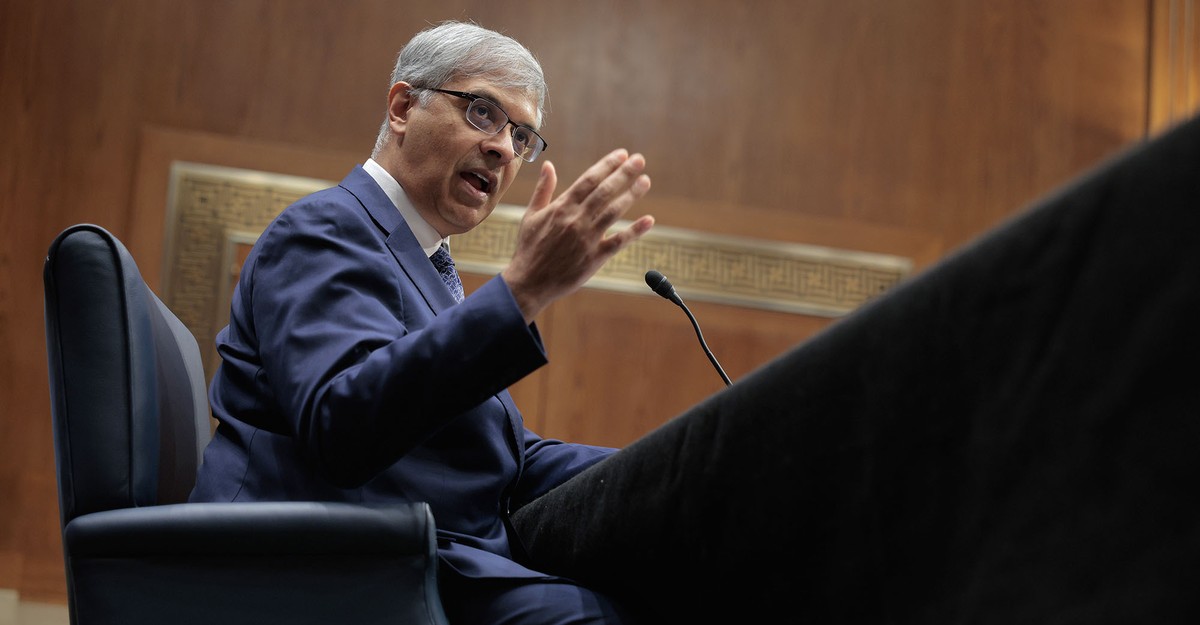
At the end of January, Washington, DC, saw an extremely unusual event. The MAHA Institute, which was set up to advocate for some of the most profoundly unscientific ideas of our time, hosted leaders of the best-funded scientific organization on the planet, the National Institutes of Health. Instead of a hostile reception, however, Jay Bhattacharya, the head of the NIH, was greeted as a hero by the audience, receiving a partial standing ovation when he rose to speak.
US politics
Public health
fromkffhealthnews.org
2 months agoTrump policies at odds with emerging understanding of COVID's long-term harm
SARS-CoV-2 can produce diverse, long-term health harms while federal policy has narrowed vaccine recommendations and paused development contracts despite calls for sustained research and monitoring.
fromPsychology Today
2 months agoA Virus Is Rising Exponentially This Month
We see the percentage of outpatients' visits for influenza-like illnesses (proven influenza cases and not tested but similar cases) in 2025 and the beginning of 2026, compared to the last few years. The current outbreak is represented by a dark red line that is higher than in previous years and is expected to continue rising with the start of school this week.
Public health
Public health
fromIPWatchdog.com | Patents & Intellectual Property Law
4 years agoThe Innovation Ecosystem Behind COVID Vaccines is Now Targeting HIV/AIDS
Incremental scientific innovation transformed HIV from a fatal epidemic to a manageable disease, with advances including AZT, PrEP, and promising mRNA vaccine trials.
Public health
fromwww.scientificamerican.com
1 month agoTop medical groups join forces to review vaccine science as CDC faces criticism
The American Medical Association and the Vaccine Integrity Project will independently review vaccine safety and effectiveness to provide evidence-based guidance to doctors and families.
fromwww.npr.org
2 months agoGlobal buzzwords that will be buzzing in your ear in 2026
Has your resilience ever been fractured? Do you yearn to express solidarity in a pragmatic way? Have you signed an MOU? (Or even heard of an MOU?) These sentences contain some of the buzzwords likely to be relevant in the world of global health and development in 2026 according to our informal survey of 20 experts who work in the field.
Public health
fromwww.aljazeera.com
2 months agoGlobal health's defining test
Perhaps the most significant milestone was the adoption by WHO Member States of the Pandemic Agreement, a landmark step towards making the world safer from future pandemics. Alongside this, amendments to the International Health Regulations came into force, including a new pandemic emergency alert level designed to trigger stronger global cooperation. And to sustainably finance the WHO's work, governments in a historic show of support increased their contributions to our core budget.
Public health
[ Load more ]