Environment
fromHigh Country News
4 hours agoA new era of industrial logging looms - High Country News
The U.S. is set to rescind the Roadless Area Conservation Rule, allowing industrialization in previously protected forest areas.
"I think it surprised me how easily people are swayed by headlines," says Suderman, noting that wartime information flows are often strategic and conflicting. "You have to learn in a wartime to take everything with a grain of salt in the context of what you observe."
'Our results show that the next 20 years are critical,' lead author Dr Rob Cooke told the Daily Mail. 'By around 2050, we reach a point where the choices we make on emissions and land use will largely determine whether Britain moves towards a much more degraded or a much more nature‑positive future.'
The 12-cabin cruiser Pure Amazon is Abercrombie & Kent's first voyage on these waters and is part of the brand's Sanctuary collection, which will also include the soon-to-launch riverboat After 25 years in Peru, the company is setting out to not just join a tradition but redefine smart river travel with design-led interiors that evoke a boutique hotel and with five-course dinners paired with Peruvian small-batch wines.
Financial strangulation, as he put it, is the latest weapon in the government's escalating effort to clear the way for expanded mining and oil development in one of the world's most biodiverse countries. Months earlier, officials had temporarily frozen the accounts of several of Ecuador's most prominent environmental defenders, including Tapia, citing investigations into unjust private enrichment and financing terrorism.
At a young age, I learned quickly how oil wealth and power could burn the land while people struggled. I saw heat rise off the streets, the Nile strained, and the air thickened with injustice. In my teenage years, through Aotearoa, being on the edge of the Pacific, I felt the ocean breathing heavy, swallowing the shores of islands that have done the least to cause this harm.
The idea that hiking trails are a tool for conservation is based on a simple premise: people protect what they know. That requires making conservation areas accessible. There's no point telling people you only protect what you know, if you don't give them the tools to know. The trail is this tool. People who hike, people who camp, these people often become defenders of the environment.
According to color psychology, this soothing shade helps decrease stress and improve focus-and travelers can reap these much-deserved benefits in lush landscapes around the world. Here are 10 of the greenest places on earth, which combine serenity with unforgettable adventures.
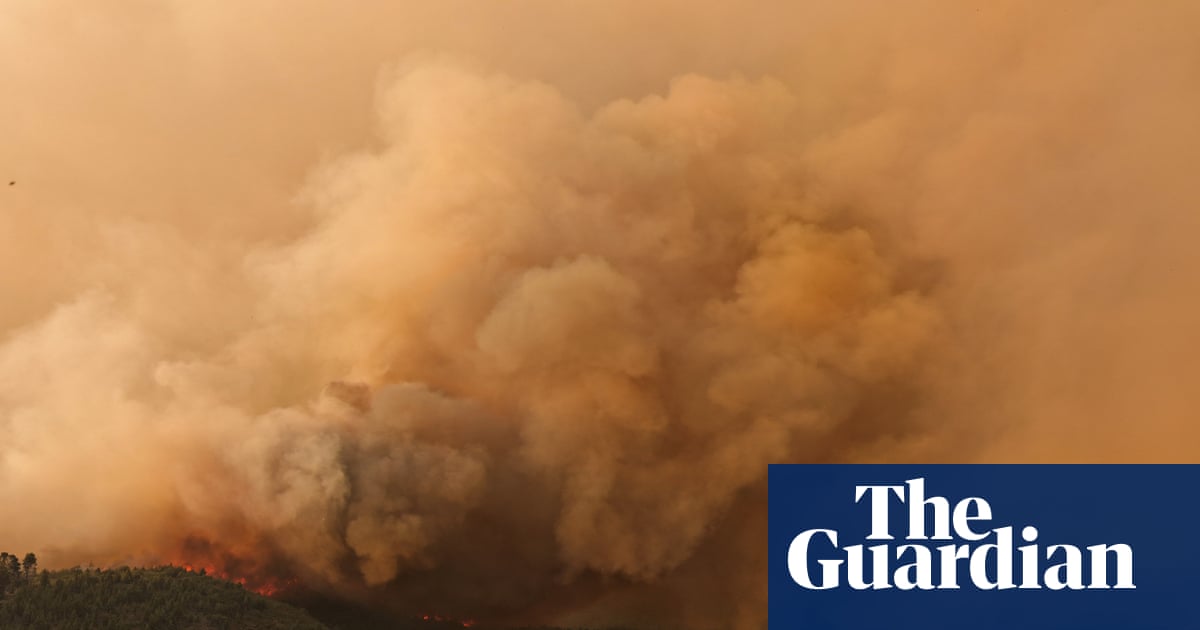
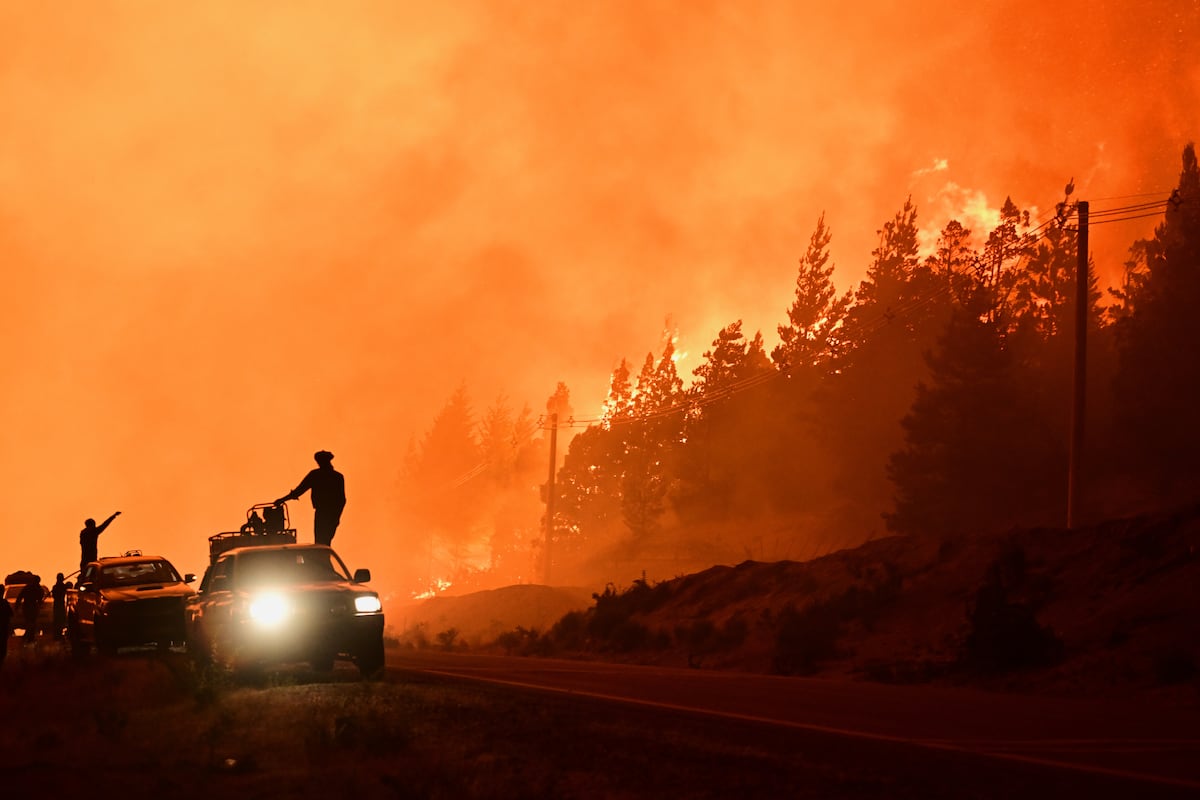
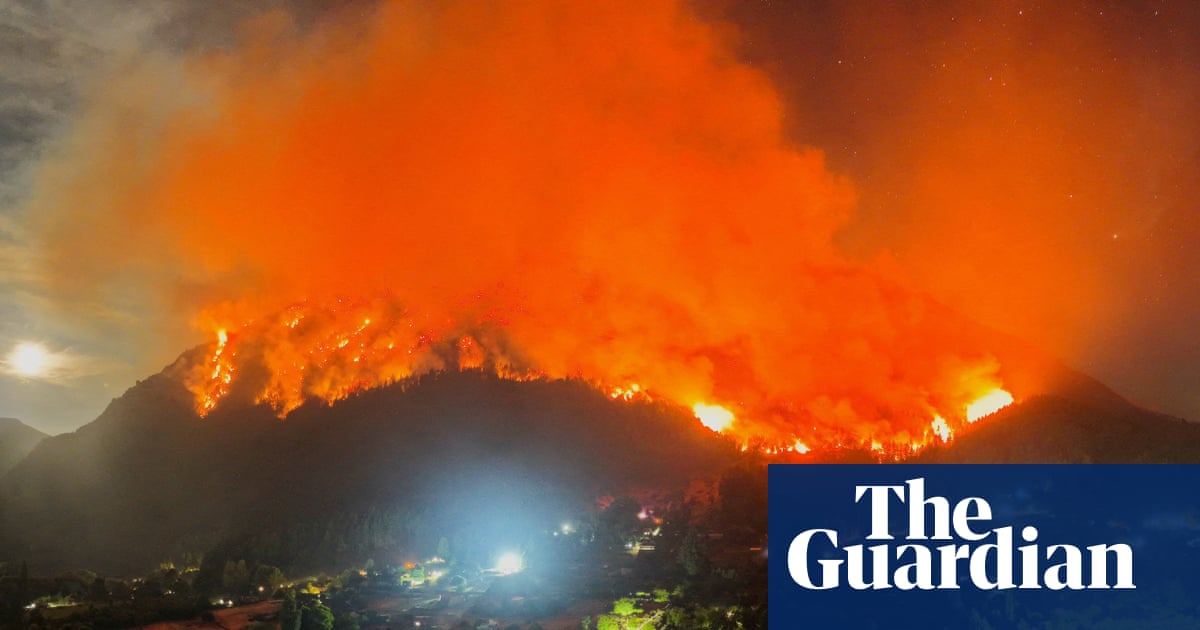
Wildfires raging across central and southern Chile have killed at least 15 people, scorched thousands of hectares of forest and destroyed scores of homes, authorities said, as the South American country swelters under a heatwave. Chile's president, Gabriel Boric, declared a state of catastrophe in the country's central Biobio region and the neighbouring Nuble region, about 500km (300 miles) south of Santiago, the capital.
Climate breakdown is occurring more rapidly with the heating rate almost doubling, according to research that excludes the effect of natural factors behind the latest scorching temperatures. It found global heating accelerated from a steady rate of less than 0.2C per decade between 1970 and 2015 to about 0.35C per decade over the past 10 years.
The river won, the forest won, the memory of our ancestors won, said the campaigners in Santarem when it was clear their actions had forced the Brazilian government into a U-turn on plans to privatise one of the world's most beautiful waterways and expand its role as a soy canal.
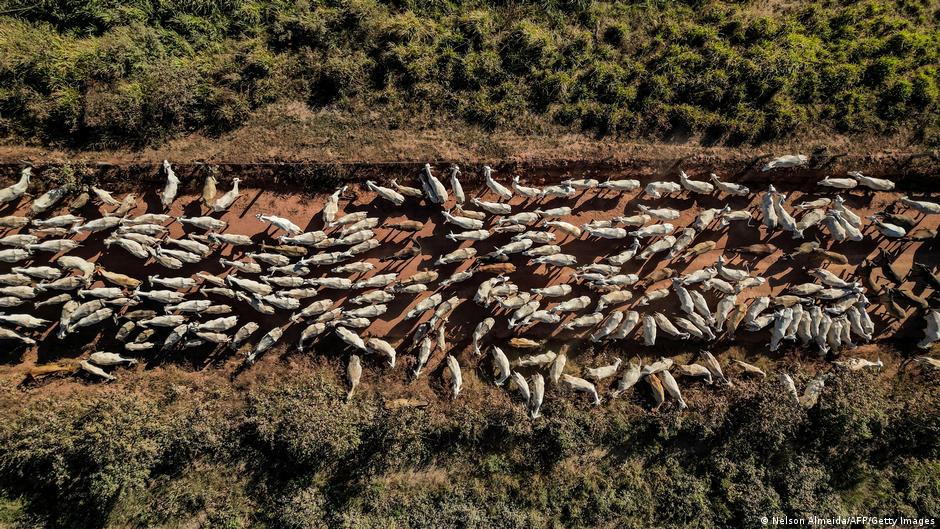
A moratorium that has protected vital rainforest since 2009 is on shaky ground as several players from Brazil's soy industry say they are pulling out. Specifically, the Brazilian industry association ABIOVE, whose members include global companies such as Cofco International, Bunge, Amaggi and JBS, have said they will no longer refrain from growing soy on deforested land. Environmentalists fear this could fuel a new wave of Amazon logging.
BP's sponsorship of the museum has long drawn ire, in part because the oil company pursues an "all out for oil and gas" strategy, including plans to exploit deep drilling at the recently discovered Burmerangue site off the coast of Brazil. The project has been criticised by campaigners and oil and gas unions due to its threat to ocean ecosystems, elevated carbon dioxide levels, and lack of revenue flowing back into the Brazilian economy.
Raw sewage and solid waste flow into the bay from surrounding cities, home to more than 8 million people. Cargo ships and oil platforms chug in and out of commercial ports, while dozens of abandoned vessels lie rotting in the water. But at the head of the bay, between the cities of Itaborai and Mage, the environment feels different. The air is purer, the waters are empty but for small fishing canoes, and flocks of birds soar overhead.
The record-breaking arctic blast that hit Florida earlier this month may have sent humans scurrying for winter coats, but it sent wildlife scurrying, swimming and slithering for their lives. Some of those animals were native, some were invasive. Some survived. Thousands of others did not. The benchmark for cold snaps in Florida is the 2010 freeze, which killed manatees, crocodiles, iguanas, thousands of snook and goliath grouper, and caused 50% to 90% of invasive pythons to die in some areas.
In the small town of Chipaya, everything is dry. Only a few people walk along the sandy streets, and many houses look abandoned some secured with a padlock. The wind is so strong that it forces you to close your eyes. Chipaya lies on Bolivia's Altiplano, 35 miles from the Chilean border. The vast plateau, nearly 4,000 metres above sea level, feels almost empty of people and animals, its solitude framed by snow-capped volcanoes. It raises the question: can anybody possibly live here?
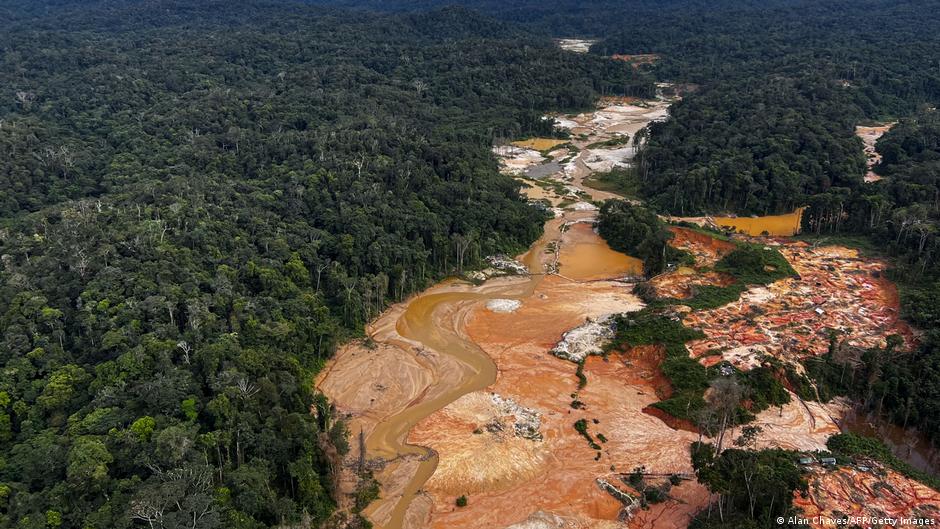
Police and prosecutors from Brazil, French Guiana, Guyana and Suriname have arrested nearly 200 people in their first joint cross-border operation targeting illegal gold mining in the Amazon region, authorities said. The operation was backed by Interpol, the EU and Dutch police specialising in environmental crime. It involved more than 24,500 checks on vehicles and people across remote border areas and led to the seizure of cash, unprocessed gold, mercury, firearms, drugs and mining equipment, Interpol said.
The world spends 30 times more money destroying nature than protecting it. That's according to a new report from the United Nations Environment Programme (UNEP) that exposes a massive gulf between so-called "harmful investments" and financing that promotes nature preservation. The global environment agency's latest "State of Finance for Nature" (SNF) report is calling to phase out the US$7.3 trillion (6.2 trillion) in global investments that damage nature including into high-emissions energy infrastructure and manufacturing, for example.