Fashion & style
fromArchitectural Digest
11 months agoThe Best Organic Comforters Go Beyond Sustainability
Oeko-Tex Standard 100 certification ensures bedding is free from harmful chemicals, promoting safer sleep environments.
Windex is an unexpected household cleaner that can degrease your kitchen and dissolve wallpaper glue and residue. The ammonia in Original Windex is a solvent that breaks down the adhesive properties of glue in wallpaper, allowing you to wipe it off the wall easily.
Shredded paper is especially difficult to recycle, so many programs will not accept it. Shredding accelerates fiber shortening and lowers the paper grade from high-grade to mixed-grade. Mixed-grade paper is still recyclable, but it ends up baled and processed into products like paper towels and packing paper.
Washing machine rubber door seals are one of the biggest hidden breeding grounds for mould in the home. They trap moisture, detergent residue and fabric fibres during and after washes, creating the perfect warm, damp environment for mould and bacteria to thrive.
Never place batteries of any type in your curbside recycling bin. Batteries can damage recycling equipment and, if lithium batteries are mixed in, cause fires. Always use designated battery collection programs.
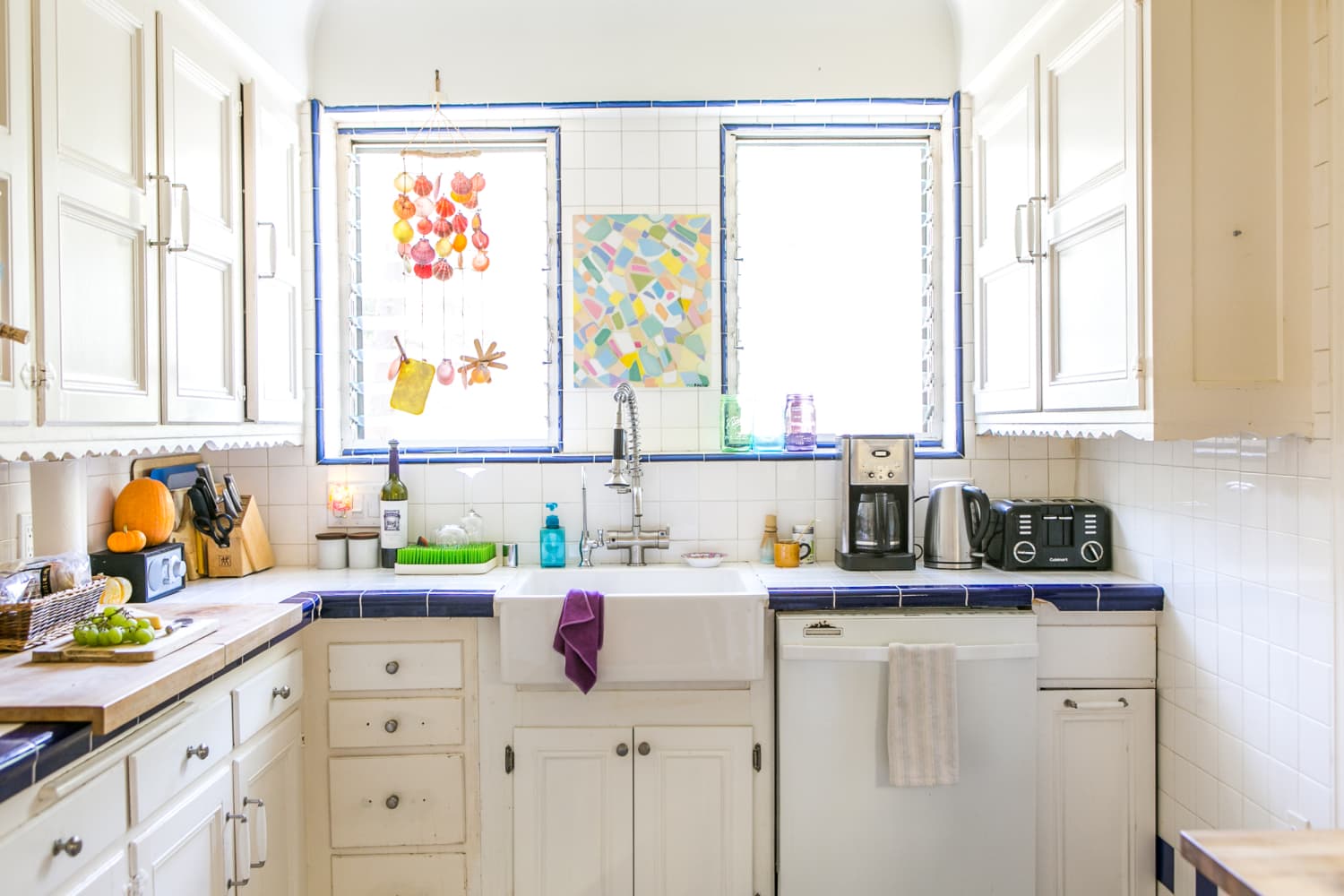
Cleaning pros say that this is a kitchen cleaning task you should do every one to three months to prevent a buildup of food splatters, grease, oil, and dust - all of which could damage the walls, cause foul odors, and attract pests like flies and roaches.
Writing something down by hand, right when it occurs to you, is still the fastest way to keep an idea from slipping away. Digital apps, meanwhile, have the opposite problem: the moment you unlock your phone to jot something down, you're one notification away from forgetting why you opened it.
While you might assume that potato chip bags or other snack bags are recyclable, most are made from mixed materials. This means that the bags may contain plastic on the outside and an inner lining of plastic and aluminum film or foil. While the individual materials may be recyclable on their own, the only way they could be used is if the recycling facility has the means by which to separate the materials.
This research-based design project by Laura Oliveira investigates discarded as a potential raw material for sustainable design applications. Human hair is produced continuously and in large quantities through everyday grooming practices, yet it is almost always treated as waste once separated from the body and typically disposed of in landfills. Despite its material properties, strength, flexibility, and durability as a keratin-based protein fiber, its remains uncommon within design and research contexts.
It's about what happens in those crucial minutes before bed. The psychology behind this makes sense. As behavioral scientists have found, our environment significantly impacts our stress levels and mental clarity. A cluttered space often leads to a cluttered mind. Those who maintain consistently clean homes have figured out that small, nightly rituals prevent the overwhelming buildup that sends the rest of us into cleaning frenzies.
Kids and clean cars don't mix. Between snack crumbs, stray toys, and sticky fingerprints, your backseat can feel like a disaster zone. No matter how often you tidy up, the mess always returns. So how to keep the car clean? But a messy car doesn't have to be your reality! With simple systems and quick clean-up habits, you can keep things under control. The key is working with the chaos instead of against it -because kids will always make a mess.
Stainless steel is known for its shiny look and incredible durability, which makes it a great choice in your kitchen, whether we're talking stainless steel appliances or cookware. But when cleaning cooking residue and grease from pans or polishing off your stainless-steel fridge, it's important you don't reach for the paper towels since they can leave scratches and leftover fibers on the surface of the material.
I'll be honest: Washing my actual pillows (not just the cases) used to be one of those chores I knew I should be doing, but rarely actually did. As long as my pillows were tucked inside clean pillowcases, I convinced myself they were fine. But that all changed after I came across this article on Apartment Therapy where three popular pillow-washing methods were put to the test.
Some of my best discoveries, turns out, were found in the most typical of hardware and sundries stores. When it comes to cleaning, the French aren't wielding harsh chemicals or power tools, but rather, sticking to what's worked for generations. Among us at Remodelista, there's at least one tool or product we've each co-opted into our own American homes. Here are our favorites.
When you lack the good fortune of having an in-unit washer and dryer like I do, you have to be extra judicious about how many times you wear clothes before tossing them in the hamper. Laundry piles up quickly, after all, and I refuse to go to the laundromat more often than necessary. The only issue with re-wearing clothing items is that they wrinkle - fast - and they don't always smell daisy-fresh, if you catch my drift.
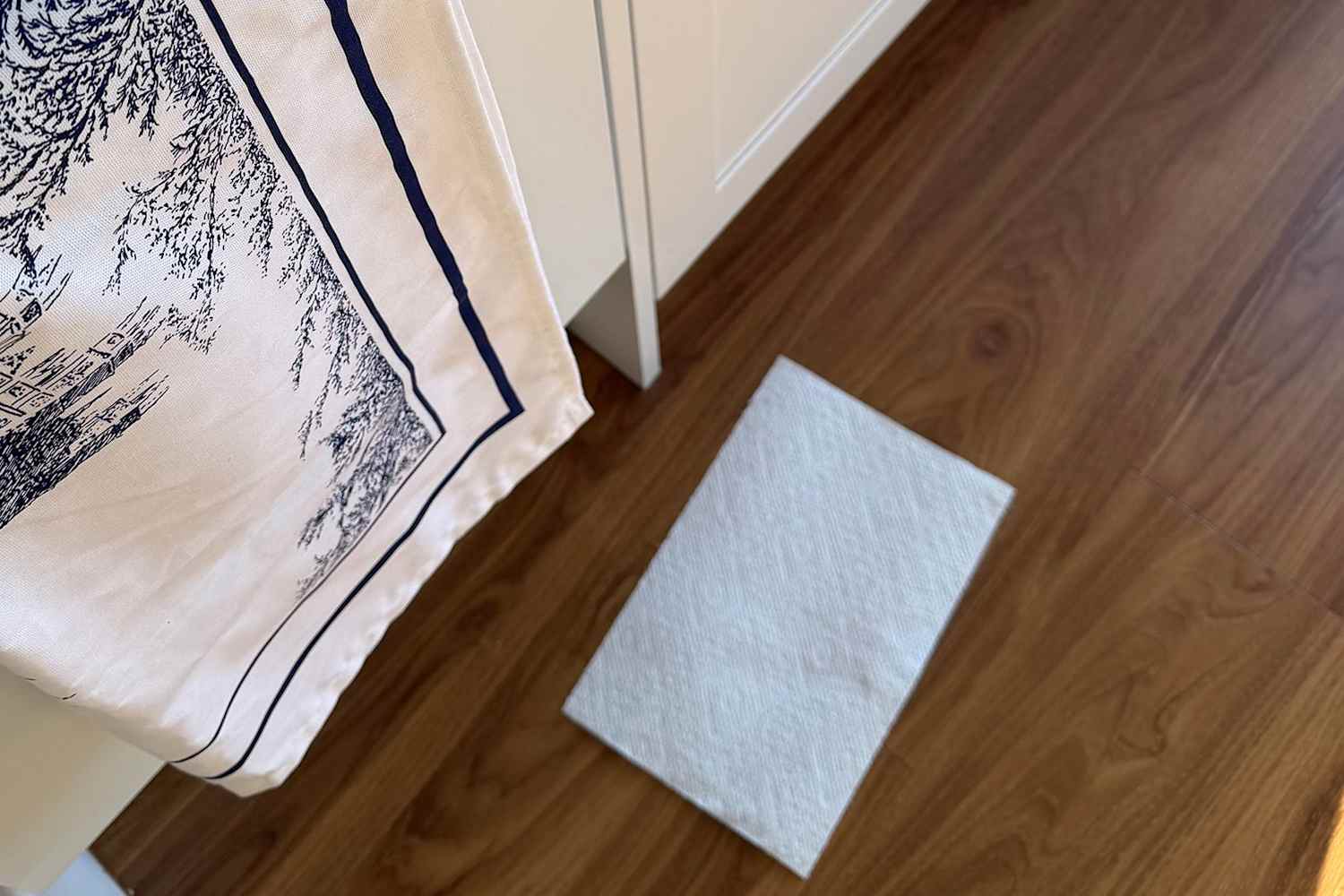
Using one in place of a cloth dinner napkin was unacceptable, and if I ever used more than a single perforated sheet to wipe up a spill then I'd expect to hear about it. It wasn't until I was a fully grown adult, responsible for stocking my own kitchen, that I understood why: Paper towels aren't cheap! They're also super wasteful, which is why I've made the switch to the more sustainable and budget-friendly Stasher Reusable Swedish Dishcloths - and I'm never going back.
When I was growing up, shampoo options were limited, and Johnson's Baby Shampoo was a household staple. It lathered well, smelled clean, and was gentle enough to use every day. At some point, my mom realized that same gentleness made it effective on clothes, too. She believed in the product so completely that I never questioned it - and eventually, I adopted the same habit in my own home.
Toilet paper, a product that is used for a few seconds before being disposed of forever, is typically made with trees, energy-intensive manufacturing processes and chemicals that can pollute the environment. Experts say more consumers are seeking toilet paper made from recycled content or sustainable materials, but it can be hard to know what to look for. Sustainable toilet paper often costs more, but can have significant environmental benefits.
Just like that coffee cup, eyewear is a complex fusion of materials. Metal hinges are screwed into polymer frames, which hold chemically-coated lenses. This mix of metals, plastics, and coatings means standard sorting machines cannot process them. As a result, they are rejected as contamination and sent directly to landfills, where they contribute to non-biodegradable waste. Unlike a disposable paper cup, however, a pair of sunglasses is built for durability. Its high-quality components make it a perfect candidate for repair, reuse, or reinvention.