#paramilitarism
#paramilitarism
[ follow ]
#colombia #gustavo-petro #drug-trafficking #cartel-violence #us-colombia-relations #venezuela #eln #plane-crash


US politics
fromNonprofit Quarterly | Civic News. Empowering Nonprofits. Advancing Justice.
1 week agoThe ICE Detention of Colombian Journalist Fuels Press Freedom Concerns | Nonprofit Quarterly | Civic News. Empowering Nonprofits. Advancing Justice.
Estefany Rodríguez was arrested by ICE in a targeted operation, raising concerns about press freedom and First Amendment rights.
Madrid food
fromenglish.elpais.com
2 weeks agoThe criminal underworlds of Mexico, Colombia, and Ecuador converge in the murder of Fernando Villavicencio
Mexico captured Angel Esteban Aguilar, a Los Lobos leader wanted for a 2023 presidential candidate murder, revealing criminal networks connecting Ecuador, Mexico, and Colombia in cocaine trafficking operations.




Cryptocurrency
fromBusiness Insider
3 weeks agoColombia's new cocaine isn't white - it's gold
Soaring gold prices have made illegal gold mining Colombia's most profitable criminal enterprise, surpassing cocaine trafficking and generating billions in dirty money annually, with the US as the largest importer.
World politics
fromenglish.elpais.com
2 weeks agoPetro accuses Ecuador of bombing Colombia, sparking a new diplomatic crisis
Colombia and Ecuador face a severe diplomatic crisis with presidents exchanging accusations of cross-border bombing and harboring narco-terrorist groups, with diplomatic channels completely collapsed.
Women in technology
fromenglish.elpais.com
4 weeks ago3. Colombia: Mothers for Peace
Carmen Elena, a Colombian woman displaced by violence that killed her husband and brother, lost her project to create a safe village for mothers protecting children from armed group recruitment after USAID withdrew funding.
#colombia-ecuador-border-conflict

World news
fromwww.theguardian.com
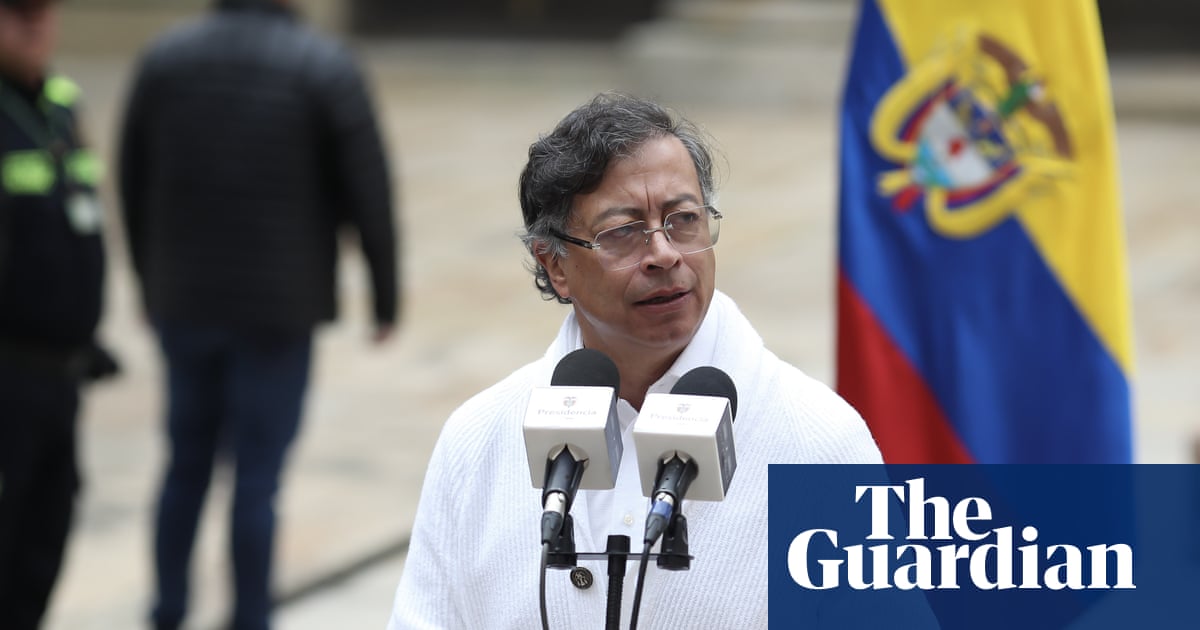
2 weeks agoColombian president accuses Ecuador after 27 charred bodies' found near border
Colombian President Petro accuses Ecuador of bombing Colombian territory, killing 27 people, while Ecuadorian President Noboa denies the allegations and blames Colombia for allowing criminal groups to operate across their shared border.
World politics
fromwww.aljazeera.com
2 weeks agoColombia's Petro accuses Ecuador of bombing near border
Colombian President Petro accused Ecuador's military of bombing Colombian territory and reported 27 charred bodies found on the border, while Ecuador's President Noboa denied the allegations, claiming all military strikes occur within Ecuador's borders.
US Elections
fromenglish.elpais.com
3 weeks agoPaloma Valencia: I'm not going to distance myself from Uribe; I'm going to die a Uribe supporter'
Senator Paloma Valencia won Colombia's center-right primary with 3.2 million votes and refuses to abandon her criticism of the 2016 FARC peace agreement despite pressure from runner-up Juan Daniel Oviedo to become her vice-presidential running mate.
fromenglish.elpais.com
1 month agoCrime is shifting from the coasts to the interior of Ecuador, turning quiet cities into hotbeds of violence
According to the annual ranking by the Mexican organization Citizen Council for Public Security and Criminal Justice, which compiles a list of the 50 most dangerous cities in the world, six Ecuadorian cities will appear among the top 10 in 2025. Babahoyo appears on the list for the first time as the second most violent, with 166 homicides per 100,000 inhabitants.
Madrid food
#drug-trafficking
World news
fromAxios
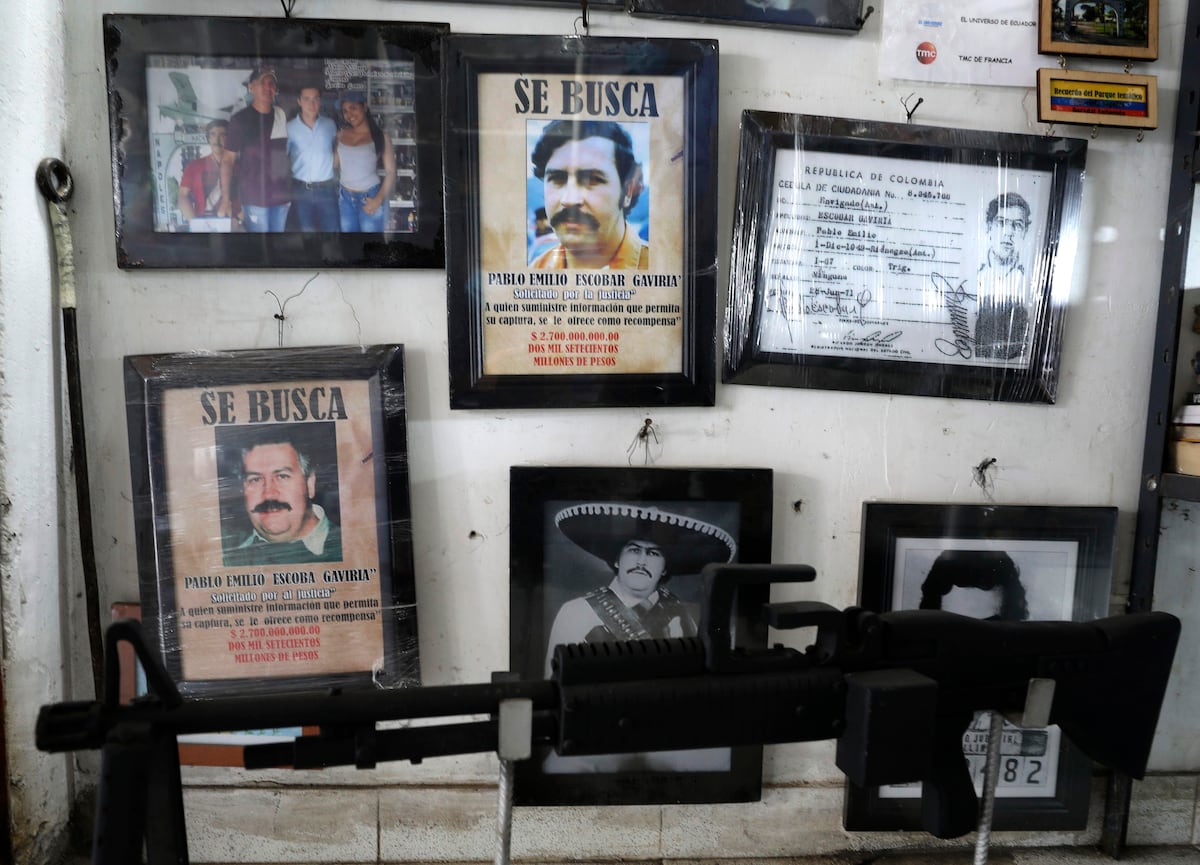
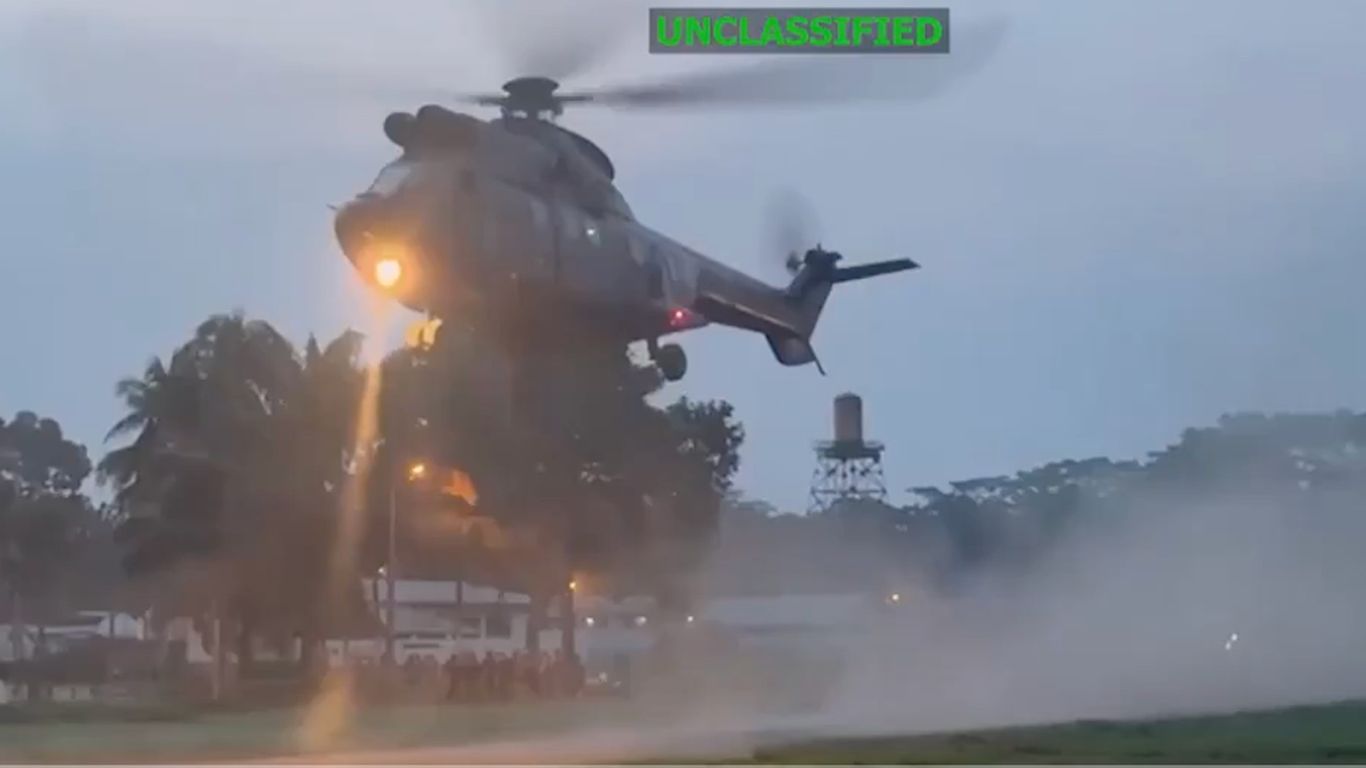
1 month agoU.S., Ecuadorian forces target "narco-terrorists" in Ecuador military operations
The U.S. military has conducted over 40 strikes against drug trafficking in the Caribbean and Pacific in six months, with joint operations expanding in Ecuador and regional allies targeting narco-terrorism.
World politics
fromFortune
4 weeks agoTrump calls on regional leaders at 'Shield of the Americas' summit to use their militaries against drug cartels | Fortune
Trump urged Latin American leaders to use military force against drug cartels and transnational gangs, comparing the effort to the U.S.-led coalition against ISIS in the Middle East.
World news
fromwww.eastbaytimes.com
1 month agoUS and Ecuador launch military operation against organized crime groups
Ecuador and the United States launched joint military operations against organized crime and designated terrorist organizations amid Ecuador's escalating violence from drug trafficking and illegal mining.
World politics
fromwww.theguardian.com
1 month agoDismay as Hegseth urges Latin American allies to join offense' against cartels
The Trump administration threatens unilateral military action against drug cartels in Latin America if countries don't adopt more aggressive approaches, while pursuing broader geopolitical and resource interests in the region.
US politics
fromenglish.elpais.com
1 month agoColombian lawmaker denounces migrant detention conditions in the US: We're dealing with a humanitarian crisis'
A Colombian congresswoman documented severe mistreatment and poor conditions at U.S. detention centers holding Colombian migrants, prompting calls for emergency deportation proceedings and international verification.
World news
fromwww.mediaite.com
1 month agoU.S. Expands Drug Boat Bombing With Military Op Against Terrorist' Group In Ecuador
The United States conducted a joint military operation with Ecuador against a terrorist organization, expanding Trump's anti-narcotics campaign that has resulted in over 100 casualties through 44 strikes since September.
World politics
fromwww.dw.com
1 month agoUS urges Latin America to use military against drug cartels
Pentagon chief Hegseth convened a cartel-focused security conference with conservative Latin American allies, pledging aggressive military action against drug trafficking organizations and warning that the US will act unilaterally if necessary.

World news
fromwww.mercurynews.com
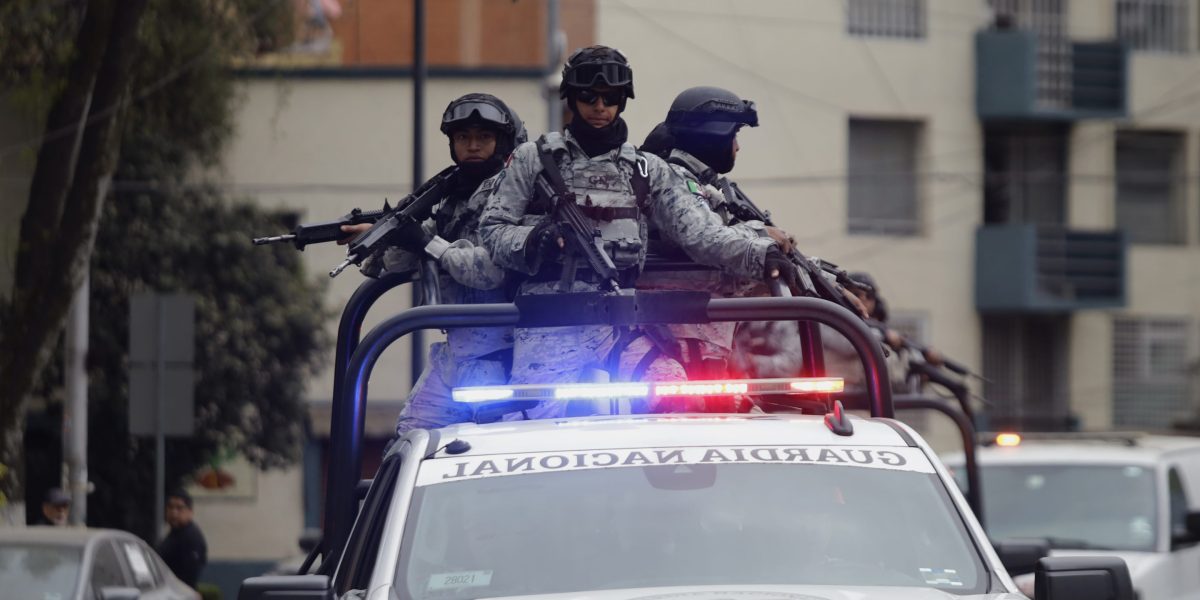
1 month agoDePetris: How El Mencho's death in Mexico could make drug cartel violence worse
El Mencho's killing represents Mexico's biggest security victory since capturing El Chapo, but his death may paradoxically worsen narcotrafficking violence through cartel fragmentation and succession conflicts.
Social justice
fromFortune
1 month agoI've studied nonviolent resistance in war zones for 20 years and Minnesota reminds me of Colombia, the Philippines and Syria | Fortune
Organized, disciplined nonviolent community action and mutual aid can protect migrants from violent immigration enforcement but requires courage and carries real risk.
fromwww.theguardian.com
1 month agoThe rise of the cocaine submarine podcast
These semi-submersible boats have been used for years by drug gangs to smuggle cocaine from South and Central America. In more recent months as the price of cocaine has plummeted, gangs have changed tactics: instead of letting the boats sink on delivery, they have started to reuse the vessels, setting up a refuelling platform at sea and sending the boats back so they can make as many journeys as possible.
Miscellaneous
fromwww.aljazeera.com
1 month agoLatin America: In the Shadow of the US | Ep 2 Wars
The 1980s bring revolutionary wars, CIA-backed conflict and the violent birth of a new democratic era. Episode 2: Wars begins with Nicaragua's Sandinista revolution, which promised egalitarian transformation through literacy crusades. But civil war erupted as United States President Ronald Reagan's administration covertly backed the Contra rebels, plunging the nation into turmoil and suffering. Panama transitioned from Omar Torrijos's diplomatic triumphs over the Panama Canal to Manuel Noriega's sinister collaboration with both the CIA and drug cartels.
US politics


fromwww.theguardian.com
1 month agoKilling of Mexican drug cartel boss El Mencho' sparks wave of violence
Whole areas of western Mexico have been all but shut down after a surge in cartel violence sparked by a military raid that killed one of the world's most wanted drug traffickers, known as El Mencho. Schools were closed in several Mexican states, and foreign governments warned their citizens to stay inside after the drug lord, whose real name is Nemesio Ruben Oseguera Cervantes, was declared dead on Sunday.
World news
fromwww.aljazeera.com
2 months agoColombia prepares for refugee influx after US strikes on Venezuela
At the Simon Bolivar International Bridge, which spans the Tachira River separating Colombia and Venezuela near the border city of Cucuta, vehicle and foot traffic flowed normally on Monday despite an increased military presence, which included three parked Colombian M1117 armoured security vehicles. But with United States President Donald Trump threatening more attacks if newly sworn-in interim leader Delcy Rodriguez does not behave, an uneasy calm has settled over the border region, and Colombia is preparing for the worst.
US politics
fromenglish.elpais.com
1 month agoWhite House steps up pressure on Colombia over Serbian drug lord Antun Mrdeza
A meeting between two drug traffickers in the Amazon jungle region of Putumayo has become a new lever of pressure for Donald Trump on the governments of Colombia and Venezuela. A U.S. intelligence report reveals that Giovanny Andres Rojas aka Arana, the top leader of the Border Commandos and currently imprisoned in La Picota prison in Bogota, is making illegal deals with the Serbian kingpin Antun Mrdeza, who has been held in Venezuela since 2025.
World news
fromwww.aljazeera.com
2 months agoClashes in Colombia between rival rebel groups kill 27 people
The two groups have been fighting for control of the Guaviare region of the Amazon, a region strategic for cocaine production and trafficking. At least 27 members of a leftist rebel group have been killed in clashes in central Colombia with a rival faction, according to military authorities, at a time of heightened tension in the region under the pall of United States military action in Venezuela and threats against Colombia.
World news
fromwww.aljazeera.com
1 month agoColombia to resume peace talks with ECG after temporary suspension
Colombia's government has announced it will resume peace talks with the powerful Gulf Clan, also known as the Gaitanist Self-Defence Forces (ECG), after the criminal group expressed concern about a recent deal with the United States. Tuesday's announcement addresses a temporary suspension the Gulf Clan announced earlier this month, in the wake of a meeting between Colombian President Gustavo Petro and his US counterpart, Donald Trump.
World news
fromenglish.elpais.com
2 months agoThe ELN shows no sign of letting up on the Venezuelan border, with its rearguard in jeapordy following Maduro's downfall
Gustavo Petro's rise to power once again sparked hopes that the elusive goal of peace with the ELN, pursued by nearly every Colombian government this century, was finally attainable. The leftist president even signed an unprecedented six-month ceasefire with guerrilla commander Antonio Garcia in mid-2023, the first milestone in the now-weary policy of total peace.
World news
World news
fromwww.theguardian.com
2 months agoColombian ex-paramilitary leader jailed for crimes against Indigenous groups
Salvatore Mancuso received a 40-year prison sentence for 117 crimes against Indigenous communities in La Guajira, potentially reducible to eight years with victim-centered collaboration.
World news
fromenglish.elpais.com
2 months agoThe discovery of Camilo Torres' body revives one of the most sensitive issues in Colombia's internal conflict
Forensic experts confirmed identification of Camilo Torres's remains, resolving a decades-long mystery about his 1966 death and closing a chapter in Latin American armed struggle.
World news
fromwww.theguardian.com
2 months agoThey survived conquistadors and settlers. Now the Arhuaco are facing an even greater threat
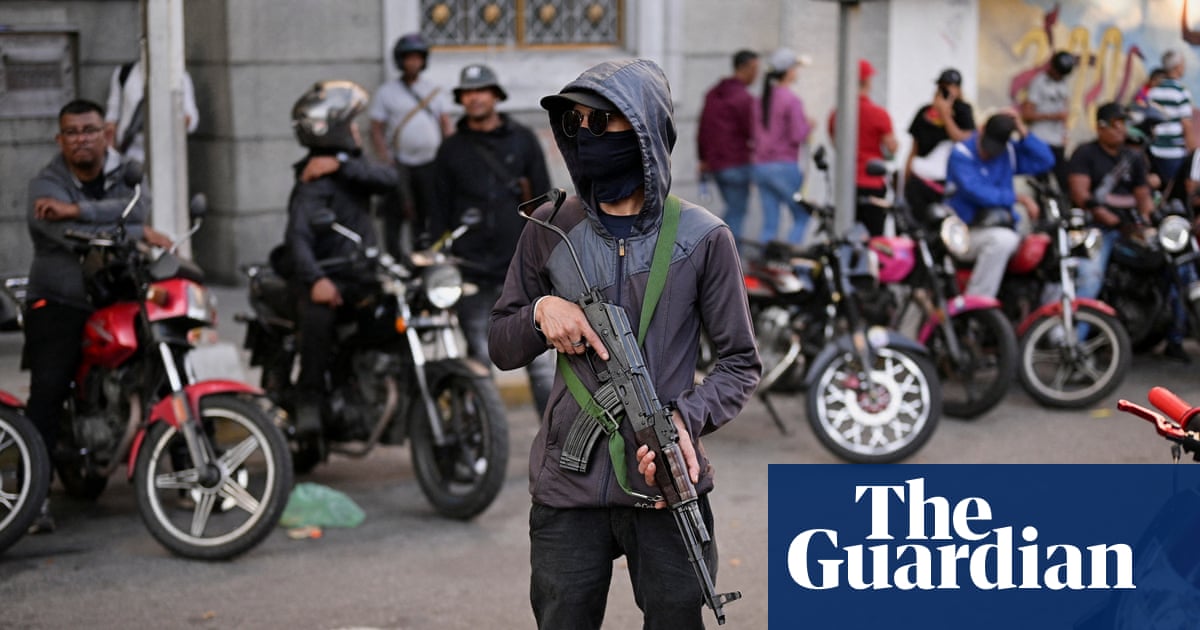
Arhuaco face escalating violence as paramilitaries, guerrillas, and traffickers seize Sierra Nevada territory to control drug routes, coca regions, and illicit mineral extraction.
fromwww.theguardian.com
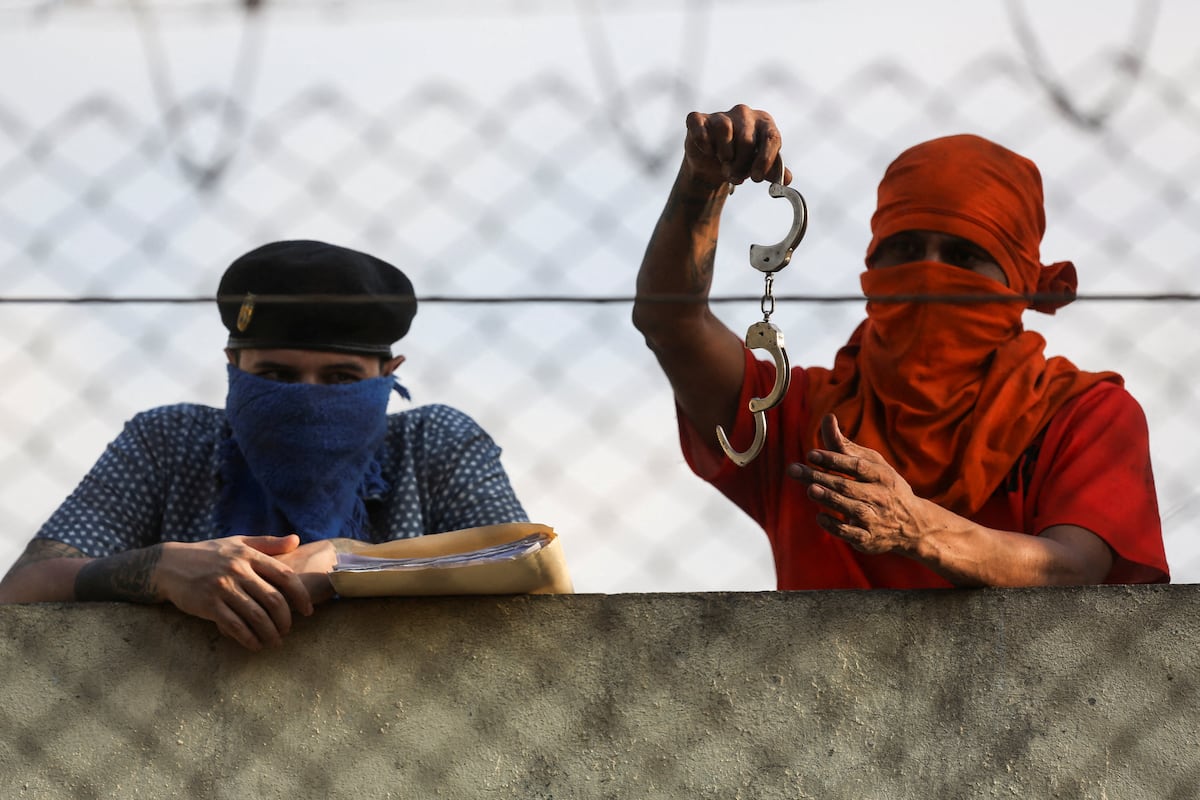
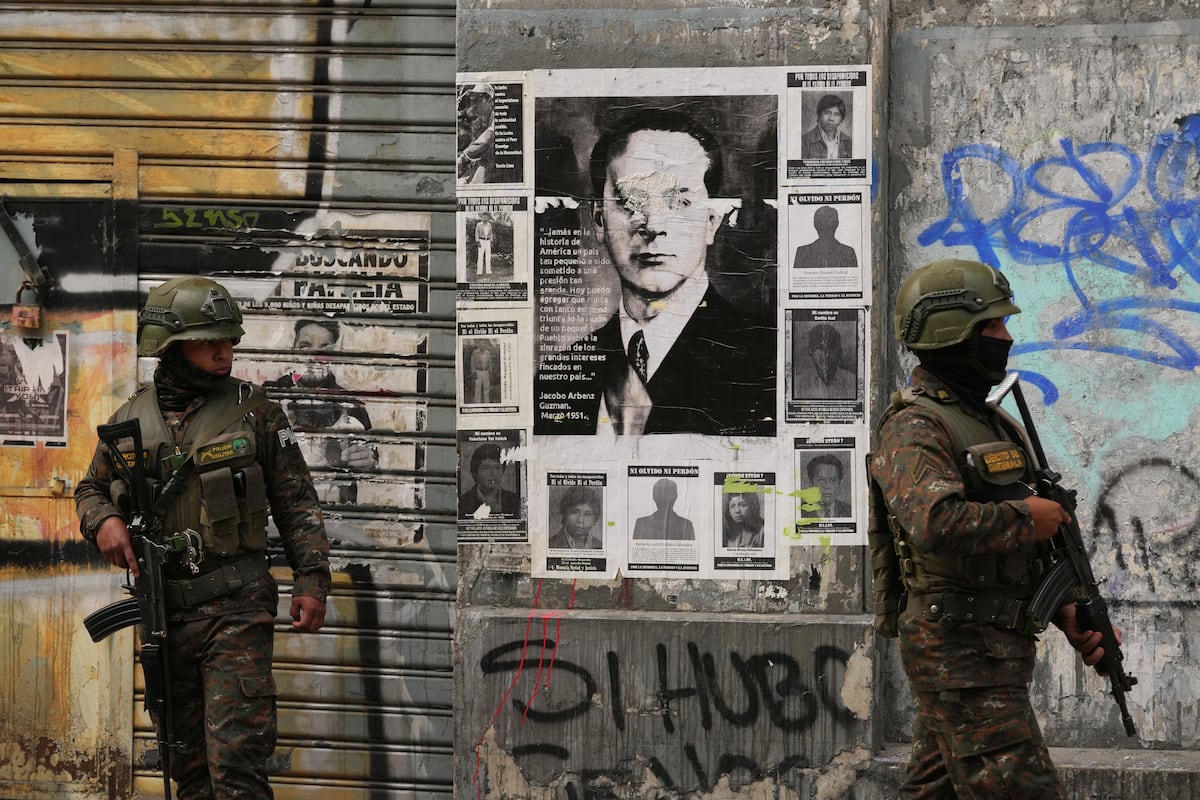
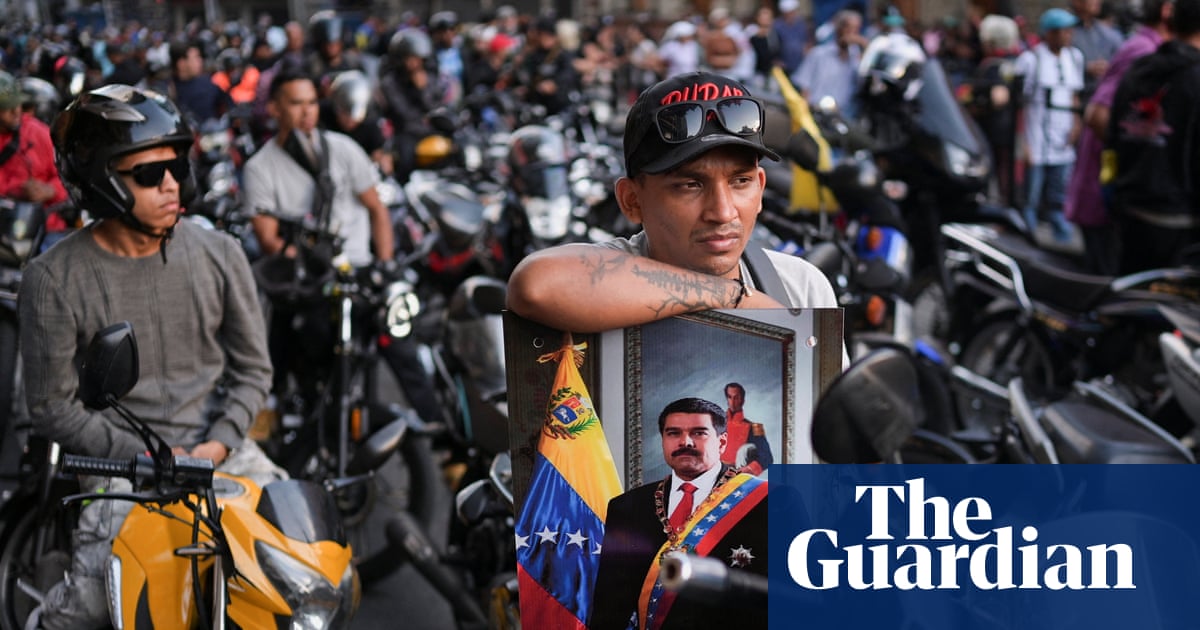
2 months agoAs Colombia moves to outlaw cockfighting, a bloody night unfolds in Cartagena
On the outskirts of Cartagena far from the brightly coloured facades of the old city and the 500-year-old fortress walls overlooking the Caribbean a crowd of about 300 people erupted into a roar. Given Colombians' passion for football, it could have been the celebration of a goal. But the cheers followed the bloody climax of bout in a cockfighting ring whose white padded walls were now splattered with blood.
World news
fromwww.theguardian.com
2 months agoOut with the Yanks!': Thousands protest in Colombia as anger builds over Trump's intervention in Venezuela
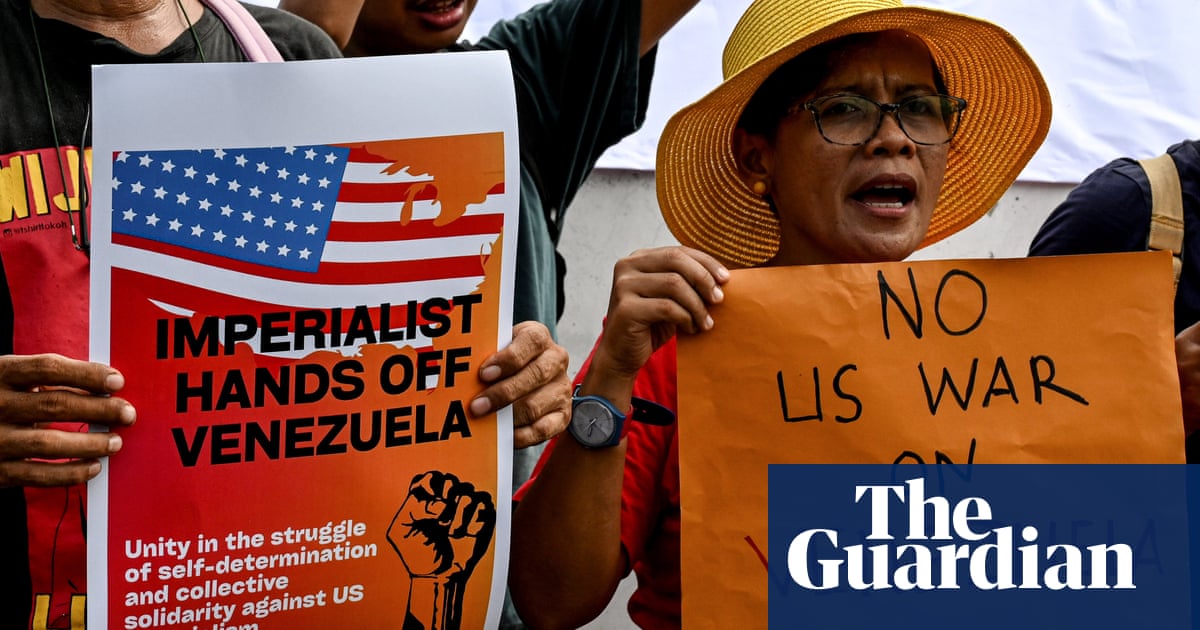
Thousands of protesters have taken to the streets of cities across Colombia to decry Donald Trump's threats to expand his military campaign in South America into their territory, after last weekend's deadly attack on Venezuela. In Cucuta, a city on Colombia's eastern border with Venezuela, several hundred demonstrators marched towards its 19th century cathedral waving the country's yellow, blue and red flag and shouting: Fuera los yanquis! (Out with the Yanks!)
World news
World news
fromenglish.elpais.com
1 month agoJuan Manuel Santos, former president of Colombia: The world is on the wrong track'
Juan Manuel Santos remains highly active internationally, promoting Colombia's peace process, engaging with former FARC communities, and warning about growing global risks like nuclear tensions.
fromenglish.elpais.com
2 months agoLa Union Tepito, the cartel enriching itself through Tren de Aragua's sexual exploitation networks
Their attackers had tried to burn them to cover their tracks, but the double femicide left no doubt: it bore the mark of the Tren de Aragua criminal organization. In the wake of the crime, investigations and news reports about the Venezuelan gang followed. And arrests began. Although the Mexico City Security Secretariat tried to downplay its role, police operations proved that this criminal network, after spreading across the continent, was already operating in Mexico.
World news
[ Load more ]