#paratroop-deployment
#paratroop-deployment
[ follow ]
#us-military #iran #military-training #military-deployment #search-and-rescue #military-history #us-army

fromwww.businessinsider.com
3 days agoHere's how US combat search-and-rescue crews save downed fighter pilots in the middle of a war
Air Force combat search-and-rescue, also known as CSAR, is the military's force dedicated to rescuing downed aircrew. Combat search-and-rescue missions are dangerous under the best of conditions, ideally on dark nights with no moonlight.
Roam Research


History
from24/7 Wall St.
3 weeks ago25 Weapons That Changed Warfare Over the Last Century
Technological breakthroughs over the last century transformed warfare by introducing tanks, missiles, stealth aircraft, and precision-guided weapons that forced armies to continuously adapt tactics and reshape military doctrine globally.
Russo-Ukrainian War
fromwww.businessinsider.com
2 weeks agoUkraine says its 'red' team forces beat NATO's 'blue' team forces in every combat scenario during recent naval drone drills
Ukrainian naval drones defeated NATO forces in a recent naval combat drill off Portugal, showcasing their strategic advantage in modern warfare.
from24/7 Wall St.
3 weeks agoThe Warplanes and Ordinance That Carried Out Operation Epic Fury
Air campaigns today are built around cooperation between many different aircraft, each performing a specific task. Stealth fighters lead the way into contested airspace, electronic warfare aircraft disrupt enemy radar, and bombers or strike fighters deliver precision weapons. Supporting aircraft provide intelligence, command and control, and the fuel needed to keep the entire operation moving.
Roam Research
US news
fromBusiness Insider
4 weeks agoThe survival training that kicks in after a US pilot is shot down
Pilot survival training through ejection preparation is critical because improper body positioning during emergency ejection can cause severe injury or death, as demonstrated by a recent friendly-fire incident involving three F-15E Strike Eagles.
fromLondon Business News | Londonlovesbusiness.com
1 month agoElite British and French paratroopers finish deployment training for Ukraine - London Business News | Londonlovesbusiness.com
Exercise Orion involved around 2,000 personnel from both British and French forces, focusing on rapid deployment, interoperability, and strengthening NATO's readiness against potential threats of insurgency and invasion, demonstrating the strategic importance of these drills.
Miscellaneous
World news
fromLondon Business News | Londonlovesbusiness.com
3 weeks agoUS Special Operations Forces aircraft deploy from RAF Mildenhall as war intensifies in Middle East - London Business News | Londonlovesbusiness.com
US Special Operations Forces MC-130J aircraft deployed from RAF Mildenhall equipped with advanced radar for low-level missions supporting Middle East operations amid escalating Iran tensions.
fromBusiness Insider
1 month agoThere's a new US Army office 'getting in the dirt' with soldiers and trying to quickly turn their ideas into real battlefield tech
Number one is speed takes priority over perfection. We can iterate to get to operational capability. And the second is that early soldier feedback is critical in order to make sure we're getting the right technology for the future fight, and then we want to be able to prove the demand signal before we spend big dollars on programs.
US news
Miscellaneous
from24/7 Wall St.
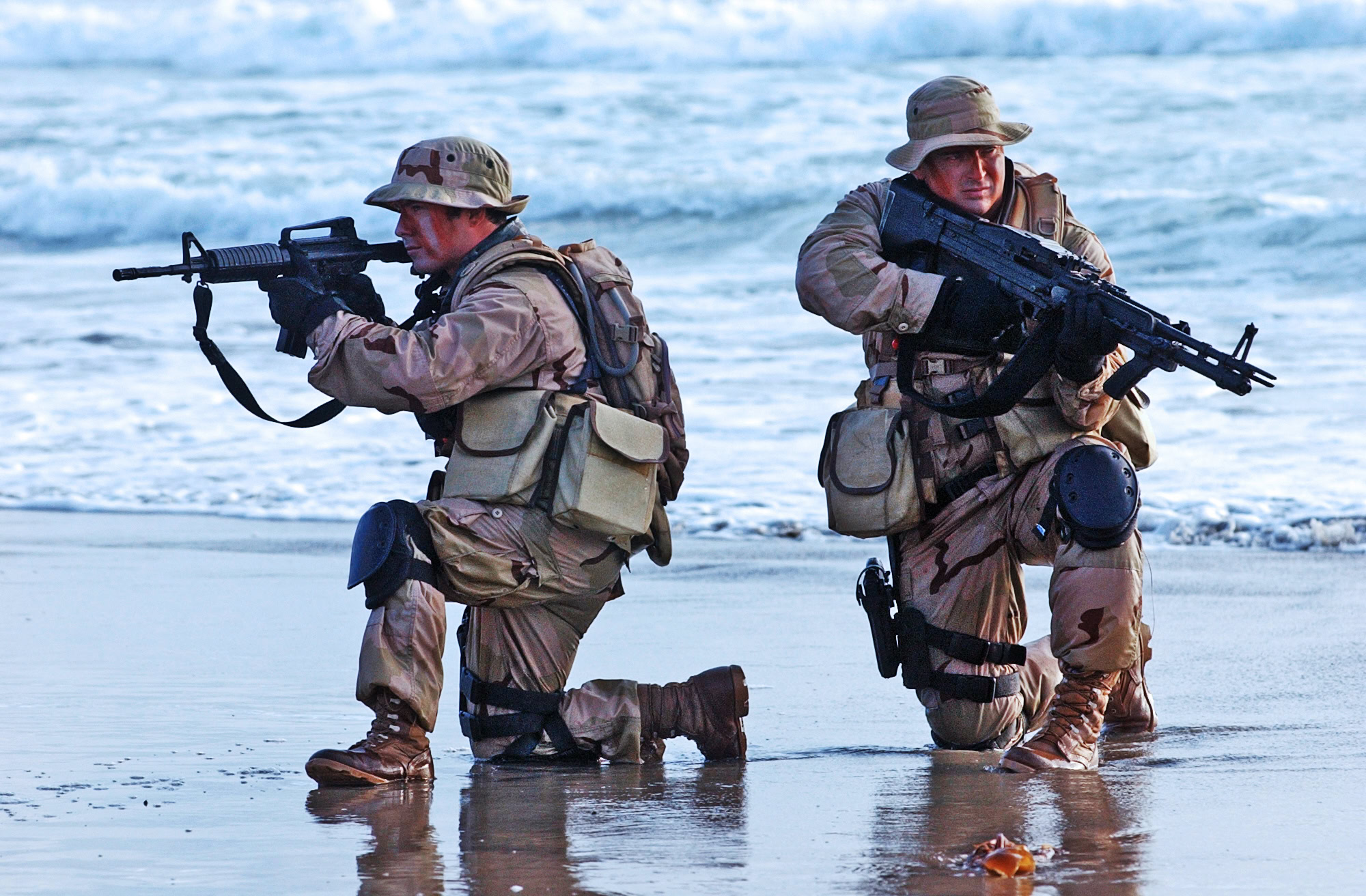
1 month agoThe Firearms That Gave Navy SEALs an Edge in Urban Combat
Navy SEAL firearms for urban combat are specifically selected based on operational experience to provide speed, precision, and reliability in close-quarters environments where reaction time is critical.
US news
fromJezebel
1 month agoNow the Military Is Apparently Shooting Down Border Patrol's Own Drones
The Department of Defense repeatedly used laser anti-drone technology without FAA coordination, destroying a Border Patrol drone and causing unnecessary airspace shutdowns based on misidentified threats.
Gadgets
fromBusiness Insider
1 month agoThe Army's new drone competition is really a talent hunt. It's scouting out what makes a top drone pilot.
The Army uses competitions to identify and select specialized drone operators with specific aptitudes instead of broadly training all soldiers to pilot unmanned aircraft.
fromwww.theguardian.com
1 month agoDivert, turn back or fly around: what it's like to be a pilot when missiles start crossing your flight path
You're stuck in that airplane until you land safely, the veteran Australian pilot says. Amid the expanding war in Iran with missiles piercing the skies over the Middle East pilots' regimented routes have been thrown into chaos. They've been forced to turn planes around mid-flight or squeeze into narrowing air corridors, with hundreds of lives in their hands.
World news
fromBusiness Insider
2 months agoA NATO fighter wing showed up for front-line air patrols with drone defenses for the first time
ŠIAULIAI AIR BASE, Lithuania - A Spanish fighter wing deployed to the Baltics for air patrol missions alongside anti-drone defenses for the first time, a reaction to growing uncrewed threats to European infrastructure. Spain's 15th Wing arrived at Šiauliai Air Base in December to begin a four-month rotation contributing to NATO's Baltic Air Policing mission, designed to protect the airspace around Lithuania, Latvia, and Estonia. The Crow counter-drone system came with it.
Careers
from24/7 Wall St.
2 months agoMilitary Aircraft That Only Succeeded Because of Their Skilled Crews
Some aircraft succeeded even though they made life harder for the people flying them. They demanded constant attention, punished mistakes, and left little margin for error. Instead of relying on forgiving design, these platforms forced crews to compensate through skill, planning, and coordination. Over time, combat proved that the human element was the decisive factor behind their success. Here, 24/7 Wall St. is taking a closer look at these aircraft that embodied the human factor.
History
fromwww.dw.com
2 months agoGermany news: Reservist union head wants troops in Greenland
Guten morgen from Bonn, where the snow and ice from the weekend have given way to cloudy skies and rain. In this blog, we will bring you the latest news from and about Germany, including calls from the head of the country's Armed Forces reservist association for European and German troops to be deployed to Greenland to ward off threats of annexation from the US and President Donald Trump.
Germany news
fromInfoWorld
2 months agoStop treating force multiplication as a side gig. Make it intentional
Lead without authority. You may not have direct reports, yet you shape architecture, quality and the roadmap. Your leverage comes from artifacts, reviews and clear standards, not from title.I started by publishing a lightweight architecture template and a rollout checklist that the team could copy. That reduced ambiguity during design and cut review cycles by nearly 30 percent
DevOps
US politics
fromFortune
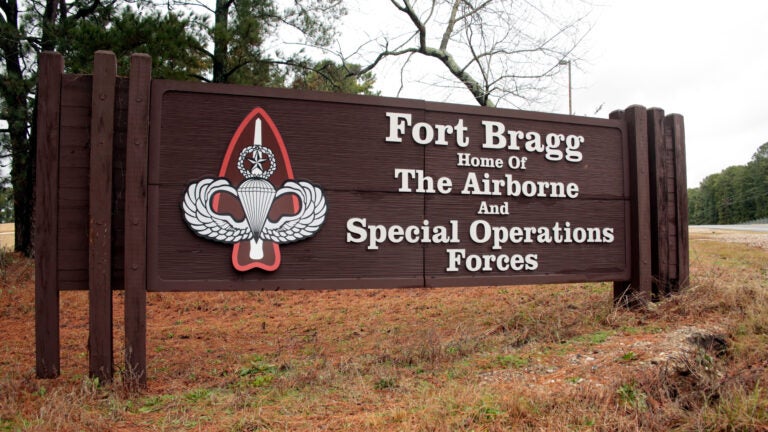
2 months agoArmy readies 1,500 paratroopers specializing in arctic operations for possible deployment to Minnesota if Trump invokes Insurrection Act | Fortune
About 1,500 active-duty soldiers were placed on standby for potential deployment to Minnesota pending invocation of the Insurrection Act amid an immigration enforcement operation.
fromwww.aljazeera.com
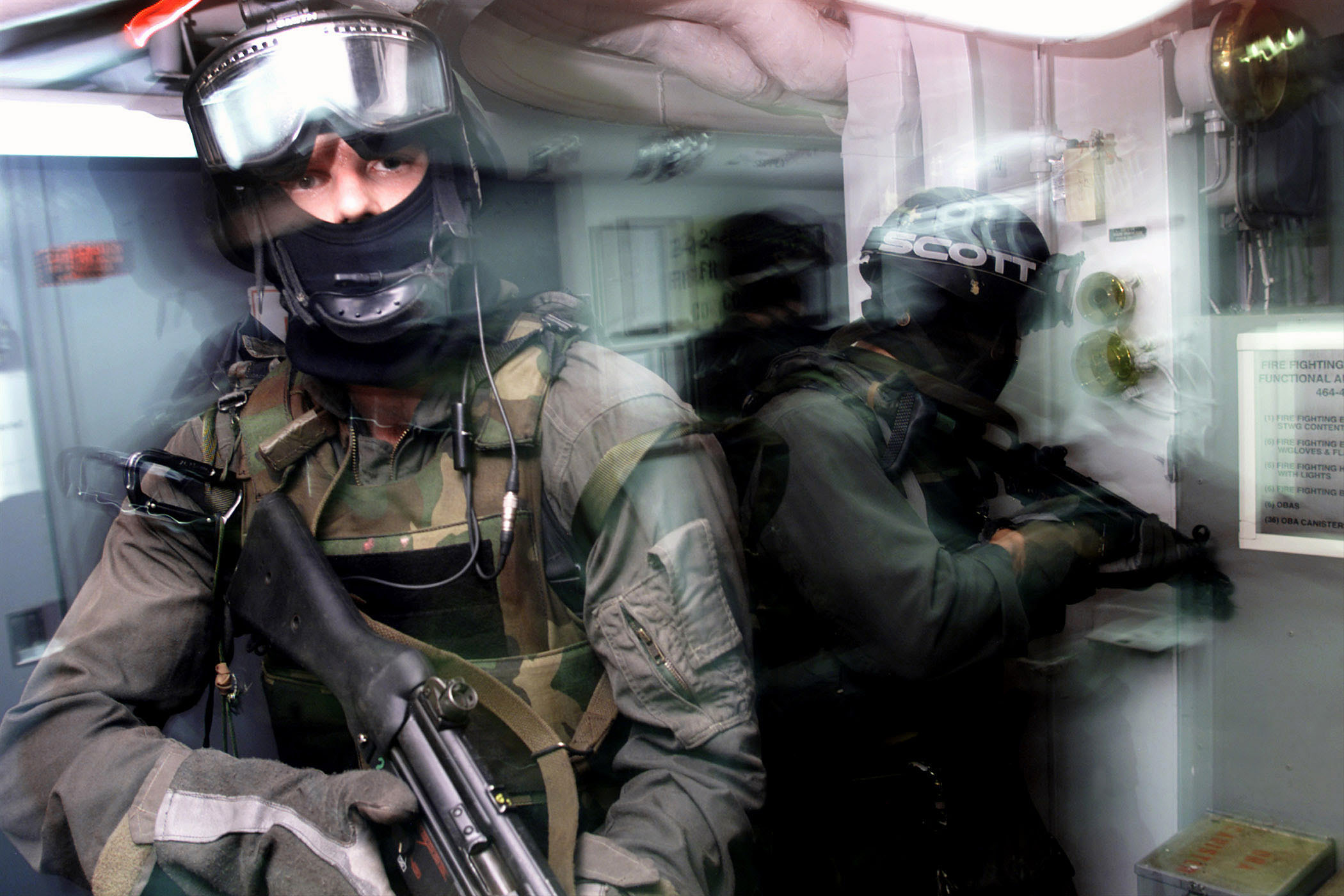
2 months agoUS military moves Navy, Air Force assets to the Middle East: What to know
Trump said on Thursday that a US armada is heading towards the Gulf region with Iran being its focus. US officials said an aircraft carrier strike group and other assets are to arrive in the Middle East in the coming days. We're watching Iran. We have a big force going towards Iran, Trump said. And maybe we won't have to use it. We have a lot of ships going that direction.
World politics
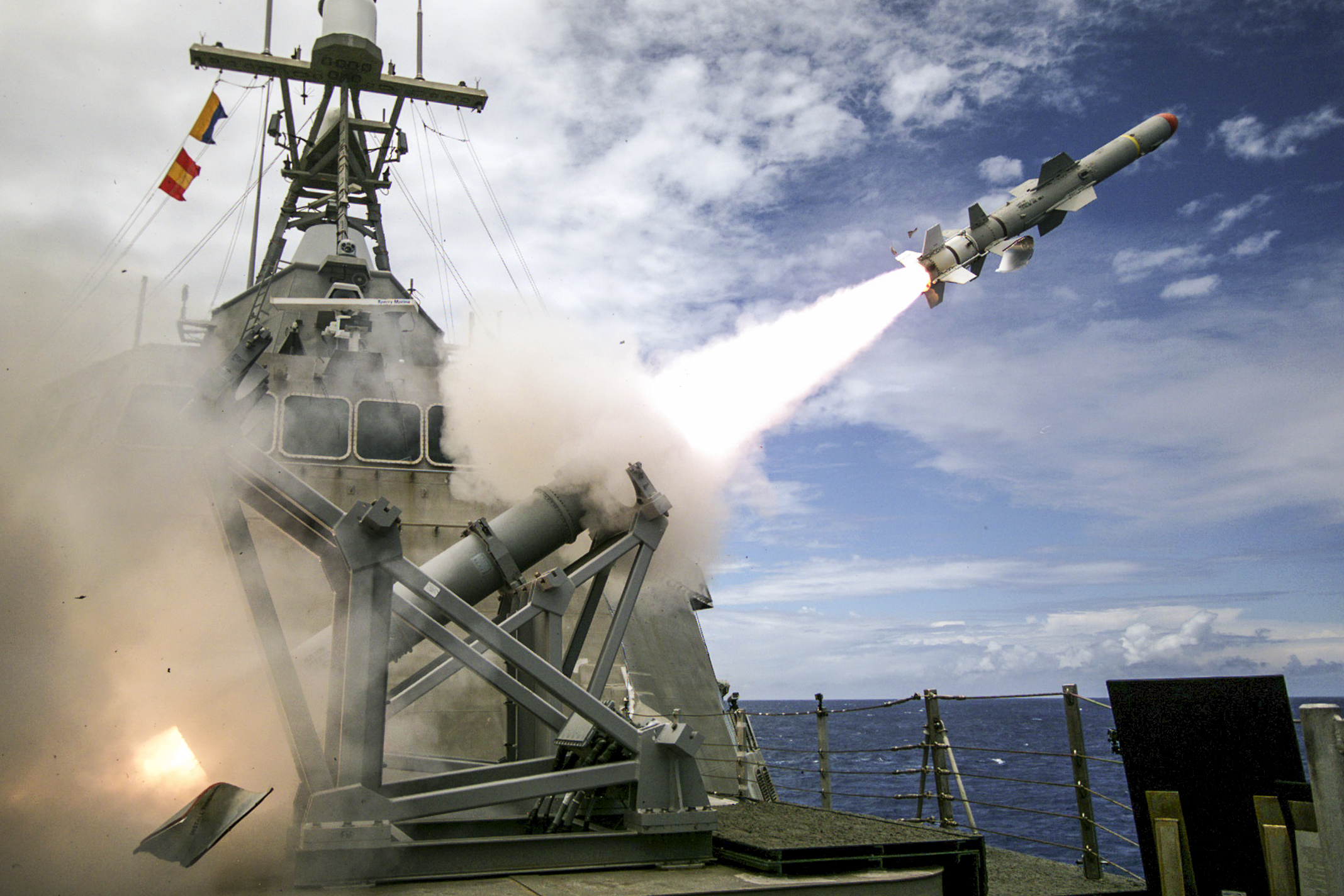
from24/7 Wall St.
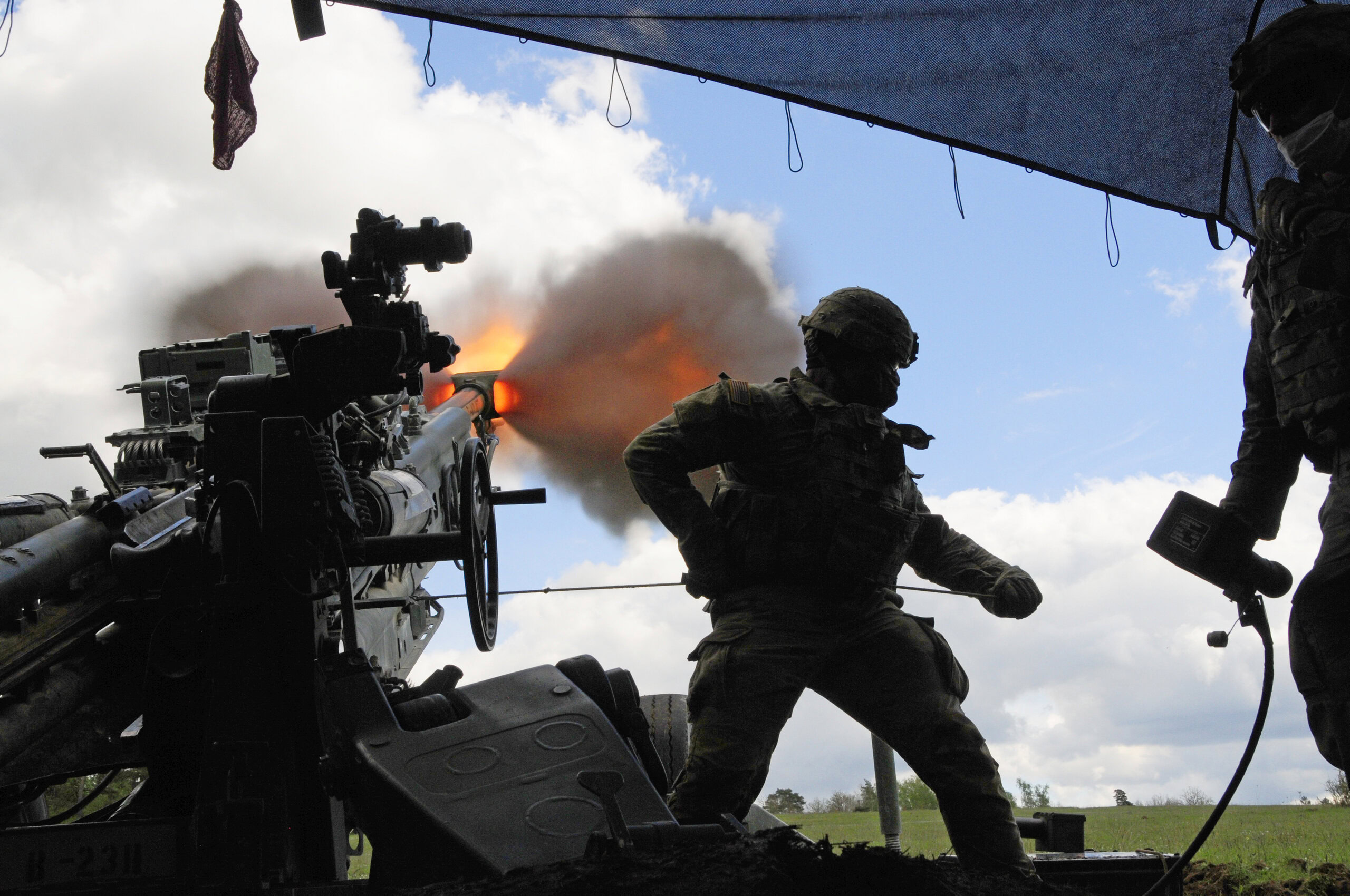
2 months agoFirearms That Required Extensive Training to Use Effectively
Military history is filled with firearms that looked formidable on paper but proved far less impressive in the hands of average troops. In many cases, the issue was not flawed engineering, but unrealistic assumptions about training and doctrine. Some weapons were built with elite users in mind, soldiers who could manage the weapon and tactical nuance at a level most forces never reached.
History
from24/7 Wall St.
2 months agoHow Precision Sniper Technology Reduced the Need for Massed Infantry
Infantry once relied on numbers to solve uncertainty. When soldiers could not see or hit targets precisely, the answer was more troops and more fire. Sniper technologies quietly overturned that logic. By extending range, improving accuracy, and increasing awareness, they allowed small teams to dominate space once controlled only by massed formations. Precision replaced presence, and patience became a battlefield advantage. Here, 24/7 Wall St. is taking a look at the sniper technologies that totally changed the game.
Science
from24/7 Wall St.
2 months agoThe Sniper Systems That Performed Better in Combat Than Anyone Predicted
Snipers often discover a weapon's true potential only after it leaves the range and enters combat. Dust, cold, heat, and chaos expose weaknesses, but sometimes they reveal strengths no one planned for. Across multiple wars, certain sniper systems proved tougher, more accurate, and more versatile than expected, allowing operators to push ranges and missions far beyond the original design brief. Here, 24/7 Wall St. is taking a closer look at sniper systems that exceeded expectations in combat.
History
US news
fromBusiness Insider
1 month agoWest Coast Marines want to train 500 new drone pilots a year in a crash course on everything from flying to explosions
Marines run a 15-day drone pilot course training aerial navigation, attack drone operation, and safe explosive payload preparation, aiming to certify 500 operators annually.
from24/7 Wall St.
2 months agoWeapons That Performed Well Except For Desert, Jungle, or Arctic Conditions
On paper, many of the world's most famous weapons looked like reliable successes. In practice, desert sand, jungle humidity, and arctic cold often had other ideas. Systems that performed well in testing or early combat sometimes broke down once environmental stress became unavoidable. Here, 24/7 Wall St. is taking a closer look at how the environment, not enemy fire, can quietly expose limits that designers never fully anticipated.
World news
US news
fromBusiness Insider
1 month agoThe Air Force changed how gate guards greet people. Troops and civilians on base say they sound like 'Walmart greeters.'
Altus AFB implemented a mandatory gate greeting, prompting ridicule of Defenders and a warning that disrespect toward gate guards will result in accountability.
World news
fromSlate Magazine
2 months agoNATO Is Doing Military Exercises-Without America. That Does Not Mean Anything Good.
Allied countries moved to reduce reliance on the United States in diplomacy, trade, military cooperation, and financial reserves, signaling a potential permanent transatlantic split.
fromwww.theguardian.com
2 months agoUS announces multi-day aerial military drills in the Middle East amid Iran tensions
Air Forces Central, the air component of the US Central Command (CENTCOM), said on Tuesday that it would hold a multi-day readiness exercise to demonstrate the ability to deploy, disperse, and sustain combat airpower across the US Central Command area of responsibility. The exercise was designed to enhance asset and personnel dispersal capability, strengthen regional partnerships and prepare for flexible response execution, Air Forces Central added in a statement.
World news
[ Load more ]