#paratyphoid-fever
#paratyphoid-fever
[ follow ]


fromwww.scientificamerican.com
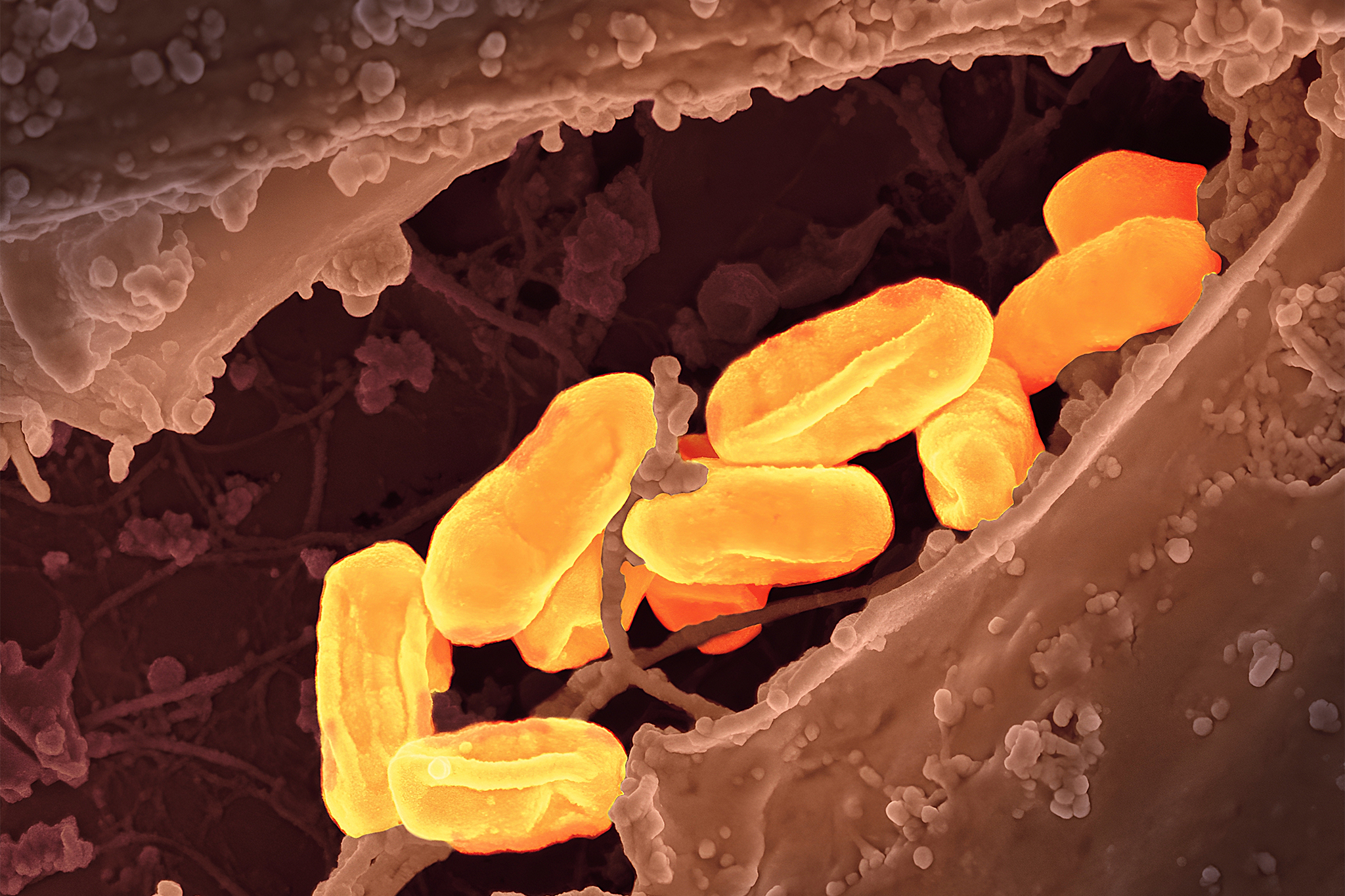
3 weeks agoFirst-of-its-kind vaccine protects children from deadly intestinal infections
In children below the age of five, whose immune systems are still developing, the infections can lead to malnourishment; they cause up to 42,000 deaths annually. Soon there may be a vaccine to protect against these infections. In the Lancet Infectious Diseases last month, scientists shared the results of the first study to evaluate the safety and efficacy of an ETEC-controlling vaccine in a large pediatric population in Gambia.
Public health
Public health
fromTruthout
1 month agoPublic Health Agencies Struggle to Keep Up With Rising Tuberculosis Cases
Tuberculosis cases and containment costs are rising nationwide, with Johnson County, Iowa experiencing a tripling of latent infections and costs surging from $17,000 to $65,000 annually, while state funding for contact tracing has been withdrawn.


fromNature
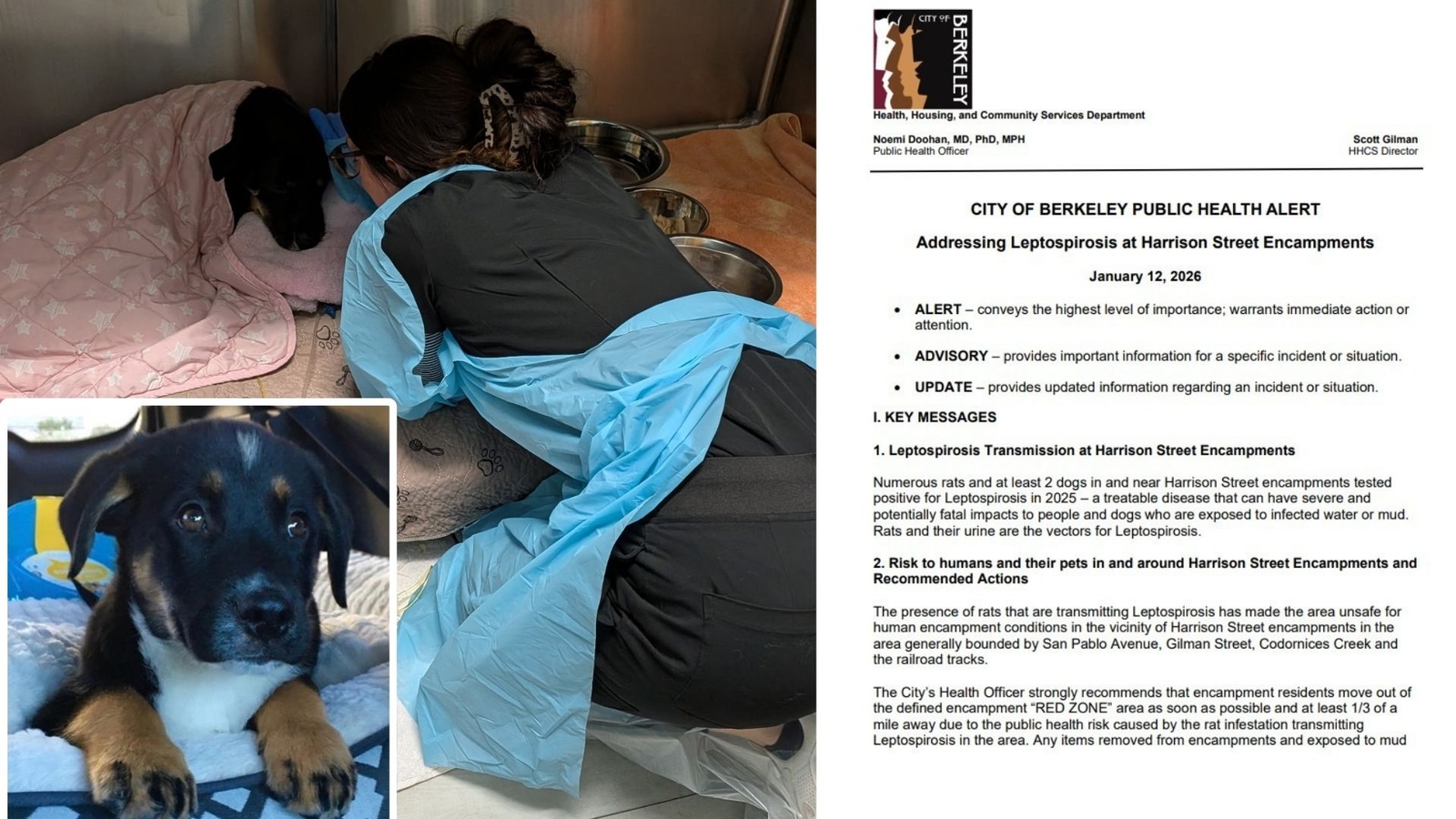
1 month agoAfrican countries must take control of health policy
There is little doubt that this is what African countries need if they are serious about universal health coverage - ensuring that every member of their populations has access to this fundamental human right. But such an approach has never been implemented in Africa. Some of the reasons for this are outlined in a report on health financing by the Africa Centres for Disease Control and Prevention (Africa CDC), the continent's public-health agency based in Addis Ababa, published last week (see go.nature.com/3o9wxfc).
Public health
fromThe Mercury News
2 months agoWhat to know about tuberculosis in the Bay Area after outbreak at high school
Tuberculosis is a bacteria that usually attacks the lungs, infecting the air sacs where they multiply and spread. If the infection is not contained by the body's immune response, the bacteria destroys lung tissue which can trigger chest pain and coughing up of mucus or blood. Eventually, infection can spread throughout the body via the bloodstream, often to the kidneys, liver and heart muscles.
Public health
[ Load more ]