#parliamentary-gridlock
#parliamentary-gridlock
[ follow ]
#government-shutdown

US politics
fromwww.mediaite.com
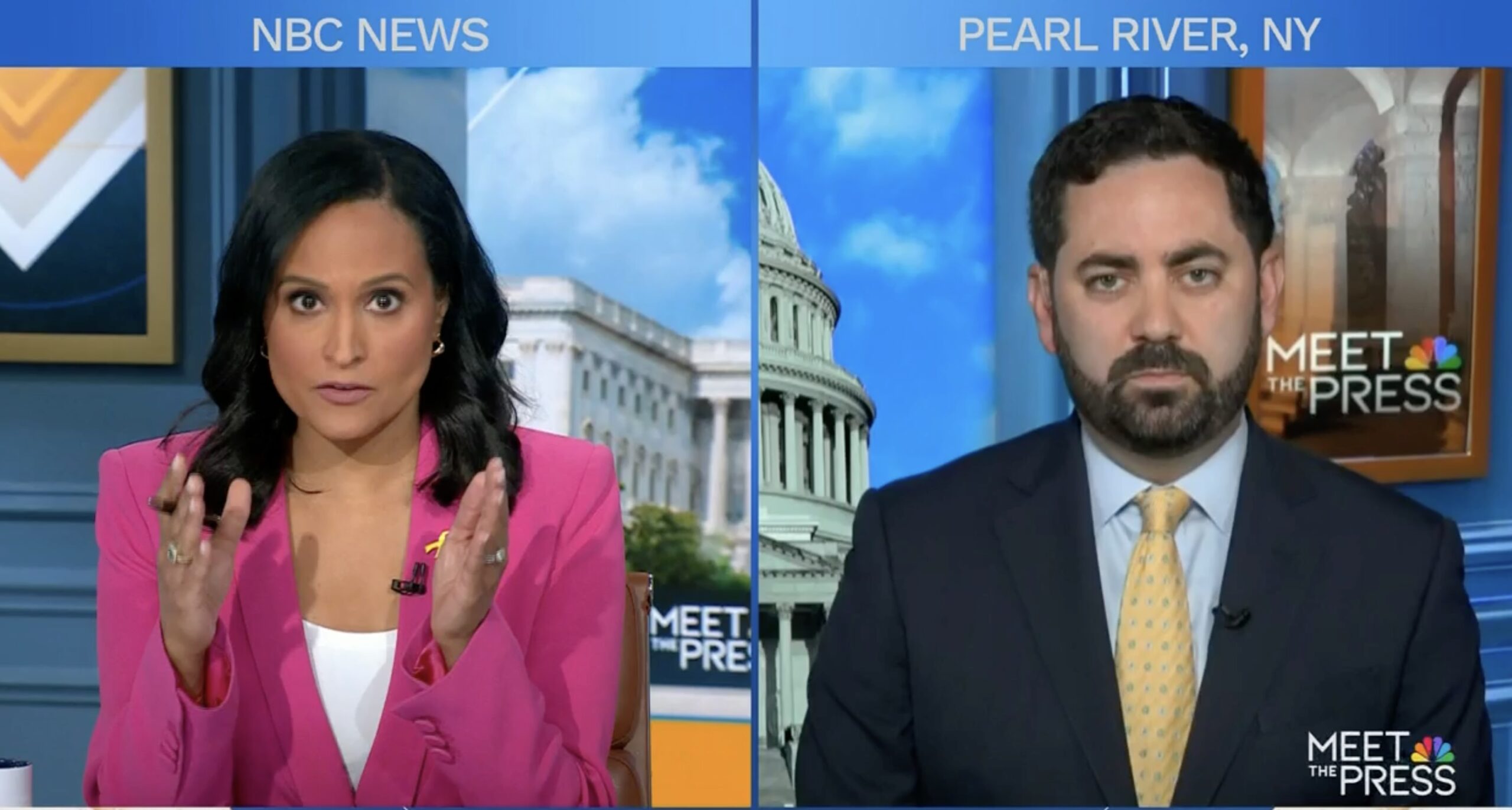
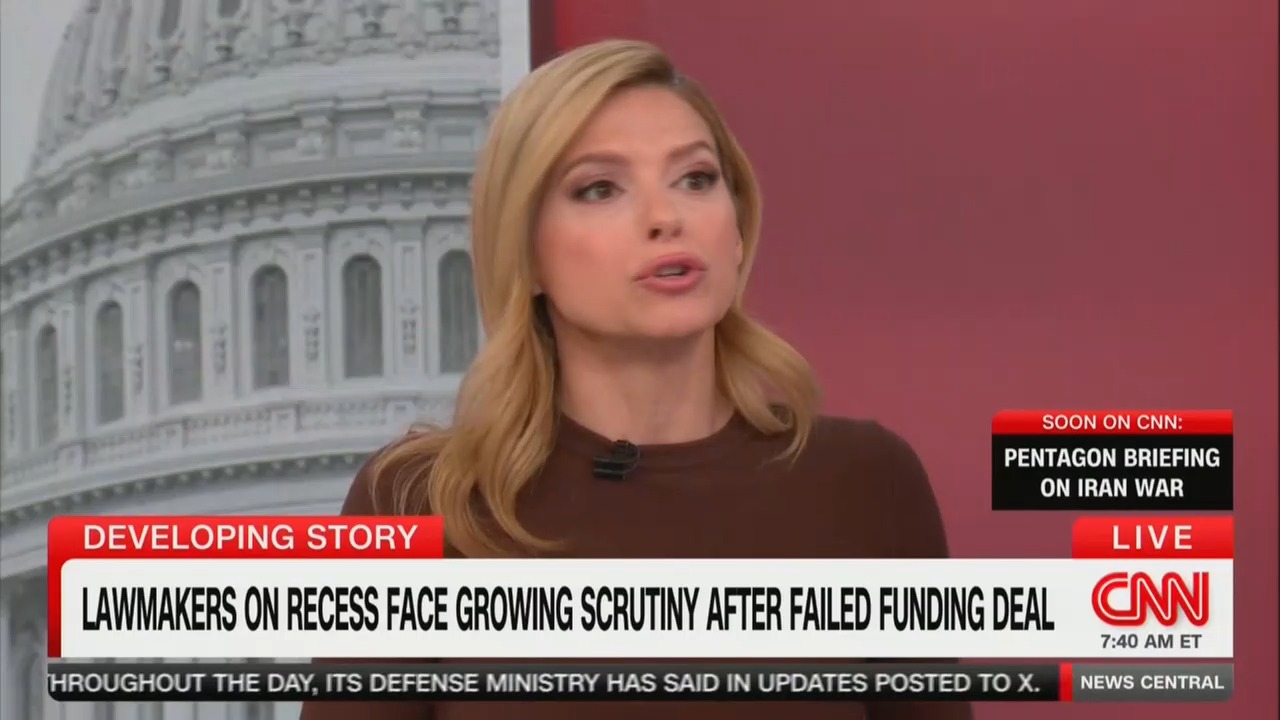
5 days agoCNN Anchor Confronts House Democrat Over Congress Getting Paid During DHS Shutdown: Americans Feel You Guys Just Don't Get It'
The ongoing government shutdown is causing significant public frustration and hardship, with calls for Congress to feel the impact of their decisions.

Intellectual property law
fromPatently-O
1 week agoBipartisan Skepticism Greets Director Squires at First House Oversight Hearing
The House Judiciary Subcommittee hearing addressed various USPTO issues under Director John Squires, revealing bipartisan skepticism and concerns over patent quality and IPR changes.

SF politics
fromwww.mediaite.com
2 weeks agoRepublican Congressman Turned Independent Now Says He's Open to Caucusing With Dems
Rep. Kevin Kiley switched to Independent status and remains open to caucusing with Democrats if reelected, while currently maintaining Republican caucus membership due to House rules.

fromPsychology Today
4 weeks agoFilibustering and Delay Strategies That Block Social Justice
Organizational filibustering refers to strategies that delay and obstruct efforts to pursue social justice in systems. These additions can stretch out the process of implementation of diversity strategic plans or multicultural programs for years. Change agents can become battle-fatigued and give up their efforts. They can also become so disheartened that they leave a group or organization altogether.
Social justice



US Elections
fromwww.npr.org
4 weeks agoTrump says he won't sign bills until Congress overhauls voting
President Trump threatened to withhold his signature on all bills until Congress passes the SAVE America Act, which would require voters to prove citizenship with documents like passports or birth certificates.
Left-wing politics
fromwww.theguardian.com
1 month agoThe Your Party committee election was chaos. Why break the habit of a lifetime?
Your Party's internal dysfunction, marked by leadership conflicts, financial misconduct allegations, and organizational chaos, has become embedded in its corporate culture, exemplified by a failed livestreamed election results announcement.
fromPsychology Today
2 months agoHow to Have Better Political Conversations
The principle of intellectual charity is fundamental to constructive political conversations. This principle states that, in any discussion, we should accept the best version of an opponent's ideas, not a distorted version or a "straw man." Exaggeration and distortion of opposing opinions (always present, to some degree, in political debates) have become the standard form of political argument in contemporary America.
Philosophy
US politics
fromAbove the Law
3 weeks agoFrom 'Hold Me In Contempt' To 'Elect Me To Congress' - Above the Law
Former Justice Department attorney Julie Le, who criticized the immigration system's workload demands, is now running for Congress in Minnesota's 5th District as a Democrat challenging Ilhan Omar.
#voter-id-legislation
US politics
fromwww.mediaite.com
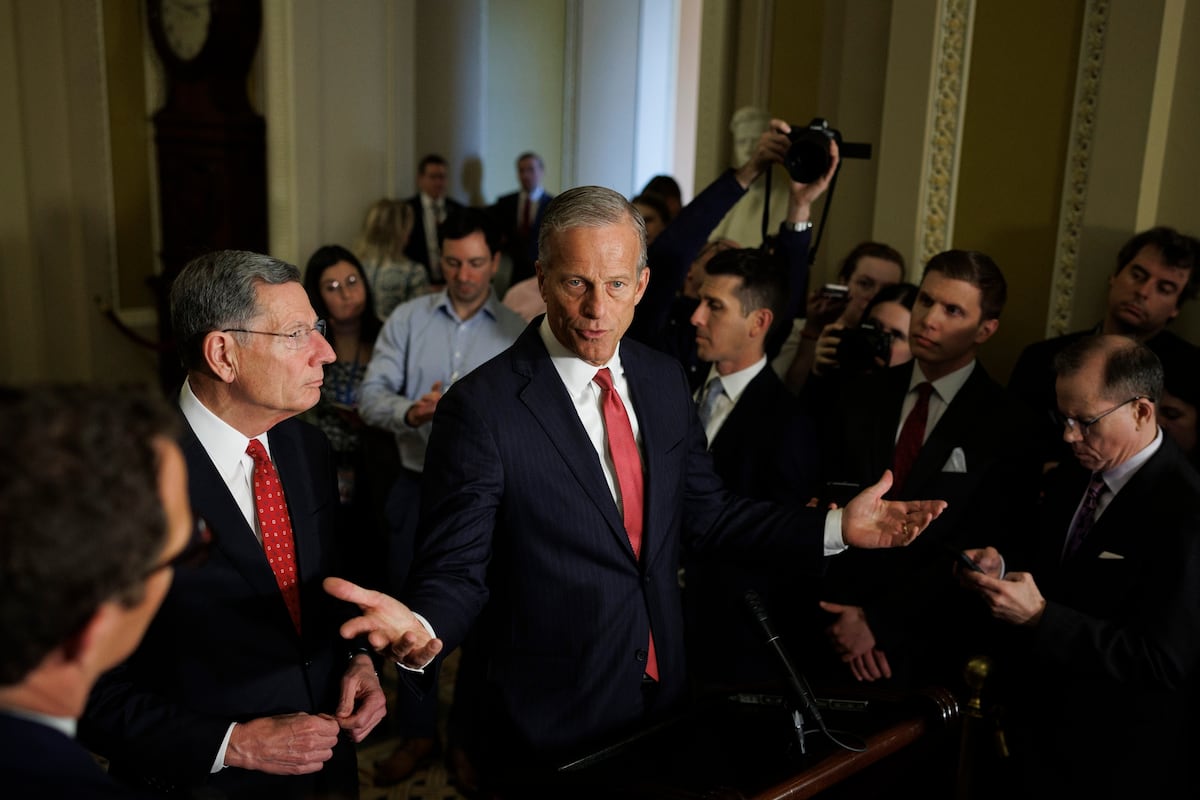
3 weeks agoGOP Senate Leader Rejects Trump's Filibuster Demand to Pass Voter ID Bill Calls Out Paid Influencer' Pressure
Senate Majority Leader John Thune rejected Trump's demand to use a talking filibuster to pass The SAVE Act voter ID bill, citing doubts about its effectiveness based on past legislative experience.
US news
fromwww.npr.org
2 months agoHouse Republicans are investigating Jan. 6. NPR fact-checked the first hearing
Republican-led subcommittee held first Jan. 6 hearing, criticized the Biden administration, promoted conspiracy theories, and examined stalled pipe-bomb investigations amid post-riot pardons.
US politics
fromwww.mediaite.com
1 month agoHouse Republican Goes OFF in Hearing Over Colleague Accused of Harassing Staffer Who Set Herself on Fire: Why the American People Hate Us!'
Rep. Luna accused Congress of protecting abusers through a slush fund that uses taxpayer dollars to settle sexual harassment cases while refusing to hold members accountable.
US politics
fromNextgov.com
1 month agoBipartisan lawmakers worried about shaky progress on modernized government worker background check system
The National Background Investigation Services system for federal employee vetting faces a decade-long delay until fiscal 2028, costing $2.4 billion with $2.2 billion more needed, impacting national security and government contractors.
fromPOLITICO
1 month agoTrump doesn't give Congress much to do before the midterms
I think we know what the agenda items are. Accomplishing those is going to be hard with a small majority. The upshot is that Trump's prime-time address is unlikely to make more than a ripple in the congressional agenda over the coming months. It's the reality, Republicans acknowledged Wednesday, of life in Washington right now: Despite its trifecta, the party's legislative ambitions are being hemmed in by its barely-there majorities.
US politics

US politics
fromwww.mediaite.com
2 months agoNEW POLL: Americans Trust Republicans Over Democrats On Most Major Issues in Congress
Americans view Congressional Republicans as better equipped to handle most major issues—especially border security, immigration, and the economy—while Democrats lead on the generic congressional ballot.
fromAxios
1 month agoPolitical violence and low pay are pushing young state lawmakers toward the exit
Lawmakers described routine death threats, armed protesters in galleries, and explicit fears for spouses and children. Several said the June 2025 assassination of former Minnesota House Speaker Melissa Hortman and her husband fundamentally changed how they assess the risks of staying in office. Case in point: Connecticut State Rep. Corey Paris, 34, reported death threats and calls for violence against him and his family last year after he posted on social media encouraging people to share information on ICE activity.
US politics
fromwww.mediaite.com
2 months agoHouse Republicans Rip Their Dumb and Unbelievably Reckless' Leadership: They Didn't Even Whip the F***ing Bill'
House Republicans are in disarray. On Tuesday night, Republican leaders faceplanted when one of the bills they put to the floor went down in flames as several GOP members voted against it. Three other pieces of legislation needed to be postponed because leadership was uncertain if the bills had the votes to pass. The failed bill, the Flexibility for Workers Education Act, would allow employers to deny overtime pay to employees who enlist in certain voluntary training programs.
US politics
fromwww.mercurynews.com
2 months agoBouie: There is a sickness eating away at American democracy
The truth is that as a country we have often found one reason or another to let the powerful escape the consequences of their actions. Consider Jefferson Davis, the first and only president of the Confederate States of America, commander in chief of a rebellion that killed hundreds of thousands of people. Davis spent two years in federal custody after the end of the war. The indictment against him was dismissed following his release, and he spent the rest of his life a free man.
US politics
[ Load more ]