#pebble-revival
#pebble-revival
[ follow ]
#sustainability #interior-design #digital-detox #sustainable-design #architecture #sustainable-architecture #diy
#biomimicry
Design
fromYanko Design - Modern Industrial Design News
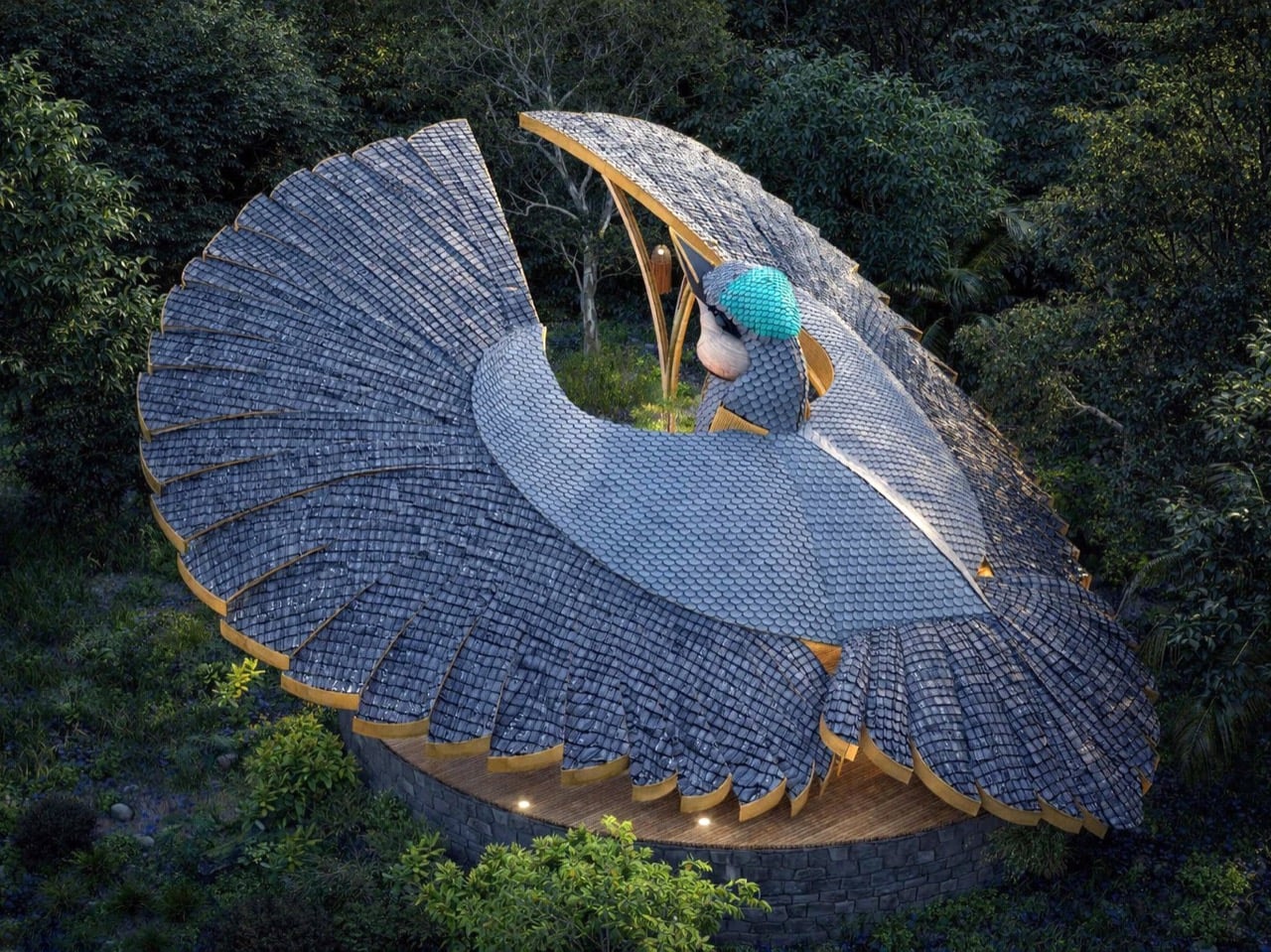
4 days agoBiomimetic Architecture Reaches New Heights With This Bird-of-Paradise Yoga Space - Yanko Design
Thilina Liyanage's architecture translates animal gestures into functional designs, exemplified by the Rifle Bird Yogashala inspired by the Victoria's riflebird's courtship display.
Roam Research
fromdesignboom | architecture & design magazine
2 weeks agosynthetic incubators reclaim LA's inglewood oil field in a post-human landscape
Rock and Roll proposes synthetic incubators in the Inglewood Oil Field to promote environmental regeneration through autonomous architectural systems.
fromdesignboom | architecture & design magazine
2 weeks agocircular timber pavilion anchors wildlife and wetland restoration park in mexico
The pavilion is recognized as the first building in Mexico constructed using cross-laminated timber (CLT). This system replaces conventional concrete and steel structures with mass timber, reducing the carbon footprint of the construction process. CLT panels are composed of layered wood elements arranged in alternating directions, creating structural stability while enabling prefabrication and efficient assembly.
Environment


fromArchDaily
1 week agoDesigning for Obsolescence in an Age of Perpetual Upgrades
In the nineteenth century, entire railway networks became obsolete almost overnight, not due to physical deterioration, but because of changes in the technical standards that supported them. The expansion of railroads across Europe and North America adopted different track gauges, and as a dominant standard gradually emerged, these infrastructures became incompatible with one another.
Renovation
Fashion & style
fromBusiness Matters
3 weeks agoWhy Sustainable Fashion is More Than Just a Trend: Clothing, Bags, and Accessories for a Better Future
Sustainable fashion has moved from niche to mainstream as consumers increasingly demand transparency about production, labor practices, and environmental impact of clothing and accessories.
fromdesignboom | architecture & design magazine
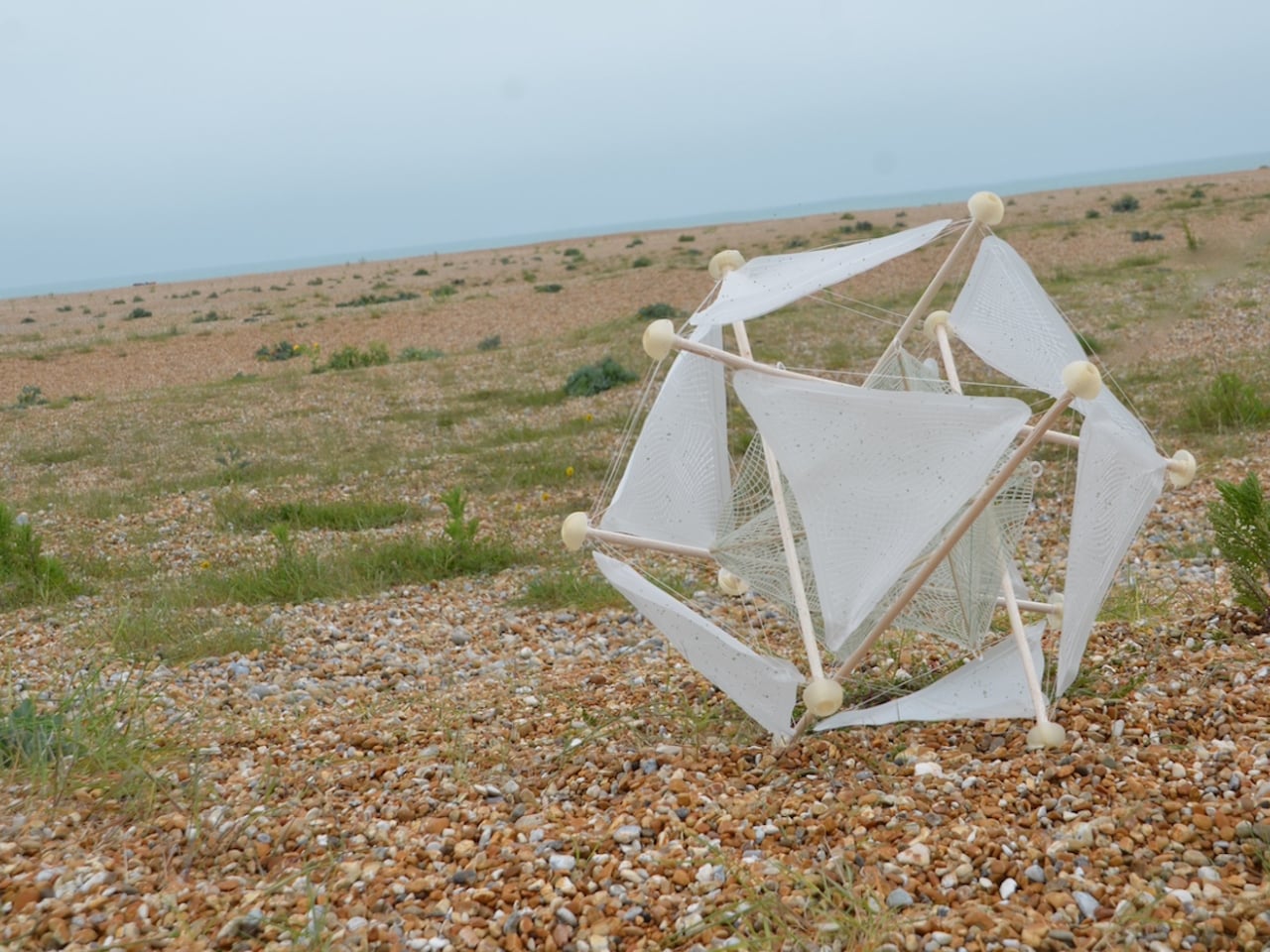
1 week agobionic tumbleweed ball heals damaged lands as it rolls around and plants seeds
The Wasteland Nomad is built from biochar and seeds of indigenous plants, which are both biodegradable materials. Biochar works like a sponge inside the soil, as it holds water, gives microbes a surface to live on, and locks carbon into the ground instead of letting it escape into the air.
Design
fromdesignboom | architecture & design magazine
1 month agothousands of glass beads form delicate blossoms that never wilt in henri purnell's sculptures
Working bead by bead, the artist recreates delicate blossoms that echo the organic irregularities of real flowers while shimmering with the luminosity of glass. From airy wildflower stems to full, colorful bouquets, each arrangement captures the fleeting beauty of botanical forms that remain permanently in bloom.
Paris food
#architectural-design
Renovation
fromArchDaily
2 weeks agoTransforming a Concrete Shell into a Wooden Interior Shaped by the Sea
A Mediterranean harbor house renovation transforms a raw concrete shell into a material-driven interior that echoes maritime atmosphere through spatial organization, natural materials, and carefully controlled views of the surrounding landscape.
Arts
fromArchDaily
1 month agoBuildFest Introduces "Acts of Construction," a Three-Year Exploration of Timber Installations
Bethel Woods launches BuildFest, a three-year initiative featuring large-scale timber installations and multimedia experiences on the historic 1969 Woodstock festival grounds, organized sequentially around construction, choreography, and performance themes.
Design
fromYanko Design - Modern Industrial Design News
2 weeks agoQPearl Just Replaced Your Shampoo Bottle With One Pearl - Yanko Design
QPearl is a water-free concentrated shampoo and body wash encapsulated in a dissolvable protein-based material that eliminates plastic packaging and reduces CO₂ emissions by approximately 99% per unit compared to conventional liquid products.
fromArchDaily
3 weeks agoBuilding with Earth: Traditional Knowledge in Contemporary Architecture
Rather than representing a simple return to the past, this renewed interest reflects a broader reconsideration of how architecture engages with materials, local resources, and environmental conditions.
Renovation
fromdesignboom | architecture & design magazine
2 weeks agovernacular bridge craftsmanship informs micro-museum set within bamboo grove in china
Baqiao bridges, including the nearby Shisanba Bridge, typically appear in areas where the difference between river level and embankment is relatively small. Their upstream piers are shaped like tapered spindles with slightly raised tips, creating a distinctive structural profile. Stone slabs span between the piers, forming a bridge deck assembled through interlocking construction methods.
Design
fromColossal
1 month agoInside the Sacred Valley Ceramics Studio Referencing Ancient Peruvian Practices
It is not about reproducing the past but about engaging in dialogue with it. We apply the same level of care and rigor to all pieces. Many of our utilitarian pieces have a strong sculptural quality, and several of the more artistic works originate from everyday forms and functions. We do not establish rigid boundaries between these categories; all are part of the same vision.
Arts
Design
fromApartment Therapy
3 weeks agoDesigners Are Done Perfectly "Matching" Their Marble - Here's the New Way to Use Stone
Modern stone design in 2026 prioritizes mixing different stones intentionally with varied finishes and embracing natural patina, replacing the outdated approach of matching all stone surfaces uniformly throughout spaces.
Design
fromdesignboom | architecture & design magazine
3 weeks ago'raw geological poetry': how SolidNature interprets stone into an architecture of emotions
SolidNature transforms natural stone from conventional building material into atmospheric, emotionally expressive design medium through craftsmanship, technology, and artistic collaboration.
fromEarth911
1 month agoGuest Idea: Wearing the Change-Transforming Coffee Pods Into Meaningful Jewelry
Each piece begins with used coffee pods collected from my community, materials that were never meant to last beyond a single use. Before any design work begins, the pods must be cleaned, sanitized, flattened, cut, folded, and shaped entirely by hand. They arrive dented, stained, and inconsistent, carrying the marks of their previous life. Learning how to work with those imperfections, rather than erasing them, was one of my first challenges.
Environment
fromDesign Milk
4 weeks agoThe Fountain Celebrates Craft, Connection, and Lime Green
To drink, to bathe, to swim, water has been integral to every society, at every point in our relatively short history here on earth. We connect, drink, and extend ourselves over water, a lifegiving force whose polarity explains much of human behavior. Fostering this sense of community is vital to our health and happiness as well.
Design
fromdesignboom | architecture & design magazine
1 month agocan desert sand with plant-based materials be used to build houses and roads?
Researchers at the Norwegian University of Science and Technology and the University of Tokyo have made a prototype of botanical cement made of desert sand and plant-based additives in hopes that it can be used to build houses and roads. Once mixed, the team adds tiny pieces of wood together and presses them all with heat to produce the cement.
Science
fromBoard Game Quest
1 month agoSand Art Review
Sand Art is a game by Kory Jordan and published by 25th Century Games for two to four players ages 10 and up. It takes about an hour to play, and has you collecting resources and then coloring in a bottle, making art in a bottle out of sand, in case the name didn't give away the plot. Gameplay Overview: Sand Art has you gathering and mixing sand, which is used to fill your bottle.
Board games
fromdesignboom | architecture & design magazine
1 month agoplayful interactive cone installation reflects viewers' sand art back to them
A circular concrete ring forms a defined boundary, incorporating a landing and three steps that lead into a contained field of refined sand. At the center of this ring rises a tall cone clad in polished mirrored steel. The composition establishes a clear geometric contrast between the horizontal plane of sand and the vertical reflective surface.
Design


fromColossal
1 month agoIn Collaboration with Indigenous Artisans Around the World, PET Lamp Emphasizes Sustainability
Tons upon tons of these single-use plastics end up in landfills or even floating in the ocean. Spanish design firm PET Lamp set out give another purpose to these otherwise short-lived materials. Partnering with artisans in communities from Chile to Ethiopia to Australia, the company celebrates both Indigeneity and sustainability, drawing upon time-honored global craft traditions while supporting local economies and recycling discarded materials.
Arts
fromwww.kaltblut-magazine.com
2 months agoThe Rural Cut
The Rural Cut places vintage fashion in Lebanon's Bekaa Valley, among vineyards, open fields, and the animals that inhabit the land. As a Beirut-based stylist, I worked with a fully Lebanese team to create a shoot that feels authentic, where each garment and every frame reflects the textures, history, and rhythm of the rural landscape. Photography by Angele Basile / Instagram: @angelebasile Styling by Rinad Saad / Instagram: @rinaaaaddd
Fashion & style
Environment
fromYanko Design - Modern Industrial Design News
2 months agoThis Leaf-Like Tool Turns Everyday Walks Into Small Acts of Care for Hidden Lives - Yanko Design
LIVIO provides gentle, non-contact tools that enable people to protect small creatures in everyday outdoor spaces, making micro-conservation approachable and intuitive.
fromEarth911
2 months agoGuest Idea: 7 Solutions to Give Your Old Sunglasses a Second Life
Just like that coffee cup, eyewear is a complex fusion of materials. Metal hinges are screwed into polymer frames, which hold chemically-coated lenses. This mix of metals, plastics, and coatings means standard sorting machines cannot process them. As a result, they are rejected as contamination and sent directly to landfills, where they contribute to non-biodegradable waste. Unlike a disposable paper cup, however, a pair of sunglasses is built for durability. Its high-quality components make it a perfect candidate for repair, reuse, or reinvention.
Environment
fromArchDaily
1 month agoShaping Architectural Continuity: 25 Revitalization Projects Across Historic, Industrial, and Natural Sites
Heritage sites constitute complex spatial archives in which architecture, history, and collective memory converge. They encompass a wide spectrum of contexts-from archaeological remains, ancient and historic townscapes, UNESCO-listed landscapes, to early modern civic structures and industrial infrastructures. Yet these environments confront challenges: climate change, urban transformation, disaster, shifting social needs, and the gradual erosion of material fabric. Revitalization and restoration projects respond to these conditions by positioning architectural and spatial practice as an active mediator between preservation and the contemporary topologies.
Renovation
Design
fromYanko Design - Modern Industrial Design News
1 month agoThis Roof Catches Water from Air: 5 Ancient Designs That Solve Modern Problems - Yanko Design
Blend ancestral craftsmanship and traditional motifs with modern functionality to create homes that evoke history, belonging, serenity, and enduring style.
Environment
fromwww.theguardian.com
1 month agoWe can learn from the old': how architects are returning to the earth to build homes for the future
Unstabilised rammed earth provides a low-carbon, locally sourced building method with thermal mass, moisture control and potential for circular construction.
fromTasting Table
2 months agoThe Eco-Friendly Countertop Material That's Surprisingly Durable - Tasting Table
It's likely that you've encountered recycled glass countertops without realizing it. They're far from the hippie-style broken-glass mosaic art of yesteryear, instead presenting as sleek, highly polished, professional slabs with intriguing bits of confetti-style color trapped inside. That's the recovered glass bits set into a binding material such as resin, cement, or concrete, and then smoothly polished so that the composite surface feels like stone.
Remodel
Environment
fromYanko Design - Modern Industrial Design News
2 months agoFishing Nets and Snack Wrappers Just Became Retaining Wall Blocks - Yanko Design
Eco-C CUBE transforms mixed, unsortable plastic waste into interlocking, high-strength structural blocks—outperforming concrete in tension, enabling cement-free retaining walls with built-in drainage and lower CO₂.
fromTasting Table
2 months agoThe Retro Countertop Designers Expect To See Everywhere In 2026 - Tasting Table
Some retro trends, like carpeted bathrooms, truly belong in the past: been there, done that, never again. Others never really disappear. They stick around for generations, coming in and going out of fashion. Terrazzo falls into the second category. They're the bootcut jeans of the interior design universe, the polka dots of tile patterns - they look like they belong in another era, but are always on the brink of a comeback.
Remodel
fromArchDaily
1 month agoHeritage Without Permanence: When Architecture Endures by Disappearing
A Gothic cathedral can take centuries to complete. A world exposition pavilion may stand for six months. A ritual structure in Kolkata rises and vanishes within five days. Yet each draws pilgrimage, shapes collective memory, and reorganizes urban life. If heritage has long been defined by what endures, architecture repeatedly shows that cultural authority can also belong to what gathers people.
Design
fromdesignboom | architecture & design magazine
2 months agoplay spaces revitalize fluid 1960s home in italy by studio rossettini
Studio Rossettini revitalizes House LB into a contemporary single-family residence with playful spaces that puts functionality and quality of life at its center. The from the early 1960s in Padua, reimagines the existing structure through its renovation, freeing up the perimeter walls and creating a fluid sequence of spaces that flow between the kitchen, dining room, and living room, with furnishings integrated into architectural niches.
Renovation
fromRemodelista
2 months agoExpert Advice: DIY Building Lessons from Artist Sean Spellman
When Sean Spellman opened Dawnlands in Westerly, Rhode Island, last year, it was more than just a new address on the map. Conceived as an art gallery and gathering place, Dawnlands was built entirely by Sean and his family-no contractors, no designers, no outside help. Each board and bench was made with intention, using local pine and sensibility shaped by Japanese, Scandinavian, and coastal Californian influences.
Renovation
fromYanko Design - Modern Industrial Design News
2 months agoThe Case for Heirloom Furniture in an Era Obsessed With Biodegradable Everything - Yanko Design
Furniture made from mycelium or algae can decompose in five years, sure, but a well-made antique armoire outlives empires because no one throws it away. Columns takes that logic seriously. Handcrafted in solid oak, natural leather, and horsehair, the pieces are built to last a thousand years, which sounds like marketing hyperbole until you look at the joinery, the hand stitching, and the material choices. This is furniture designed to be inherited, repaired, and remembered.
Design
Design
fromdesignboom | architecture & design magazine
1 month agoa semi-circular porous brick house stands amid rubber plantation in india
A semi-circular, low-slung home integrates with a Kerala rubber plantation using a porous metal skin, passive cooling, reclaimed materials, and low-impact construction.
Design
fromdesignboom | architecture & design magazine
2 months agowearable collection repurposes leftover leather powder as translucent composite material
OBRO converts leather manufacturing offcuts into semi-transparent PVC composite by embedding finely ground leather powder to create visually layered, tactile, durable sheets.
[ Load more ]