#pepco-overdraft
#pepco-overdraft
[ follow ]
#electricity-prices #energy-policy #ai-data-centers #pge #electricity-rates #grid-reliability #data-centers
UK news
fromLondon Business News | Londonlovesbusiness.com
3 days agoEnergy bills fall as Ofgem lowers price cap, but fuel poverty concerns persist - London Business News | Londonlovesbusiness.com
Ofgem has reduced the energy price cap by 7%, lowering annual costs for dual-fuel customers and providing modest savings.
#power-grid
SF politics
fromFortune
4 days agoHyperscalers often lack the "aptitude" on power as the political push picks up to expedite grid connections and pipelines | Fortune
Federal efforts to expedite power grid interconnections face challenges due to hyperscalers' communication issues and lack of understanding of processes.


fromWashingtonian - The website that Washington lives by.
2 weeks agoNumber Go Up: Check out Our Gallery of DC Area Gas Prices - Washingtonian
According to AAA, the average regular gas price as of March 16 is $3.72 per gallon-up $0.24 from a week ago, and nearly $0.79 from this time last year. CNN reports that the 26.9 percent gain in US gas prices over the past month is the largest monthly increase since Hurricane Katrina.
Washington DC
#electricity-prices


Environment
fromFortune
2 weeks agoYour electricity bill keeps rising. Here's what's actually causing it-and how to fix it | Fortune
Rising retail electricity prices stem from structural issues including surging demand, increased infrastructure spending, and regulatory models that reward utility overspending, while proposed fixes like rate freezes and permit blocks would worsen the problem.
from24/7 Wall St.
3 weeks agoPG&E, Algonquin Power and Avista Are Drawing New Analyst Interest in the Utility Sector
UBS expects the stock's 43% price-to-earnings discount to narrow "meaningfully" with continued risk reduction. PG&E's data center pipeline stands at 3.6 GW in final engineering, up from 1.6 GW in Q3 2025, representing a significant load growth catalyst. Management guided for 2026 non-GAAP core EPS of $1.64 to $1.66, with a $73 billion five-year capital plan requiring no new common equity.
Business intelligence
Environment
fromArs Technica
2 weeks agoCoal plant forced to stay open due to emergency order isn't even running
The Trump administration uses emergency orders to keep uneconomical coal plants operational despite cheaper renewable and natural gas alternatives, citing grid reliability while data shows minimal actual energy contribution.
East Bay (California)
fromwww.mercurynews.com
1 month agoPG&E monthly bills are dropping this month for electricity customers. Will the trend continue?
PG&E reduced residential electric rates by 1.8% in March 2026, with further cuts expected throughout the year as bills continue declining from recent price spikes.
#utility-rate-hikes
Tech industry
fromFortune
1 month agoYour utility bills keep going up. Here's everyone you can blame-AI data centers included | Fortune
Electric and natural gas bills surged as major inflation drivers in 2025, with utilities requesting record $31 billion in rate hikes amid aging infrastructure, climate impacts, and AI data center demand.
UK news
fromwww.independent.co.uk
3 weeks agoWater firms prevented from increasing bills as much as they wanted
UK's competition watchdog significantly reduced water company revenue increases, limiting five major firms to £463 million instead of £2.7 billion sought, resulting in 2.2% bill increases for customers.
Brooklyn
fromNews 12 - Default
1 month agoPark Slope residents say Con Ed won't honor claims for food spoiled after extended power outages
Con Edison is denying reimbursement claims for January power outages in Brooklyn, citing road salt as an uncontrollable external cause, leaving affected residents without compensation for spoiled food, medicine, and emergency expenses.



fromLondon Business News | Londonlovesbusiness.com
1 month agoOFGEM Pushing 'Propaganda, Not Regulation' and Consumers - London Business News | Londonlovesbusiness.com
The bulk of the £200 (10%) saving from a year ago is not real. It's a transfer of bad climate policy costs from bills to taxes. Hiding the problem, not solving it. This means future taxpayers, your children, are now subsidising old wind farms and failed heat pump promotion campaigns, rather than stopping the waste.
Public health
US news
fromNew York Post
1 month agoNY haunted by closing of nuclear power plant as energy bills soar, green mandates spark chaos
New York's 2021 closure of Indian Point nuclear plant, which supplied 25% of NYC electricity, has increased reliance on natural gas and raised energy bills while hindering green energy goals.
fromIrish Independent
1 month agoMore than 300,000 homes now in arrears on electricity bills, latest figures show
The total stood at 319,459 domestic electricity accounts where payments were missed. This represents 14pc of household electricity customers, up from 13pc in the previous quarter. Some 191,525 of those in arrears are more than 90 days behind on their payments, the CRU arrears report shows.
Public health
fromLos Angeles Times
1 month agoCalifornia wants millions of heat pumps. High power bills might get in the way
An all-electric, energy-efficient alternative to gas-burning furnaces, heat pumps are widely seen as the climate-friendly home heater of choice. They can do double-duty as both home heaters and AC units and are pretty good at maintaining a constant temperature inside a home without the blast-then-cool-off cycle typical of a furnace.
Environment
fromGothamist
1 month agoAid might cut $135 from that sky-high Con Ed bill, but few people are applying
Only 775 of the nearly 600,000 potentially eligible Con Edison customers have enrolled for the state's expanded energy assistance program since it opened last month, the company said. The Energy Affordability Program helps eligible New Yorkers struggling to afford their utility bills by providing monthly discounts. Discount levels vary by household size and income. In New York City, someone who uses gas heat and whose income is less than 60% of the area median income - $68,050 for a single person and $97,200 for a household of four - would see discounts of more than $135 per month.
New York City
fromSFGATE
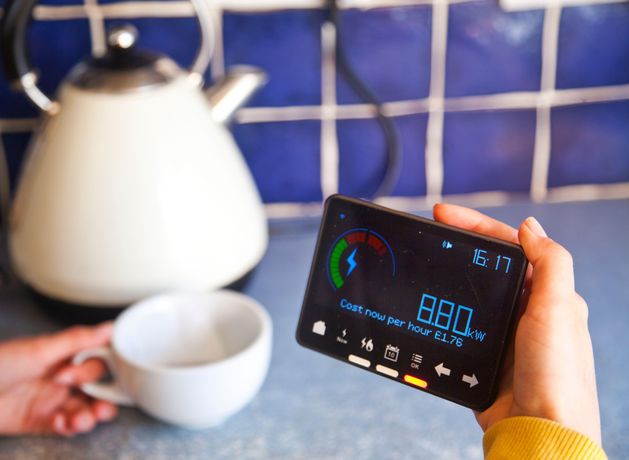
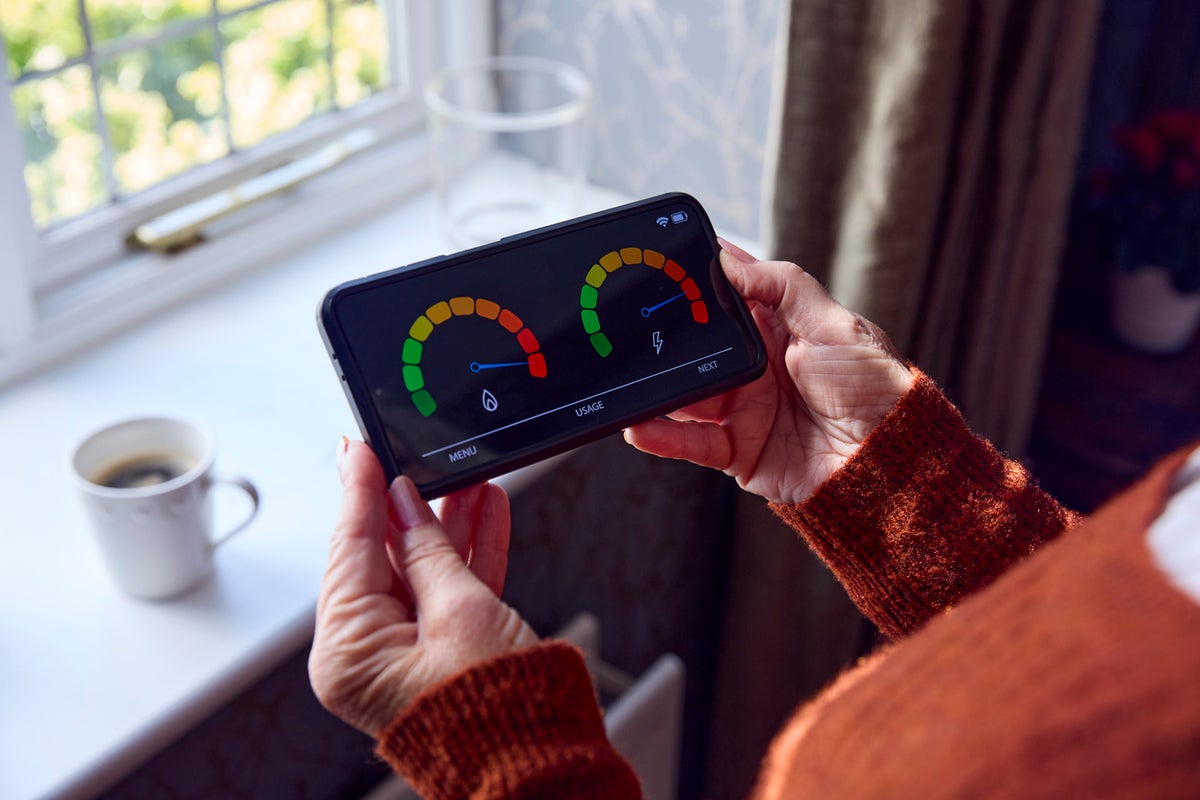
2 months agoA big change is coming to your PG&E bill. Here's what it means.
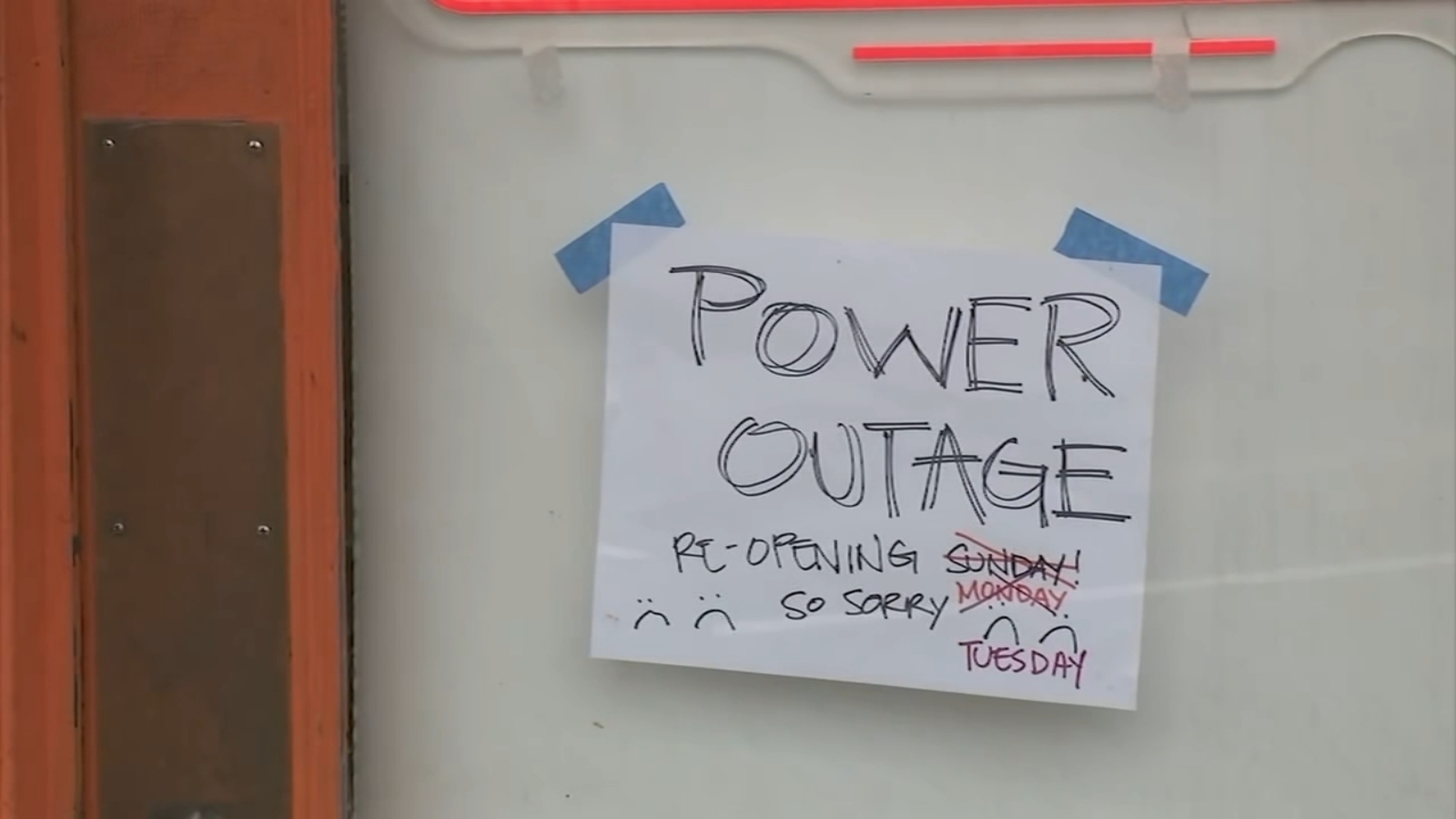
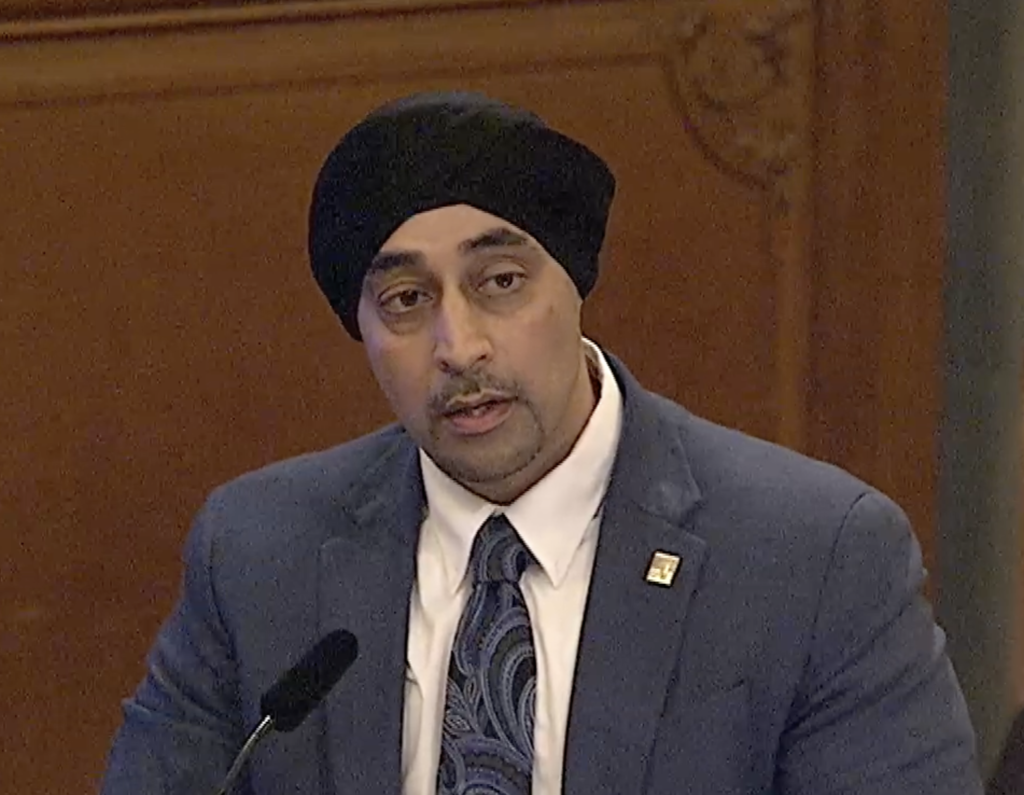
The change, which follows a 5% rate cut that went into effect Jan. 1, comes on the heels of rising tensions between the utility, its customers and Bay Area leaders. Multiple blackouts just before Christmas and New Year's Day left tens of thousands of San Francisco residents without electricity for several days, drawing widespread attention and even prompting some government officials to call for a shift away from PG&E infrastructure.
San Francisco

fromwww.amny.com
2 months agoPower struggle: Why the New York Power Authority is taking heat over cutbacks on renewable energy amNewYork
Yet four years away from that deadline, not only is the Empire State 15 gigawatts (GW) shy of its goal but also investments in renewable energy are dipping. On Dec. 19, 2025, Gov. Kathy Hochul signed the Public Renewables Transparency Act, sponsored by Assembly Member Sarahana Shrestha (D-Ulster County), to open up the New York Power Authority's (NYPA) conferral process
New York City
fromLos Angeles Times
2 months agoWildfire victims decry state law protecting utilities from cost of disasters they cause
Southern California Edison says that with the help of those state laws it expects to pay little or even none of the damage costs of the Eaton fire, which its equipment is suspected of sparking. But in recent filings to state officials, fire victims and consumer advocates say the law has gone too far and made the utilities' unaccountable for their mistakes, leading to even more fires. "What do you think will happen if you constantly protect perpetrators of fires," said Joy Chen, executive director of the Eaton Fire Survivors Network.
California
fromwww.amny.com
1 month agoCOLD TRUTH: National Grid reports record usage, but New Yorkers only feel record delivery fees
The brutal cold snap gripping New York this winter has left utility customers feeling the burn of skyrocketing heating bills. National Grid customers in NYC are outraged over skyrocketing heating bills, coinciding with the utility giant's Monday announcement of record usage during the city's ongoing cold snap. The astronomical costs, several readers told amNewYork, are overwhelmingly driven not by increased consumption but by soaring delivery fees and other unclear charges listed on their monthly bills.
New York City
from24/7 Wall St.
1 month agoJefferies Loves 5 Dividend-Paying Utility Stocks but Warns of Caution on the Sector
Because they operate continuously, data centers consume electricity. These operations involve operating large numbers of servers, cooling systems, networking equipment, and other infrastructure components. The electricity consumption of data centers varies widely with size, capacity, efficiency, and geographic location, yet demand is constant. While that was an important data point over the past few years, many of the top stocks in the sector have delivered outsized gains and may be trading near their highs.
Business
Environment
fromFortune
1 month agoAmericans are shocked by utility bills as high as $1000: They're paying the price for aging grids, fuel-price whiplash, and extreme weather | Fortune
Residential electricity prices rose roughly 21% since 2021, driving significantly higher household bills amid winter-driven demand, grid stress, and rising fuel and capacity costs.
US politics
fromsfist.com
2 months agoDay Around the Bay: PG&E Will Be Cutting Many SF Residents' Power on Monday and Tuesday
City leaders propose departmental consolidation and charter reform; PG&E will preemptively cut power to restore a substation; SFPD plans DUI checkpoints; national political controversies persist.
[ Load more ]