#pepper-breeding
#pepper-breeding
[ follow ]
#gardening #sustainable-agriculture #home-gardening #indoor-seed-starting #seed-germination #tomato-varieties
fromTasting Table
2 weeks agoWhy Bell Peppers Sometimes Hide A Tiny Baby Pepper Inside - Tasting Table
This mini pepper is technically known as an internal proliferation, and is due to a natural process called parthenocarpy. Parthenocarpy is when any fruit develops without fertilization, and in the case of bell peppers, it results in these small internal tissue growths. Although it can have the same shape and look like a regular pepper, if you cut open this mini pepper, you'll find it's completely seedless.
SF food
Everyday cooking
fromTasting Table
3 weeks agoHow To Grow Eggplant Indoors For A Faster And More Foolproof Harvest - Tasting Table
Starting eggplant seeds indoors two months before the final frost provides a significant head start, with seeds germinating in five days and requiring 100 days to maturity.
Agriculture
fromModern Farmer
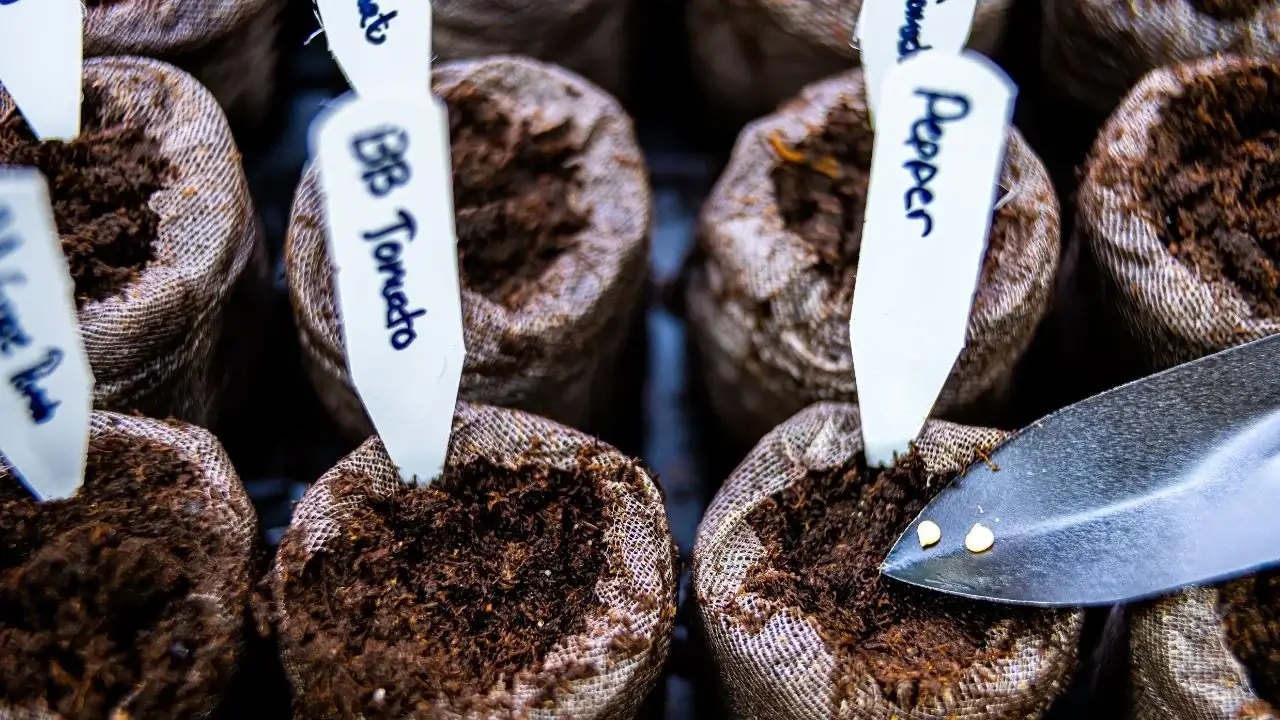
2 weeks agoHow to Start Tomato Seeds: 5 Expert Growing Tips
Tomato success depends on choosing between indeterminate varieties for long seasons and determinate varieties for short growing periods, then starting seeds indoors four to six weeks before the last frost in most North American regions.
fromTasting Table
1 month agoThe Simple Trick For Substituting Coriander With Cumin - Tasting Table
Coriander and cumin aren't direct substitutes. Cumin is more pungent and earthy, so if used in place of coriander, I recommend using about half the amount and adding a touch of citrus zest or fennel seed to restore brightness.
Cooking
Design
fromdesignboom | architecture & design magazine
1 month agomodular yellow greenhouse travels on wheels through portugal for seed germination
A mobile, modular greenhouse travels through Braga to support seed germination, promote biodiversity, and spread urban farming practices beyond a compact city farm.
fromwww.theguardian.com
1 month agoWhen it comes to preparing seeds for your garden, you'll reap what you sow
To an unimaginable eye, a seed looks inert. Yet they are packed with genetic information and biological processes poised to unfold. All it takes is the right configuration of signals and stimuli from the environment to let them know it's time to dare to grow.
Agriculture
fromTasting Table
2 months agoWhen To Plant Peppers For The Biggest Harvest: It Depends On Your Zip Code - Tasting Table
The U.S. Department of Agriculture published the Plant Hardiness Zone Map, which breaks the country into 13 zones that help determine the best time of year to get started on various fruits and vegetables, such as peppers. Each zone varies by 10 degrees, and each subzone varies by five degrees, even if a single state can technically be broken into several zones.
Agriculture
fromTasting Table
2 months agoThe Slow-Growing Crop That Pays Off Big When You Start It From Seed - Tasting Table
People grow asparagus from crowns because it shortens the long wait times for harvesting. From seed, you'll need to wait three years before harvesting asparagus. Some people consider that a waste of time. The tradeoff is that you can keep harvesting every spring for up to 15 years or more. If you plant crowns, you get a one-year jump on things. However, those crowns may have soil-borne diseases you don't know about, so there is a risk involved. Seeds remove that problem.
Agriculture
[ Load more ]