#permafrost-mummification

[ follow ]
Environment
fromwww.scientificamerican.com
3 days ago

The Alaskan permafrost is thawing. Here's why that's so worrying

Thawing permafrost in Alaska is releasing three trillion gallons of water annually, exacerbating climate change and disrupting ocean ecosystems.
fromwww.theguardian.com
2 days ago

Arctic ice loss brings dual heatwaves to Europe and eastern Asia

The study highlights how rapid Arctic warming increases the frequency of extreme weather events, particularly concurrent heatwaves across Europe and eastern Asia.
Europe news
#mass-grave
fromFuturism
6 days ago

Scientist Thawing Out Fragments of His Friend's Cryogenically Preserved Brain

Coles' brain was preserved with a slurry of 'cryoprotective' chemicals, and despite expectations of damage, the tissue structure survived with relative vigor.
OMG science
Science
fromNature
1 week ago

Daily briefing: Tiny bones from Neanderthal fetus point to downfall of the species

A genetic bottleneck contributed to the Neanderthals' extinction, while AI-generated X-rays challenge radiologists' ability to discern real from fake.
Snowboarding
fromSnowBrains
2 weeks ago

The Glaciers Aren't Melting-They're Collapsing - SnowBrains

Alpine glaciers are collapsing structurally and melting rapidly, with Austrian Alps potentially ice-free by 2075 due to accelerating warming and instability.
fromwww.theguardian.com
2 weeks ago

The world's memory': why Nigeria is burying its history under a mountain in Svalbard

The Arctic World Archive (AWA) is a data storage unit where organisations and individuals can deposit records kept on specialist digitised film called Piql that lasts up to 2,000 years. On 27 February, Nigeria became the first African country to place archives at the facility 300 metres beneath a mountain where the cold, dark, dry conditions are perfect for preservation.
Arts
fromNature
1 week ago

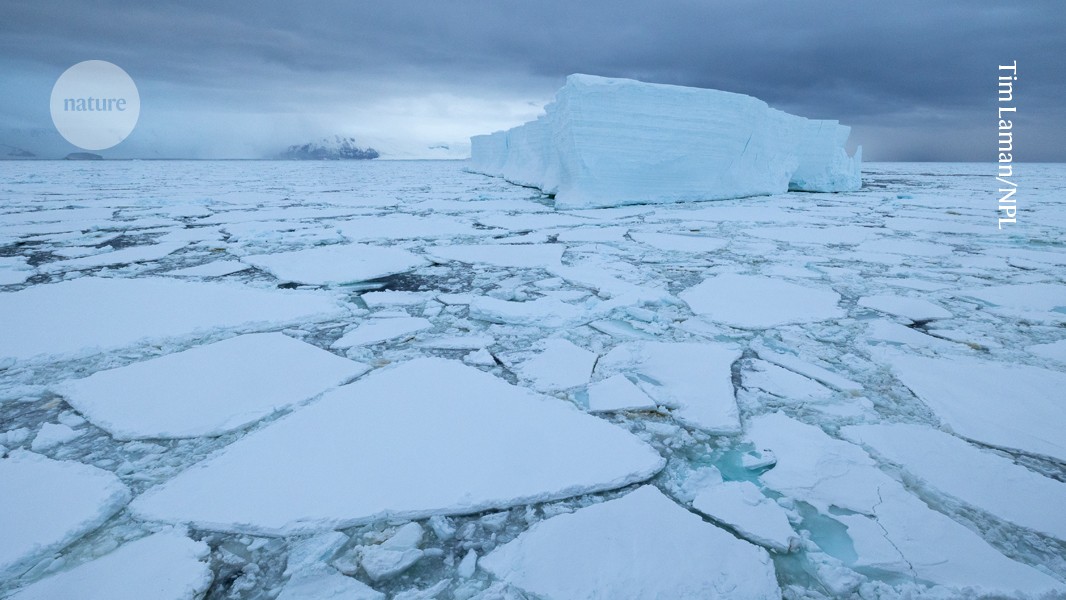
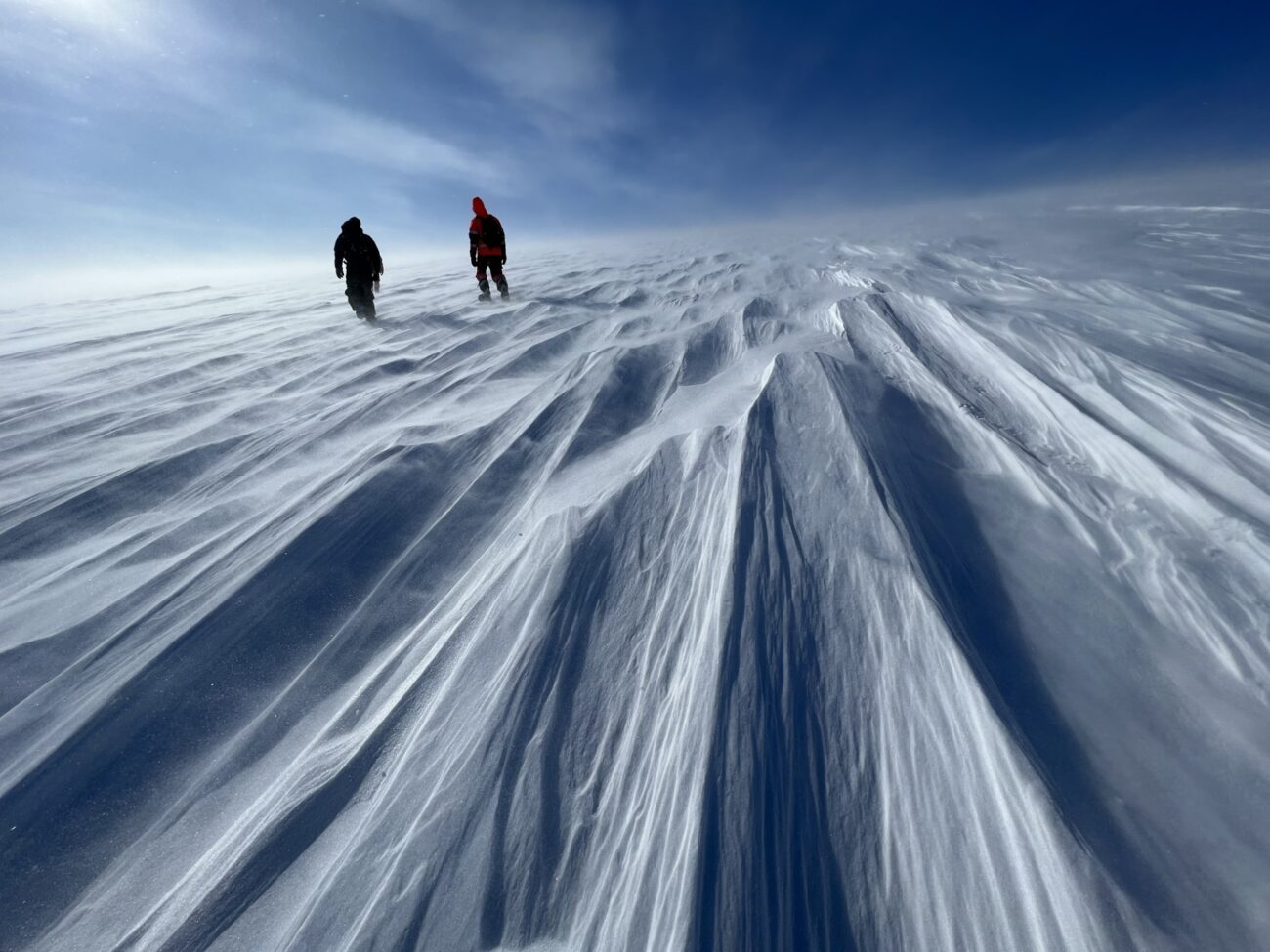
History of 'forever' chemicals is written in Antarctic snow

'Forever' chemicals, which do not break down in the environment, have been detected in Antarctica, highlighting their widespread presence even in remote areas.
OMG science
Science
fromFuturism
2 weeks ago

Scientists Bring Mouse Brains Back to Life After "Cryosleep" Deep Freeze

Researchers are advancing towards cryosleep by restoring activity in mouse brains using vitrification, potentially aiding organ preservation and brain injury recovery.
SF parents
fromArs Technica
3 weeks ago

Don't lick that cold metal pole in winter-if you do, don't panic

Tundra tongue cases peaked in the 1950s among children, with remedies ranging from warm water to dangerous methods, causing injuries from mild bleeding to potential amputation.
fromThe Art Newspaper - International art news and events
3 weeks ago

Mummies and other human remains held in UK museums raise serious ethical questions, warn scholars

The significant number of ancestors held in UK museums is extremely distressing and symbolic of the colonial origins of these collections. We hope that the responses gathered by The Guardian will be shared with the relevant communities to support them in bringing their ancestors home.
London
Roam Research
fromArs Technica
4 weeks ago

How moss helped convict grave robbers of a Chicago cemetery

Cemetery officials were caught grave-robbing after becoming reckless, with moss analysis providing crucial evidence for prosecution.
Snowboarding
fromSnowBrains
3 weeks ago

Melting Alaska Glacier Slowly Reveals Remains of Long-Lost U.S. Servicemen - SnowBrains

Melting Alaskan glaciers have exposed remains of 52 US servicemen lost in a 1952 military plane crash at Mt. Gannett, preserved for decades under thick ice.
#cryopreservation
OMG science
fromwww.npr.org
1 month ago

Colossal Biosciences breeds controversy while trying to revive mammoths

Colossal Biosciences uses gene-editing, cloning, and AI technologies to resurrect extinct species like woolly mammoths while developing tools to save endangered animals, though critics question the ethics and feasibility of de-extinction.
Science
fromFuturism
1 month ago

There's a Perfectly Reasonable Explanation for Antarctica's Waterfall of Blood

Blood Falls in Antarctica results from iron-rich briny water from a subglacial lake being expelled by glacier pressure, with iron packaged in nanospheres by ancient bacteria.
Science
fromNature
1 month ago

The first ice-core record of historical atmospheric hydrogen levels

Atmospheric hydrogen levels fluctuate with climate changes and have increased significantly since pre-industrial times due to human activities, requiring consideration in projections of future emissions impacts.
#snowball-earth
fromAeon
1 month ago
Philosophy

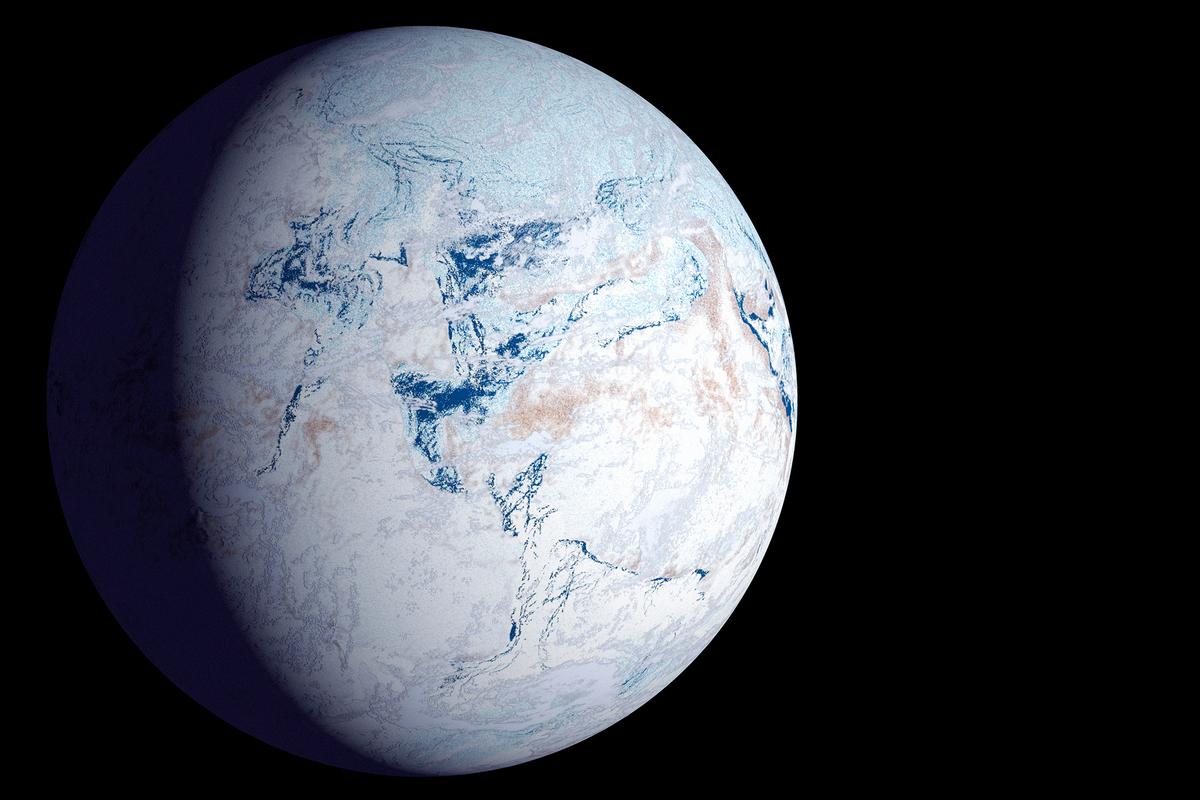
How the harsh, icy world of Snowball Earth shaped life today | Aeon Essays

fromAeon
1 month ago
Philosophy

How the harsh, icy world of Snowball Earth shaped life today | Aeon Essays

fromThe Atlantic
1 month ago

The Blind Spot at the Top of the World

He had flown in from Mar-a-Lago and, he told me, was there to observe. The next day, he watched as Åsa Rennermalm, a Rutgers University professor who studies polar regions, sat onstage with European foreign ministers and spoke out against cuts to U.S. science funding. "A leading US Arctic scientist is on stage absolutely ripping her country to the delight of the audience," Dans wrote on X. "Embarassing." He punctuated his post with an American-flag emoji.
US politics
fromBusiness Matters
2 months ago

Safety Guidelines for Handling Ultra-Low Temperature Freezers

These freezers operate under extreme thermal and electrical conditions. Exposure to subzero environments, high-powered compressors, and sensitive control systems creates risks that demand structured procedures. Facilities that rely on equipment like a freezer -40C, must apply disciplined handling standards to protect both staff and stored materials.
Public health
#cold-weather-gear
fromTravel + Leisure
1 month ago
Fashion & style

I'm a Travel Writer Who's Camped on an Ice Cap-and These 15 Essentials Keep Me Warm in Subzero Temps, From $15

fromTravel + Leisure
1 month ago
Fashion & style

I'm a Travel Writer Who's Camped on an Ice Cap-and These 15 Essentials Keep Me Warm in Subzero Temps, From $15

Canada news
fromArchitectural Digest
1 month ago

In Greenland, Design Meets Glaciers, Gravesites, and a Galactic Ocean

Modern expedition cruising makes remote Arctic sites like Beechey Island and Franklin’s wrecks accessible, blending comfortable travel with encounters of historical tragedy and extreme conditions.
fromFuturism
2 months ago

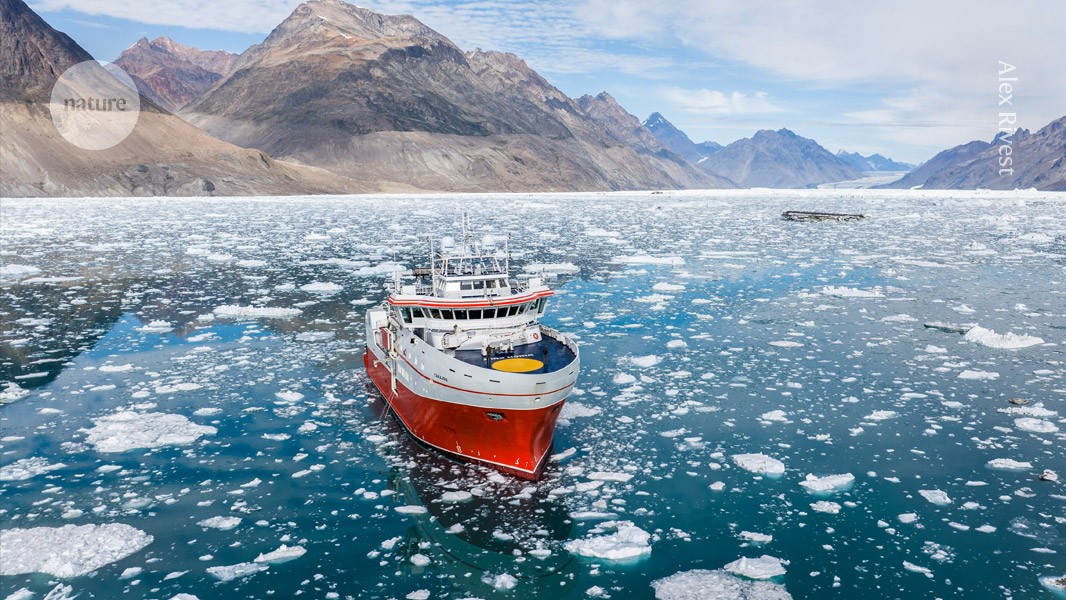
Scientists Scramble to Set Up Outpost on Rapidly Melting Glacier

During a rare break in the weather, the NYT says helicopters airlifted the researchers and their equipment 19 miles to their planned outpost site on top of the glacier. The two helicopters involved flew a dozen total loads of cargo from the icebreaker ship to the camp site, while glacial scientists and engineers erected a small tent city, complete with bathrooms, generators, and a mess hall.
Environment
Relationships
fromCN Traveller
1 month ago

I flew to the Arctic Circle to meet a man I once ghosted

Chanté Joseph met a compelling match in Rio, ghosted him, and months later reunited with him in the Arctic Circle during an emotionally challenging trip.
OMG science
fromEsquire
1 month ago

This Weird Effect of Climate Change Is Scaring the Hell Out of Me

A 5,000-year-old Psychrobacter strain from cave ice carries multidrug resistance and antimicrobial activity, posing potential AMR risks if released by melting ice.
fromwww.npr.org
2 months ago

FAQ: What is wind chill, and why is it dangerous?

Wind chill is a measure of how quickly bodies lose heat when you combine low temperatures with high winds. And wind chill conditions can be dangerous. "The stronger the winds [and] the colder it is, the more likely you are to develop frostbite in a short amount of time or hypothermia," says Jessica Lee of the National Weather Service's Weather Prediction Center.
Public health
Environment
fromFuturism
1 month ago

Forests Are Steadily Crawling North, Satellite Imagery Shows

Boreal forests are shifting northward and expanding due to warming, altering carbon sequestration potential and increasing young forest cover.
Science
fromenglish.elpais.com
1 month ago

A bacterium frozen 5,000 years ago has been found capable of standing up to super-pathogens

A 5,000-year-old Psychrobacter strain recovered from Romanian cave ice displays resistance to multiple modern antibiotics and produces compounds that inhibit other, hard-to-treat pathogens.
fromSnowBrains
1 month ago

Alaska, A Place Known for Massive Snow Totals, Records Snowiest January in Recorded History - SnowBrains

Recently, Anchorage, Alaska's largest city with nearly 400,000 residents, has just recorded its snowiest January on record. Tucked in between the mighty Cook Inlet and pushed right up against the Chugach Mountains, Anchorage sits in prime location for some serious snow totals. Moisture from pacific storms builds up over the inlet, and thanks to orographic lift caused by the mountains, forces that moisture to drop over Anchorage. Thanks to Alaska's northernly location, that moisture often falls in the form of snow.
Snowboarding
Public health
fromSilicon Canals
2 months ago

February freeze alert: why this weekend's temperatures are more dangerous than snow - Silicon Canals

Extreme cold causes silent, life-threatening harm (hypothermia, frostbite, organ failure) and requires more attention than visible snowstorms or supply-focused prepping.
Science
fromArs Technica
1 month ago

"Million-year-old" fossil skulls from China are far older-and not Denisovans

Homo erectus fossils from Yunxian in China are dated to about 1.77 million years, making them the oldest hominins discovered in East Asia.
#woolly-rhinoceros
Environment
fromNature
1 month ago

Tree rings and salt lakes give clues about ancient rainfall

Replace hazardous pesticides and apply diverse paleoclimate measurement methods to reconstruct past climate changes.
Science
fromMail Online
1 month ago

Prehistoric killer superbug discovered in 5,000-year-old ice

An ancient Psychrobacter strain from Scarisoara Ice Cave, frozen about 5,000 years, is resistant to ten modern antibiotics and harbors over 100 resistance genes.
fromwww.theguardian.com
2 months ago

We study glaciers. Artificial glaciers' and other tech may halt their total collapse | Brent Minchew and Colin Meyer

Sea levels are rising faster than at any point in human history, and for every foot that waters rise, 100 million people lose their homes. At current projections, that means about 300 million people will be forced to move in the decades to come, along with the social and political conflict as people migrate inland. Despite this looming crisis, the world still lacks specific, reliable forecasts
Environment
fromArs Technica
1 month ago

Scientists hunting mammoth fossils found whales 400 km inland

At first glance, it looked like Wooller and his colleagues might have found evidence that mammoths lived in central Alaska just 2,000 years ago. But ancient DNA revealed that two "mammoth" bones actually belonged to a North Pacific right whale and a minke whale-which raised a whole new set of questions. The team's hunt for Alaska's last mammoth had turned into an epic case of mistaken identity, starring two whale species and a mid-century fossil hunter.
Science
Environment
fromThe Walrus
2 months ago

What's a Walrus? A Beast, Actually | The Walrus

Independent journalism confronts threats—climate of misinformation, economic fragility, and algorithm-driven conflict—and commits resources to rigorous fact-checking to preserve factual reporting.
Science
fromArs Technica
2 months ago

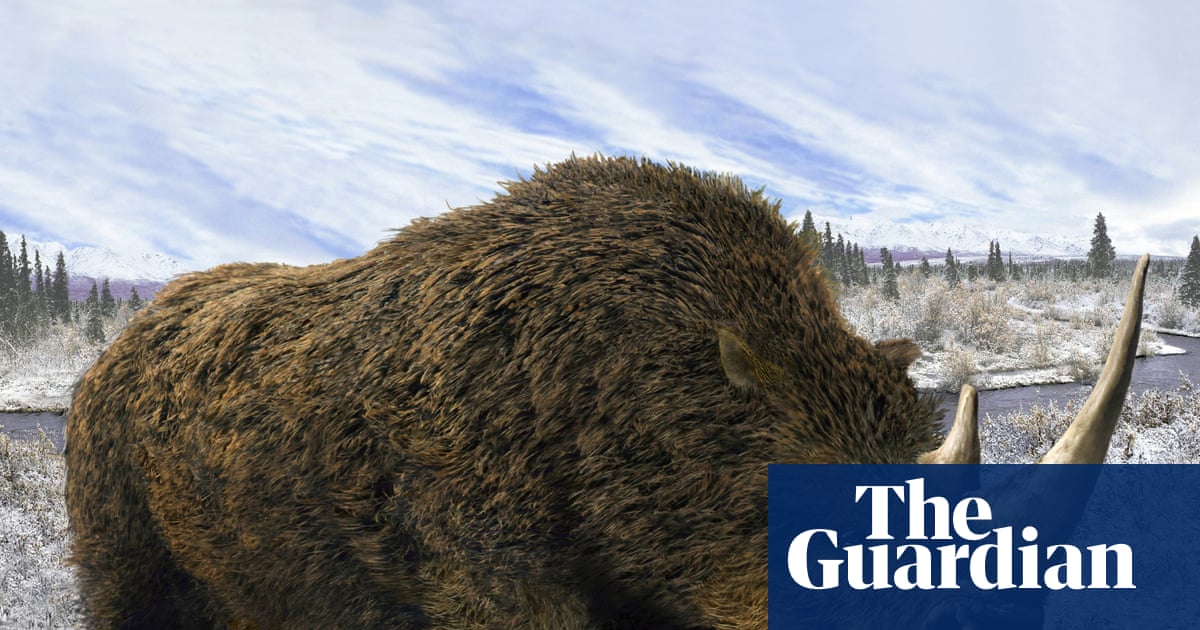
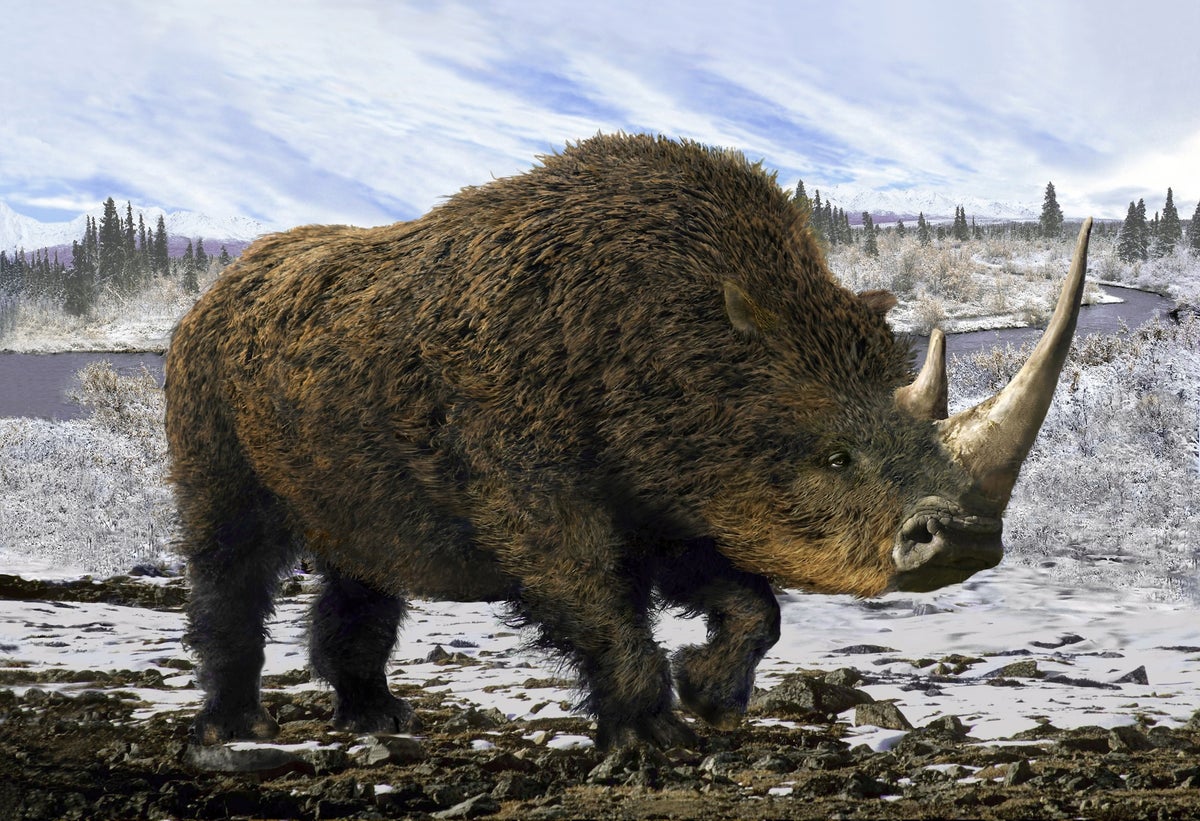
Scientists sequence a woolly rhino genome from a 14,400-year-old wolf's stomach

Woolly rhino effective population fell from about 15,600 to 1,600 between 114,000–63,000 years ago, then stabilized around 1,600 breeding individuals.
#greenland
fromNature
2 months ago
Science

Greenland is important for global research: what's next for the island's science?

fromNature
2 months ago
Science

Greenland is important for global research: what's next for the island's science?

fromwww.scientificamerican.com
2 months ago

A foraging teenager was mauled by a bear 27,000 years ago, skeleton shows

We have little physical evidence of these interactions turning violent, however, because burials were rare and carnivores were more likely to finish off their prey. That's why the embellished burial site of a 15-year-old from 27,000 years ago is an important window into the past: the teenager's bones indicate he was mauled by a bear. The finding represents some of the first evidence of its kind.
Science
#greenland-shark
Science
fromwww.nature.com
2 months ago

Author Correction: Relatively warm deep-water formation persisted in the Last Glacial Maximum

The Fig. 1b colour-scale label was corrected from 35.50 to 35.00 and updated in the HTML and PDF versions.
fromwww.scientificamerican.com
2 months ago

Meet the extremophile molds wreaking havoc in museums

Mold is a perennial scourge in museums that can disfigure and destroy art and artifacts. To keep this microbial foe in check, institutions follow protocols designed to deter the familiar fungi that thrive in humid settings. But it seems a new front has opened in this long-standing battle. I'd recently heard rumblings that curators in my then home base of Denmark have been wrestling with perplexing infestations that seem to defy the normal rules of engagement.
Science
Science
fromwww.scientificamerican.com
2 months ago

The scientific quest to explore the hidden complexity of ice

Water forms many crystalline ice phases beyond common hexagonal Ih; scientists have created over 20 exotic ice structures under extreme conditions due to hydrogen-bond sensitivity.
fromwww.scientificamerican.com
1 month ago

Ancient seafarers helped shape Arctic ecosystems

In the pristine High Arctic sits the Kitsissut island cluster, also known as the Carey Islands, nestled between northwest Greenland and northeast Canada. The surrounding seas are perilous, and traveling there is difficult even with modern boats. But new archaeological evidence suggests ancient humans managed to sail to the islands, too. Early settlers lived on the islands between 4,500 and 2,700 years ago.
Science
fromDefector
2 months ago

Let The Record Show That Otzi Fucked | Defector

Ötzi, the 5,000-something-year-old man found frozen in the Alps, did not have an easy go of it. He was probably murdered, shot from behind with an arrow that missed his vital organs and led to heavy bleeding and a prolonged and painful death. Days before his death, he fought another person in hand-to-hand combat and gashed his right hand. The more scientists have been able to study his body, the more ailments they have unveiled.
Science
Science
fromInverse
2 months ago

What Sci-Fi Gets So Wrong About Suspended Animation - And Why The Truth Is So Much Wilder

Science-fiction commonly misrepresents suspended animation, while real hibernation and deep-sleep research reveals diverse physiological possibilities and advancing practical prospects.
Science
fromArs Technica
2 months ago

Earliest African cremation was 9,500 years ago

A 9,500-year-old intact hunter-gatherer cremation pyre containing an adult woman's remains was found at Mount Hora, Malawi, indicating organized communal ritual and labor.
[ Load more ]