#permanent-establishment
#permanent-establishment
[ follow ]
#tax-compliance #international-expansion #regulatory-compliance #corporation-tax #middle-east-conflict
#international-expansion



Bootstrapping
fromLondon Business News | Londonlovesbusiness.com
3 weeks agoFive international expansion tips for businesses to expand sustainably - London Business News | Londonlovesbusiness.com
International expansion requires thorough market research, local partnerships, localized marketing strategies, and technology infrastructure to succeed.
fromBusiness Matters
2 weeks agoBritish expats fleeing Middle East conflict fear unexpected UK tax bills
Under the UK's statutory residence test, individuals who spend 183 days or more in Britain within a tax year are generally considered UK tax residents. If that threshold is crossed, global income, including earnings generated overseas, may become liable for UK taxation.
UK news
Intellectual property law
frompatentlyo.com
3 weeks agoGuest Post: Protectionist PTO Memo is on a Collision Course with TRIPS
USPTO Director's new policy considers U.S. manufacturing status when deciding whether to institute IPR and PGR proceedings, potentially conflicting with WTO TRIPS obligations requiring nondiscriminatory patent treatment.
Retirement
fromTravel + Leisure
3 weeks ago7 Hidden Costs of Retiring Abroad That No One Warns You About, According to Experts
One-third of Americans would relocate abroad if possible, with over 700,000 already receiving Social Security benefits outside the U.S., but retirees face significant hidden costs including legal fees and currency fluctuations.
UK news
fromwww.theguardian.com
3 weeks agoWealthy British nationals fleeing Gulf conflict bypass UK to avoid tax bills
Wealthy UK nationals are relocating to Ireland and France to avoid UK tax liabilities while fleeing conflict in the Gulf, with some seeking HMRC's exceptional circumstances provisions to extend their tax-free days in Britain.


#regulatory-compliance
Bootstrapping
fromEntrepreneur
2 weeks agoDon't Let New Regulations Overwhelm You - Take Control in 30 Days or Less
Regulatory compliance failures typically result from poor internal organizational response rather than the rules themselves, and treating each new regulation as a structured 30-day operational project with clear ownership prevents chaos and ensures consistent execution.

EU data protection
fromCointelegraph
1 month agoHow EU Crypto Tax Laws Are Set to Work in Practice
The EU's DAC8 directive expands tax transparency for cryptocurrency by requiring platforms to report user identity, tax residency, and transaction data to authorities starting January 1, 2026, with automatic information exchange among member states.
European startups
fromComputerworld
3 weeks agoEuropean companies warn EU leaders: reduced reliance on US tech could hurt profitability
European companies warn that EU technological sovereignty initiatives risk reducing profitability and competitiveness while creating costly, complicated transitions from established US technology platforms.
fromLondon Business News | Londonlovesbusiness.com
1 month agoProtecting and defending your business from attack, UAE Style - London Business News | Londonlovesbusiness.com
But what wonderful hospitality am I and thousands of others receiving as the UAE is battered daily by dozens of killer Iranian missiles and suicide drones, aimed indiscriminately at civilian, economic and military targets. Not only is life here still comfortable and as close to normal as it possibly can be with warheads gate-crashing breakfast at Mach 5 (3,300 mph), but our generous hosts are picking up the tab.
World news
fromBusiness Matters
1 month agoBusinesses curb growth to duck VAT threshold, HMRC data suggests
Under current rules, once a business exceeds £90,000 in taxable turnover, it must register for VAT and charge 20 per cent on most goods and services. Registration also brings quarterly reporting requirements and compliance costs, often requiring specialist accounting support.
UK politics
Bootstrapping
fromEntrepreneur
3 weeks ago5 Tax Moves Entrepreneurs Should Make in 2026 to Build Wealth and Protect Their Estate
Entrepreneurs must proactively update tax strategies in 2025 to capitalize on new federal tax law changes, requiring qualified advisors and strategic moves like real estate investments and entity structure optimization.
fromCointelegraph
1 month agoHow EU Crypto Tax Laws Are Set to Work in Practice
Starting Jan. 1, 2026, updated reporting obligations require crypto platforms operating in the EU or serving EU users to provide detailed information on users and their transactions to tax authorities. This change aligns digital assets more closely with the transparency requirements long established in conventional finance.
EU data protection
Miscellaneous
fromIndependent
1 month ago'A lot of content creators stick their head in the sand about tax issues but it's really not that scary'
Social media influencers should address tax compliance promptly to avoid complications, as many are unaware of obligations and authorities have issued reminder letters.
Bootstrapping
fromEntrepreneur
1 month agoAvoid These Tax Pitfalls When Expanding Your Startup Overseas
U.S. entrepreneurs expanding internationally must plan early and obtain expert advice to avoid unexpected tax obligations, compliance requirements, and permanent establishment issues in foreign countries.
EU data protection
fromTechRepublic
1 month agoThe Global Fight Over Who Controls Your Data Just Escalated - Here's What the Numbers Say
Regions with mature data sovereignty frameworks and strong enforcement experience fewer incidents, while areas with developing regulatory infrastructure face significantly higher breach rates.


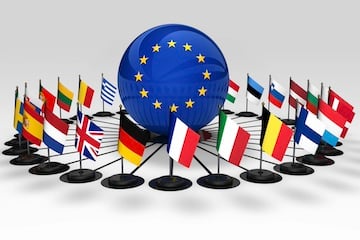

fromwww.theguardian.com
2 months agoUS will be exempt from global tax deal targeting profits of large multinationals
Nearly 150 countries have agreed on a landmark plan to stop large global companies shifting profits to low-tax jurisdictions, but the US will be exempt from the deal, angering tax transparency groups. The plan, finalised by the Organisation for Economic Cooperation and Development, excludes large US-based multinational corporations from the 15% global minimum tax after negotiations between the Trump administration and other members of the G7.
World news
Venture
fromLondon Business News | Londonlovesbusiness.com
2 months agoEOR vs subsidiary setup: How to choose the right expansion model - London Business News | Londonlovesbusiness.com
Choose EOR for rapid, low-risk market entry; use a subsidiary for long-term control and local presence despite higher cost and complexity.

fromwww.cbc.ca
1 month agoSelling to a U.S. company was an endgame for many Canadian businesses. The government is trying to change that | CBC News
Aaron Schroeder's company wasn't for sale, yet the offers kept coming. For years, the Vancouver-based climate engineer received a few unsolicited bids every month, sometimes a couple every week. The offers were often from larger companies and hedge funds, especially those based in the United States. When Schroeder was ready to sell Brightspot Climate, an engineering consultancy with offices in Vancouver, Calgary and Toronto, he decided to go in a different direction and create a special trust to make all 40 of his staff owners.
Canada news


from24/7 Wall St.
2 months agoThe Cross-Border Specialist Posts 25% Growth but Its Platform Rival Delivers Better Returns
Global-E posted $220.8 million in revenue, up 25.5% year-over-year, with gross margins at 45.1%. The company generated $13.2 million in net income, but profit margin remained razor-thin at 0.83%. Operating margin reached 7.7%, showing the business model works operationally, but capital efficiency remains a problem. Return on equity sits at just 0.81%, meaning the company barely generates returns on deployed capital. That's the core issue Wall Street keeps circling back to.
E-Commerce
Remote teams
fromLondon Business News | Londonlovesbusiness.com
1 month agoTop seven mistakes companies make when hiring international employees: Critical risks and how to avoid them - London Business News | Londonlovesbusiness.com
Plan and follow structured, locally compliant hiring processes to avoid legal, financial, and cultural failures when hiring across borders.
US politics
fromIndependent
1 month ago'Pure fear' - Growing concern among Irish business executives they will be frozen out of US as visa rejections increase
Growing visa denials and stricter US immigration enforcement are causing business travelers, especially Irish executives, to avoid visa applications for fear of losing ESTA access.
Business
fromLondon Business News | Londonlovesbusiness.com
1 month agoDubai business setup in 2026: A strategic guide for foreign investors and entrepreneurs - London Business News | Londonlovesbusiness.com
Dubai's 2026 strategy focuses on economic integration, regulatory sophistication, and a 9% corporate tax regime, making jurisdiction choice and substance critical for investors.
European startups
fromLondon Business News | Londonlovesbusiness.com
2 months agoIncorporating and licensing in Lithuania: Legal building blocks for EU-ready operations - London Business News | Londonlovesbusiness.com
Lithuania offers a predictable EU legal framework, eurozone access, clear corporate and tax incentives, and established fintech licensing with supervisory expertise.
UK news
fromIndependent
2 months agoYour money questions: Can I combine my private pension and an investment into a new plan to lower tax?
Capital gains tax applies to the €6,000 investment growth after the annual exemption, and pension withdrawals are taxed as income after a 25% tax-free lump sum, so staged drawdown can reduce marginal tax.
US politics
fromFast Company
1 month agoWhy corporate America is hedging as immigration agents show up at its doors
Corporate leaders favored cautious calls for stability over naming federal immigration enforcement or criticizing policy after violent incidents, reflecting risk management rather than moral leadership.
UK news
fromLondon Business News | Londonlovesbusiness.com
2 months agoSide hustle boom prompts fresh tax warning from HMRC in 2026 - London Business News | Londonlovesbusiness.com
Over 16 million Britons now run side hustles, earning an average £914 monthly, while many fail to declare income and HMRC warns of tax issues.
fromBusiness Matters
2 months ago5 Accounting Tasks Most Small Businesses Should Probably Outsource Offshore
Running a small or medium-sized business is tough enough without getting buried in spreadsheets every month. A lot of us owners and managers end up wearing too many hats, sales, customer stuff, operations, and then accounting piles on top. Those routine financial tasks eat up hours, and honestly, one slip-up can cause big headaches like tax penalties or cash flow surprises.
Business
fromFortune
2 months agoFortune 500 Europe 2026: revealing the leading firms defining Europe's global future | Fortune
As we enter 2026, is gearing up to release our fourth edition of the Fortune 500 Europe list, celebrating the region's most successful companies through the framework of one of business's best-known accolades. To truly understand these companies, we are embarking on a program of webinar masterclasses, executive interviews and strategy deep-dives, leading up to an exclusive London event for CEOs in September.
Miscellaneous
UK news
fromLondon Business News | Londonlovesbusiness.com
2 months agoUK urged to prioritise investor retention as inward investment momentum weakens - London Business News | Londonlovesbusiness.com
Weaker inward FDI flows in 2024 require government focus on investor retention, reinvestment, faster delivery, predictable policy, and support for scaling international businesses.
fromMoneyMade
1 month agoFor years, my Dad told me I couldn't claim my home-office as a tax deduction. Now my accountant tells me I can. Who's right?
For years, you trusted your dad's tax wisdom. He told you-firmly-that you couldn't deduct your home office. Now your accountant says you can. So who's right? Welcome to one of the most misunderstood deductions in the tax code. Let's unpack how this rule actually works, why your dad probably wasn't wrong, and why your accountant may finally be right now.
Business
[ Load more ]