Running
fromThe Manual
17 hours agoI used a Hypershell "exoskeleton" to make my home workouts harder
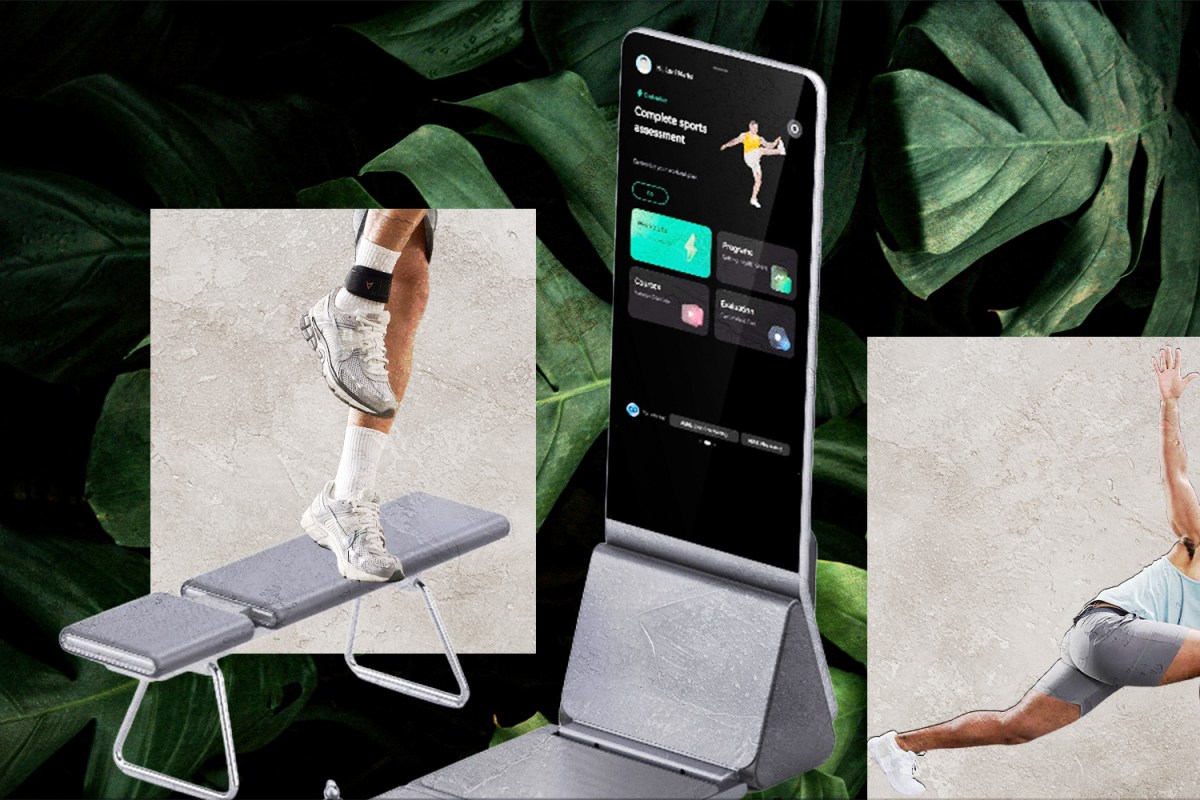
The Hypershell is a carbon fiber exoskeleton that enhances walking and running capabilities, making workouts more challenging and effective.
After a tough workout, your body enters a state of stress: muscle fibers are damaged, energy stores are depleted, and hydration levels drop. This is a critical moment. If your body gets the right nutrients, it starts rebuilding immediately. If not, recovery slows down, and so does progress.
The boom in reformer pilates has created a wild west of studios where poor regulation has resulted in inexperienced teachers and a rise in injuries, professional standards bodies have warned.
Food logging can be done in a few ways, including searching a database, scanning barcodes, or using AI-based camera analysis. Simpler items like eggs and fruit are identified well, but complex meals can be frustrating due to lighting and AI limitations.
Body agency is a power returned after an incident took it away from the user's physical form, and some wearable devices and technologies have this exact goal in mind.
Tyburski was a professional adventurer, financing his pursuits via magazine articles and speaking gigs, and even making a documentary about his quest. His whole raison d'etre was to push past his limitations, showing what a person is capable of when their mindset is strong enough.
Super shoes and ultralight gear make a difference, but with new advancements in artificial intelligence (AI) that can look at our running form and compare it to the ideal, analyze our nutrition intake from a simple photo and help us plan our diets, and offer guidance on training and recovery, the interwovenness of technology and running is only set to increase.
The brain is the conductor of the orchestra, the muscles are the instruments. When your body is out of alignment, the orchestra is playing out of tune. Misalignment in the musculoskeletal system is frequently the root cause of chronic pain and the resulting poor posture.
"It's not great, if I'm being honest. From amending my answer to the question "how ya doing Roth" at the very beginning of this week's episode of The Distraction, it is clear that things are not going great. But for the second straight week, we found a way to split our episode between the Not Great stuff and being stupid about sports, with the result being one of the most enjoyable hours of my week."
Google announced on Tuesday that the public preview of Fitbit's AI personal health coach is rolling out to iOS users in the U.S. as well as both iOS and Android users in the UK, Canada, Australia, New Zealand, and Singapore. It initially launched in October, when it was only available in the U.S. on Android devices. To try out the feature, users need to have an active Fitbit Premium subscription and use a Google account to sign into the Fitbit app.
My job is fully remote, with quarterly in-person "conferences" that last a few days. My company is fitness-related, and people are paying a lot of attention to weight. Over the past year, my doctor nailed down a long-term health condition I didn't know I had, and we worked on treatment. As a result, I've lost about 60 pounds. Almost all of it was in my body.
Eugene Teo, 34, began lifting weights at the age of 13, looking for validation. I was short, skinny and I thought it would give me confidence, he says. Bodybuilding for me was the ultimate expression of that. Now living on the Gold Coast in Australia, with his partner and daughter, the fitness coach spent from age 16 to 24 training and competing. At times, he lifted weights for up to four hours a day, aiming to get as muscular and lean as possible.
vyv (pronounced v-eye-v), a new personalized vitamin and supplement brand designed for women ages 20 to 30 who want wellness to feel intuitive, flexible, and easy to keep up with. Think less pressure, fewer bottles, and way more "this actually works for my life." vyv is the younger sister brand to Persona™ Nutrition, designed with a fresh lens for Gen Z/Millennial females juggling packed schedules, shifting hormones, and big goals-without asking them to become supplement experts along the way.
January might be coming to a close, but the focus on wellness doesn't have to die with it. If anything, it's a good time to check in with those 2026 goals and see what you want to prioritise for the rest of the year. To that end, we've gathered some of the best deals we've seen in the past few weeks that will help you tick off every good intention you set this month.
Bala Bangles Wrist & Ankle Weights Fit in a workout whenever you have time. Keep Bala Bangles in your bag so they're easy to grab. Wear them on your wrists or ankles to add comfortable resistance to yoga, walking, or any home workout. Gymreapers Barbell Squat Pad This squat pad helps prevent sore shoulders during back squats or after leg day. It spreads out the bar's weight so you can focus on your lift.
In this episode of the On Coaching Podcast, Steve Magness and Jon Marcus discuss the concept of 'fit but flat,' exploring the phenomenon where athletes excel in metabolic fitness but fail to perform competitively due to a lack of neuromuscular coordination. Using examples like middle-distance runner Ingram Brion, the hosts delve into how metabolic training alone can lead to race failures.
When we say we want to lose weight, we typically mean shedding fat but not muscle. Muscle helps us to look "toned" and supports our metabolism. To lose fat without losing muscle, eat enough protein and strength train regularly, two top trainers said. If you want to lose fat without losing muscle, there are three things you need to know.
Your donation allows us to keep sending journalists to speak to both sides of the story. The Independent is trusted by Americans across the entire political spectrum. And unlike many other quality news outlets, we choose not to lock Americans out of our reporting and analysis with paywalls. We believe quality journalism should be available to everyone, paid for by those who can afford it.
You know those people who seem to radiate energy and look like they could run a marathon at a moment's notice? The ones who somehow maintain incredible fitness without posting gym selfies or talking about their deadlift PR? I used to think they had some secret genetic advantage. Turns out, after years of observing and experimenting myself, their secret isn't found in a gym membership or expensive equipment. It's woven into the fabric of their daily lives through simple, sustainable habits.
In one camp are the new year, new routine fanatics, the people you'll find smashing a 6am workout, clutching a protein shake (the clear, pea isolate ones that are almost like a protein squash have been brilliant for me) and claiming, with suspicious enthusiasm, that they love the feeling of their lungs burning in winter air. And honestly? Good for them. A reset can feel energising, and the right fitness tech, supplements and morning rituals can make this commitment easier and more appealing.
It's just what it looks like: I time my planks then file them away, determined to last a little longer tomorrow. And sometimes I do, for several days in a row, then one day I'll collapse nearly a minute short of my personal best. I'll pound the mat like Charlton Heston at the end of Planet of the Apes, then I'll get myself together - you've got to stay cool at Equinox - and move on with my day.