#petrobras-drilling
#petrobras-drilling
[ follow ]
#venezuela #oil-prices #chevron #renewable-energy #oil-industry #sanctions #north-sea #energy-security

Environment
fromwww.theguardian.com
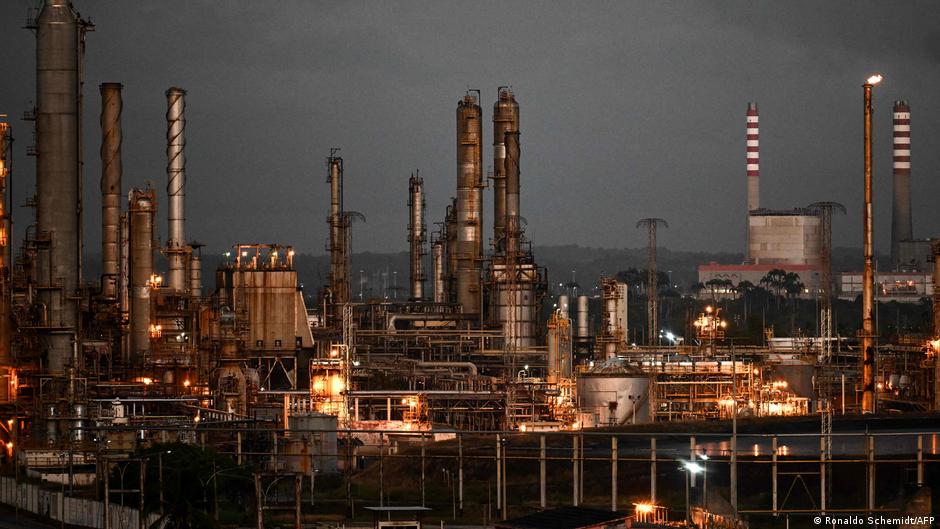
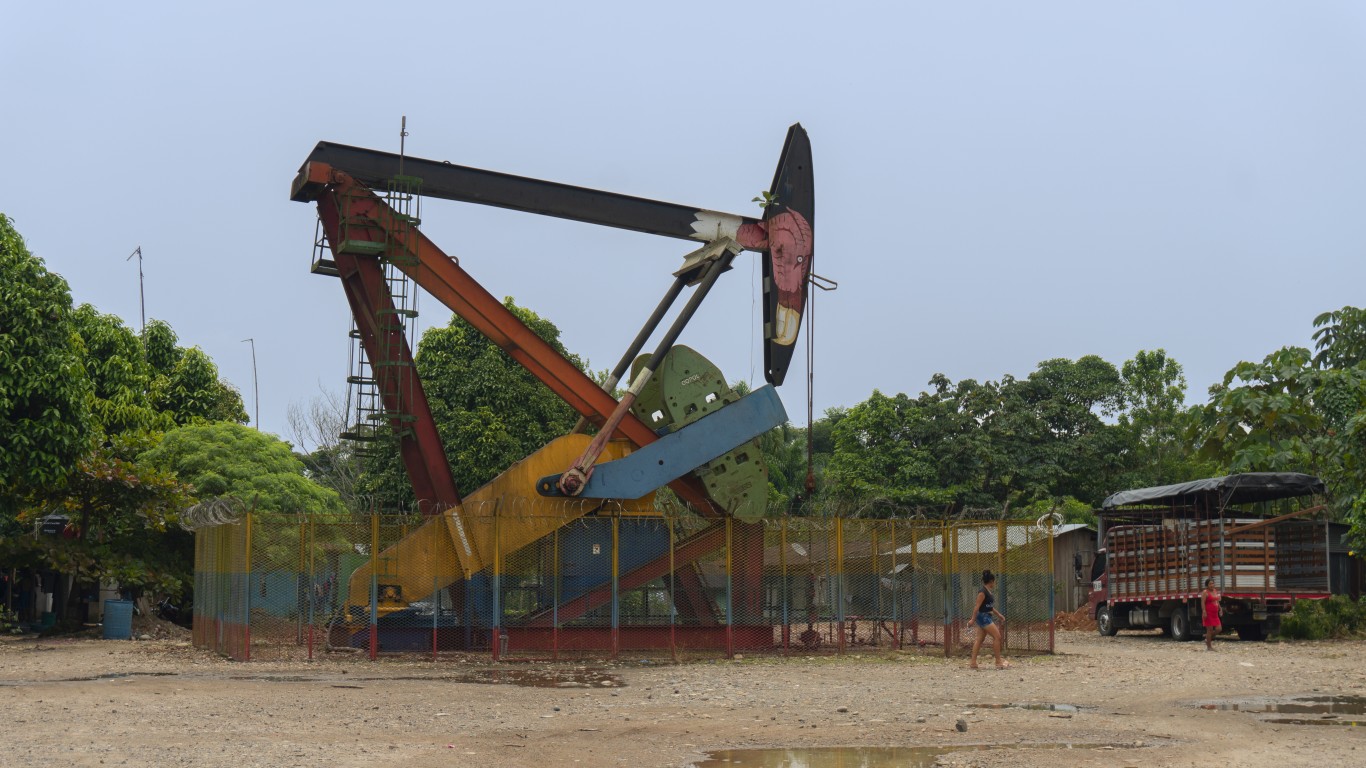
1 day agoIf they pollute our rivers, what will become of us?': the town divided between hope and fear in Brazil's Amazon oil rush
Oiapoque, Brazil, is poised for development through oil production, raising concerns about environmental impacts and Indigenous rights amid a global energy transition.
fromRealagriculture
1 week agoBiofuels, Brazil, and the cost of war: Suderman outlines key forces shaping grain markets
"I think it surprised me how easily people are swayed by headlines," says Suderman, noting that wartime information flows are often strategic and conflicting. "You have to learn in a wartime to take everything with a grain of salt in the context of what you observe."
World politics
fromEco-Business
2 weeks agoOil majors shifting from greenwashing to fossil fuel advocacy, advertising study finds
In the US and UK, there is urgent climate action which has put pressure on oil and gas companies to adopt a new narrative. Energy security is a global theme that has started to be incorporated in Asia, but most campaigns in the region continue to focus on brand loyalty and Asian values of family and community.
Marketing
SF politics
fromLos Angeles Times
2 weeks agoOil flows through Santa Barbara coastal pipeline for first time in decade amid Trump fight with California
Offshore oil pipelines in California resumed operations after a decade-long shutdown following Trump's executive order invoking the Defense Production Act, escalating conflict between federal and state authorities over energy policy.
Business intelligence
from24/7 Wall St.
3 weeks agoIf Oil Holds Above $90, EWZ Investors Are Going To Be In For A Wild Ride
The iShares MSCI Brazil ETF (EWZ) has surged 62% over the past year, significantly outperforming most emerging market ETFs, driven primarily by rising oil prices benefiting its largest holding, Petrobras.
World news
fromenglish.elpais.com
3 weeks agoVenezuela opens its gold and gas-rich subsoil to the United States
Venezuela has opened its natural resources to U.S. companies, beginning with oil and expanding to mining operations including gold, bauxite, and coal, with new legislation facilitating foreign investment.
SF politics
fromLos Angeles Times
4 weeks agoGas prices soaring, Trump administration sets stage to OK controversial offshore oil plan
The Department of Justice issued a legal opinion stating President Trump can use the Defense Production Act to override California laws blocking Sable Offshore's oil operations near Santa Barbara County.
fromHarvard Business Review
2 weeks agoHow To Deliver on ESG Initiatives in Emerging Market
Multinational firms are under rising pressure-from investors, regulators, and employees-to demonstrate positive societal impact in the places where they do business. With ESG-focused institutional investments projected to reach nearly $34 trillion this year and roughly 90% of large U.S. companies now disclosing ESG reports, these pressures are now a central part of corporate strategy.
Business
UK politics
fromwww.independent.co.uk
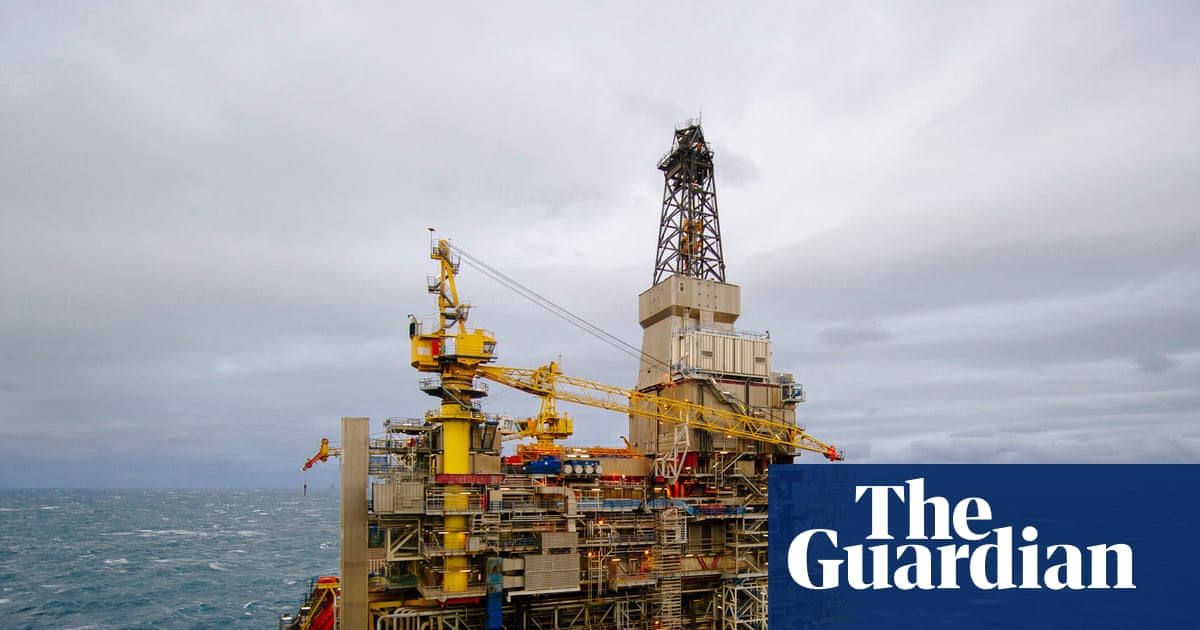
2 weeks agoExperts issue verdict on whether North Sea drilling will reduce UK energy bills
Renewable energy could save UK households up to £441 annually, vastly outpacing North Sea drilling's potential savings of £16-£82, which require government tax redistribution to materialize.
Environment
fromwww.theguardian.com
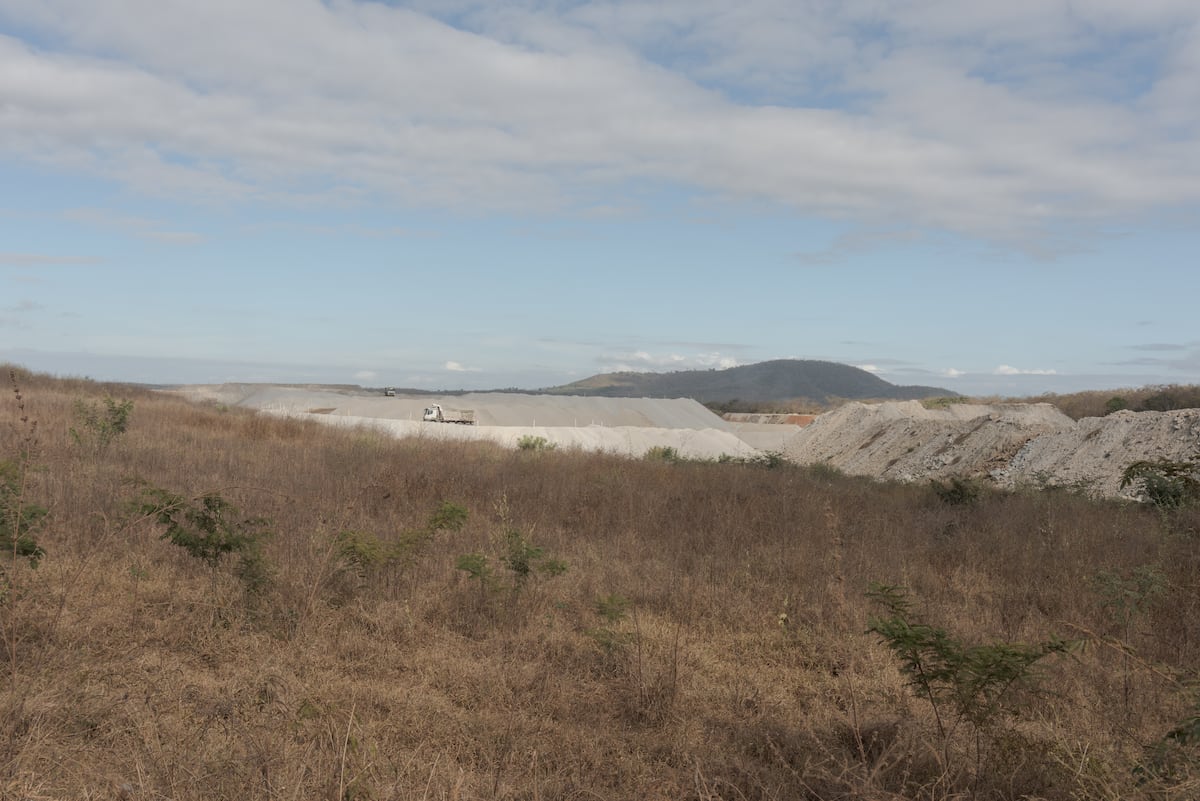
3 weeks agoMining's toxic timebomb: dams full of poisonous waste are dotted around the world. What happens when they burst?
A tailings dam collapse at a Chinese copper mine in Zambia released over 50 million cubic liters of acid and heavy metals into the Kafue River, causing widespread environmental devastation, water supply shutdowns, and agricultural destruction affecting millions of people.
Business
from24/7 Wall St.
3 weeks agoConocoPhillips Is Shifting From Growth Mode to Cash Harvesting at a Critical Moment
ConocoPhillips doubled Marathon Oil synergies and returned $9 billion to shareholders in 2025, but falling oil prices and a 38% net income decline raise questions about whether integration gains can sustain amid commodity headwinds.



fromwww.theguardian.com
1 month agoThe river won': how campaigners in Brazilian Amazon stopped privatisation of waterway
The river won, the forest won, the memory of our ancestors won, said the campaigners in Santarem when it was clear their actions had forced the Brazilian government into a U-turn on plans to privatise one of the world's most beautiful waterways and expand its role as a soy canal.
Environment


fromCN Traveller
2 months agoIn Brazil's Costa Verde, local communities are tapping into the ancient stillness beneath their town's thrum
I remember this as I wend my way from Brazil's colossus, São Paulo, to the coastal enclave of Paraty on the Costa Verde, driving through tunnels of Atlantic Forest that filter blinking bars of light. Floral scents surf on warm air through the open window. The legendary Afro-Brazilian singer-songwriter of the 1960s Tropicalismo genre, who went on to become Brazil's first culture minister to advocate for national diversity, has performed at festivals in Paraty.
fromFast Company
2 months agoOil and defense stocks react to Venezuela news: Chevron, ExxonMobil, Palantir, Lockheed, Halliburton, more
In a Saturday press conference addressing America's military intervention, Trump said, "We're going to have our very large United States oil companies-the biggest anywhere in the world-go in, spend billions of dollars, fix the badly broken infrastructure, the oil infrastructure." While the president did not name any specific companies, based on premarket trading this morning, investors seem to think that the following oil and energy giants stand to benefit from the intervention:
US politics
fromwww.dw.com
1 month agoBrazil's soy industry gives deforestation a green light
A moratorium that has protected vital rainforest since 2009 is on shaky ground as several players from Brazil's soy industry say they are pulling out. Specifically, the Brazilian industry association ABIOVE, whose members include global companies such as Cofco International, Bunge, Amaggi and JBS, have said they will no longer refrain from growing soy on deforested land. Environmentalists fear this could fuel a new wave of Amazon logging.
Environment
fromwww.theguardian.com
1 month agoPostcard-pretty and filled with pollution: how Brazil's fishers are reviving Rio de Janeiro's famous bay
Raw sewage and solid waste flow into the bay from surrounding cities, home to more than 8 million people. Cargo ships and oil platforms chug in and out of commercial ports, while dozens of abandoned vessels lie rotting in the water. But at the head of the bay, between the cities of Itaborai and Mage, the environment feels different. The air is purer, the waters are empty but for small fishing canoes, and flocks of birds soar overhead.
Environment
fromThe Art Newspaper - International art news and events
1 month ago'These are dirty funds': Indigenous Brazilian leader slams Science Museum for oil sponsorship ahead of climate show
BP's sponsorship of the museum has long drawn ire, in part because the oil company pursues an "all out for oil and gas" strategy, including plans to exploit deep drilling at the recently discovered Burmerangue site off the coast of Brazil. The project has been criticised by campaigners and oil and gas unions due to its threat to ocean ecosystems, elevated carbon dioxide levels, and lack of revenue flowing back into the Brazilian economy.
Environment
Environment
fromenglish.elpais.com
1 month agoThe debate over fracking in Mexico: Energy sovereignty versus environmental risk
Sheinbaum's government overturned a six-year fracking ban to pursue domestic gas independence, sparking debate over energy sovereignty versus environmental and community risks.
World news
fromwww.aljazeera.com
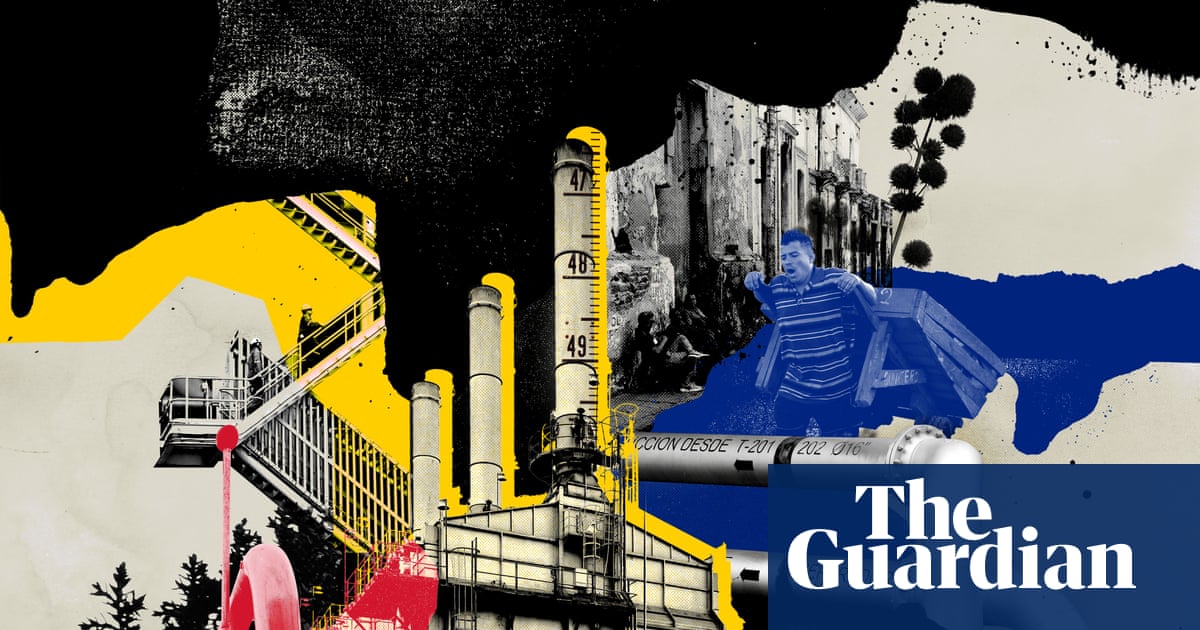
2 months agoMexico's oil industry faces new pressures from Venezuela oil under US
Pemex's neglected maintenance, rising debts, and operational constraints have increased environmental risks, reduced production, and left it vulnerable to competition and import dependence.
fromwww.aljazeera.com
2 months agoVenezuela's interim president's oil law reform to break with Chavez model
Venezuela's parliament has advanced a proposal to loosen the state's control over its oil industry and boost the private sector's role in the first major overhaul of the industry in years. The proposal to reform Venezuela's Hydrocarbons Law was thrust upon the country after the abduction of former President Nicolas Maduro by the United States on January 3 and had generated significant interest across businesses and political parties.
World news
[ Load more ]