#pfas-remediation
#pfas-remediation
[ follow ]
#pfas #public-health #epa #microplastics #health-risks #environmental-contamination #drinking-water #pollution


#microplastics



fromwww.theguardian.com
2 months agoEnvironment
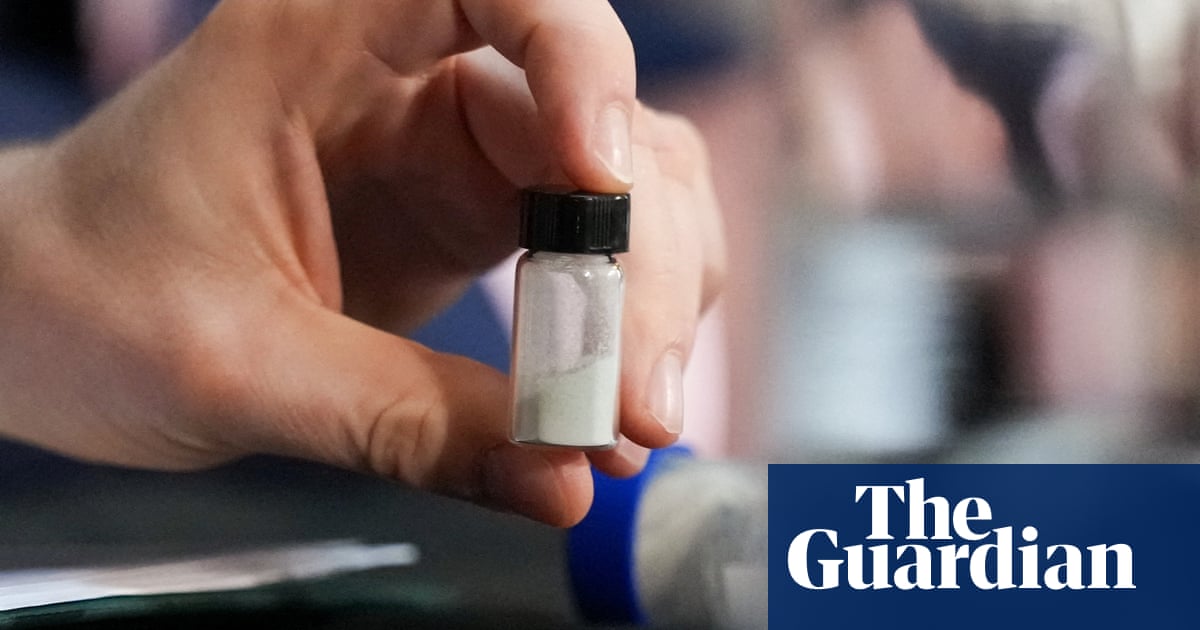
Are our bodies full of microplastics or not? There's a way to resolve this debate, and scientists must hurry | Debora MacKenzie
Microplastic research claims of widespread bodily contamination and health harm are undermined by methodological flaws and disputed measurements, leaving risks uncertain while science self-corrects.
OMG science
fromFuturism
4 days agoYou Know How Scientists Keep Finding Microplastics Literally Everywhere? Well, You'd Never Guess What Their Lab Gloves Are Coated in Straight Out of the Packaging
Skepticism grows in the scientific community regarding microplastics research due to potential methodological errors and contamination issues.
fromHigh Country News
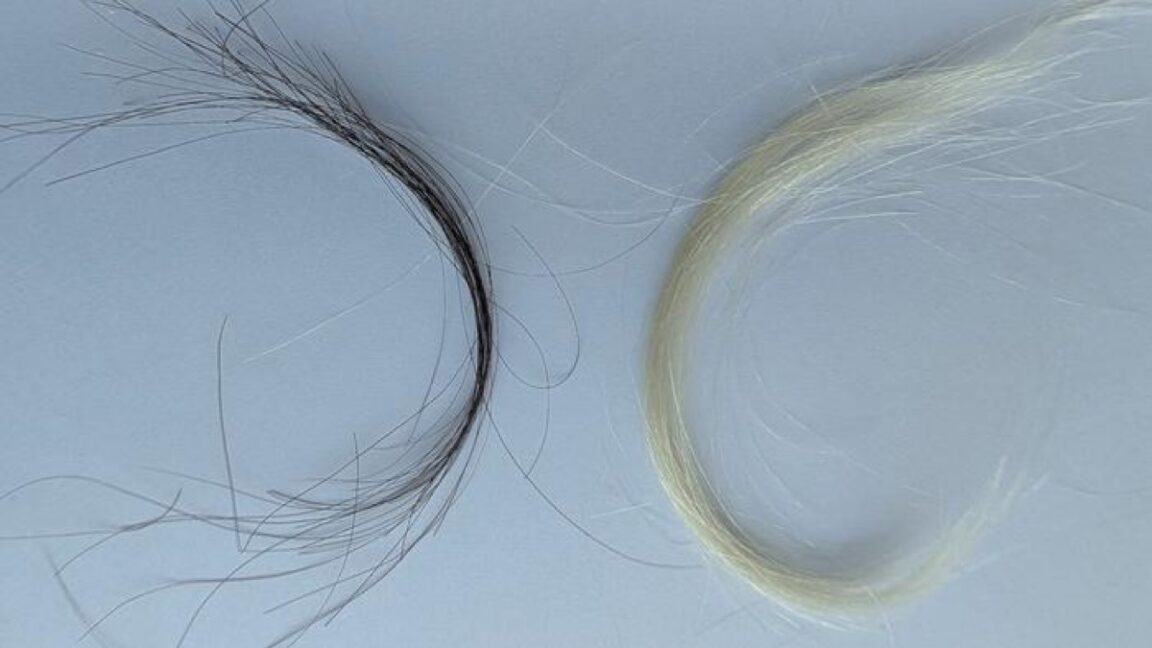
4 days agoForest Service overhaul sows confusion, concern - High Country News
"Nobody is asking for this. None of the farm groups want this. No one in conservation wants this. Nobody." Robert Bonnie, former Forest Service undersecretary, highlights widespread opposition to the reorganization.
Washington DC
#911


NYC politics
fromwww.amny.com
5 days agoA moral injury': City sued over not releasing information on Lower Manhattan air quality danger after 9/11 attack | amNewYork
Advocates are suing New York City for transparency regarding air quality information post-9/11 to seek accountability and answers, not compensation.
fromBoston.com
2 weeks agoDebate in Quincy over funding for new firefighting gear after current gear tests positive for PFAS
The Quincy Firefighters Association Local 792 expressed their disappointment, stating, 'That's negligence, not due diligence. This isn't about politics - this is about doing the right thing and protecting the men and women who go out and protect Quincy every day.'
SF politics
fromwww.theguardian.com
2 days agoWhy reducing air pollution deaths isn't just about reducing air pollution
Air pollution is the second-largest risk factor for early death globally. Traditionally, our response has focused on reducing the levels of pollution people breathe, but this is only part of the story.
Public health
fromTruthout
2 weeks agoWeed Killer May Be Causing Cancer "Hot Spots" Across the Midwest
The analysis by Food & Water Watch found that 60% of counties with high glyphosate use had non-Hodgkin lymphoma rates above the national average, indicating a strong correlation between glyphosate application and cancer incidence.
Cancer
fromTODAY.com
3 days agoThese Are the 2 Most Dangerous Home Cleaning Products to Have Around Kids, New Research Shows
"What surprised me is we are still seeing so many visits to emergency departments associated with very common household cleaning products," Lara McKenzie, Ph.D., stated, emphasizing the ongoing issue despite safety advancements.
Public health
NYC real estate
fromNew York Post
2 weeks agoExclusive | Most landlords in trendy NYC nabe-turned-Superfund site refuse free testing - because of property values: pol
Only 26% of 1,000 properties in Brooklyn's Meeker Avenue Plume Superfund site have undergone free EPA air testing for toxic contamination since 2022, with landlords avoiding testing due to property value concerns.
fromFast Company
3 weeks agoHow silicone wristbands can help scientists monitor 'forever chemicals'
Environmental monitoring has traditionally relied on snapshots of exposure from a water sample collected on a single day, a blood sample drawn at one point in time, or soil tested from a specific location. But exposure unfolds gradually as people move through different environments and come into contact with air, dust, and surfaces throughout the day.
Wearables
#pfas-contamination
Miami food
fromwww.scientificamerican.com
3 weeks agoA $1.3-billion river dredging in North Carolina by the U.S. Army Corps of Engineers could unleash forever chemicals'
PFAS contamination in Cape Fear River alligators correlates with immune system damage, revealing widespread environmental poisoning from industrial chemicals.
fromSlate Magazine
1 month agoOur Food System Depends On It. RFK Jr.'s Followers Hate It-and It Has Been Linked to Cancer.
Glyphosate is one of the most commonly used methods of handling weeds on farms and elsewhere. It is a key part of modern agriculture, to the point that imagining a food system that operates without it is incredibly challenging. Yet, glyphosate is also the subject of much debate.
Agriculture

fromLos Angeles Times
1 month agoFear that herbicides are poisoning Orange County creeks blows up on social media
We want an end to the use of herbicides in our creeks. This idea that we're just going to spray, hose down these creeks and leave them dead is unacceptable. Linas and other residents have filed requests for records detailing the chemicals the county uses to control vegetation in the waterways, such as glyphosate, triclopyr and imazapyr.
California
Public health
fromShore News Network - The Latest Breaking, Viral and Trending News
1 week agoNew York drinking water study finds toxins, thousands of violations statewide
New York's drinking water systems face widespread contamination and thousands of unresolved violations, raising serious public health concerns.




Environment
fromwww.theguardian.com
3 weeks agoMining's toxic timebomb: dams full of poisonous waste are dotted around the world. What happens when they burst?
A tailings dam collapse at a Chinese copper mine in Zambia released over 50 million cubic liters of acid and heavy metals into the Kafue River, causing widespread environmental devastation, water supply shutdowns, and agricultural destruction affecting millions of people.
Environment
fromTruthout
3 weeks agoHouse Bill Could Weaken EPA Oversight of Hazardous Chemicals
House conservatives propose rolling back 2016 reforms to the Toxic Substances Control Act, weakening EPA authority to regulate hazardous chemicals despite ongoing groundwater contamination cases like Jones Road.
Public health
fromLos Angeles Times
3 weeks agoTrump EPA moves to roll back recent limits on ethyene oxide, a carcinogen
The EPA proposes rolling back Biden-era ethylene oxide emission limits, citing $630 million in cost savings for medical sterilization facilities while environmental groups warn of increased cancer risks to nearby communities.
Information security
fromThe Hacker News
2 months agoExposure Assessment Platforms Signal a Shift in Focus
Exposure Assessment Platforms replace traditional Vulnerability Management by providing continuous, risk‑prioritized, cross‑layer visibility to reduce alert fatigue and address “dead‑end” exposures.
fromKqed
2 months agoHealth Officials Work To Combat Mushroom Poisoning Outbreak | KQED
Local mushroom experts and enthusiasts have bemoaned the state's messaging around the poisonings as narrow and fear-based. Many would prefer to see an emphasis on education, rather than a prohibition on all foraging, and point out that touching, smelling and looking at mushrooms is safe. "There's a lot more nuance," said Debbie Viess, co-founder of the Bay Area Mycological Society. "It's much more important to steer people to places where they can educate themselves about the safety and the dangers of eating wild mushrooms."
US politics
fromLos Angeles Times
2 months agoLeaked memo reveals California debated cutting wildfire soil testing before disaster chief's exit
One year ago, Nancy Ward, then the director of the California Governor's Office of Emergency Services (Cal OES), petitioned the Federal Emergency Management Agency to spearhead the cleanup of toxic ash and fire debris cloaking more than 12,000 homes across Los Angeles County. Although Ward's decision ensured the federal government would assume the bulk of disaster costs, it came with a major trade off.
California
Public health
fromNonprofit Quarterly | Civic News. Empowering Nonprofits. Advancing Justice.
2 months agoThe Polluters Down the Street-EPA Changes Put Lives at Risk | Nonprofit Quarterly | Civic News. Empowering Nonprofits. Advancing Justice.
Air quality monitoring and Clean Air Act regulations have reduced PM2.5, prevented hundreds of thousands of early deaths, and improved average life expectancy.


fromLos Angeles Times
2 months agoA push to end a fractured approach to post-fire contamination removal
The patchwork efforts to identify and safely remove contamination left by the 2025 Eaton and Palisades fires has been akin to the Wild West. Experts have given conflicting guidance on best practices. Shortly after the fires, the federal government suddenly refused to adhere to California's decades-old post-fire soil-testing policy; California later considered following suit. Meanwhile, insurance companies have resisted remediation practices widely recommended by scientists for still-standing homes.
Public health
from24/7 Wall St.
2 months agoClean Harbors (CLH): The Environmental Services Moat is Expanding
Clean Harbors just locked in a $110 million contract for PFAS water filtration at Joint Base Pearl Harbor-Hickam. This isn't just another project win. It's validation of the company's end-to-end PFAS solution: lab analytics, water filtration, site remediation, and most critically, high-temperature incineration disposal.
Environment
Public health
fromwww.mercurynews.com
2 months agoEvacuations, shelter in place order in effect while hazardous materials removed from Berkeley home
Residents near Colusa and Tacoma in Thousand Oaks were ordered to shelter in place or evacuate while hazardous photography chemicals including picric acid were removed.
[ Load more ]